


 VIE
VIE

Are skin tags dangerous? How to remove skin tags
CONTENT
Milia are small, grain-like bumps, typically the size of rice grains, commonly appearing around the eyes and on the face. While they don’t cause pain or itching, they significantly affect skin aesthetics, sometimes raising concerns about their potential dangers. So, are milia dangerous?
Causes of Milia
To date, no one has pinpointed the exact cause of milia. However, scientific studies suggest that milia may form due to abnormal proliferation and dysfunction of skin structures, particularly related to sweat glands and the collagen system. Additionally, the appearance of milia is also linked to unhealthy lifestyle habits and internal hormonal imbalances.
Direct Cause: Collagen and Sweat Gland Dysfunction
The development of milia is often attributed to collagen system dysfunction. Collagen, a crucial protein, forms a supportive network beneath the epidermis, determining the skin’s structure and elasticity. When collagen overproduces, combined with imbalanced sweat gland activity, clogged sweat ducts result in the formation of excess skin tissue bumps.
This explains why milia frequently appear and thrive in sensitive skin areas, those with weaker constitutions, or regions prone to friction, such as milia around the eyes or on the face. These areas have a high concentration of sweat glands and are easily affected by internal skin disruptions.

Indirect Causes: Lifestyle Habits and Internal Factors
Beyond direct causes, indirect factors contributing to milia are closely tied to daily lifestyle and overall health, including:
- Unbalanced diet: A lack of essential vitamins and minerals can affect skin regeneration and hormonal balance.
- Overuse of stimulants: Alcohol, tobacco, and other stimulants harm the skin, weaken the immune system, and impair the function of subcutaneous glands.
- Staying up late and a lack of sleep: Sleep is the time for skin recovery and repair. Staying up late or chronic sleep deprivation disrupts hormones and reduces skin resilience, creating favorable conditions for milia formation, especially in delicate areas like around the eyes.
- Prolonged stress: Stress indirectly causes hormonal imbalances, negatively impacting skin health.
Are Milia Dangerous?
Milia are benign tumors primarily formed from sweat glands. In essence, they pose no health risks, do not develop into cancer, nor cause serious medical complications.
However, milia significantly impact skin aesthetics, particularly milia around the eyes or on the face. They make the skin appear less smooth and rough, often leading to self-consciousness. Although rare, in some cases, milia can cause itching when sweat is present.
Though not dangerous, without external intervention, do milia disappear on their own? In reality, milia do not resolve naturally and require appropriate treatment methods!

Safe and Effective Ways to Remove Milia
Although benign, milia can cause aesthetic concerns, leading to self-consciousness, especially with milia on the face. Fortunately, advancements in modern medicine offer several safe and effective methods to remove them, restoring smooth skin. Below are common milia treatment methods.
Treating Milia with Advanced Laser Technology
If topical treatments fail to deliver desired results or when milia are numerous and significantly affect appearance, laser treatment is an effective solution. This method uses focused light energy to precisely remove milia, especially in sensitive areas like the eyes or back.
Currently, WEDO Skin Clinic is one of the dermatology clinics in Ho Chi Minh City applying advanced laser technology for milia treatment. These technologies are prescribed by specialized dermatologists and performed by experienced professionals, ensuring effectiveness and optimization for clients. Milia treatment technologies at WEDO Skin Clinic include:
- Fractional CO2 Laser Technology: This is a highly regarded method for milia treatment. Fractional CO2 Laser emits laser beams at suitable wavelengths, precisely targeting milia, vaporizing excess tissue without causing widespread damage to surrounding skin. This technology effectively removes milia while stimulating collagen production, aiding skin regeneration, and minimizing scarring for smooth post-treatment skin.
- PTP Laser Technology (Photoacoustic Technology Pulse): Another effective solution, PTP Laser uses high-energy, ultra-short pulses to powerfully target milia pigments and structures, breaking them into tiny particles that are naturally eliminated by the body. This method is particularly effective for evening skin tone and reducing the risk of post-inflammatory hyperpigmentation.

Other Milia Treatment Methods
In addition to the above methods, other approaches are also used for milia treatment, including:
- Surgical ligation: This method involves using medical thread to tie a knot around the base of the milia to cut off its blood supply, causing the milia to necrotize and fall off. However, this method is slow, may cause mild pain or prolonged discomfort, and carries a risk of infection if not performed in a sterile environment.
- Electrocautery: This method uses high-frequency electric currents to burn and remove milia. While it can quickly eliminate milia, electrocautery may cause pain, thermal damage to surrounding skin if not controlled well, and potentially leave dark or indented scars. The likelihood of milia recurrence is relatively high if the root is not thoroughly addressed.
- Surgical excision: For large or deep-rooted milia, surgical excision is an option. This method typically requires local anesthesia. While it can be more thorough, it will certainly leave scars, and milia may still recur if the root is not completely removed.
Common Questions About Milia
Is milia treatment painful?
With advanced technologies like Fractional CO2 Laser or PTP Laser at reputable clinics, milia treatment is typically performed with local anesthesia, causing little to no pain, only mild stinging sensations.
Does milia treatment leave scars?
Advanced laser treatments for milia minimize scarring risks when performed by experienced doctors and with proper post-treatment care.
Can milia recur after treatment?
The likelihood of milia recurrence depends on factors like skin type, treatment technique, and skincare regimen. Modern laser technologies reduce recurrence risks compared to traditional methods.
How many sessions are needed to completely treat milia?
The number of treatment sessions depends on the quantity, size, and depth of milia. Typically, a treatment course may require 1 to 3 sessions for optimal results.
How to care for skin after milia treatment?
After milia treatment, keep the treated area clean, avoid sun exposure completely, and use moisturizers and regenerative creams as prescribed by the doctor to promote quick healing and prevent scarring.
This article has addressed the concern of “Are milia dangerous?” that many people face. While not harmful, milia still raises aesthetic concerns. Therefore, if you have milia, visit reputable dermatology clinics for consultation and tailored treatment plans.
WeDo District 1 – Tran Doan Khanh Street
- Hotline/Zalo/Whatsapp: 0898898875
- Address: 11 Tran Doan Khanh Street, Da Kao Ward, District 1, HCMC
WeDo District 2 – Thai Thuan Street
- Hotline/Zalo/Whatsapp: 0707196622
- Address: 17 Thai Thuan Street, An Phu Ward, Thu Duc City, HCMC

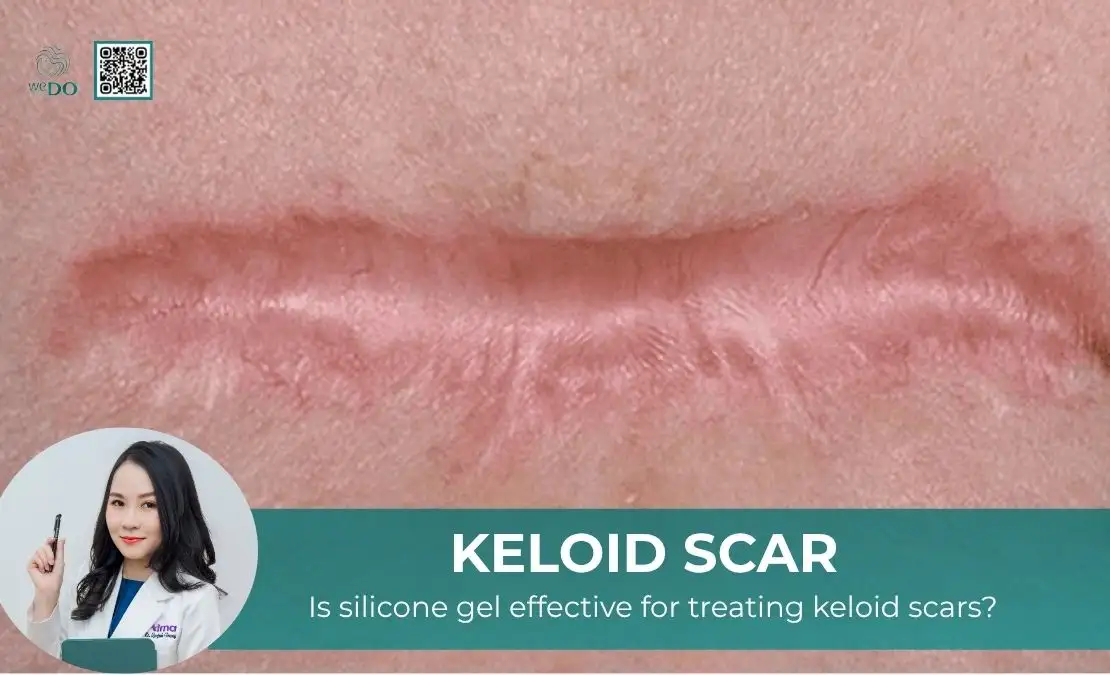
Is silicone gel effective for treating keloid scars?
Is silicone gel effective for treating keloid scars? For individuals with keloid scars, can topical treatments help flatten the scar? This is a common concern, as topical therapy is both cost-effective and non-invasive. If you are also curious, refer to the article below to find the answer. Is silicone gel effective for treating keloid scars?

What SPF level is sufficient for sunscreen?
What SPF level is sufficient for sunscreen? Does a higher SPF mean stronger and more effective sun protection? And is focusing solely on the SPF index enough to choose a suitable sunscreen for your skin? If you are also wondering about these questions, refer to the article below to find the answers. What is the
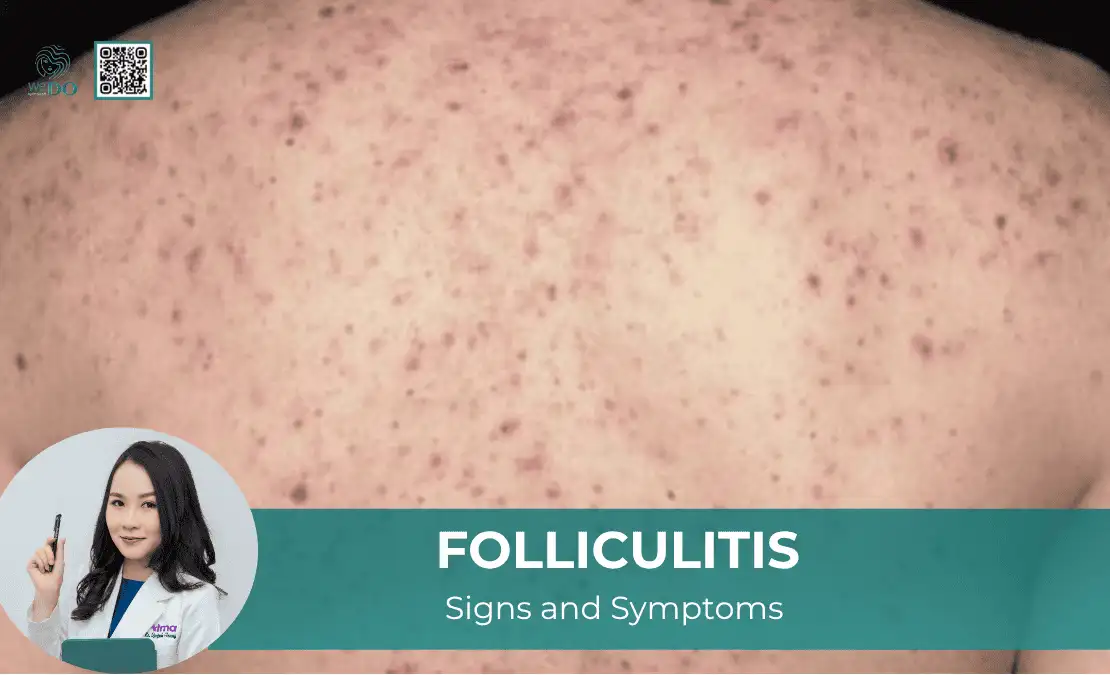
WHAT IS FOLLICULITIS AND HOW IS IT TREATED?
Folliculitis can affect anyone and may occur anywhere on the body except the palms and soles. Although it does not impact overall health, it often causes discomfort and reduces confidence due to cosmetic concerns. Without proper treatment, folliculitis tends to recur, making the skin appear less smooth. FOLLICULITIS – DEFINITION AND SIGNS AND SYMPTOMS Folliculitis
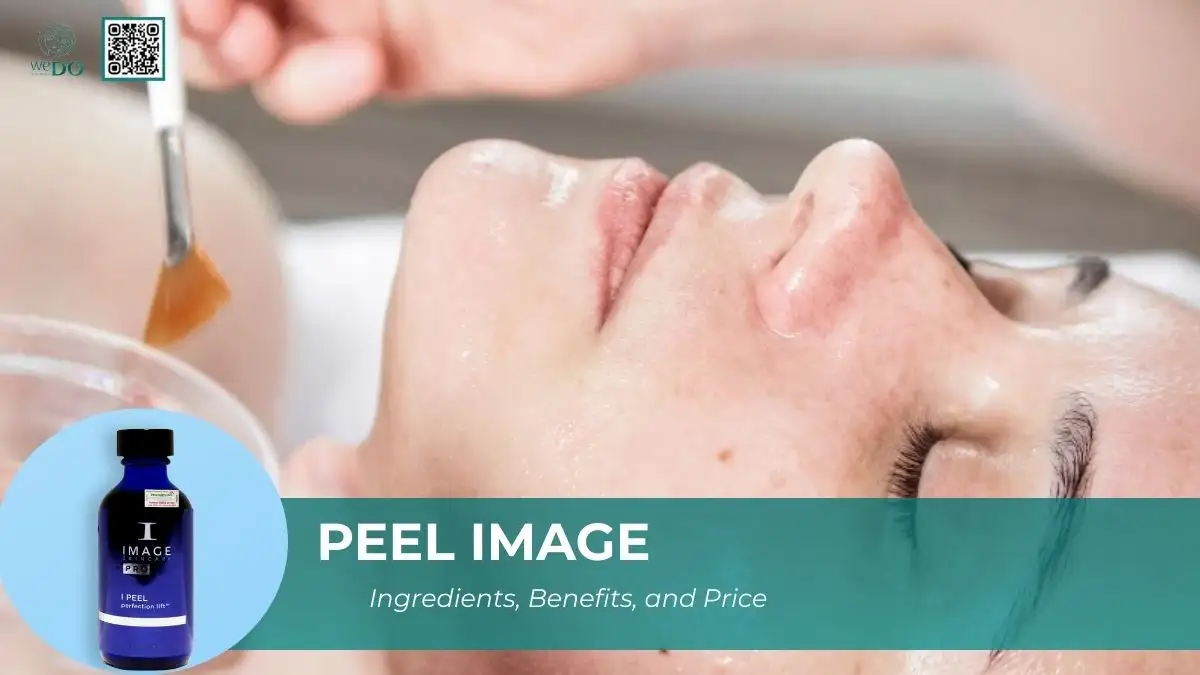
Image I Peel: Ingredients, Benefits, and Price
Peel Image (I Peel) is a familiar name among skincare enthusiasts, especially those who love chemical peels. But is this popular line really worth the hype — and what’s its price range? Let’s take a closer look. Key Ingredients of Peel Image Peel Image follows a multi-target, multi-mechanism principle — meaning it combines a variety
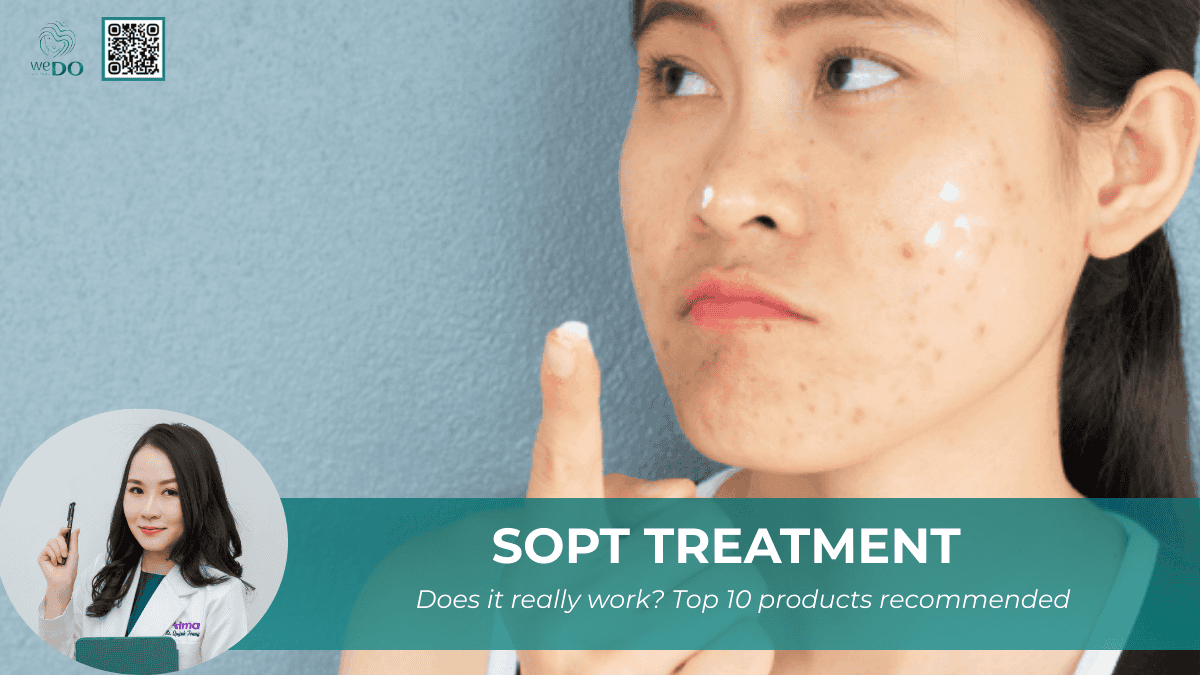
Does Acne Spot Treatment Really Work? Top 10 Products Recommended
Spot treatment is a familiar method for those dealing with acne-prone skin. It is simple, painless, affordable, and can be performed at home. The effectiveness depends largely on the active ingredients and the severity of acne. Benefits of Acne Spot Treatments Depending on their composition, different products serve distinct purposes, but generally, they work to:
Tác giả: wedo
Ngày đăng: 24/07/2025