


 VIE
VIE

Will dark scars heal on their own? How to fade dark scars effectively
CONTENT
Hyperpigmented scars are a persistent concern for many, especially women, after acne treatment or other skin procedures. Many hope these scars will fade quickly over time. Is this true? Do hyperpigmented scars fade on their own?
What Are Hyperpigmented Scars? Why Do They Form?
Hyperpigmented scars (also known as post-acne marks or post-inflammatory hyperpigmentation) are discolored marks that remain on the skin’s surface after acne or other healed skin injuries. They typically appear as light pink, reddish-brown, dark brown, or black, depending on skin tone and the severity of the initial injury. Essentially, hyperpigmented scars result from the skin producing excess melanin—the pigment that determines skin color—at the site of inflammation or injury.
Why Do Hyperpigmented Scars Form on the Skin?
Hyperpigmented scars form in the following three scenarios:
- Prolonged inflammatory response: When inflammatory acne occurs, the body triggers an inflammatory response. This process releases mediators that stimulate cells to produce excess melanin, leading to pigment deposition in the affected area after the acne heals.
- Pigment cell damage: Improper acne extraction or severe inflammation can directly damage melanin-producing cells, causing them to release or produce pigment abnormally, resulting in persistent hyperpigmented marks.
- UV exposure: Newly healed skin after acne is highly sensitive to UV rays from sunlight. UV exposure stimulates melanin production to protect the skin, making hyperpigmented marks darker and harder to fade without adequate sun protection.

Do Hyperpigmented Scars Fade on Their Own?
Hyperpigmented scars can fade over time because they involve skin discoloration due to melanin accumulation rather than permanent structural damage like pitted or keloid scars. However, they don’t always fade quickly and depend on the following factors:
- Severity of initial injury: The more severe and deep the acne inflammation, or if acne is improperly extracted, the more significant the skin damage, leading to increased melanin production and harder-to-fade marks.
- Natural skin tone: Individuals with darker skin tones are more prone to post-inflammatory hyperpigmentation, and their marks tend to be darker and harder to fade compared to those with lighter skin.
- Skin care and protection: Thorough sun protection is critical. UV rays stimulate melanin production, darkening marks, and prolonging recovery time. Using suitable skin-brightening products (e.g., vitamin C, niacinamide, arbutin) and adequate moisturizing also accelerates the fading process.
- Lifestyle and overall health: Diet, sleep, stress levels, and age also affect the skin’s regeneration and recovery capabilities.

>>> You can also explore a related topic: “Do post-acne marks fade on their own?“
The Most Effective Ways to Fade Hyperpigmented Scars Today
Although post-acne hyperpigmented scars can fade on their own, applying proper treatment methods is essential for optimal results and faster skin recovery.
Below are the most effective methods for fading long-standing scars or hyperpigmented scars that are widely used and applied:
Specialized Hyperpigmented Scar Treatment at a Reputable Dermatology Clinic
For long-standing, dark, or treatment-resistant hyperpigmented scars, professional skin-brightening treatments at dermatology clinics offer superior results:
- Chemical Peel: This method uses a higher-concentration acid solution to remove the pigmented dead skin layer, stimulating new skin regeneration, significantly fading hyperpigmentation, improving skin texture, and evening out skin tone.
- Laser and light therapies: These are the most advanced and effective methods for treating hyperpigmented scars today, including:
- Laser Toning (Q-switched Nd: YAG): These lasers emit ultra-short, powerful pulses that selectively target melanin particles, causing hyperpigmentation, breaking them into tiny fragments for the body to eliminate. This mechanism effectively fades melasma, freckles, age spots, and post-acne hyperpigmentation with minimal invasiveness, short downtime, and noticeable results after treatment.
- Alma Dye VL Technology: This advanced, intense pulsed light (IPL) technology uses a narrow wavelength range to precisely target pigments and blood vessels. It is highly effective for fading melasma, freckles, age spots, reducing post-inflammatory erythema (PIE), and improving overall skin tone, resulting in brighter and more even skin.
- Mesotherapy: This method delivers skin-brightening nutrients (e.g., vitamin C, glutathione, tranexamic acid) directly into the dermis via microinjections. Mesotherapy brightens the skin, fades hyperpigmentation from within, and quickly improves skin hydration and elasticity.
- Fractional CO2 Laser Technology: This method fades hyperpigmented scars by creating micro-thermal columns that precisely ablate skin cells containing excess melanin. Simultaneously, the heat energy strongly stimulates skin regeneration, producing new collagen and elastin, replacing old skin with healthy, pigment-free skin, significantly evening out skin tone and making it smoother and brighter.
- PTP Laser Technology: With its ability to powerfully target pigments without causing significant thermal damage, PTP Laser is an ideal choice for breaking down accumulated melanin, safely fading post-acne hyperpigmentation, and evening out skin tone.
Currently, these hyperpigmented scar treatment technologies are applied at WEDO Skin Clinic—one of the leading dermatology clinics today. With a standardized medical scar treatment process, advanced equipment, and the high expertise of Level I dermatologists, WEDO is committed to ensuring safety and delivering optimal results for clients.

At-Home Skin Care and Topical Products
For mild or early-stage hyperpigmented scars, proper skin care and the use of topical products are the most critical foundation. To fade hyperpigmented scars, follow these care methods:
- Regularly exfoliate dead skin cells to promote new skin regeneration and faster fading of hyperpigmented marks using products containing AHA or BHA at appropriate concentrations.
- Use products containing vitamin C—a powerful antioxidant that inhibits melanin production, brightens the skin, and evens out tone.
- Apply niacinamide to reduce melanin transfer to the skin’s surface, improve the skin barrier, and fade hyperpigmented marks.
- Use retinoids to accelerate cell turnover, remove pigmented dead skin cells, and promote brighter new cell production.
- Apply thorough sun protection to prevent hyperpigmented marks from darkening.
- Moisturize adequately to enhance skin recovery.
- Adopt a healthy lifestyle with proper diet and habits to support skin recovery and hyperpigmented scar fading.

Key Notes for Fading Hyperpigmented Scars
- Be patient with treatment, as hyperpigmented scars don’t disappear overnight and depend on the process.
- Use absolute sun protection during treatment.
- Avoid picking or scratching acne or hyperpigmented marks.
- Choose a treatment method suitable for your skin condition and budget.
- Prioritize skin recovery and moisturizing for healthier skin.
- Adopt a suitable diet and lifestyle, such as drinking enough water, getting adequate sleep, eating skin-friendly foods, and reducing stress.
Frequently Asked Questions About Hyperpigmented Scars
1. Do hyperpigmented scars cause itching or discomfort?
Typically, hyperpigmented scars do not cause itching or pain, but some sensitive skin types may feel slight discomfort when they first form.
2. Are hyperpigmented scars affected by daily diet?
Yes, a healthy diet rich in vitamins and antioxidants can support the fading of hyperpigmented scars, while spicy, greasy foods may slow skin recovery.
3. Can hyperpigmented scars spread to other skin areas?
No, hyperpigmented scars are discoloration marks at the site of initial injury and cannot spread to other healthy skin areas on the body.
4. Is it okay to wear makeup while having hyperpigmented scars?
You can use makeup to cover hyperpigmented scars, but ensure thorough cleansing afterward to avoid clogged pores and worsening skin conditions.
5. Where on the body can hyperpigmented scars appear?
Hyperpigmented scars can appear on any skin area affected by acne, insect bites, scratches, or burns, most commonly on the face, back, chest, and arms.
Through this article, you now know whether hyperpigmented scars fade on their own. Besides skin care, combining professional treatments at reputable dermatology clinics can shorten treatment time and effectively fade hyperpigmented scars.
WeDo District 1 – Tran Doan Khanh Street
- Hotline/Zalo/Whatsapp: 0898898875
- Address: 11 Tran Doan Khanh Street, Da Kao Ward, District 1, HCMC
WeDo District 2 – Thai Thuan Street
- Hotline/Zalo/Whatsapp: 0707196622
- Address: 17 Thai Thuan Street, An Phu Ward, Thu Duc City, HCMC
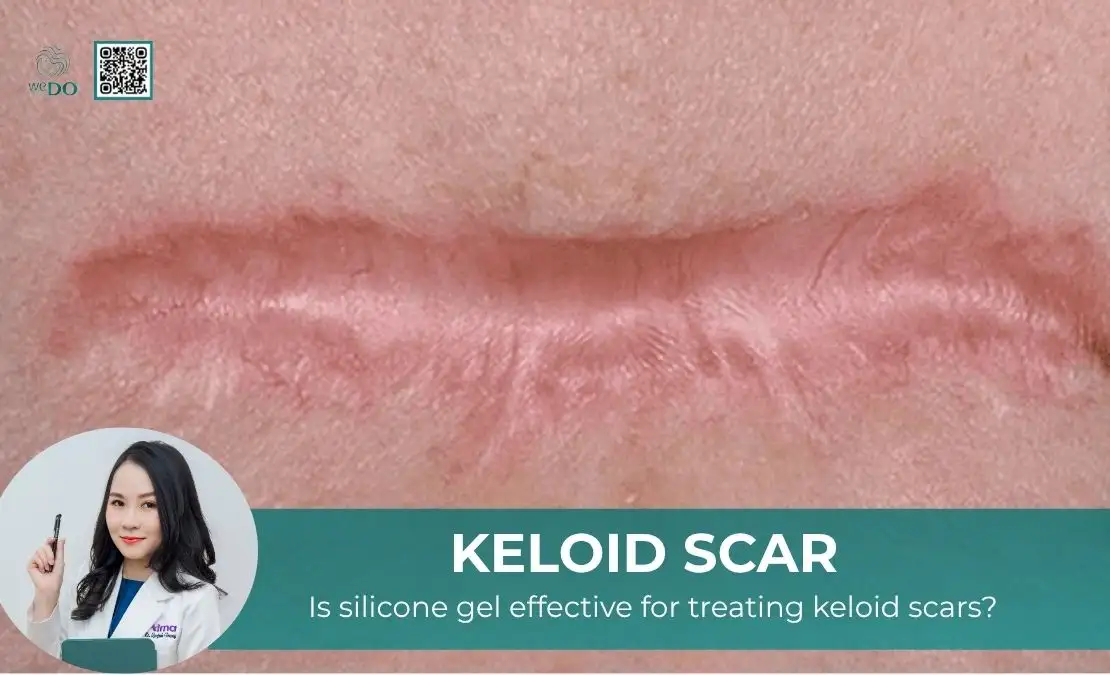
Is silicone gel effective for treating keloid scars?
Is silicone gel effective for treating keloid scars? For individuals with keloid scars, can topical treatments help flatten the scar? This is a common concern, as topical therapy is both cost-effective and non-invasive. If you are also curious, refer to the article below to find the answer. Is silicone gel effective for treating keloid scars?

What SPF level is sufficient for sunscreen?
What SPF level is sufficient for sunscreen? Does a higher SPF mean stronger and more effective sun protection? And is focusing solely on the SPF index enough to choose a suitable sunscreen for your skin? If you are also wondering about these questions, refer to the article below to find the answers. What is the
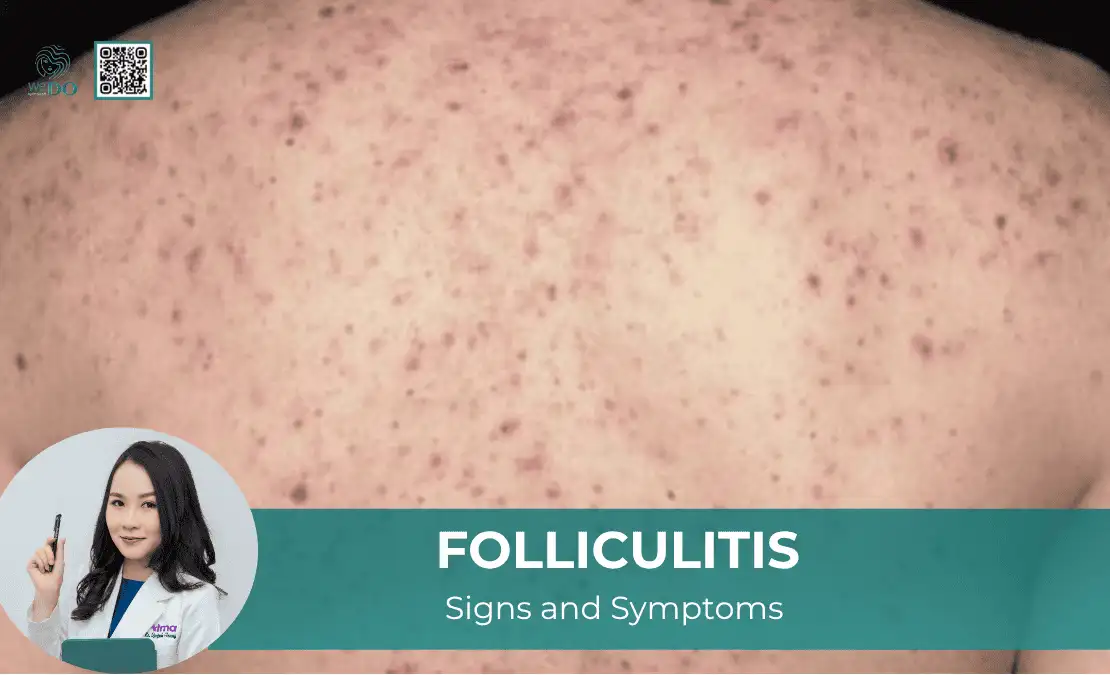
WHAT IS FOLLICULITIS AND HOW IS IT TREATED?
Folliculitis can affect anyone and may occur anywhere on the body except the palms and soles. Although it does not impact overall health, it often causes discomfort and reduces confidence due to cosmetic concerns. Without proper treatment, folliculitis tends to recur, making the skin appear less smooth. FOLLICULITIS – DEFINITION AND SIGNS AND SYMPTOMS Folliculitis
Image I Peel: Ingredients, Benefits, and Price
Peel Image (I Peel) is a familiar name among skincare enthusiasts, especially those who love chemical peels. But is this popular line really worth the hype — and what’s its price range? Let’s take a closer look. Key Ingredients of Peel Image Peel Image follows a multi-target, multi-mechanism principle — meaning it combines a variety
Does Acne Spot Treatment Really Work? Top 10 Products Recommended
Spot treatment is a familiar method for those dealing with acne-prone skin. It is simple, painless, affordable, and can be performed at home. The effectiveness depends largely on the active ingredients and the severity of acne. Benefits of Acne Spot Treatments Depending on their composition, different products serve distinct purposes, but generally, they work to:
Tác giả: wedo
Ngày đăng: 02/08/2025