


 VIE
VIE

Will acne scars go away on their own? Effective acne scar treatment methods
CONTENT
Post-acne marks are a common dermatological issue, often appearing after acne lesions have healed. While not painful, they significantly impact aesthetics and mental well-being, especially for those with skin prone to hyperpigmentation. So, do post-acne marks fade on their own? This article provides a scientific overview of their formation, natural recovery potential, and highlights effective, safe treatment methods recommended in dermatology.
What are post-acne marks? How many types are there?
Post-acne marks (post-inflammatory discoloration) are changes in skin color that remain after the inflammatory response from acne has resolved. They result from the skin’s tissue repair process and manifest in two primary clinical forms:
- Red marks (Post-Inflammatory Erythema – PIE): Red marks result from dilated capillaries under the skin due to acute inflammation, appearing as red or pale pink patches. This type is common in individuals with fair skin and sensitive capillaries.
- Brown or black marks (Post-Inflammatory Hyperpigmentation – PIH): Brown or black marks form due to increased melanin production at the site of injury. This hyperpigmentation is more persistent and prevalent in those with medium to dark skin tones (Fitzpatrick types III–VI).
The main causes of post-acne marks include:
- Prolonged or severe inflammatory responses at acne sites
- Improper mechanical actions (picking or scratching acne) that damage the basal layer of the epidermis
- Lack of UV protection, which increases melanocyte activity
- Genetic and hormonal factors that make skin more prone to post-inflammatory hyperpigmentation

Do post-acne marks fade on their own?
Natural recovery mechanism: The epidermis regenerates every 28–40 days. During this process, shedding dead skin cells gradually removes excess melanin from the epidermis. However, for deeper marks with melanin accumulation in the basal or dermal layers, specialized brightening agents like niacinamide, tranexamic acid, or medical treatments such as laser and chemical peels for acne are needed for optimal removal.
Physiologically, post-acne marks can fade over time through the natural regeneration of the epidermis and dermis. However, the recovery speed depends on several factors, including:
- Type of mark: Red marks typically fade faster than brown/black marks, as they do not involve melanin accumulation.
- Skin type and pigmentation: Darker skin tones often experience longer recovery times.
- Initial injury severity: Marks from severe inflammatory acne recover more slowly than those from milder acne, like whiteheads or blackheads.
- Skincare habits: Inadequate hydration, lack of sun protection, or use of irritating products can prolong recovery.
Key note: Without proper treatment, marks may progress to persistent hyperpigmentation or be accompanied by atrophic scars, affecting skin structure and color long-term. Therefore, proactive early treatment is the optimal solution to shorten recovery time and minimize sequelae.

Factors affecting the fading time of post-acne marks
The time for post-acne marks to fade can range from a few weeks to over a year, depending on various physiological and external factors:
- Skin type and age: Younger skin has faster epidermal cell turnover, significantly reducing fading time. Conversely, aging slows the skin renewal cycle, causing marks to persist longer.
- Previous acne condition: Deep inflammatory acne, cystic acne, or nodules are more likely to leave dark, widespread marks, requiring longer recovery.
- Skincare routine: Consistent hydration, UV protection, and safe brightening agents (e.g., niacinamide, low-concentration AHA/BHA) accelerate natural recovery.
- Treatment intervention: Early, proper treatment can significantly improve marks. Untreated marks risk becoming permanent scars or hyperpigmentation.
- Products used for treatment: Efficacy depends on active ingredient concentration, mechanism of action, skin compatibility, and usage frequency. Products containing tranexamic acid, retinoids, azelaic acid, or vitamin C derivatives are commonly used for their proven effectiveness.

Effective and safe methods for treating post-acne marks
Treating marks at home with topical products or waiting for natural fading can be time-consuming, especially for long-standing or deep marks from inflammatory acne. In many cases, advanced treatments at dermatology clinics or reputable acne treatment centers yield faster, more noticeable results.
Below are proven effective and safe therapies for post-acne marks, often tailored to skin condition and hyperpigmentation severity:
| Method | Mechanism of Action | Key Benefits | Suitable For | Important Notes |
| Laser treatment | Uses lasers with appropriate wavelengths to break down melanin pigments under the skin. | Highly effective for dark, long-standing marks. Short treatment course with visible results after a few sessions. | Individuals with deep, persistent marks from inflammatory acne. | Must be performed at reputable facilities by qualified dermatologists to avoid burns, scars, or post-inflammatory hyperpigmentation. |
| IPL pulsed light therapy | Emits a broad spectrum of light targeting melanin and hemoglobin in the skin. | Effective for red marks, minimally painful, fast recovery. Suitable for sensitive skin. | Individuals with red marks post-acne, sensitive skin. | May require more sessions than laser for dark marks. Strict sun protection is needed post-treatment. |
| Microneedling | Creates micro-injuries to stimulate skin regeneration and enhance absorption of specialized actives. | Boosts collagen, fades marks, and improves mild pitted scars. | Individuals with marks and mild pitted scars from acne. | Requires a sterile environment and skilled practitioners. Skin may be slightly red, needing post-treatment recovery care. |
| Chemical peels | Uses specialized acids to remove dead skin layers, promoting brighter, new skin. | Brightens skin, fades marks, improves texture. Cost-effective, highly effective with proper protocol. | Individuals with uneven skin tone, post-acne marks, mild acne scars. | Skin is sensitive post-peel, requiring thorough hydration and sun protection. Avoid hyperpigmentation or injury from incorrect acid concentrations. |
If you’re struggling with persistent post-acne marks, visit reputable dermatology clinics like WEDO Skin Clinic for examination and treatment.
For information on the cost of post-acne mark treatment, refer to the article how much does post-acne mark treatment cost.

Skincare tips to accelerate mark fading
A proper skincare regimen plays a crucial role in supporting skin recovery post-acne and effectively fading marks. Below are fundamental principles to maintain:
- Daily sun protection: UV rays worsen hyperpigmentation and prolong recovery time. Prioritize broad-spectrum sunscreen with SPF ≥ 50, apply adequately, and reapply every 2–3 hours with frequent sun exposure.
- Regular hydration: Moisturizing maintains a healthy skin barrier, supports cell regeneration, and evens skin tone.
- Avoid picking acne: Improper acne extraction can lead to deep inflammation, increasing the risk of severe marks or pitted scars.
- Maintain a minimal, consistent skincare routine: Overloading with products is unnecessary. A simple routine including cleansing, hydration, sun protection, and suitable brightening products often yields better results with persistence.
- Healthy diet and lifestyle: Consuming green vegetables, drinking enough water, limiting sugar and fast food, sleeping adequately, and managing stress improve skin from within.

So, do post-acne marks fade on their own? The answer is yes, but the process is often slow and influenced by factors like mark type, skin type, skincare habits, and treatment. Instead of waiting for natural recovery, you can proactively choose suitable treatments, from proper home care to advanced therapies at reputable dermatology clinics. Persistence and a scientific approach to skincare are the keys to quickly restoring healthy, radiant skin.
WeDo District 1 – Tran Doan Khanh Street
- Hotline/Zalo/Whatsapp: 0898898875
- Address: 11 Tran Doan Khanh Street, Da Kao Ward, District 1, HCMC
WeDo District 2 – Thai Thuan Street
- Hotline/Zalo/Whatsapp: 0707196622
- Address: 17 Thai Thuan Street, An Phu Ward, Thu Duc City, HCMC
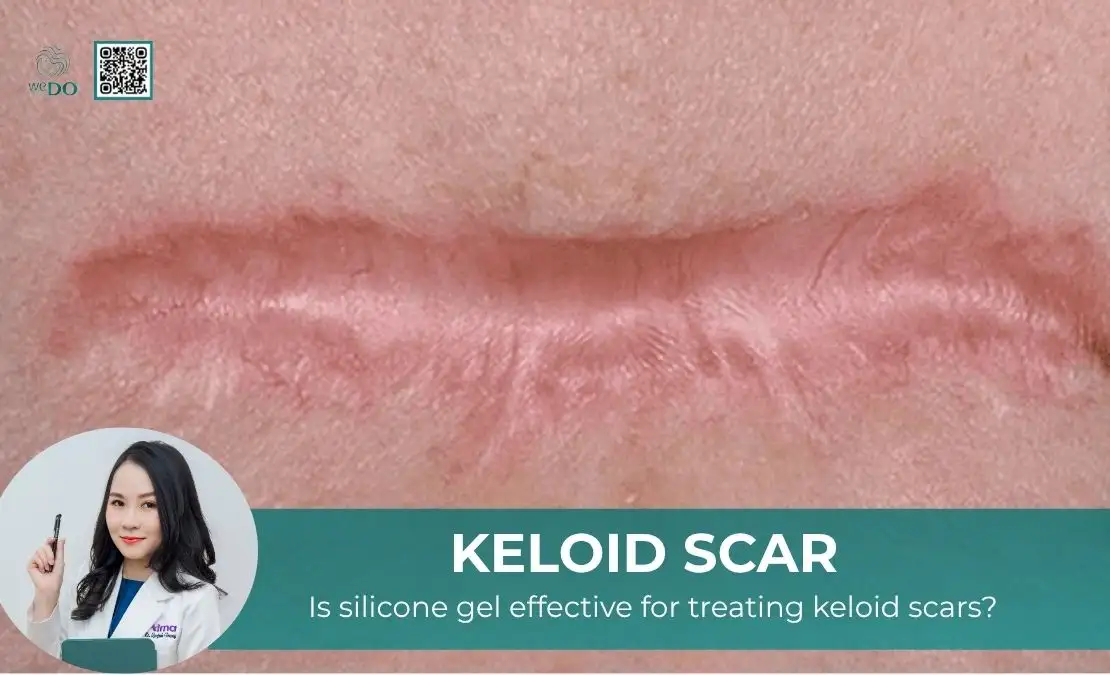
Is silicone gel effective for treating keloid scars?
Is silicone gel effective for treating keloid scars? For individuals with keloid scars, can topical treatments help flatten the scar? This is a common concern, as topical therapy is both cost-effective and non-invasive. If you are also curious, refer to the article below to find the answer. Is silicone gel effective for treating keloid scars?

What SPF level is sufficient for sunscreen?
What SPF level is sufficient for sunscreen? Does a higher SPF mean stronger and more effective sun protection? And is focusing solely on the SPF index enough to choose a suitable sunscreen for your skin? If you are also wondering about these questions, refer to the article below to find the answers. What is the
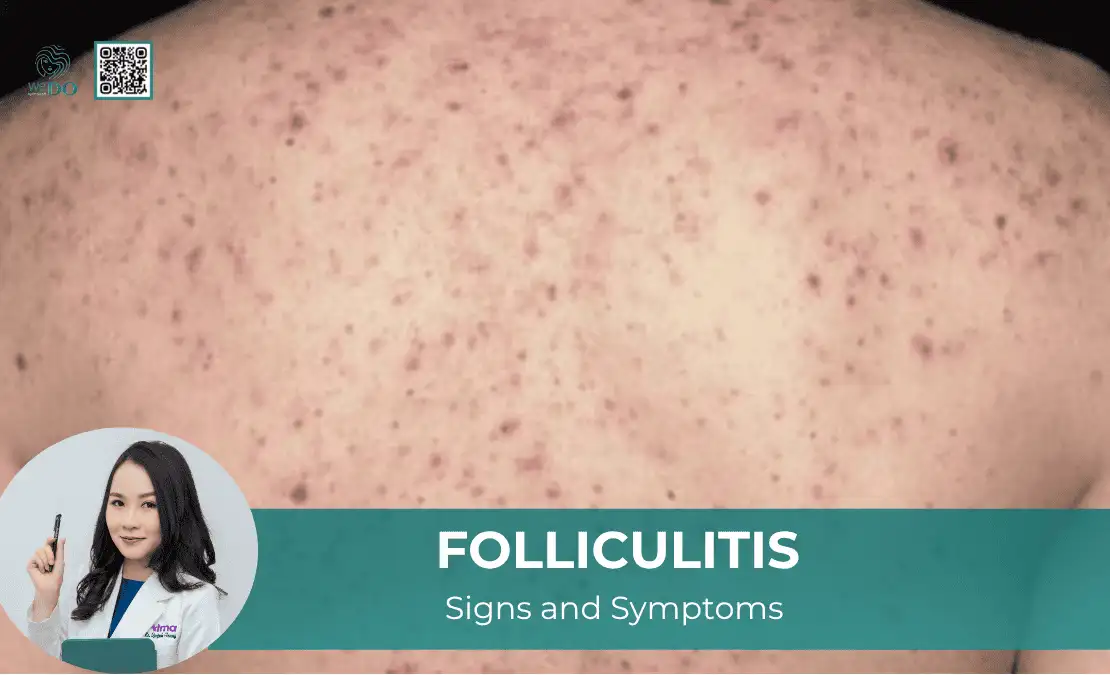
WHAT IS FOLLICULITIS AND HOW IS IT TREATED?
Folliculitis can affect anyone and may occur anywhere on the body except the palms and soles. Although it does not impact overall health, it often causes discomfort and reduces confidence due to cosmetic concerns. Without proper treatment, folliculitis tends to recur, making the skin appear less smooth. FOLLICULITIS – DEFINITION AND SIGNS AND SYMPTOMS Folliculitis
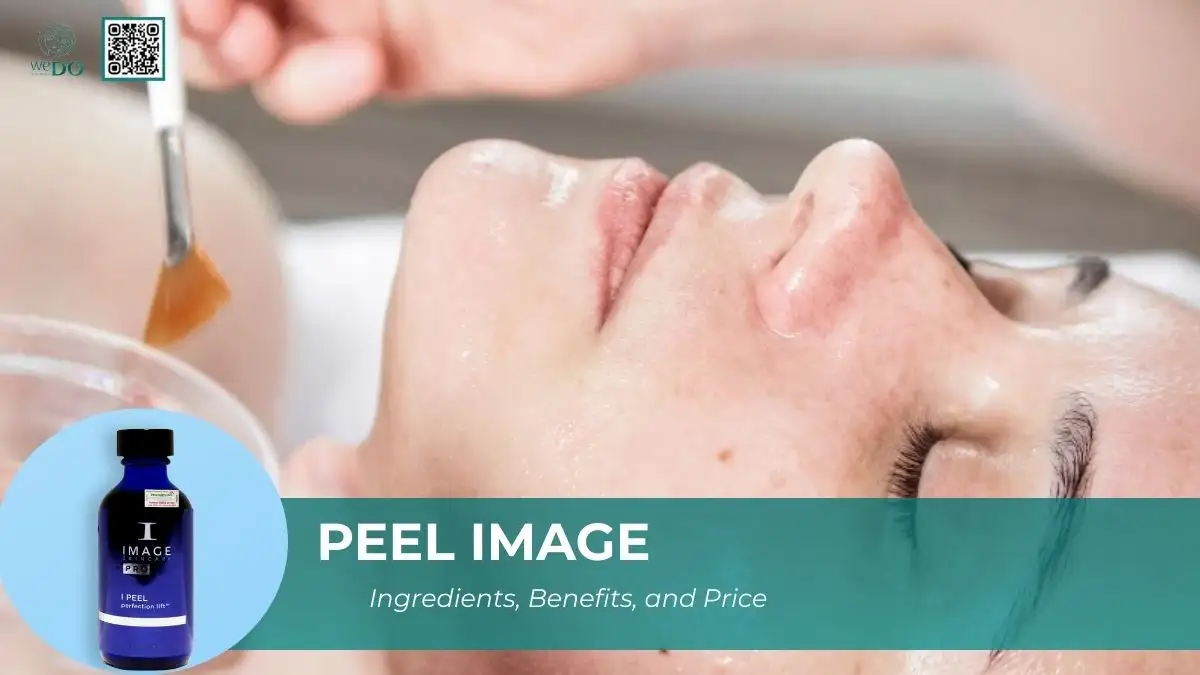
Image I Peel: Ingredients, Benefits, and Price
Peel Image (I Peel) is a familiar name among skincare enthusiasts, especially those who love chemical peels. But is this popular line really worth the hype — and what’s its price range? Let’s take a closer look. Key Ingredients of Peel Image Peel Image follows a multi-target, multi-mechanism principle — meaning it combines a variety
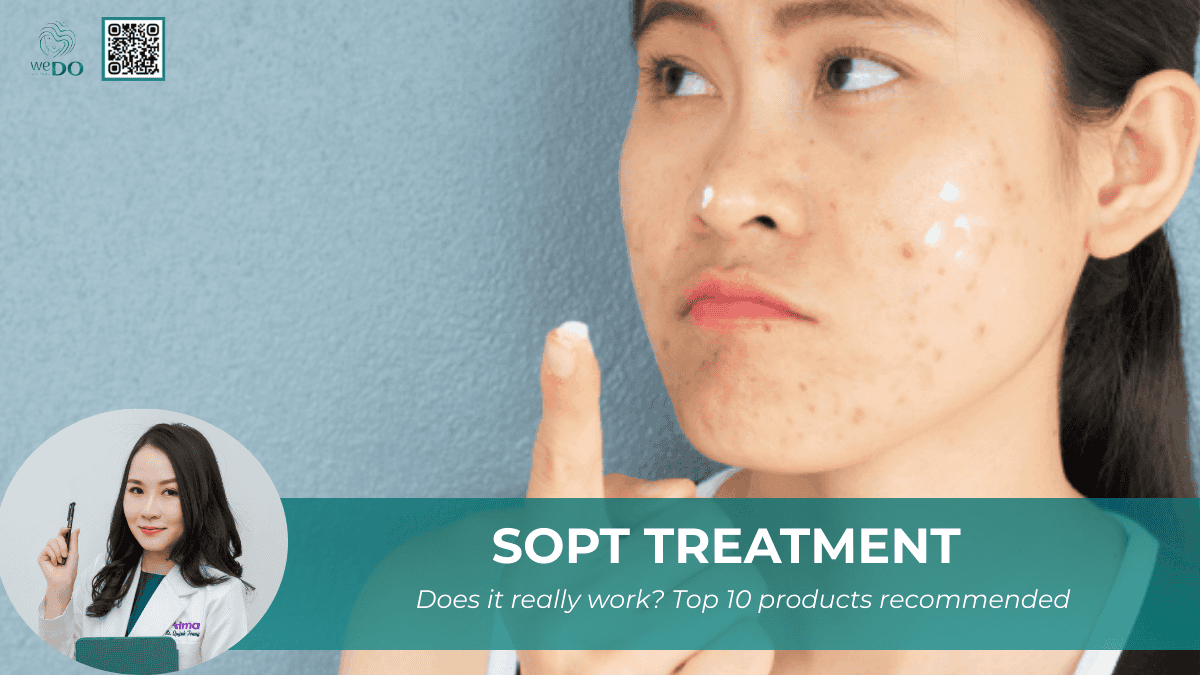
Does Acne Spot Treatment Really Work? Top 10 Products Recommended
Spot treatment is a familiar method for those dealing with acne-prone skin. It is simple, painless, affordable, and can be performed at home. The effectiveness depends largely on the active ingredients and the severity of acne. Benefits of Acne Spot Treatments Depending on their composition, different products serve distinct purposes, but generally, they work to:
Tác giả: wedo
Ngày đăng: 15/06/2025