


 VIE
VIE

WHEN SHOULD YOU GET THERMAGE?
CONTENT
Thermage has become a sought-after solution for individuals who wish to rejuvenate their skin, achieve a natural lift, and delay the signs of aging — all without undergoing invasive surgery. However, to ensure optimal results, Thermage should be performed within the most appropriate age range and under suitable conditions.
So, when should you get thermage? Let us explore the ideal candidates and important considerations in this article.
WHY CHOOSE THERMAGE?
Thermage offers an advanced, non-surgical approach to facial and body rejuvenation. It is especially suitable for those seeking visible improvement without extended downtime. Nevertheless, beyond the desire for non-invasive treatment, Thermage delivers its best results only when the following criteria are met.
AGE RANGE AND SKIN CHARACTERISTICS
-
Ideal for individuals between 30 and 60 years old.
-
Recommended for those with early signs of aging, such as fine lines, skin laxity, decreased firmness, or mild fat accumulation.
-
Highly effective for more advanced skin aging, including crow’s feet, deep wrinkles, or uneven, dimpled texture.

AREAS OF TREATMENT
Thermage is versatile and may be applied to multiple areas of the face and body:
-
Face: lifting facial contours, reducing double chin, smoothing forehead lines, softening nasolabial folds, improving eye bags and dark circles.
-
Neck: tightening loose skin, reducing sagging, and addressing excess fat.
-
Body: abdomen, thighs, buttocks, arms, and legs.
CONTRAINDICATIONS
Despite its safety profile and the use of monopolar RF energy, Thermage is not appropriate for all patients. Contraindications include:
-
Skin that is excessively thin or overly sensitive to heat.
-
Active dermatological conditions in the intended treatment area (these should be addressed before considering Thermage).
-
Pregnancy or breastfeeding, during which advanced skin rejuvenation treatments are not recommended for safety reasons.
SAFE AND PROFESSIONAL THERMAGE PROCEDURE AT WEDO SKIN CLINIC
At WeDo Skin Clinic, Thermage treatments are conducted by board-certified dermatologists with many years of clinical experience and both domestic and international credentials. The procedure is performed using FDA-approved technology and strictly adheres to global safety standards. All instruments are thoroughly sterilized after each use to eliminate the risk of cross-contamination.
The Thermage procedure follows a structured protocol:
Step 1: Skin Imaging and Assessment
A comprehensive consultation is performed, including high-resolution skin analysis to evaluate elasticity, wrinkles, and early signs of aging. This allows the dermatologist to design a treatment plan tailored to the individual’s condition.
Step 2: Personalized Treatment Plan
Based on the assessment, the physician will recommend a customized approach that may include Thermage alone or in combination with other therapies, ensuring safe and effective rejuvenation.
Step 3: Skin Cleansing and Preparation
The skin is carefully cleansed to remove impurities and makeup. A topical anesthetic is applied to minimize discomfort during the procedure.

Step 4: Application of Conductive Gel
A specialized gel is applied to facilitate the even delivery of RF energy into the dermis, stimulating collagen and elastin production.
Step 5: Thermage Treatment
The treatment handpiece is gently moved across the skin while delivering controlled RF energy. The process is carefully monitored by the physician to ensure safety, comfort, and optimal results. Patients generally experience only a mild warming sensation without significant discomfort.
Step 6: Post-Treatment Care
After treatment, the gel is removed and soothing products such as moisturizer and sunscreen are applied. Patients may resume daily activities immediately with no downtime required.
Step 7: Aftercare Guidance
To maintain and optimize results, dermatologists provide clear instructions for at-home skincare. Patients are also supported through dedicated online follow-up channels for ongoing professional advice and monitoring.
CONCLUSION
Thermage is a highly effective solution for skin rejuvenation and natural lifting without surgery. The most suitable age range is generally between 30 and 60 years, when visible signs of skin aging become apparent. However, as not all individuals are candidates for this procedure, consultation with a qualified dermatologist is essential before making a decision.
Choosing the right timing and a trusted medical provider will ensure results that are not only aesthetically satisfying but also safe and long-lasting.
FREQUENTLY ASKED QUESTIONS
1. What should be avoided before Thermage?
-
Retinol, AHA/BHA products.
-
Anti-inflammatory or blood-thinning medications.
-
Strong chemical-based cosmetics, alcohol, and caffeine.
-
Contact lenses, jewelry, or metal implants in the treatment area.
-
Other skin procedures (e.g., laser, microneedling) in the short term prior to treatment.
-
Makeup or skincare application immediately before the procedure.
2. Can Thermage replace a surgical facelift?
No. While Thermage effectively tightens and firms the skin, it cannot completely replace surgical lifting. It may, however, serve as a temporary or less invasive alternative depending on the patient’s condition.
3. How should skin be cared for after Thermage?
-
First 48 hours: focus on soothing and hydrating.
-
Within 1 week: use skin-repairing products and maintain protection against environmental stressors.
-
After 2 weeks: return to normal skincare, with consistent sun protection at all times.
The procedure is well-tolerated. With the use of numbing agents, most patients report only mild warmth or tingling sensations.
5. Is there downtime after Thermage?
No. Thermage is non-invasive and requires no recovery period. Patients can resume daily routines immediately.

About Morpheus8 – The Rejuvenation Device Highly Sought After by Celebrities
There is a rejuvenation device that has successfully won over some of the world’s top celebrities. It is Morpheus8 – an advanced RF microneedling technology, honored to rank among the top two most popular aesthetic technologies worldwide. If you are still unfamiliar with this device and technology, explore the article below so you do not

Skintag & Mole removal: What method is good?
Skin tags and moles are common skin concerns that many people choose to remove for cosmetic reasons or personal comfort. Skin tags usually appear as small raised bumps that make the skin surface look uneven, while moles often develop when pigment cells cluster in one area instead of being distributed evenly across the skin. Sun
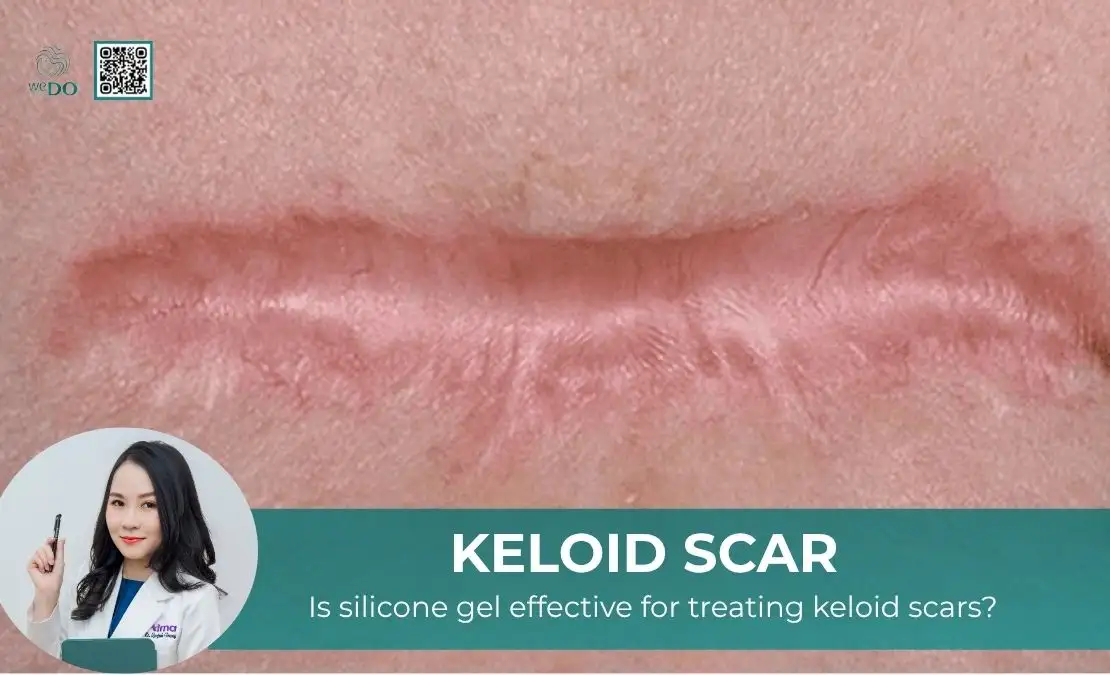
Is silicone gel effective for treating keloid scars?
Is silicone gel effective for treating keloid scars? For individuals with keloid scars, can topical treatments help flatten the scar? This is a common concern, as topical therapy is both cost-effective and non-invasive. If you are also curious, refer to the article below to find the answer. Is silicone gel effective for treating keloid scars?

What SPF level is sufficient for sunscreen?
What SPF level is sufficient for sunscreen? Does a higher SPF mean stronger and more effective sun protection? And is focusing solely on the SPF index enough to choose a suitable sunscreen for your skin? If you are also wondering about these questions, refer to the article below to find the answers. What is the
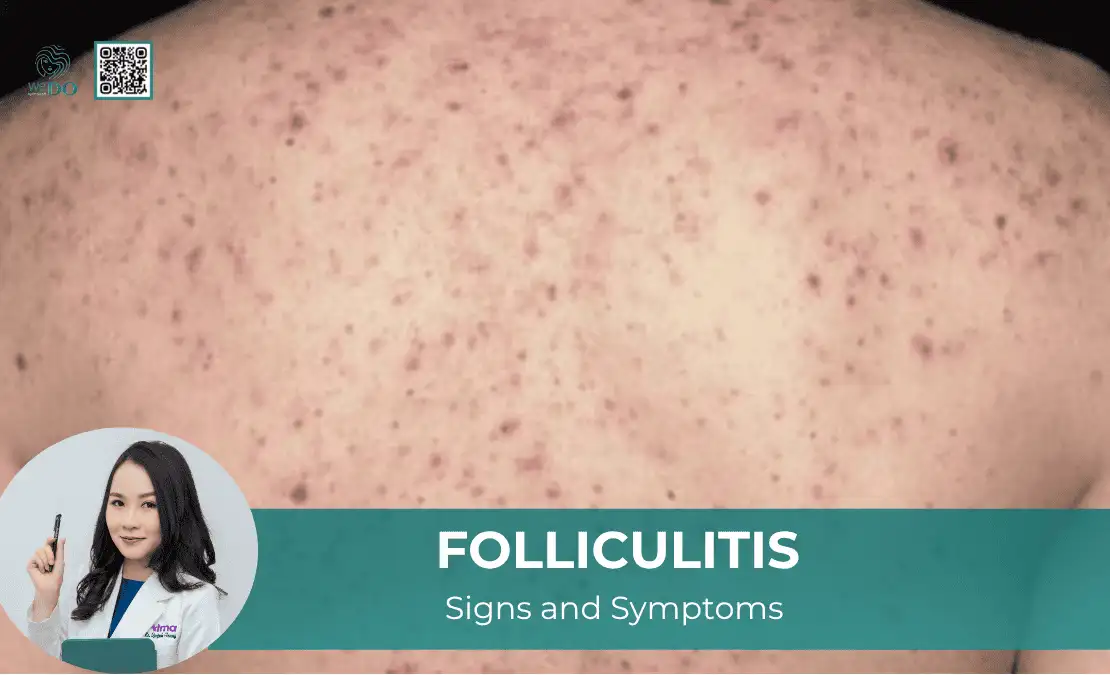
WHAT IS FOLLICULITIS AND HOW IS IT TREATED?
Folliculitis can affect anyone and may occur anywhere on the body except the palms and soles. Although it does not impact overall health, it often causes discomfort and reduces confidence due to cosmetic concerns. Without proper treatment, folliculitis tends to recur, making the skin appear less smooth. FOLLICULITIS – DEFINITION AND SIGNS AND SYMPTOMS Folliculitis
Tác giả: Huong Giang
Ngày đăng: 04/10/2025