


 VIE
VIE

Tips for skin care after Thermage to maintain optimal results
CONTENT
Thermage technology works by generating deep heat in the dermis and subcutaneous layers, stimulating collagen production and restructuring elastin. Therefore, this method is non-invasive and safe for most skin types. However, post-treatment skin still requires proper care to optimize biological responses within the skin. Post-Thermage skin care is a crucial step, helping to shorten recovery time while supporting prolonged lifting effects, improving elasticity, and visibly smoothing the skin.
Skin Recovery Stages After Thermage and Changes to Note
The skin recovery process after Thermage can be divided into three stages, corresponding to microscopic changes in skin structure:
- Stage 1 – Immediate Response (0-48 hours post-treatment): Within the first 24-48 hours, clients may notice mild redness, warmth, or tightness in the treated area. This is a normal physiological response, reflecting the skin’s reaction to deep heat energy. No special treatment is needed if symptoms are mild, but avoid factors that increase skin temperature, such as saunas, intense exercise, or high-potency skincare products.
- Stage 2 – Tissue Regeneration (3-14 days): From day 3 onward, the reorganization of collagen and elastin fibers begins to intensify. You may feel firmer skin and noticeable texture improvement, though aesthetic results are not yet at their peak. This stage requires intensive moisturizing, thorough sun protection, and avoiding invasive procedures.
- Stage 3 – Consolidation and Maintenance (Week 2 to Month 6): Thermage’s effects are most evident from week 4 to months 3-6, when new collagen is fully synthesized and reorganized. To maintain these results sustainably, maintain a consistent skincare routine, supplemented with foods rich in protein, vitamin C, zinc, and collagen peptides.

Goals of Post-Thermage Skin Care
Post-treatment care for Thermage is not just about skincare; it’s also a biological intervention process targeting four main goals:
Minimizing Skin Inflammation and Discomfort
Some individuals with sensitive skin may experience mild sensitivity or acute inflammation. In such cases, experts recommend:
- Use a gentle, sulfate-free cleanser.
- Avoid massaging the treated area for the first 48 hours.
- Use sterile mist and soothing gels containing panthenol, allantoin, or centella asiatica extract to calm the skin.
Optimizing Collagen and Elastin Regeneration
Collagen requires a stable environment for synthesis. Therefore, avoid using high-potency AHA, BHA, or retinol for at least the first week, and instead:
- Incorporate serums with peptides, vitamin C in LAA or SAP form (low concentration).
- Maintain hydration with ceramide or low-molecular-weight hyaluronic acid-based moisturizers.
Maintaining and Prolonging Lifting and Skin Rejuvenation Effects
Thermage achieves maximum results when combined with proactive care by:
- Applying broad-spectrum sunscreen (SPF 50+, PA+++) daily, even indoors.
- Eating a healthy diet, avoiding refined sugars, and inflammatory foods.
- Performing gentle facial massages (as guided by specialists) starting from week 2.
Preventing Potential Complications
Post-inflammatory pigmentation or folliculitis is rare but possible if care is improper. Experts recommend:
- Avoid direct sun exposure for the first 7-10 days.
- Avoid products with fragrances, drying alcohol, or parabens.
- Refrain from physical exfoliation or chemical peels until approved by a specialist.

Detailed Post-Thermage Skin Care Tips by Stage
After undergoing Thermage for lifting and rejuvenation, the skin enters a phase of microscopic regeneration and recovery. Proper care at each stage is key to instantly soothing the skin while ensuring maximum and long-lasting rejuvenation effects.
Immediately After Thermage (0-48 Hours)
In the first 48 hours, the skin may experience mild physiological reactions such as redness, tightness, warmth, or slight swelling. These are normal responses to deep heat energy and are not a cause for concern.
What to Do During This Stage:
- Soothe the skin with sterile mist or gels containing panthenol, centella asiatica, or aloe vera.
- Use a gentle, pH-neutral, non-foaming cleanser.
- Apply a moisturizer with ceramide or hyaluronic acid to maintain skin hydration.
What to Avoid During This Stage:
- Washing the face with hot water or using saunas.
- Applying makeup or products containing alcohol, fragrances, retinoids, or high-potency vitamin C.
- Physical manipulation of the skin, such as rubbing, massaging, or exfoliating.
Within 1 Week After Thermage
This is the stage when collagen production begins, and the skin’s supportive tissues start reorganizing. The skin feels smoother, but it remains sensitive to external factors.
What to Do:
- Maintain twice-daily moisturizing with specialized recovery creams.
- Start using broad-spectrum SPF 50+ sunscreen, even indoors, and avoid direct sunlight.
- Supplement with foods rich in vitamin C, zinc, and collagen peptides to support internal skin regeneration.
What to Avoid:
- Using AHA/BHA, retinol, or chemical peel masks.
- Undergoing other invasive treatments like microneedling, laser, or peels within 7-10 days.
- Late nights, stress, or smoking negatively impact collagen production.
From 2 Weeks Onward After Thermage
From week 2, the skin enters a stabilization phase and continues collagen restructuring. At this point, lifting and tightening effects become increasingly noticeable. You can adjust your skincare routine to a more intensive level, depending on your skin type and needs.
What to Do:
- Incorporate serums with peptides, SAP, or MAP vitamin C to even skin tone and enhance brightness.
- Perform gentle lifting massages as guided by specialists, if recommended.
- Maintain daily sunscreen application as an essential step in all stages.
What to Avoid:
- Using retinol or strong actives without specialist guidance.
- Trying new, untested products that may irritate this sensitive phase.

Products to Use and Avoid After Thermage
Choosing suitable products is key to rapid skin recovery, even tone, and long-lasting rejuvenation effects after Thermage. Recommended products include:
- Gentle, sulfate-free cleansers (preferably gel or milk-based).
- Recovery creams with ceramide, panthenol, niacinamide, or madecassoside.
- Sterile or mineral-rich mists.
- Physical sunscreens with zinc oxide and titanium dioxide minimize chemical ingredients.
- Regenerative serums with peptides, hyaluronic acid, or stable vitamin C (SAP or MAP).
Avoid the following product groups to prevent irritation or damage:
- Physical exfoliants (scrubs, massage beads) may cause inflammation or abrasions.
- Products with drying alcohol, synthetic fragrances, or parabens.
- Retinol, tretinoin, AHA/BHA (resume only after at least 2 weeks with specific guidance).
- Clay masks or chemical peels that cause dryness, dehydration, or irritation.

Common Questions About Post-Thermage Skin Care
Below are answers to some frequently asked questions about post-Thermage skin care:
Is there anything to avoid after Thermage?
After Thermage, the skin needs rest and recovery, so avoid direct sunlight, strong actives like AHA, BHA, or retinol, and other invasive treatments for the first few weeks.
How long does redness last after Thermage?
Redness, warmth, or slight swelling is normal post-Thermage and typically subsides within 24-72 hours, depending on individual skin types. If discomfort persists or worsens, consult a specialist.
Can I wear makeup after Thermage?
Avoid makeup for at least 24-48 hours post-Thermage to prevent clogged pores or irritation. Once the skin stabilizes, you can resume makeup using fragrance-free, non-alcoholic, preferably mineral-based products.
When can I resume other skincare treatments after Thermage?
Treatments like microneedling, laser, chemical peels, or facial steaming should be delayed for at least 2-4 weeks post-Thermage, depending on skin condition and specialist guidance, to optimize rejuvenation and minimize side effects.
What to do if the skin feels tight or dry after Thermage?
Mild tightness or dryness is common due to deep heat affecting the dermis. Use moisturizers rich in ceramide, hyaluronic acid, or panthenol, combine with mist, and stay hydrated. Avoid alcohol-based or harsh cleansing products to protect the skin barrier.
Are special products needed after Thermage?
Post-Thermage, prioritize recovery-supporting products like moisturizing creams, peptide serums, physical sunscreens, and avoid irritating actives for the first few weeks. Suitable products enhance skin structure and collagen production.
When should I follow up after Thermage?
Typically, a follow-up visit is recommended after about 2 weeks for the doctor to assess recovery and initial results. In some cases, earlier follow-ups may be scheduled if the skin shows specific reactions requiring close monitoring.
The post-Thermage skin care step is critical, directly impacting the quality and longevity of treatment results. With proper understanding, sufficient care, and consistent effort, your skin will not only recover healthily but also continue to improve in radiance and elasticity over time. Stay tuned for more in-depth articles to ensure a safe and optimal post-Thermage skincare routine.
WeDo District 1 – Tran Doan Khanh Street
- Hotline/Zalo/Whatsapp: 0898898875
- Address: 11 Tran Doan Khanh Street, Da Kao Ward, District 1, HCMC
WeDo District 2 – Thai Thuan Street
- Hotline/Zalo/Whatsapp: 0707196622
- Address: 17 Thai Thuan Street, An Phu Ward, Thu Duc City, HCMC
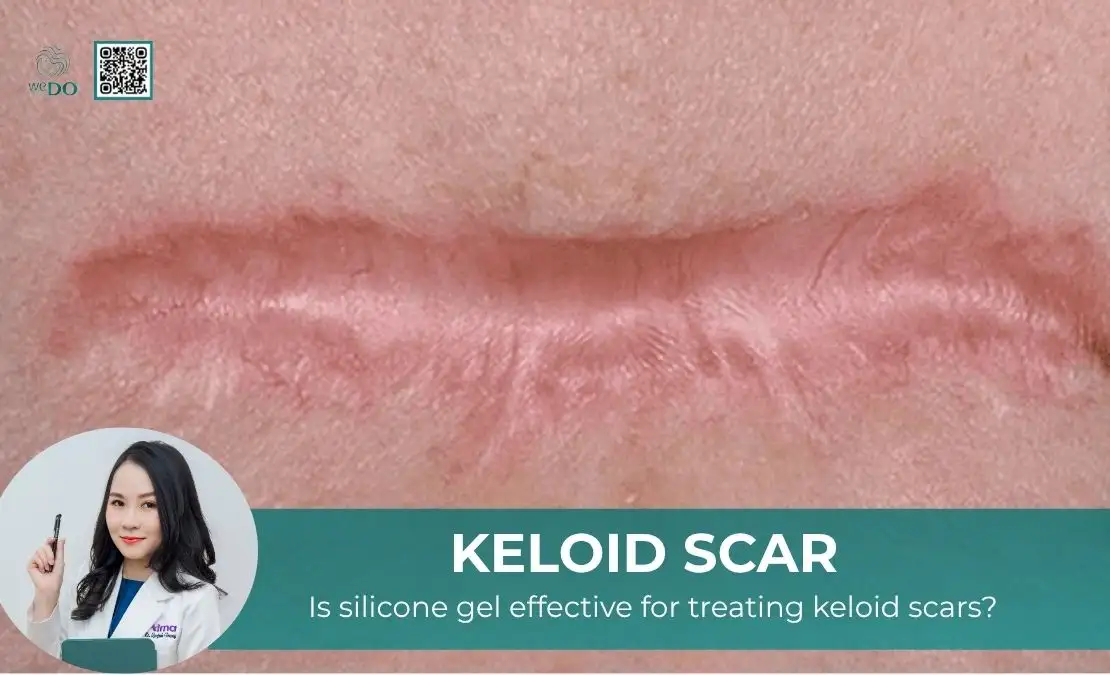
Is silicone gel effective for treating keloid scars?
Is silicone gel effective for treating keloid scars? For individuals with keloid scars, can topical treatments help flatten the scar? This is a common concern, as topical therapy is both cost-effective and non-invasive. If you are also curious, refer to the article below to find the answer. Is silicone gel effective for treating keloid scars?

What SPF level is sufficient for sunscreen?
What SPF level is sufficient for sunscreen? Does a higher SPF mean stronger and more effective sun protection? And is focusing solely on the SPF index enough to choose a suitable sunscreen for your skin? If you are also wondering about these questions, refer to the article below to find the answers. What is the
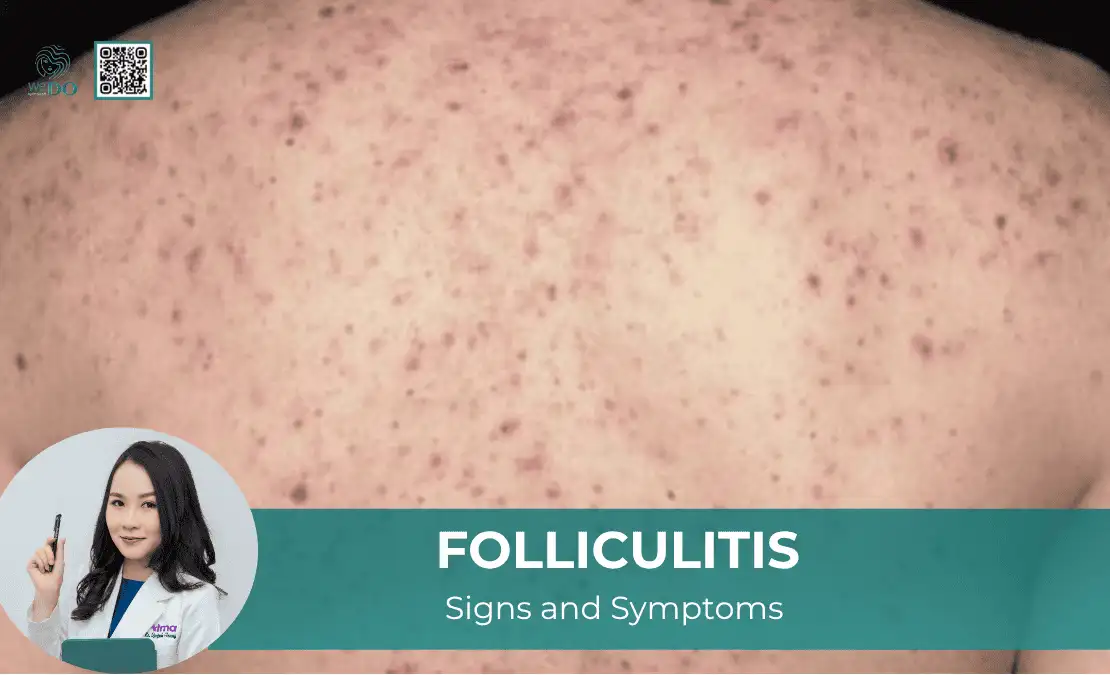
WHAT IS FOLLICULITIS AND HOW IS IT TREATED?
Folliculitis can affect anyone and may occur anywhere on the body except the palms and soles. Although it does not impact overall health, it often causes discomfort and reduces confidence due to cosmetic concerns. Without proper treatment, folliculitis tends to recur, making the skin appear less smooth. FOLLICULITIS – DEFINITION AND SIGNS AND SYMPTOMS Folliculitis
Image I Peel: Ingredients, Benefits, and Price
Peel Image (I Peel) is a familiar name among skincare enthusiasts, especially those who love chemical peels. But is this popular line really worth the hype — and what’s its price range? Let’s take a closer look. Key Ingredients of Peel Image Peel Image follows a multi-target, multi-mechanism principle — meaning it combines a variety
Does Acne Spot Treatment Really Work? Top 10 Products Recommended
Spot treatment is a familiar method for those dealing with acne-prone skin. It is simple, painless, affordable, and can be performed at home. The effectiveness depends largely on the active ingredients and the severity of acne. Benefits of Acne Spot Treatments Depending on their composition, different products serve distinct purposes, but generally, they work to:
Tác giả: wedo
Ngày đăng: 19/05/2025