


 VIE
VIE

Signs That Indicate You Need a Face lift
CONTENT
Aging, stress, or unhealthy lifestyle habits can cause your skin to deteriorate quickly. But how do you know when it’s time for a face lift? This article will highlight the signs that indicate you need a face lift, helping you identify timely solutions for rejuvenation and regain your confidence.
What Is a Face lift?
A face lift is an aesthetic procedure designed to restore the skin’s natural firmness and elasticity by directly targeting the underlying supportive tissue structure. As collagen and elastin decrease over time, the skin becomes loose, saggy, and prone to wrinkles, while facial contours lose their sharpness. Face lift treatments address this condition, bringing back a youthful, sculpted look without necessarily requiring surgery.
Signs That Indicate You Need a Face lift
If you notice any of the following changes in your face, it may be the right time to consider a face lift:
Sagging, Loose Skin: One of the clearest signs of aging is sagging skin, especially around the cheeks, chin, and neck. With the decline of collagen and elastin, the skin loses its natural support, making the face appear heavier and less defined. This is also a major reason why many people look older than their actual age.
Prominent Wrinkles: Wrinkles become more visible over time—from fine lines around the eyes to deep folds on the forehead and around the mouth. While they may have once appeared only when smiling, these wrinkles may now persist even when the face is at rest. This not only affects appearance but also makes the face look tired and lifeless.
Blurred Facial Contours: As the skin sags, facial contours – especially the V-line shape—gradually fade. The face may look squarer and less refined, with fat deposits or a double chin developing. This is one of the leading reasons people seek face lift solutions.

Popular Face lift Methods Today
With increasing demand for skin rejuvenation and enhancement, many face lift techniques have emerged, each with different mechanisms and results. From non-invasive treatments like HIFU and Thermage to minimally invasive solutions, each technology has unique benefits tailored to different skin conditions and aesthetic needs. Understanding today’s popular face lift methods will help you choose the most suitable option for restoring youthfulness.
HIFU UTIMS A3 Face lift
Among current non-invasive face lift technologies, HIFU UTIMS A3 is considered a pioneering solution at WEDO. This technology applies High-Intensity Focused Ultrasound (HIFU) to precisely target the superficial musculoaponeurotic system (SMAS)—the supportive skin structure that previously only surgery could reach. Concentrated ultrasound energy creates thermal points deep beneath the skin, contracting old collagen and triggering the production of new collagen and elastin. As a result, HIFU delivers a naturally firm, sculpted face with clearer contours, all without lengthy downtime.
Thermage FLX Face lift
While HIFU excels in targeting the SMAS layer, Thermage FLX wins patients over with its ability to improve collagen comprehensively. Using monopolar radiofrequency (RF) waves, Thermage FLX transmits heat up to 4.3 mm deep, powerfully stimulating both the dermis and subcutaneous tissue. Immediately after treatment, loose collagen fibers tighten, and the regeneration of new collagen continues for months. For this reason, Thermage FLX is an ideal option for those seeking to correct sagging skin and prominent wrinkles in the jawline, neck, or eye area with just one session.
Ultherapy Face lift
Ultherapy is a non-surgical face lift and rejuvenation method that uses Micro-Focused Ultrasound (MFU) combined with real-time ultrasound imaging. It is the only FDA-approved technology proven to target the SMAS layer—the same tissue traditionally addressed only by surgical face lifts.
By lifting and stimulating natural collagen regeneration, Ultherapy improves sagging skin, reduces wrinkles, and enhances facial contours, delivering a younger look without surgery or long recovery times.

Important Notes Before and After a Face lift
Careful preparation before treatment and proper aftercare play a crucial role in determining results. These factors directly affect effectiveness, longevity, and the minimization of complications.
Before a Face lift
Choose a highly skilled doctor: Face lifts—especially invasive ones—require expertise and experience. A qualified doctor ensures safety and maximizes results.
Find the right method: With many face lift technologies available today, it’s important to research pros and cons carefully and select the best option for your skin condition and goals.
Attend an in-depth consultation: Share your expectations clearly during consultation sessions so the doctor can design an optimal treatment plan.
Review before-and-after photos: Seeing real patient results can help set realistic expectations.
After a Face lift
Monitor recovery time: Recovery varies depending on the method and your health. Always follow your doctor’s instructions to ensure smooth healing.
Practice proper skincare: After treatment, cleanse, moisturize, and protect your skin correctly. Contact your doctor immediately if you notice unusual symptoms.
Maintain a healthy lifestyle: Minimize sun exposure, maintain a stable weight, eat well, and get adequate rest to extend your face lift results.

Conclusion
Face lifts are a safe and effective rejuvenation solution for anyone looking to combat aging without surgery. Depending on your needs and the severity of sagging, you can select the most suitable method for your situation.
Related Articles
- Thermage FLX Skin Rejuvenation – The Secret to Firm and Youthful Skin
- How Much Does a Facial Rejuvenation Treatment Cost? The Best Methods Today
- How long does it take to see results with Ultherapy skin rejuvenation technology?
- Hifu skin rejuvenation in Ho Chi Minh City: Where is the reputable address?
Frequently Asked Questions About Face lifts
1. Is a face lift painful?
During treatment, patients may feel slight tingling or tightness in the treated area. These sensations are tolerable and usually subside after the session.
2. Do I need downtime after a face lift?
For non-invasive methods like HIFU, Ultherapy, and Thermage, you can resume normal activities immediately. For thread lifts or surgery, recovery may take several days to weeks.
3. Who is suitable for a face lift?
Typically, individuals aged 30 and older showing signs of sagging skin, wrinkles, or loss of firmness. Younger patients with premature aging due to stress, sun exposure, or environment can also consider treatment.
4. Are there risks or side effects?
When performed by skilled doctors at reputable clinics, most face lift methods are safe. Minor side effects such as redness, mild swelling, or tightness may occur but usually disappear within 1–2 days.
5. Does a face lift change facial structure?
Non-invasive methods like Ultherapy, Thermage, and HIFU only enhance skin firmness and natural contours. They do not alter bone structure or facial shape.

About Morpheus8 – The Rejuvenation Device Highly Sought After by Celebrities
There is a rejuvenation device that has successfully won over some of the world’s top celebrities. It is Morpheus8 – an advanced RF microneedling technology, honored to rank among the top two most popular aesthetic technologies worldwide. If you are still unfamiliar with this device and technology, explore the article below so you do not

Skintag & Mole removal: What method is good?
Skin tags and moles are common skin concerns that many people choose to remove for cosmetic reasons or personal comfort. Skin tags usually appear as small raised bumps that make the skin surface look uneven, while moles often develop when pigment cells cluster in one area instead of being distributed evenly across the skin. Sun
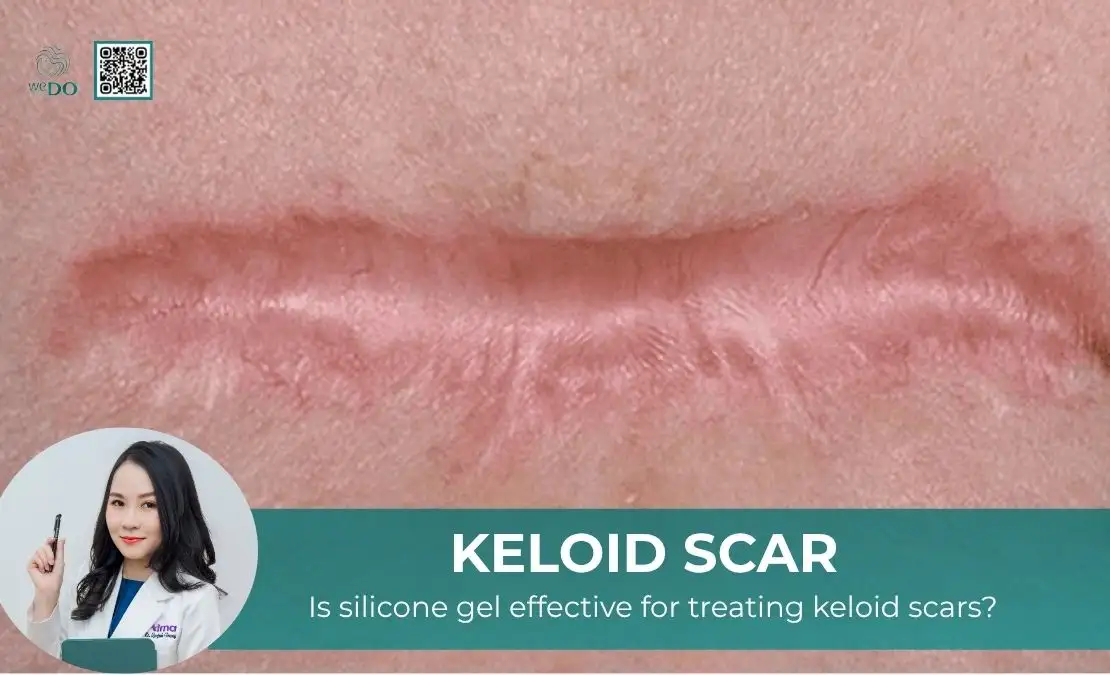
Is silicone gel effective for treating keloid scars?
Is silicone gel effective for treating keloid scars? For individuals with keloid scars, can topical treatments help flatten the scar? This is a common concern, as topical therapy is both cost-effective and non-invasive. If you are also curious, refer to the article below to find the answer. Is silicone gel effective for treating keloid scars?

What SPF level is sufficient for sunscreen?
What SPF level is sufficient for sunscreen? Does a higher SPF mean stronger and more effective sun protection? And is focusing solely on the SPF index enough to choose a suitable sunscreen for your skin? If you are also wondering about these questions, refer to the article below to find the answers. What is the

Specialist Level I Dermatologist Anh Thu
Introduction Specialist Level I Dermatologist Anh Thu is committed to continuously advancing her professional expertise to deliver optimal and safe aesthetic outcomes for patients. This dedication is clearly reflected in her ongoing academic training and professional development. Her long-term motivation is to enhance beauty based on scientific evidence and medical principles. For Dr. Anh Thu,
Tác giả: admin
Ngày đăng: 13/09/2025