


 VIE
VIE

How long does it take to see results with Ultherapy skin rejuvenation technology?
CONTENT
In the field of non-invasive skin rejuvenation, Ultherapy is currently one of the most popular technologies thanks to its ability to lift, smooth wrinkles, and rejuvenate the skin without surgery. However, how long does it take to see results from Ultherapy skin rejuvenation technology? Through this article, Wedo Skin Clinic will help you understand the essence of Ultherapy technology, the factors that determine how quickly results appear, and important experiences to note before choosing this method.
What is Ultherapy Skin Lifting?
Ultherapy is a non-invasive skin lifting and rejuvenation technology that has been FDA-approved in the United States for its effectiveness and safety. Unlike traditional beauty treatments that only act on the epidermis, Ultherapy uses High Intensity Focused Ultrasound (HIFU) to precisely target the Superficial Musculoaponeurotic System (SMAS) layer — the same structural layer typically addressed in cosmetic surgery.
When ultrasound waves penetrate the skin, they create tiny thermal points that stimulate the body’s natural production of collagen and elastin. As a result, the skin gradually becomes firmer, more elastic, and visibly improves sagging, wrinkles, and signs of aging. This is why Ultherapy is called “the non-surgical facelift,” as it delivers natural rejuvenation results without requiring long recovery time.
Ultherapy is a non-invasive skin rejuvenation method that uses high-intensity micro-focused ultrasound waves.

Factors That Determine How Long It Takes to See Results
Although Ultherapy is highly rated for its skin rejuvenating effects, not everyone experiences the same results at the same time. Differences arise due to individual physiology, skin condition, and post-treatment care. Below are the most important factors that determine how soon Ultherapy delivers results:
Age of the Patient
Ultherapy’s effectiveness is strongly linked to age. The ideal age range for Ultherapy is between 30–50, when mild to moderate signs of aging (slight skin laxity, loss of elasticity, fine wrinkles) begin to appear but the collagen structure is still sufficient for regeneration after stimulation.
Level of Sagging and Skin Thickness
Thin skin with mild sagging tends to respond more quickly, showing earlier results. Conversely, thicker skin, excess fat, or severe aging conditions may require several more months for collagen to regenerate and produce visible results.
Collagen-Regeneration Ability
Each individual’s ability to regenerate collagen is different. Those with a healthy lifestyle — nutrient-rich diet, adequate sleep, no smoking, and low stress — will stimulate collagen production more effectively, leading to faster results.
Technique and Number of Ultrasound Lines
Ultherapy requires precise determination of treatment depth and an adequate number of ultrasound lines. If performed with accurate technique, evenly distributed energy, and according to the correct treatment plan, the results will be maximized. Conversely, poor technique or insufficient lines may lead to less noticeable effects.
Post-Treatment Skincare Routine
The way you care for your skin after Ultherapy determines whether the results appear sooner and last longer. Proper hydration, recovery creams, strict sun protection, and a healthy lifestyle will help shorten the time it takes to see improvements while prolonging the rejuvenating effects.

How Long After Ultherapy Skin Rejuvenation Technology Will Results Appear?
After undergoing Ultherapy, most clients notice an immediate subtle improvement — tighter and firmer skin. However, this is only the initial effect from heat energy and not the long-lasting rejuvenation outcome.
1–3 Months
During this period, skin cells begin producing new collagen and elastin. Clients will see increased elasticity, firmer skin, and noticeable improvement in mild sagging areas such as cheeks, chin, or jawline. Fine lines fade, and the skin appears brighter and smoother. This is the key phase when differences between before and after Ultherapy become visible.
3–6 Months
This is the stage when Ultherapy results reach their peak. Newly formed collagen provides strong skin support, improving firmness. The skin appears plumper, deeper wrinkles (such as nasolabial folds and around the eyes) are visibly reduced, and facial contours become more defined, creating a slimmer and younger look. Clients are often highly satisfied at this stage due to the clear and sustainable results.
12–18 Months
Ultherapy’s rejuvenation effects can last from 1 to 1.5 years, with some people maintaining results for nearly 2 years if they have good skin condition and proper care. During this phase, the skin remains firm and elastic, though natural aging continues. To prolong results, dermatologists usually recommend repeating Ultherapy every 12–18 months, combined with advanced skincare treatments.
In general, after about 1 month post-treatment, significant improvements are usually noticeable.

>>>>>> Check Ultherapy pricing here: Link
Experiences You Need to Know Before Doing Ultherapy
Beyond the above external factors, personal preparation and post-care also play a vital role. Whether Ultherapy is effective depends largely on how you prepare and take care of your skin. Remembering the following tips will help you see results faster and maintain youthful, firm skin longer.
Choose a Reputable Clinic and Qualified Doctor
Ultherapy is a high-tech procedure requiring precision in both depth and energy application. Choosing a reputable aesthetic clinic with professionally trained dermatologists is crucial. At unqualified places, risks such as burns, prolonged swelling, or unsatisfactory results are much higher.
Understand Indications and Contraindications
Ultherapy is most suitable for people over 30 with mild to moderate skin sagging. However, pregnant women, breastfeeding mothers, people with serious skin diseases, or damaged skin should not undergo the procedure. Understanding your own condition will help minimize risks and ensure optimal results.
Prepare Mentally and Set Realistic Expectations
Clients should understand that Ultherapy does not provide instant results like filler or Botox injections. Its effectiveness comes from natural collagen production, which takes weeks to months. Setting realistic expectations ensures greater satisfaction with the outcome.
Reasonable Treatment Frequency
Typically, Ultherapy only needs to be performed once a year to maintain results. For those with severe aging, dermatologists may recommend twice a year for optimal effects. Following this schedule helps skin stay firm, elastic, and prevents sagging from returning.
Conclusion
Ultherapy is a modern, safe, and effective skin rejuvenation solution that works by stimulating natural collagen. While it doesn’t deliver instant results, within 2–3 months the skin becomes firmer, smoother, and more youthful, with results lasting 12–18 months. Outcomes depend on skin condition, doctor expertise, and post-treatment care. Choosing a reputable clinic and proper skincare are the keys to maximizing effectiveness.
Frequently Asked Questions About Ultherapy Skin Rejuvenation
Is Ultherapy painful?
The treatment may cause slight tingling or mild heat due to the deep ultrasound energy, but it is within a tolerable range and subsides immediately after.
Does Ultherapy require downtime?
No. You can resume normal daily activities right after the procedure.
Does Ultherapy have side effects?
Ultherapy rarely causes serious side effects. Temporary redness, mild swelling, or tightness may occur but typically resolve within a few hours to 1–2 days.
How is Ultherapy different from HIFU and Thermage?
Both HIFU and Ultherapy use ultrasound energy, but Ultherapy is a more advanced FDA-approved technology with higher precision. Thermage, on the other hand, uses radiofrequency (RF) waves to tighten skin. Each method has unique benefits depending on skin conditions.
Who should avoid Ultherapy?
Pregnant women, breastfeeding mothers, patients with metal implants in the treatment area, or those with localized skin conditions should not undergo Ultherapy.

About Morpheus8 – The Rejuvenation Device Highly Sought After by Celebrities
There is a rejuvenation device that has successfully won over some of the world’s top celebrities. It is Morpheus8 – an advanced RF microneedling technology, honored to rank among the top two most popular aesthetic technologies worldwide. If you are still unfamiliar with this device and technology, explore the article below so you do not

Skintag & Mole removal: What method is good?
Skin tags and moles are common skin concerns that many people choose to remove for cosmetic reasons or personal comfort. Skin tags usually appear as small raised bumps that make the skin surface look uneven, while moles often develop when pigment cells cluster in one area instead of being distributed evenly across the skin. Sun
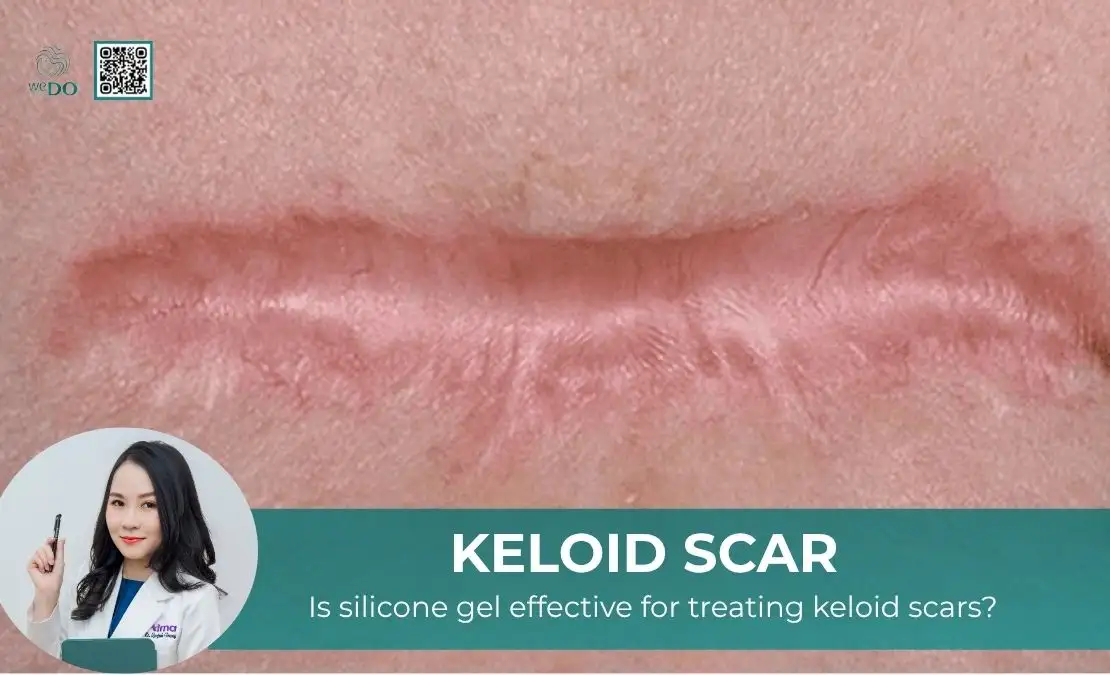
Is silicone gel effective for treating keloid scars?
Is silicone gel effective for treating keloid scars? For individuals with keloid scars, can topical treatments help flatten the scar? This is a common concern, as topical therapy is both cost-effective and non-invasive. If you are also curious, refer to the article below to find the answer. Is silicone gel effective for treating keloid scars?

What SPF level is sufficient for sunscreen?
What SPF level is sufficient for sunscreen? Does a higher SPF mean stronger and more effective sun protection? And is focusing solely on the SPF index enough to choose a suitable sunscreen for your skin? If you are also wondering about these questions, refer to the article below to find the answers. What is the
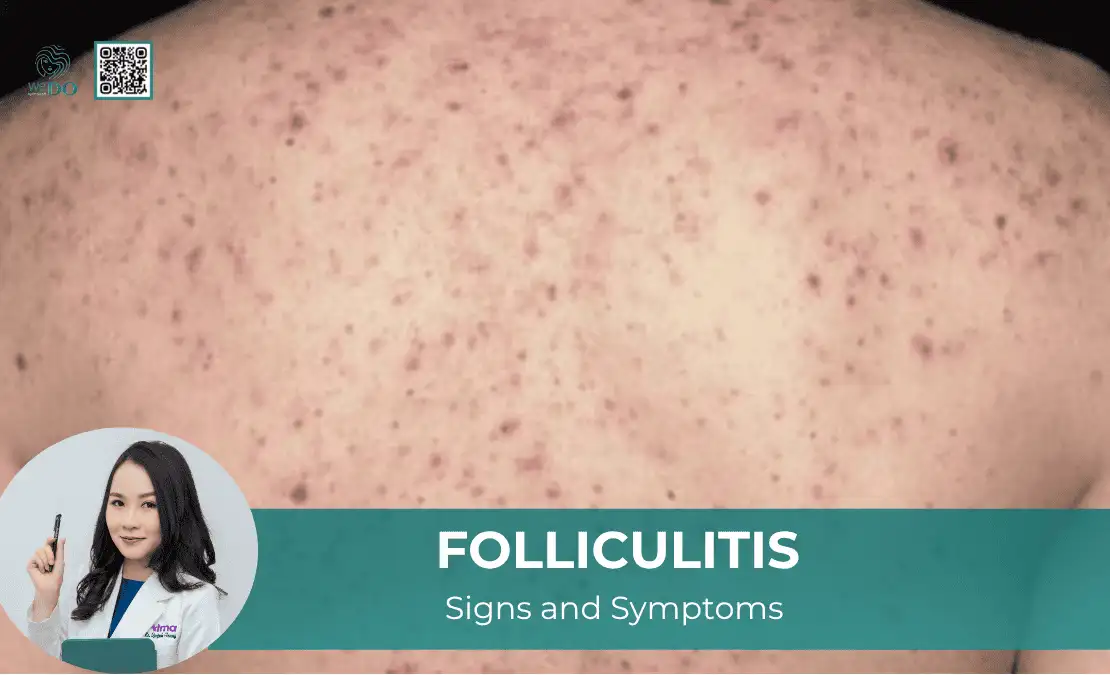
WHAT IS FOLLICULITIS AND HOW IS IT TREATED?
Folliculitis can affect anyone and may occur anywhere on the body except the palms and soles. Although it does not impact overall health, it often causes discomfort and reduces confidence due to cosmetic concerns. Without proper treatment, folliculitis tends to recur, making the skin appear less smooth. FOLLICULITIS – DEFINITION AND SIGNS AND SYMPTOMS Folliculitis
Tác giả: admin
Ngày đăng: 16/08/2025