


 VIE
VIE

Should acne-prone skin exfoliate or not? 7 things to remember
CONTENT
Exfoliation is an indispensable step in the skincare routine, helping to effectively cleanse the skin and enhance the absorption of nutrients from cosmetics. So, can this skincare step be applied to acne-prone skin? Should acne-prone skin be exfoliated?
Should acne-prone skin be exfoliated?
“Should acne-prone skin be exfoliated?” is a question many people wonder about. And the answer is Yes, you should exfoliate if you have acne-prone skin or are prone to acne-related issues. Why?
The accumulation of a thick layer of dead skin cells is one of the leading causes of clogged pores, creating an ideal environment for sebum and impurities to linger, which can easily lead to inflammation and acne formation. Therefore, exfoliation is an extremely important skincare step for acne-prone skin, regardless of severity.
By removing these “residues,” exfoliation helps deep clean and keep pores clear, thereby effectively supporting acne reduction. Moreover, this process not only helps you achieve clear skin but also makes it brighter, more radiant, and healthier.
However, you should note that exfoliation is not always suitable for all acne conditions, especially when the acne is severely inflamed.
>>> You can also refer to the article “How many times a week should you exfoliate?” to learn the recommended frequency of exfoliation for acne-prone skin within a week.

When should and shouldn’t you exfoliate acne-prone skin?
Exfoliation is an important step in controlling acne, but not every acne condition is suitable. Below are the cases when you should and should not exfoliate acne-prone skin.
Cases when you should exfoliate
You can safely exfoliate when your skin has non-inflammatory acne, such as whiteheads, closed comedones, or blackheads. These types of acne occur due to clogged pores, so proper exfoliation will help remove sebum, dirt, makeup residue, and more, thereby effectively preventing acne.
In addition, if you only have a few isolated small inflamed pimples, you can still exfoliate. However, pay close attention to how your skin reacts. If you notice the inflammation spreading or signs of irritation, stop immediately.

Cases when you should avoid exfoliation
You should be especially cautious and avoid exfoliating if your skin has severe, widespread inflammatory acne or has been seriously damaged by cosmetics. At this stage, the skin barrier has been compromised and is extremely sensitive. Any strong physical action or harsh chemicals can worsen inflammation, cause deeper damage, and spread acne to other areas.
In these cases, your top priority should be to focus on restoring the skin barrier and soothing irritation. Once your skin is healthier, you can consider using gentle leave-on chemical exfoliants with very low concentrations instead of scrubs or products that require physical abrasion. Most importantly, avoid any action that could break pimples to prevent infection and spreading.

Suitable exfoliation methods for acne-prone skin
For acne-prone skin, exfoliation is a crucial step to keep pores clear, reduce blockages, and prevent acne formation. However, choosing the right method is key to ensuring both effectiveness and safety.
Chemical exfoliation methods
Instead of using physical scrubs that can cause damage, scratches, or breakouts, you should prioritize chemical exfoliants such as BHA (salicylic acid) or AHA. This method works by loosening the bonds between dead skin cells, allowing them to shed naturally and effectively.
- BHA: With its oil-soluble properties, BHA can penetrate pores, clean out sebum and debris, control excess oil, reduce inflammation, and improve closed comedones and blackheads.
- AHA: Works on the skin’s surface to remove dead cells, promote skin regeneration, fade acne scars, and brighten the complexion effectively.
>>> However, before exfoliating, you should also determine your skin type to know whether you should exfoliate physically or chemically
Professional Chemical Peel treatment at WEDO Skin Clinic
While you can use low-concentration BHA/AHA products at home, for moderate to severe acne, self-treatment carries many risks. Choosing the wrong ingredient or unsuitable concentration can cause irritation, chemical burns, or even post-inflammatory hyperpigmentation.
Instead of exfoliating at home, you should opt for a specialized Chemical Peel treatment at WEDO Skin Clinic. Here, dermatologists will thoroughly examine your skin, accurately determine your acne type and condition, and provide the most suitable treatment plan.
Using a proprietary formula and safely adjusted concentrations, INNO Esthetics is the active ingredient WEDO Skin Clinic uses in exfoliation treatments to help extract acne cores, bring hidden acne to the surface, reduce inflammation, and safely regenerate the skin. The entire peeling process is performed by dermatology experts, ensuring that any risks of irritation or burns are minimized.
After the peeling treatment, you will be given detailed home care instructions to speed up recovery and maintain the best results.

7 tips for exfoliating acne-prone skin
- Prioritize gentle gel or lotion-based products from reputable brands to avoid irritating sensitive, acne-prone skin.
- Do not exfoliate too frequently; only do it 1–2 times per week to prevent skin damage, moisture loss, and increased oil production.
- Absolutely avoid scrubbing harshly; gently massage in circular motions to remove dead skin without causing irritation, damage, or pimple rupture.
- Immediately after exfoliating, your skin becomes sensitive, so you need to moisturize with a cream and protect it with sunscreen.
- Mild acne can benefit from products containing retinol, glycolic acid (5–20%), or salicylic acid (2–5%). For severe acne, consult a dermatologist.
- For exfoliating masks, leave them on for only 10–15 minutes. For high-concentration chemical products, rinse off immediately to avoid skin damage.
- Facial cleansing brushes or specialized exfoliating devices with acne-safe modes can help clean more safely and effectively.
Some frequently asked questions about exfoliating acne-prone skin
1. How long after extracting acne can you exfoliate?
You should wait about 3–5 days, or until the extraction sites have healed completely without swelling or redness, before exfoliating to avoid infection.
2. Why do I sometimes break out after exfoliating?
Exfoliation can cause breakouts if your skin is irritated by a product that is too strong or used too often, or it could be a purging effect if you are using actives such as BHA.
3. Can inflamed acne-prone skin be exfoliated?
Severe inflamed acne should not be exfoliated, as this can damage the skin barrier, cause inflammation to spread, and worsen the condition.
Through the above article, you now know whether acne-prone skin should be exfoliated. While the answer is “Yes,” you still need to assess your current skin condition. If you are experiencing red, inflamed acne or a large number of pimples, you should not exfoliate at home but instead consult a dermatologist for a tailored treatment plan.
WeDo District 1 – Tran Doan Khanh Street
- Hotline/Zalo/Whatsapp: 0898898875
- Address: 11 Tran Doan Khanh Street, Da Kao Ward, District 1, HCMC
WeDo District 2 – Thai Thuan Street
- Hotline/Zalo/Whatsapp: 0707196622
- Address: 17 Thai Thuan Street, An Phu Ward, Thu Duc City, HCMC
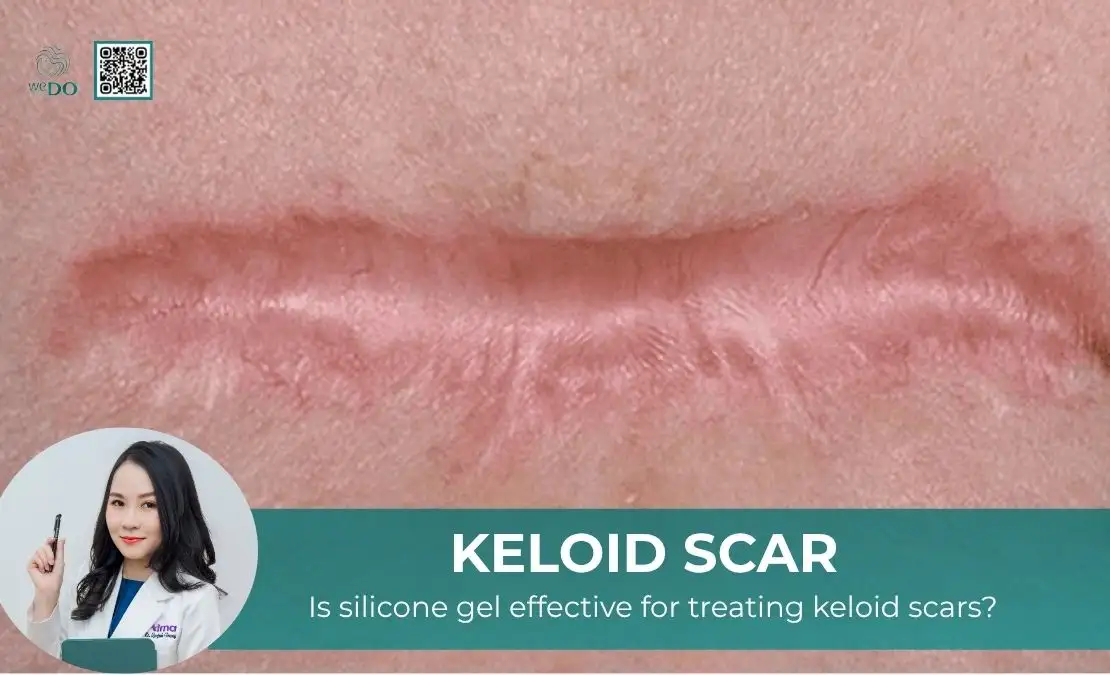
Is silicone gel effective for treating keloid scars?
Is silicone gel effective for treating keloid scars? For individuals with keloid scars, can topical treatments help flatten the scar? This is a common concern, as topical therapy is both cost-effective and non-invasive. If you are also curious, refer to the article below to find the answer. Is silicone gel effective for treating keloid scars?

What SPF level is sufficient for sunscreen?
What SPF level is sufficient for sunscreen? Does a higher SPF mean stronger and more effective sun protection? And is focusing solely on the SPF index enough to choose a suitable sunscreen for your skin? If you are also wondering about these questions, refer to the article below to find the answers. What is the
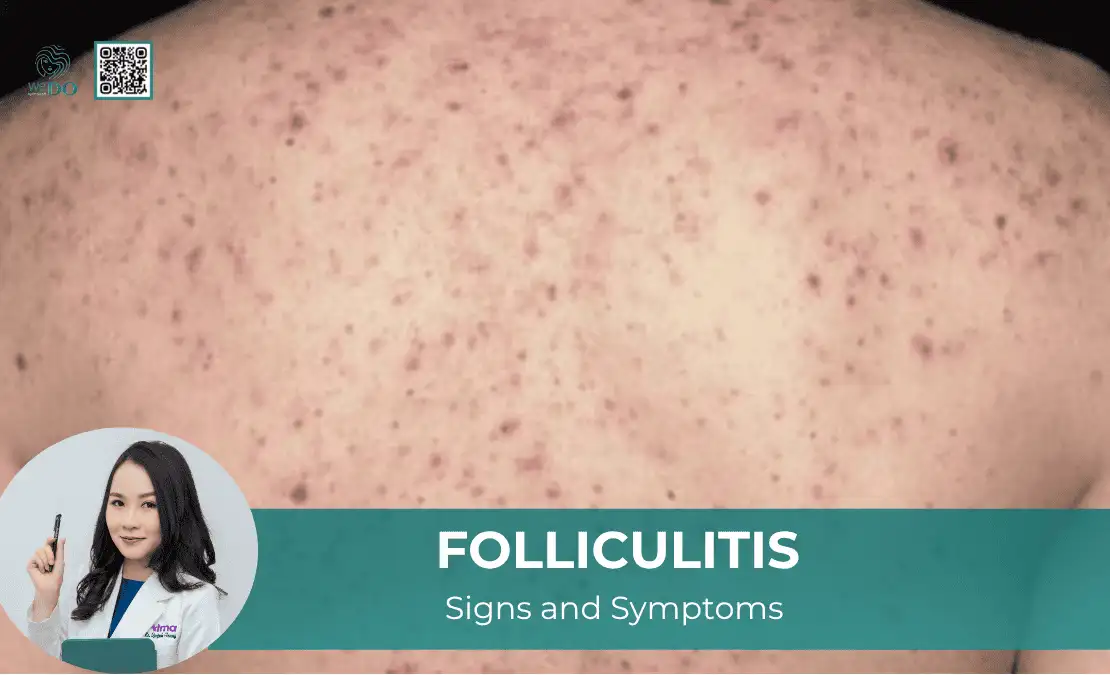
WHAT IS FOLLICULITIS AND HOW IS IT TREATED?
Folliculitis can affect anyone and may occur anywhere on the body except the palms and soles. Although it does not impact overall health, it often causes discomfort and reduces confidence due to cosmetic concerns. Without proper treatment, folliculitis tends to recur, making the skin appear less smooth. FOLLICULITIS – DEFINITION AND SIGNS AND SYMPTOMS Folliculitis
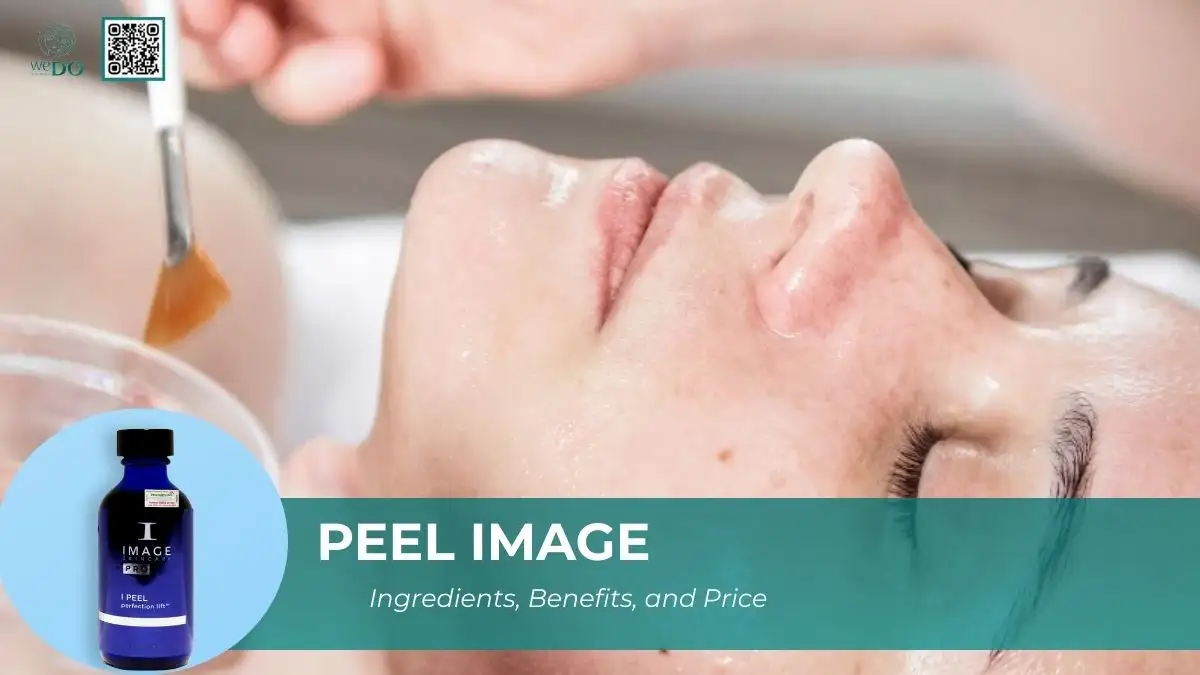
Image I Peel: Ingredients, Benefits, and Price
Peel Image (I Peel) is a familiar name among skincare enthusiasts, especially those who love chemical peels. But is this popular line really worth the hype — and what’s its price range? Let’s take a closer look. Key Ingredients of Peel Image Peel Image follows a multi-target, multi-mechanism principle — meaning it combines a variety
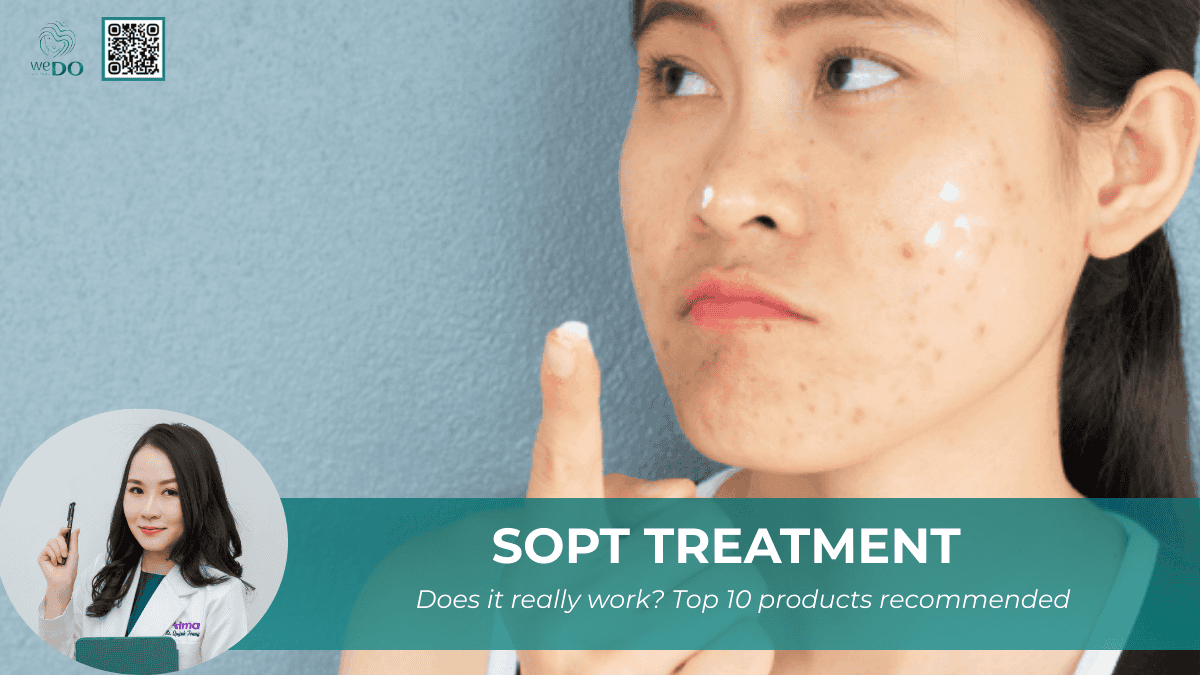
Does Acne Spot Treatment Really Work? Top 10 Products Recommended
Spot treatment is a familiar method for those dealing with acne-prone skin. It is simple, painless, affordable, and can be performed at home. The effectiveness depends largely on the active ingredients and the severity of acne. Benefits of Acne Spot Treatments Depending on their composition, different products serve distinct purposes, but generally, they work to:
Tác giả: wedo
Ngày đăng: 15/08/2025