


 VIE
VIE

Should I exfoliate physically or chemically?
CONTENT
Should You Exfoliate Physically or Chemically? This is a question many people wonder about when they want to deeply cleanse their skin. In this article, WEDO Skin Clinic will help you learn about these two exfoliation methods, so you can make the most suitable choice.
What is Physical Exfoliation? What is Chemical Exfoliation?
Both physical and chemical exfoliation are popular methods today that help cleanse and brighten the skin, prevent clogged pores – the main cause of acne – and keep the skin smooth, healthy, and full of vitality.
What is Physical Exfoliation?
Physical exfoliation involves using products with fine particles or specialized tools to create friction, sloughing off the top layer of dead skin cells on the skin’s surface. With this method, you can use your hands combined with a gentle massage to bring a more relaxing and comfortable feeling.
The advantage of physical exfoliation is its accessibility. With simple tools like washcloths, bath sponges, or grainy exfoliating products, you can cleanse your skin and make it more breathable.
However, if done incorrectly or with unsuitable products, vigorous rubbing can scratch and damage the skin’s protective barrier, leading to moisture loss, sensitivity, and increased risk of irritation.

What is Chemical Exfoliation?
Chemical exfoliation uses acid-based active ingredients such as AHA, BHA, etc., to break the bonds between dead skin cells, thereby removing them along with deep-seated impurities and excess oil on and beneath the skin’s surface and within the pores.
The outstanding advantage of chemical exfoliation is its deep acne-treatment ability. For instance, BHA can provide antibacterial and anti-inflammatory effects, dissolve sebum, reduce blackheads, and prevent acne. Additionally, these actives promote cell regeneration, fade signs of aging, and make skin smoother.
However, chemical exfoliation may cause dryness or irritation for sensitive skin. Due to its acidic nature, the skin also becomes more sensitive to sunlight, increasing the risk of hyperpigmentation. Therefore, beginners should pay attention to product concentration and always use sunscreen diligently.

Should You Exfoliate Physically or Chemically?
Depending on your skin type, you can determine which method is most suitable to ensure effective exfoliation and avoid unnecessary risks. Below are suggested methods for each skin type:
- Normal skin: This is the easiest skin type to care for. You can use both physical and chemical exfoliation without fear of irritation.
- Sensitive skin: This skin type is prone to stinging and strong reactions to unfamiliar ingredients. It’s best to seek advice from a dermatologist to choose a gentle exfoliant and avoid unwanted risks.
- Aging skin: For skin with reduced elasticity, you should prioritize chemical exfoliation. For example, products containing glycolic acid can stimulate collagen and ceramide production, helping the skin become firmer and better moisturized, rather than using physical methods that may cause sagging and damage.
- Dry skin: This flaky skin type is suitable for chemical exfoliation with AHA. AHA not only removes dead skin cells but also helps retain moisture, preventing dryness without causing damage or excessive friction on the skin surface.
- Oily skin: This often-shiny skin type can use both physical and chemical exfoliation. However, for deep cleansing and effective oil control, you should prioritize chemical exfoliation products.
- Combination skin: You can combine both methods or use different products for different areas. For example, use chemical exfoliants for oilier areas (T-zone) and gentler products for drier areas.
- Acne-prone skin: For mild to moderate acne, you should prioritize exfoliating products containing salicylic acid (BHA) or glycolic acid (AHA) to deeply cleanse pores, reduce inflammation, and prevent breakouts.
>>> Additionally, your skin type also affects how often you should exfoliate each week. To know exactly how many times you should exfoliate, check out the article “How Many Times a Week Should You Exfoliate?“

Notes When Exfoliating Physically and Chemically
To achieve the best results and protect your skin from damage, you need to keep in mind the following important notes when exfoliating at home:
Notes for Physical Exfoliation
- Never scrub too hard. Strong pressure can create microtears in the skin, damage the protective barrier, cause irritation, and even worsen acne.
- Choose products with smooth, round scrub particles instead of sharp-edged ones to reduce friction.
- Do not use physical exfoliants on inflamed pimples, as it can break them, spread bacteria, and cause infection.
- Only exfoliate 1–2 times per week to give your skin time to regenerate.
Notes for Chemical Exfoliation
- Start with low concentrations (e.g., BHA 2%, AHA 5%) and increase gradually once your skin adjusts.
- Chemical actives make the skin more sensitive to sunlight. Daily use of broad-spectrum sunscreen is mandatory to avoid darkening and damage.
- If you experience unusual itching, redness, or acne flare-ups, stop using the product immediately.
- Avoid using too many strong acids at once to prevent overloading the skin and depleting its natural moisture.
In reality, while you can exfoliate at home, for more intensive results – especially if your skin is dealing with persistent acne, dark spots, or large pores – you should consider professional chemical peel treatments to ensure safety and optimal effectiveness.
With the Chemical Peel Treatment at WEDO Skin Clinic, you will be examined by dermatologists, have your skin condition analyzed, and receive a personalized peel regimen. This treatment uses premium INNOA Esthetics actives, delivering stronger skin regeneration compared to at-home products, helping deeply cleanse pores, reduce acne, fade dark spots, and noticeably rejuvenate the skin.

Some Frequently Asked Questions About the Two Exfoliation Methods
1. Should You Combine Chemical and Physical Exfoliation?
You should not combine both methods at the same time or on the same day, as it can overload the skin, cause damage, and thin the skin, especially for sensitive skin.
2. Do You Need Physical Exfoliation When Using BHA?
When using BHA (chemical exfoliation), there’s no need to add physical exfoliation. BHA already performs deep cleansing and effective removal of dead skin cells.
Overall, whether you should exfoliate physically or chemically depends on your skin type and condition. If your skin has severe acne or is prone to irritation, you should avoid self-exfoliating at home and instead seek professional peel treatments to ensure safety and results.
WeDo District 1 – Tran Doan Khanh Street
- Hotline/Zalo/Whatsapp: 0898898875
- Address: 11 Tran Doan Khanh Street, Da Kao Ward, District 1, HCMC
WeDo District 2 – Thai Thuan Street
- Hotline/Zalo/Whatsapp: 0707196622
- Address: 17 Thai Thuan Street, An Phu Ward, Thu Duc City, HCMC
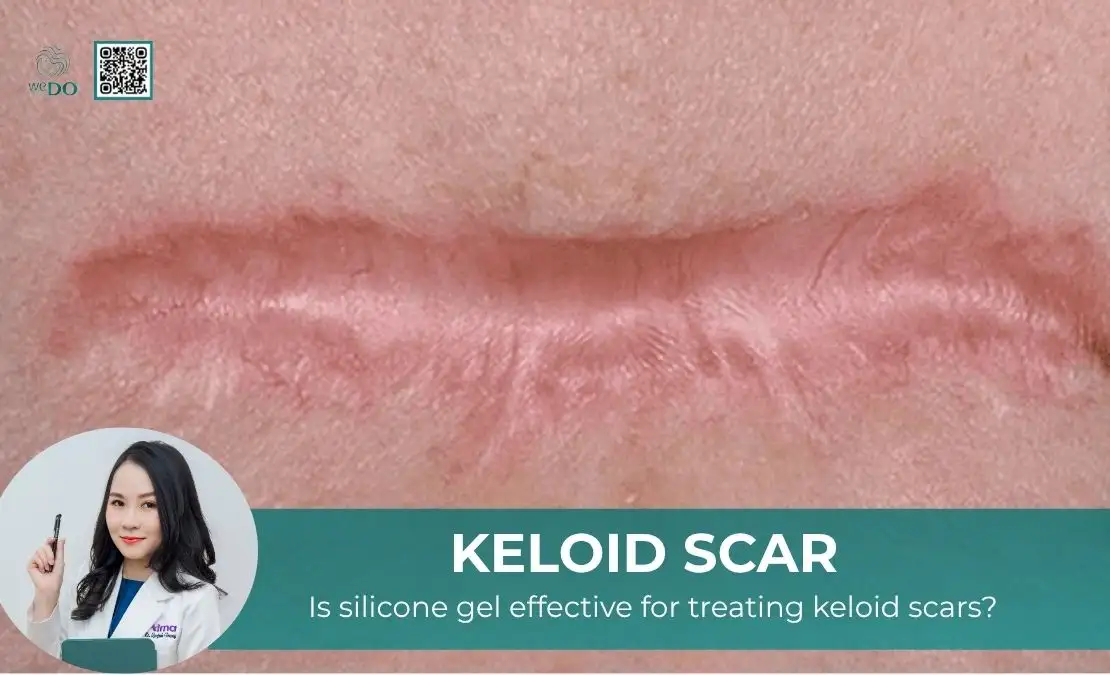
Is silicone gel effective for treating keloid scars?
Is silicone gel effective for treating keloid scars? For individuals with keloid scars, can topical treatments help flatten the scar? This is a common concern, as topical therapy is both cost-effective and non-invasive. If you are also curious, refer to the article below to find the answer. Is silicone gel effective for treating keloid scars?

What SPF level is sufficient for sunscreen?
What SPF level is sufficient for sunscreen? Does a higher SPF mean stronger and more effective sun protection? And is focusing solely on the SPF index enough to choose a suitable sunscreen for your skin? If you are also wondering about these questions, refer to the article below to find the answers. What is the
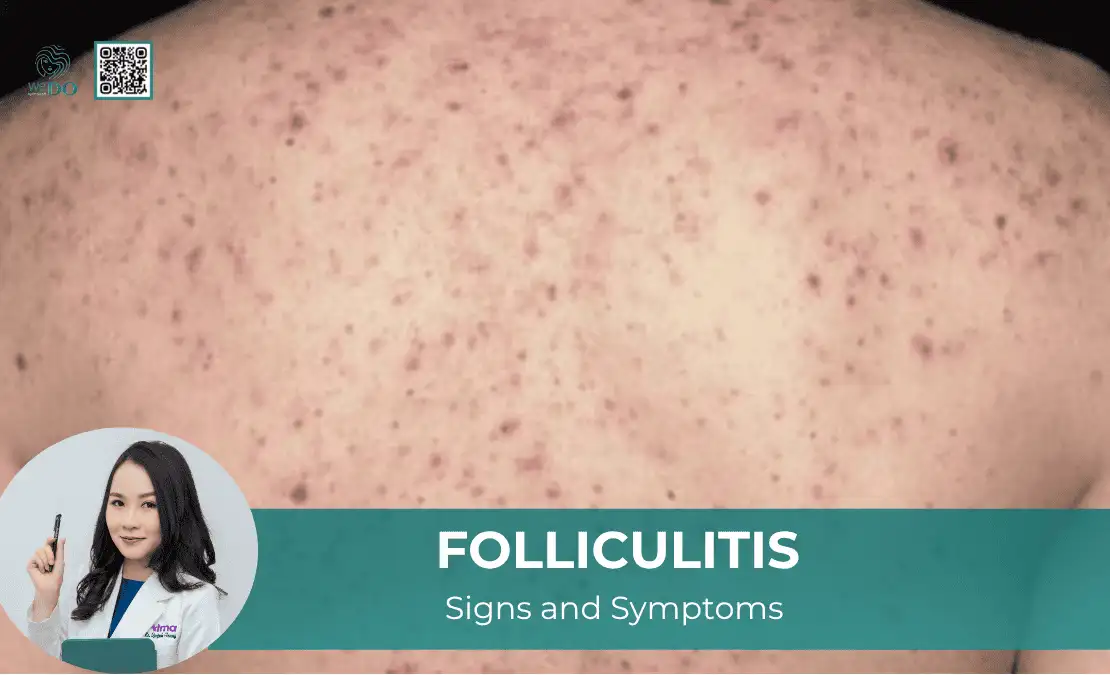
WHAT IS FOLLICULITIS AND HOW IS IT TREATED?
Folliculitis can affect anyone and may occur anywhere on the body except the palms and soles. Although it does not impact overall health, it often causes discomfort and reduces confidence due to cosmetic concerns. Without proper treatment, folliculitis tends to recur, making the skin appear less smooth. FOLLICULITIS – DEFINITION AND SIGNS AND SYMPTOMS Folliculitis
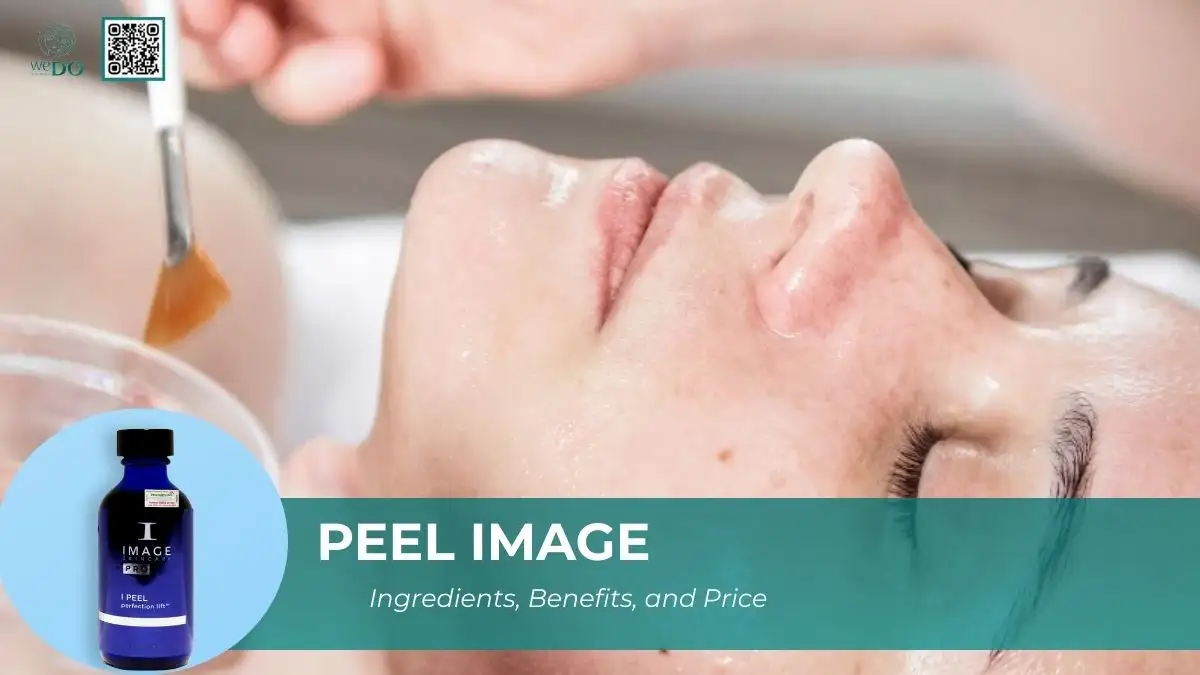
Image I Peel: Ingredients, Benefits, and Price
Peel Image (I Peel) is a familiar name among skincare enthusiasts, especially those who love chemical peels. But is this popular line really worth the hype — and what’s its price range? Let’s take a closer look. Key Ingredients of Peel Image Peel Image follows a multi-target, multi-mechanism principle — meaning it combines a variety
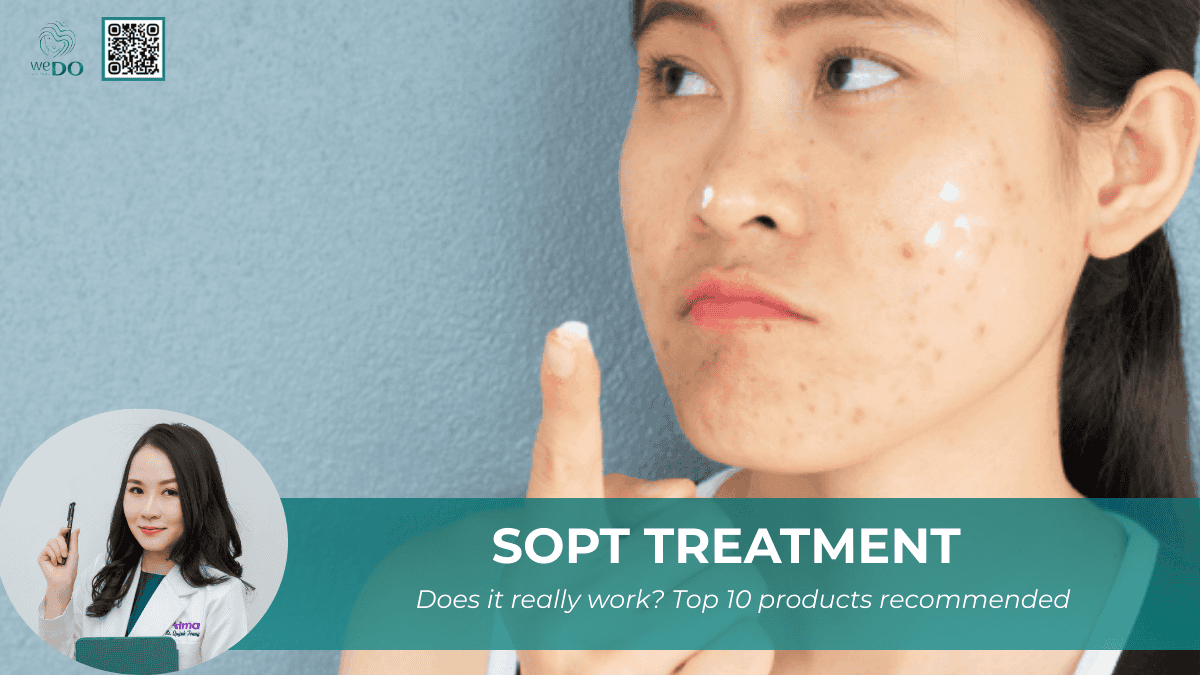
Does Acne Spot Treatment Really Work? Top 10 Products Recommended
Spot treatment is a familiar method for those dealing with acne-prone skin. It is simple, painless, affordable, and can be performed at home. The effectiveness depends largely on the active ingredients and the severity of acne. Benefits of Acne Spot Treatments Depending on their composition, different products serve distinct purposes, but generally, they work to:
Tác giả: wedo
Ngày đăng: 15/08/2025