


 VIE
VIE

How to Minimize Enlarged Pores?
CONTENT
Large pores are a concern for many people, making the skin appear less smooth, oilier, and difficult to apply makeup. Although pores are a natural structure on the skin, with proper skincare methods and modern aesthetic technology, you can absolutely improve this condition — achieving smoother, brighter, and younger-looking skin.
This article explains the causes, answers whether pores can truly shrink, and provides the most effective ways to refine skin texture.
Causes of Enlarged Pores
Enlarged pores are common, particularly in individuals with oily or combination skin. Multiple intrinsic and external factors contribute to this condition.
Overactive Sebaceous Glands
Those with overactive sebaceous glands produce excess oil that mixes with dirt and dead skin cells, forming blockages inside pores. Over time, the pores stretch to push out the oil and debris, making them appear larger and more noticeable while the skin becomes shiny and textured.
Aging and Skin Degeneration
As we age, collagen and elastin levels decrease, causing reduced skin elasticity. The skin becomes looser and begins to sag, leading to widened pores. Dead skin tends to accumulate more easily, thickening the surface and making pores even more visible.

Genetics and Gender
Genetics play a significant role. If parents have oily skin or large pores, their children are more likely to inherit this trait. Men also typically have larger pores than women due to androgen hormones and naturally thicker skin structure.
Sun Exposure
UV rays break down collagen and elastin — the key components that maintain firm, elastic skin. Damaged support structure makes pores more likely to expand and harder to contract. Sun exposure also dehydrates the skin, leading to excess oil secretion, which indirectly enlarges pores.
Clogged Pores
Accumulated dirt, oil, makeup residue, and dead skin can clog pores. As internal pressure increases, pores expand to release buildup, causing long-term widening. Improper cleansing worsens this condition.
Unhealthy Lifestyle Habits
Lack of sleep, chronic stress, and poor dietary habits disrupt hormonal balance and increase oil production. Spicy foods, deep-fried dishes, sugar, and refined oils can trigger inflammation and excess sebum, directly enlarging pores.
Improper Cleansing Habits
Washing the face poorly or skipping makeup removal causes buildup inside pores — forcing them to stretch. On the other hand, over-washing or using harsh cleansers can damage the skin barrier, causing dehydration and stimulating more oil production, which makes pores appear larger.
Can Pores Really Shrink?
Yes — pores can be visibly minimized and the skin can appear smoother and more refined if treated correctly. However, as pores are a natural part of skin structure, improvement requires time and consistent care.
Long-lasting results depend on restoring collagen and elastin, controlling sebum production, and maintaining a medical-grade skincare routine. Both skincare and advanced aesthetic procedures play important roles.
How to Minimize Enlarged Pores
Currently, there are 2 methods to reduce pore size: Reducing oil secretion so that hair follicles do not expand and applying technology to impact and reduce the actual size.
Reduce “Pressure” on Pores by Controlling Oil
Since pores serve as openings for oil and sweat, excess sebum forces them to enlarge — so maintaining clean, balanced skin is crucial.áng.
Cleanse Skin Properly
Wash your face twice daily using a gentle cleanser. Products with Salicylic Acid (BHA) help remove buildup inside pores. Always remove sunscreen and makeup at night to prevent clogging.
Tretinoin
Tretinoin, a Vitamin A derivative, decreases oil production and supports pore tightening by regulating sebaceous activity. However, improvements may be subtle and require consistent use.
Meso Botox
Previously known for wrinkle reduction, Meso Botox now shows excellent results in minimizing pores and reducing oil. Tiny amounts of botulinum toxin are injected into the superficial dermis to regulate oil glands and improve texture. Effects last 4–6 months and typically require 2–3 sessions per year.

Chemical Exfoliation
Ingredients like AHA, BHA, and PHA remove dead skin, unclog pores, and smooth texture.
- BHA 0.5–2% works best for oily, acne-prone skin
- AHA benefits dull, aging skin
Use gradually to avoid irritation.
Advanced Technologies for Pore Tightening
These methods target the deeper skin structure to reduce pore size genuinely.
Fractional Laser — Deep Collagen Remodelin
Fractional Laser is a leading technology for pore tightening. It creates controlled micro-injuries in the dermis, stimulating collagen regeneration — resulting in firmer, smoother skin and refined pores.
After CO₂ Fractional treatment, the skin may show a grid pattern and mild redness for 1–2 days. Peeling occurs within 5–10 days, revealing brighter, smoother skin. Strict sun protection and hydration are essential for optimal results.
RF Microneedling — Intensive Skin Rejuvenation & Pore Refining
RF Microneedling combines micro-needles with radiofrequency energy to stimulate deep collagen and elastin production. It lifts and tightens the skin structure, naturally reducing pore size and improving skin elasticity.
Ideal for:
- Enlarged pores with mild acne scarring
- Rough, textured skin
- Early aging signs
Skin becomes firmer, brighter, and less oily after each session.

Conclusion
Enlarged pores arise from genetics, aging, lifestyle habits, and improper skincare. While pores cannot disappear completely, with the right routine and advanced treatments, you can significantly refine texture and achieve firmer, smoother, more even-toned skin. Consistency and proper dermatological guidance are key to achieving long-term improvement.
Related Articles
FAQs
1. Does ice help tighten pores?
Ice temporarily tightens the skin and reduces swelling but does not shrink pores permanently. Overuse may irritate sensitive skin or damage capillaries..
2. Does diet affect pore size?
Yes. Foods high in sugar, oil, and spice can trigger excess sebum. Eat leafy vegetables, fruits, and stay hydrated. Limit coffee and alcohol to keep skin balanced.
3. Does laser pore treatment hurt?
You may feel slight heat or tingling during the procedure, but cooling gel and devices help minimize discomfort. The sensation typically fades within hours.
4. Can sensitive skin undergo pore-tightening treatment?
Yes — but dermatological consultation is required. Gentle options such as NIR, Meso Botox, or restorative serum infusion are safer than high-energy lasers.
5. Can people with acne undergo pore-tightening treatment?
Yes, but only once inflammatory acne is controlled. Treating inflamed skin with heat or actives may worsen irritation and spread bacteria.

About Morpheus8 – The Rejuvenation Device Highly Sought After by Celebrities
There is a rejuvenation device that has successfully won over some of the world’s top celebrities. It is Morpheus8 – an advanced RF microneedling technology, honored to rank among the top two most popular aesthetic technologies worldwide. If you are still unfamiliar with this device and technology, explore the article below so you do not

Skintag & Mole removal: What method is good?
Skin tags and moles are common skin concerns that many people choose to remove for cosmetic reasons or personal comfort. Skin tags usually appear as small raised bumps that make the skin surface look uneven, while moles often develop when pigment cells cluster in one area instead of being distributed evenly across the skin. Sun
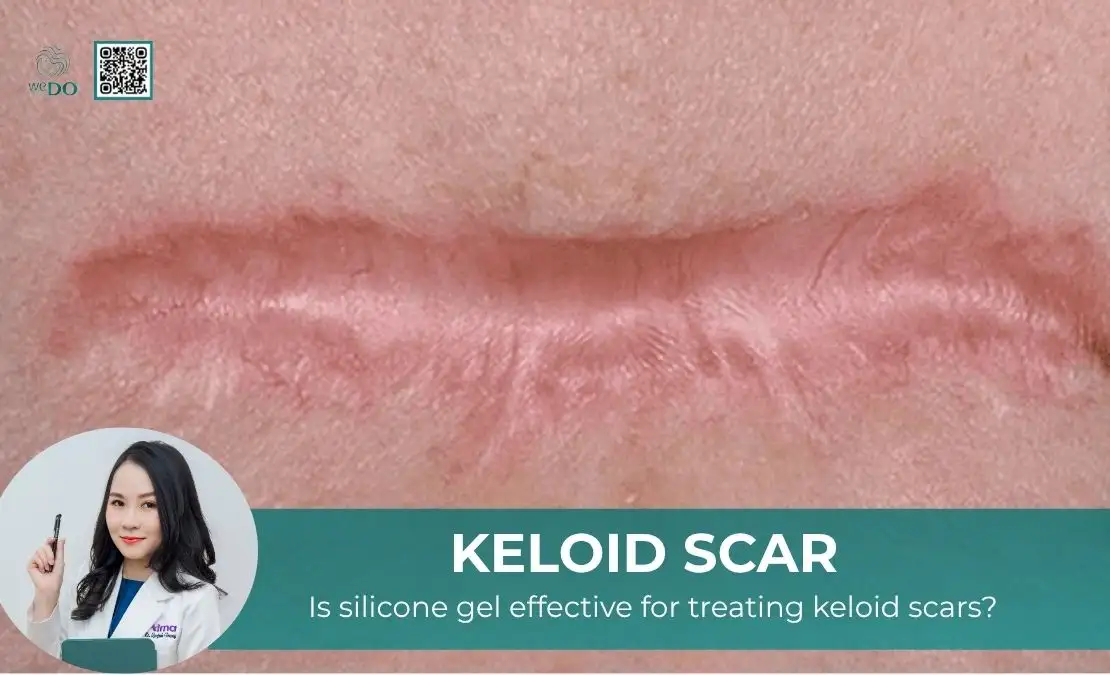
Is silicone gel effective for treating keloid scars?
Is silicone gel effective for treating keloid scars? For individuals with keloid scars, can topical treatments help flatten the scar? This is a common concern, as topical therapy is both cost-effective and non-invasive. If you are also curious, refer to the article below to find the answer. Is silicone gel effective for treating keloid scars?

What SPF level is sufficient for sunscreen?
What SPF level is sufficient for sunscreen? Does a higher SPF mean stronger and more effective sun protection? And is focusing solely on the SPF index enough to choose a suitable sunscreen for your skin? If you are also wondering about these questions, refer to the article below to find the answers. What is the
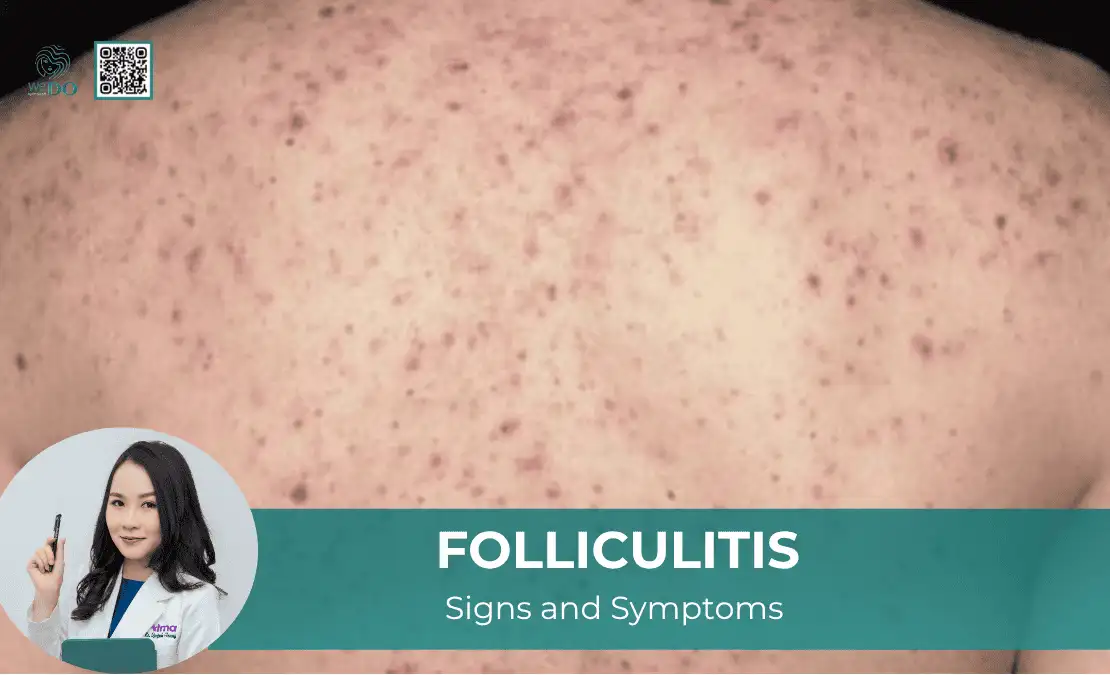
WHAT IS FOLLICULITIS AND HOW IS IT TREATED?
Folliculitis can affect anyone and may occur anywhere on the body except the palms and soles. Although it does not impact overall health, it often causes discomfort and reduces confidence due to cosmetic concerns. Without proper treatment, folliculitis tends to recur, making the skin appear less smooth. FOLLICULITIS – DEFINITION AND SIGNS AND SYMPTOMS Folliculitis

Tác giả:
Ngày đăng: