


 VIE
VIE

Folliculitis – Causes, Symptoms, and Effective Treatment
CONTENT
Folliculitis may seem like a simple dermatological issue, but in reality, it is persistent and difficult to treat completely. This condition makes the skin rough, uneven, and less smooth, affecting appearance, especially when it lasts for a long time. In the article below, Wedo Skin Clinic will help you better understand the causes, symptoms, and effective treatment methods to improve folliculitis and restore healthy, smooth skin.
What is folliculitis?
Folliculitis is an inflammatory condition that occurs at hair follicles – the structures that house and nourish hair strands. When follicles are invaded by bacteria, fungi, or external factors, they become inflamed, causing redness, swelling, and sometimes small pus-filled bumps that make the skin rough and itchy.
This condition can appear on any area of the skin with hair but is most common in areas prone to friction or sweating, such as the back, chest, shoulders, thighs, and buttocks. Without proper care, folliculitis can recur frequently, leaving dark marks or scars that affect both skin health and aesthetics.

Causes of folliculitis
According to dermatologists, folliculitis is most commonly caused by bacteria. However, aside from bacteria, several daily habits and external factors also contribute to the development of folliculitis.
Improper shaving: Using old or dull razors or shaving without shaving cream can cause skin irritation and small red bumps. This process also increases the risk of ingrown hairs, which can trigger folliculitis.
Clogged pores: After shaving, pores open up and are more exposed to environmental factors. Oxidation and debris accumulation lead to clogged follicles, dark spots at follicle openings, and increased inflammation risk.
Overactive oil glands: Excess sebum production mixes with sweat and dirt, clogging pores and creating a favorable environment for bacteria to grow, leading to inflammation and folliculitis.
Wearing tight clothing: Tight or synthetic clothing that traps heat and moisture causes continuous friction and reduced ventilation, irritating skin and increasing the likelihood of folliculitis—especially on the thighs, buttocks, and back.
Dry, sensitive skin: Dry skin is easily irritated. When exposed to shaving friction, the skin can experience micro-abrasions, allowing bacteria to enter and cause folliculitis and hyperpigmentation.

Symptoms of folliculitis
To detect and treat folliculitis promptly, you can recognize it through these symptoms.
Small red bumps around hair follicles
The most noticeable sign is clusters of tiny red bumps around hair follicles. Skin becomes rough and uneven to the touch, more sensitive after sweating or friction from tight clothing.
Itching or stinging sensation
Folliculitis often causes mild itching or stinging, especially in hot weather, during sweating, or when wearing tight clothes. Scratching can worsen inflammation and cause dark spots.
Rough, darkened, uneven skin
Persistent inflammation can lead to thickened, rough skin with dark dots at follicle openings, creating a “chicken skin” appearance. The affected area may appear darker due to post-inflammatory hyperpigmentation.
Ingrown hairs
Common in people who shave or wax improperly. Hairs curl or grow beneath the skin, forming red bumps or small inflamed pustules. Usually seen in the armpits, bikini line, legs, and arms.

Prevention of recurring folliculitis
To prevent folliculitis from returning, follow these steps,
Keep the skin clean
Daily cleansing is crucial. After sweating, wash using gentle body cleansers with antibacterial properties such as tea tree oil, salicylic acid, or sulfur to remove buildup and bacteria.
Exfoliate regularly
Exfoliate 1–2 times per week using AHA or BHA products to remove dead skin cells, unclog pores, and prevent inflammation. Avoid harsh scrubbing that may irritate or scratch the skin.
Moisturize consistently
Moisturizing helps maintain a healthy skin barrier and balance oil production. Use lightweight, oil-free moisturizers—especially after shaving—to prevent dryness and irritation.
Conclusion
Folliculitis is a common skin condition but can be effectively controlled with early detection and proper care. Understanding the causes, recognizing symptoms early, and applying the right treatment will help your skin recover, fade dark spots, and minimize recurrence. Maintaining a clean skincare routine, regular exfoliation, and consistent moisturizing is key to achieving smooth, healthy, and confident skin.
Related articles
FAQs
1. Is folliculitis contagious?
Folliculitis does not spread through normal contact. However, bacteria can spread on your own skin if hygiene is poor or if sharing towels, razors, or clothing with an infected person.
2. Can folliculitis go away on its own?
Mild cases may resolve with good hygiene and regular exfoliation. Persistent, recurrent, or pigmented cases should be treated at a dermatology clinic for optimal results.
3. Does folliculitis cause scars or dark spots?
Untreated inflammation may lead to dark spots, discoloration, or mild scarring. Dermatological treatments like chemical peels, laser, or LED therapy can help fade marks and restore skin texture.
4. Should I shower with hot water if I have folliculitis?
Avoid excessively hot water as it dries out skin and triggers more oil production. Use lukewarm water and finish with cool water to help tighten pores.
5. Can folliculitis be completely cured?
Yes, when diagnosed early and treated properly. However, individuals with oily skin or frequent ingrown hairs may experience recurrence—consistent skincare and hygiene are essential for long-term prevention.

About Morpheus8 – The Rejuvenation Device Highly Sought After by Celebrities
There is a rejuvenation device that has successfully won over some of the world’s top celebrities. It is Morpheus8 – an advanced RF microneedling technology, honored to rank among the top two most popular aesthetic technologies worldwide. If you are still unfamiliar with this device and technology, explore the article below so you do not

Skintag & Mole removal: What method is good?
Skin tags and moles are common skin concerns that many people choose to remove for cosmetic reasons or personal comfort. Skin tags usually appear as small raised bumps that make the skin surface look uneven, while moles often develop when pigment cells cluster in one area instead of being distributed evenly across the skin. Sun
Is silicone gel effective for treating keloid scars?
Is silicone gel effective for treating keloid scars? For individuals with keloid scars, can topical treatments help flatten the scar? This is a common concern, as topical therapy is both cost-effective and non-invasive. If you are also curious, refer to the article below to find the answer. Is silicone gel effective for treating keloid scars?

What SPF level is sufficient for sunscreen?
What SPF level is sufficient for sunscreen? Does a higher SPF mean stronger and more effective sun protection? And is focusing solely on the SPF index enough to choose a suitable sunscreen for your skin? If you are also wondering about these questions, refer to the article below to find the answers. What is the
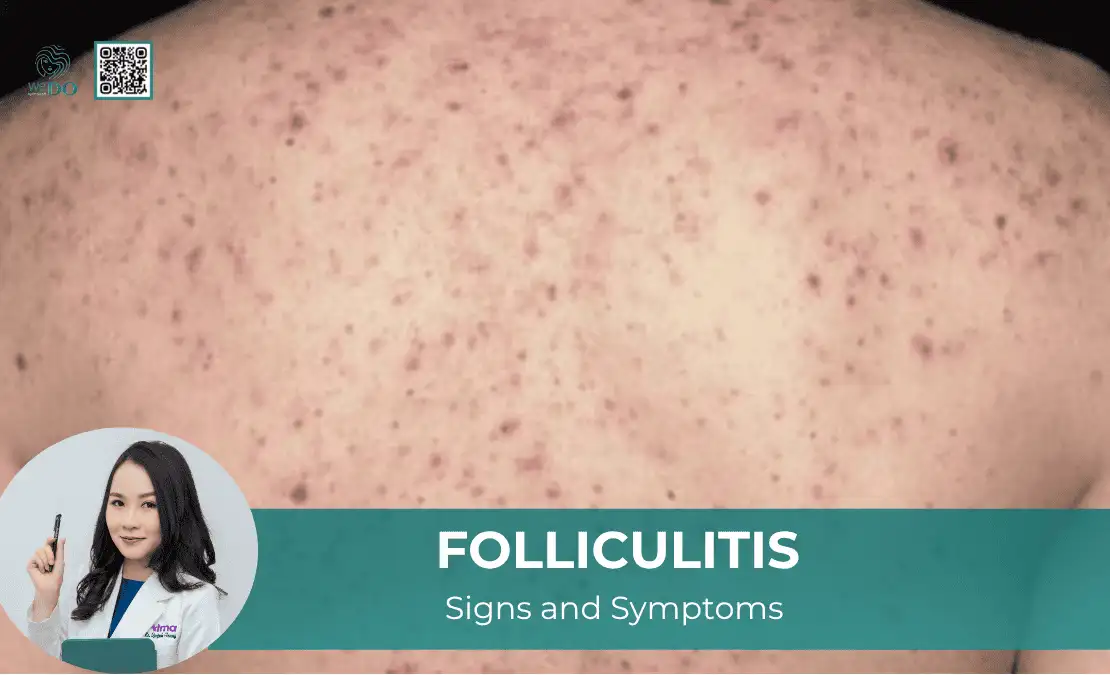
WHAT IS FOLLICULITIS AND HOW IS IT TREATED?
Folliculitis can affect anyone and may occur anywhere on the body except the palms and soles. Although it does not impact overall health, it often causes discomfort and reduces confidence due to cosmetic concerns. Without proper treatment, folliculitis tends to recur, making the skin appear less smooth. FOLLICULITIS – DEFINITION AND SIGNS AND SYMPTOMS Folliculitis
Tác giả: admin
Ngày đăng: 07/11/2025