


 VIE
VIE

How to get rid of warts? 7 ways to treat them completely, safely and effectively
CONTENT
How to get rid of warts is a common concern for many people dealing with these unsightly and potentially contagious skin lesions. Understanding the nature of warts, their causes, and choosing the right treatment method can effectively control the condition, prevent recurrence, and reduce the risk of spreading to others.
What are warts? Identification and causes of warts
Warts are benign skin lesions caused by the Human Papillomavirus (HPV), which stimulates excessive growth of epidermal cells in the outer skin layer. These lesions often appear round or irregular in shape, with a rough surface, and may be ivory, pale yellow, or brown in color. They can occur singly or in clusters.
Causes of warts
The primary cause of warts is direct contact with HPV through skin or contaminated personal items such as towels, shoes, or nail tools. Minor skin injuries like cuts or cracks create favorable conditions for the virus to enter. A weakened immune system or unhealthy habits, such as sharing personal items or poor hygiene, also increase the risk of developing warts.
Characteristics of warts
- Common locations: Palms, soles, fingers, around nails, heels, or genital areas.
- Associated sensations: Some warts cause pain (especially in high-pressure areas like the soles), while others are asymptomatic.
- Size: Can range from a few millimeters to over 1 cm, growing larger over time if untreated.
Are warts contagious? In some cases, warts can spread, leaving uncomfortable rough growths and potentially causing complications if not treated promptly.

Do warts need treatment?
Although warts are benign and may disappear spontaneously in some cases, medical treatment is recommended to minimize risks such as:
- Spreading: Warts caused by HPV can easily spread to other skin areas or individuals if not controlled.
- Pain or discomfort: Especially when located on the soles, around nails, or in sensitive areas.
- Aesthetic concerns: Warts can cause self-consciousness when appearing on visible areas like the face, hands, or neck.
- Recurrence or persistence: Untreated warts are prone to recurrence, especially in individuals with weakened immunity.
Therefore, upon noticing a suspected wart, individuals should consult a dermatologist for accurate diagnosis and appropriate treatment.
You can refer to the article Do warts go away on their own? for answers from dermatology specialists.

How to treat warts thoroughly, safely, and effectively
Warts are contagious and prone to recurrence if not treated properly. Therefore, selecting the right treatment method is crucial for completely eliminating warts while preventing complications and transmission risks. So, how can warts be safely and effectively removed? Below are methods recommended by dermatologists:
Using topical salicylic acid
Topical salicylic acid is a widely used and easily applied at-home treatment. Salicylic acid exfoliates thick keratin layers, disrupts the structure of wart cells, and softens the skin, gradually eliminating the wart over time. Before application, soak the affected area in warm water and remove dead skin to enhance the treatment’s absorption. This method is suitable for common warts and causes minimal irritation when used correctly.
Liquid nitrogen application – Cryotherapy
Cryotherapy involves using liquid nitrogen to freeze virus-infected tissues. This process causes controlled necrosis at the site, leading to the natural shedding of the wart within days. Cryotherapy is commonly used for stubborn warts or those in sensitive areas. At WEDO Skin Clinic, cryotherapy is performed in a sterile environment with specialized equipment, minimizing pain and shortening recovery time.

Electrocautery
Electrocautery uses high-frequency electric current passed through a small needle tip. When the needle contacts the wart, the heat generated burns and destroys HPV-infected cells and wart tissue.
The advantage of electrocautery is its ability to thoroughly remove warts, particularly effective for medium to large warts or those with deep roots. This method is relatively cost-effective and controls bleeding during the procedure.
However, there is a significant risk of depressed or raised scars if the heat and depth are not well-controlled, potentially damaging the surrounding skin. Additionally, recovery time is slower compared to methods like laser, and careful post-treatment care is needed to prevent infection.
CO2 Laser
CO2 laser treatment focuses high-energy beams on the affected area. This energy is absorbed by water in skin cells, precisely vaporizing HPV-infected cells and wart tissue.
Compared to electrocautery, the CO2 laser causes less damage to surrounding healthy skin, significantly reducing the risk of scarring. Doctors can control the laser’s depth, tailoring it to the wart’s type and size. Post-laser wounds typically heal faster than those from electrocautery, and with proper care, scarring is minimal. Additionally, the laser provides immediate hemostasis, making the procedure less painful and less bloody.
However, CO2 laser treatment is relatively expensive and requires high expertise, so choosing reputable wart treatment facilities, often with promotional programs, is essential to save costs and minimize risks.
Prescription medications (cantharidin, retinoids, etc.)
Certain prescription medications, such as cantharidin, retinoids, or fluorouracil, are more effective than over-the-counter treatments. Cantharidin, derived from insects, causes blistering to push the wart off the skin surface. Retinoids inhibit cell division, shrinking the wart over time. Use of these medications requires strict adherence to a doctor’s instructions to avoid side effects and ensure optimal results.
Minor surgery at reputable medical facilities
For deep, large, or treatment-resistant warts, doctors may recommend minor surgery to completely remove the lesion. This involves excision with a scalpel or curettage combined with laser, typically under local anesthesia. This method is highly effective but must be performed at reputable medical facilities to ensure safety and minimize scarring risks. WEDO Skin Clinic offers wart removal surgery adhering to medical standards, with strict sterilization protocols and specialized post-treatment monitoring. Customers can contact the clinic directly for detailed consultation.

Other wart treatment methods
Besides advanced medical treatments, several alternative methods are used to remove warts, though their effectiveness varies and requires caution.
Folk remedies: garlic, banana peel, apple cider vinegar, purslane
Some people use folk remedies like applying garlic, apple cider vinegar, banana peel, or purslane to treat warts at home. These ingredients may contain antibacterial or exfoliating compounds. However, their effectiveness lacks sufficient scientific evidence, and improper use can cause skin burns or irritation, especially in sensitive individuals. Consulting a specialist before applying these remedies is advised.
Wart treatment tape (duct tape)
Duct tape is a non-invasive treatment that softens and gradually removes wart tissue through pressure and an occlusive environment. Patients cover the wart with tape for several days, then remove it, soak the area in warm water, and gently file the lesion with a pumice stone. This method may be effective in some cases but requires persistence over a prolonged period and may need to be combined with other treatments.
However, these methods are often temporary and unlikely to eradicate warts completely, as HPV may persist deep in the skin. For thorough wart removal, visiting reputable dermatology clinics for consultation and appropriate treatment is recommended.
Frequently asked questions
Concerns about wart treatment are common among patients. Below are answers to frequently asked questions from dermatology experts.
Does wart treatment leave scars?
Wart treatment may leave scars if the lesion penetrates deep into the epidermis or if the treatment is improper, such as self-squeezing, cutting, or burning at home. Methods like CO2 laser or minor surgery also carry a small risk of scarring, especially if post-treatment care is inadequate or techniques are poorly executed.
Is treatment for genital warts the same as for warts on hands or feet?
Treatment for genital warts differs from that for warts on hands or feet. Both are caused by HPV, but differences in viral strains, skin sensitivity, and complication risks necessitate distinct approaches. Genital warts require more cautious treatment, often prioritizing prescription medications (podophyllotoxin, imiquimod) or laser intervention at specialized facilities. Self-treating genital warts at home can cause tissue damage, spreading, or dangerous infections.
How long does it take for warts to heal completely?
The duration of wart treatment depends on the location, size, number of warts, and the method used. For mild cases detected early, warts may disappear within 2–4 weeks of active treatment. However, for large, recurrent, or thick-skinned warts (e.g., on the soles), treatment may take weeks to months. Individual immune responses also affect recovery speed.
This article has provided answers to the question “How to get rid of warts.” In summary, to thoroughly, safely, and effectively eliminate warts while preventing recurrence, patients should seek specialized dermatology clinics.
WeDo District 1 – Tran Doan Khanh Street
- Hotline/Zalo/Whatsapp: 0898898875
- Address: 11 Tran Doan Khanh Street, Da Kao Ward, District 1, HCMC
WeDo District 2 – Thai Thuan Street
- Hotline/Zalo/Whatsapp: 0707196622
- Address: 17 Thai Thuan Street, An Phu Ward, Thu Duc City, HCMC
How to get rid of warts is a common concern for many people dealing with these unsightly and potentially contagious skin lesions. Understanding the nature of warts, their causes, and choosing the right treatment method can effectively control the condition, prevent recurrence, and reduce the risk of spreading to others.
What are warts? Identification and causes of warts
Warts are benign skin lesions caused by the Human Papillomavirus (HPV), which stimulates excessive growth of epidermal cells in the outer skin layer. These lesions often appear round or irregular in shape, with a rough surface, and may be ivory, pale yellow, or brown in color. They can occur singly or in clusters.
Causes of warts
The primary cause of warts is direct contact with HPV through skin or contaminated personal items such as towels, shoes, or nail tools. Minor skin injuries like cuts or cracks create favorable conditions for the virus to enter. A weakened immune system or unhealthy habits, such as sharing personal items or poor hygiene, also increase the risk of developing warts.
Characteristics of warts
- Common locations: Palms, soles, fingers, around nails, heels, or genital areas.
- Associated sensations: Some warts cause pain (especially in high-pressure areas like the soles), while others are asymptomatic.
- Size: Can range from a few millimeters to over 1 cm, growing larger over time if untreated.
Are warts contagious? In some cases, warts can spread, leaving uncomfortable rough growths and potentially causing complications if not treated promptly.
Do warts need treatment?
Although warts are benign and may disappear spontaneously in some cases, medical treatment is recommended to minimize risks such as:
- Spreading: Warts caused by HPV can easily spread to other skin areas or individuals if not controlled.
- Pain or discomfort: Especially when located on the soles, around nails, or in sensitive areas.
- Aesthetic concerns: Warts can cause self-consciousness when appearing on visible areas like the face, hands, or neck.
- Recurrence or persistence: Untreated warts are prone to recurrence, especially in individuals with weakened immunity.
Therefore, upon noticing a suspected wart, individuals should consult a dermatologist for accurate diagnosis and appropriate treatment.
You can refer to the article Do warts go away on their own? for answers from dermatology specialists.
How to treat warts thoroughly, safely, and effectively
Warts are contagious and prone to recurrence if not treated properly. Therefore, selecting the right treatment method is crucial for completely eliminating warts while preventing complications and transmission risks. So, how can warts be safely and effectively removed? Below are methods recommended by dermatologists:
Using topical salicylic acid
Topical salicylic acid is a widely used and easily applied at-home treatment. Salicylic acid exfoliates thick keratin layers, disrupts the structure of wart cells, and softens the skin, gradually eliminating the wart over time. Before application, soak the affected area in warm water and remove dead skin to enhance the treatment’s absorption. This method is suitable for common warts and causes minimal irritation when used correctly.
Liquid nitrogen application – Cryotherapy
Cryotherapy involves using liquid nitrogen to freeze virus-infected tissues. This process causes controlled necrosis at the site, leading to the natural shedding of the wart within days. Cryotherapy is commonly used for stubborn warts or those in sensitive areas. At WEDO Skin Clinic, cryotherapy is performed in a sterile environment with specialized equipment, minimizing pain and shortening recovery time.
Electrocautery
Electrocautery uses high-frequency electric current passed through a small needle tip. When the needle contacts the wart, the heat generated burns and destroys HPV-infected cells and wart tissue.
The advantage of electrocautery is its ability to thoroughly remove warts, particularly effective for medium to large warts or those with deep roots. This method is relatively cost-effective and controls bleeding during the procedure.
However, there is a significant risk of depressed or raised scars if the heat and depth are not well-controlled, potentially damaging surrounding skin. Additionally, recovery time is slower compared to methods like laser, and careful post-treatment care is needed to prevent infection.
CO2 Laser
CO2 laser treatment focuses high-energy beams on the affected area. This energy is absorbed by water in skin cells, precisely vaporizing HPV-infected cells and wart tissue.
Compared to electrocautery, the CO2 laser causes less damage to surrounding healthy skin, significantly reducing the risk of scarring. Doctors can control the laser’s depth, tailoring it to the wart’s type and size. Post-laser wounds typically heal faster than those from electrocautery, and with proper care, scarring is minimal. Additionally, the laser provides immediate hemostasis, making the procedure less painful and less bloody.
However, CO2 laser treatment is relatively expensive and requires high expertise, so choosing reputable wart treatment facilities, often with promotional programs, is essential to save costs and minimize risks.
Prescription medications (cantharidin, retinoids, etc.)
Certain prescription medications, such as cantharidin, retinoids, or fluorouracil, are more effective than over-the-counter treatments. Cantharidin, derived from insects, causes blistering to push the wart off the skin surface. Retinoids inhibit cell division, shrinking the wart over time. Use of these medications requires strict adherence to a doctor’s instructions to avoid side effects and ensure optimal results.
Minor surgery at reputable medical facilities
For deep, large, or treatment-resistant warts, doctors may recommend minor surgery to completely remove the lesion. This involves excision with a scalpel or curettage combined with laser, typically under local anesthesia. This method is highly effective but must be performed at reputable medical facilities to ensure safety and minimize scarring risks. WEDO Skin Clinic offers wart removal surgery adhering to medical standards, with strict sterilization protocols and specialized post-treatment monitoring. Customers can contact the clinic directly for detailed consultation.
Other wart treatment methods
Besides advanced medical treatments, several alternative methods are used to remove warts, though their effectiveness varies and requires caution.
Folk remedies: garlic, banana peel, apple cider vinegar, purslane
Some people use folk remedies like applying garlic, apple cider vinegar, banana peel, or purslane to treat warts at home. These ingredients may contain antibacterial or exfoliating compounds. However, their effectiveness lacks sufficient scientific evidence, and improper use can cause skin burns or irritation, especially in sensitive individuals. Consulting a specialist before applying these remedies is advised.
Wart treatment tape (duct tape)
Duct tape is a non-invasive treatment that softens and gradually removes wart tissue through pressure and an occlusive environment. Patients cover the wart with tape for several days, then remove it, soak the area in warm water, and gently file the lesion with a pumice stone. This method may be effective in some cases but requires persistence over a prolonged period and may need to be combined with other treatments.
However, these methods are often temporary and unlikely to eradicate warts completely, as HPV may persist deep in the skin. For thorough wart removal, visiting reputable dermatology clinics for consultation and appropriate treatment is recommended.
Frequently asked questions
Concerns about wart treatment are common among patients. Below are answers to frequently asked questions from dermatology experts.
Does wart treatment leave scars?
Wart treatment may leave scars if the lesion penetrates deep into the epidermis or if the treatment is improper, such as self-squeezing, cutting, or burning at home. Methods like CO2 laser or minor surgery also carry a small risk of scarring, especially if post-treatment care is inadequate or techniques are poorly executed.
Is treatment for genital warts the same as for warts on hands or feet?
Treatment for genital warts differs from that for warts on hands or feet. Both are caused by HPV, but differences in viral strains, skin sensitivity, and complication risks necessitate distinct approaches. Genital warts require more cautious treatment, often prioritizing prescription medications (podophyllotoxin, imiquimod) or laser intervention at specialized facilities. Self-treating genital warts at home can cause tissue damage, spreading, or dangerous infections.
How long does it take for warts to heal completely?
The duration of wart treatment depends on the location, size, number of warts, and the method used. For mild cases detected early, warts may disappear within 2–4 weeks of active treatment. However, for large, recurrent, or thick-skinned warts (e.g., on the soles), treatment may take weeks to months. Individual immune responses also affect recovery speed.
This article has provided answers to the question “How to get rid of warts.” In summary, to thoroughly, safely, and effectively eliminate warts while preventing recurrence, patients should seek specialized dermatology clinics.
WeDo District 1 – Tran Doan Khanh Street
- Hotline/Zalo/Whatsapp: 0898898875
- Address: 11 Tran Doan Khanh Street, Da Kao Ward, District 1, HCMC
WeDo District 2 – Thai Thuan Street
- Hotline/Zalo/Whatsapp: 0707196622
- Address: 17 Thai Thuan Street, An Phu Ward, Thu Duc City, HCMC
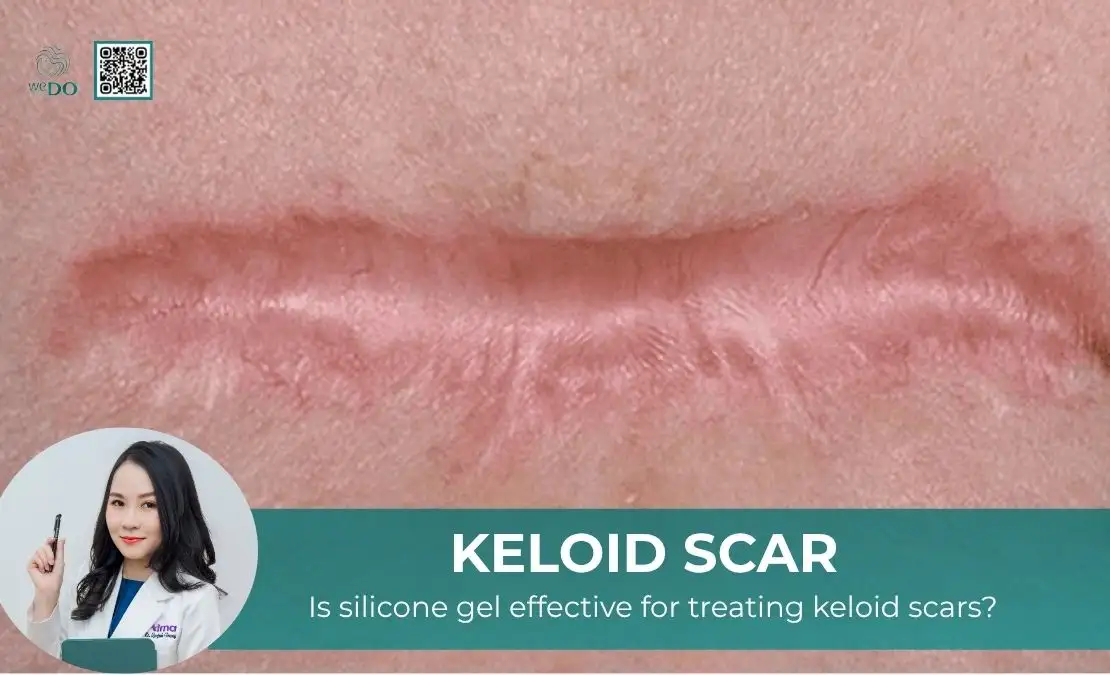
Is silicone gel effective for treating keloid scars?
Is silicone gel effective for treating keloid scars? For individuals with keloid scars, can topical treatments help flatten the scar? This is a common concern, as topical therapy is both cost-effective and non-invasive. If you are also curious, refer to the article below to find the answer. Is silicone gel effective for treating keloid scars?

What SPF level is sufficient for sunscreen?
What SPF level is sufficient for sunscreen? Does a higher SPF mean stronger and more effective sun protection? And is focusing solely on the SPF index enough to choose a suitable sunscreen for your skin? If you are also wondering about these questions, refer to the article below to find the answers. What is the
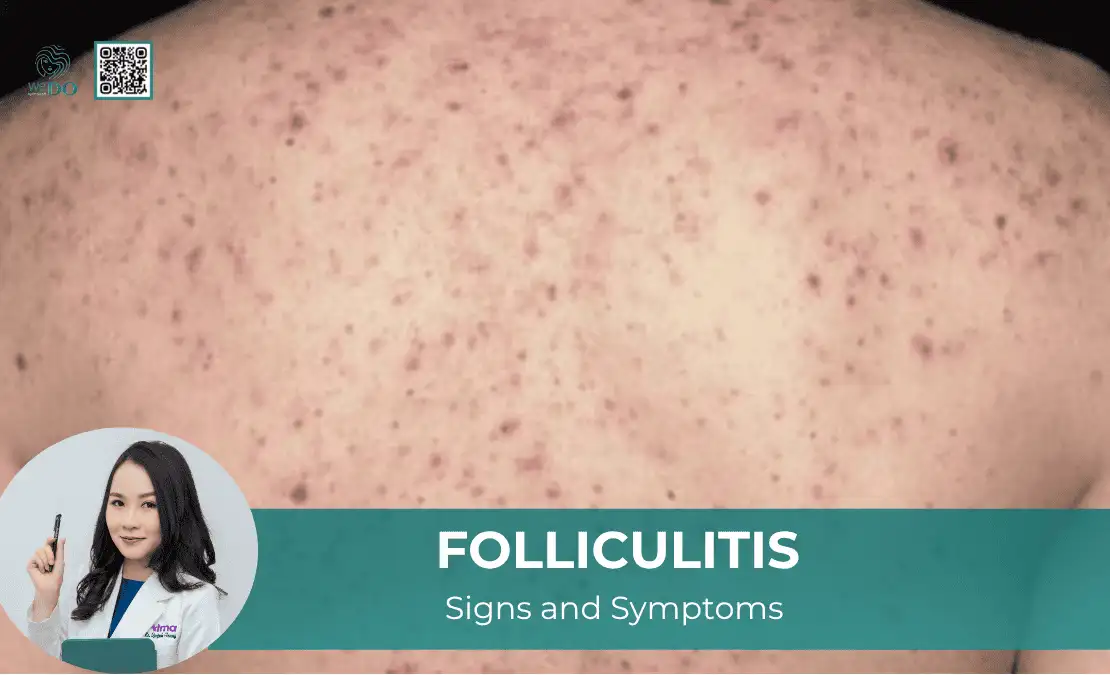
WHAT IS FOLLICULITIS AND HOW IS IT TREATED?
Folliculitis can affect anyone and may occur anywhere on the body except the palms and soles. Although it does not impact overall health, it often causes discomfort and reduces confidence due to cosmetic concerns. Without proper treatment, folliculitis tends to recur, making the skin appear less smooth. FOLLICULITIS – DEFINITION AND SIGNS AND SYMPTOMS Folliculitis
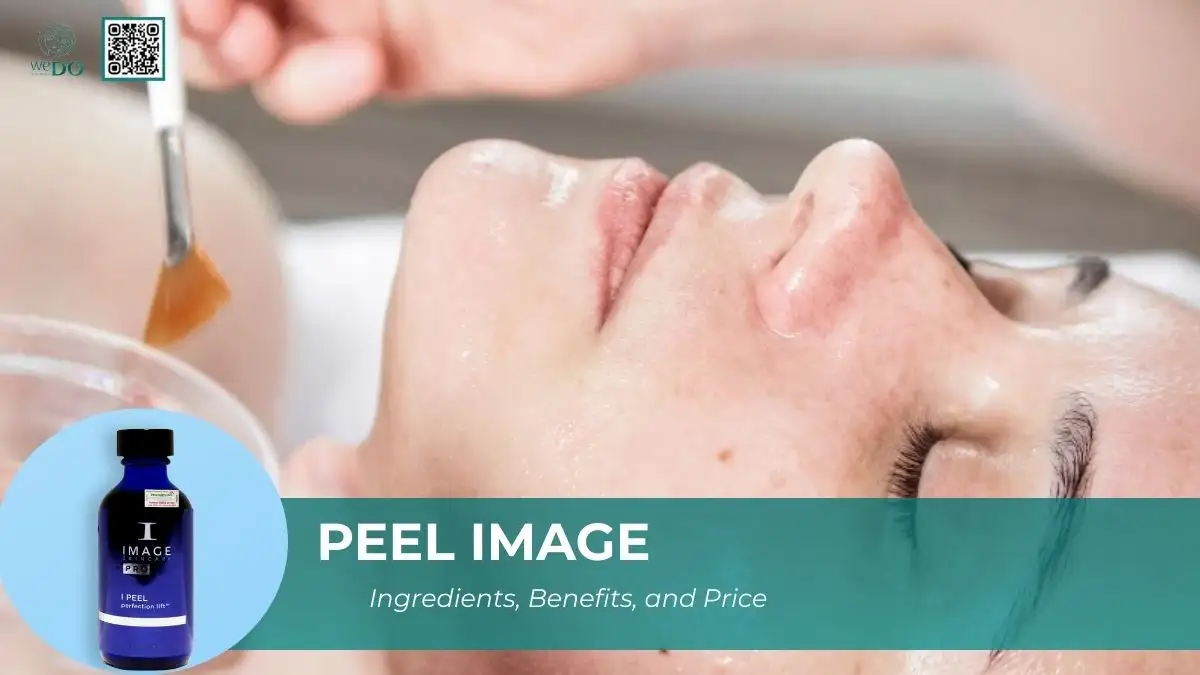
Image I Peel: Ingredients, Benefits, and Price
Peel Image (I Peel) is a familiar name among skincare enthusiasts, especially those who love chemical peels. But is this popular line really worth the hype — and what’s its price range? Let’s take a closer look. Key Ingredients of Peel Image Peel Image follows a multi-target, multi-mechanism principle — meaning it combines a variety
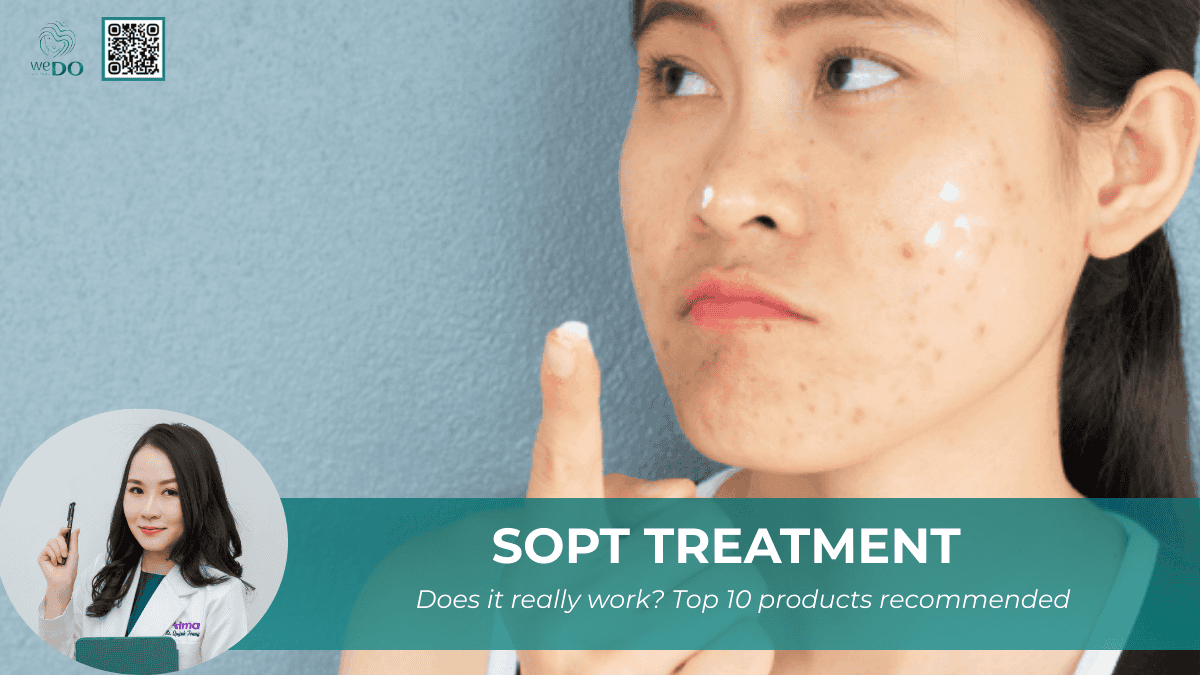
Does Acne Spot Treatment Really Work? Top 10 Products Recommended
Spot treatment is a familiar method for those dealing with acne-prone skin. It is simple, painless, affordable, and can be performed at home. The effectiveness depends largely on the active ingredients and the severity of acne. Benefits of Acne Spot Treatments Depending on their composition, different products serve distinct purposes, but generally, they work to:
Tác giả: wedo
Ngày đăng: 19/06/2025