


 VIE
VIE

Are warts contagious? Are they dangerous?
CONTENT
Are warts contagious? is a question that worries many people when they notice unusual rough growths on their skin. Beyond aesthetic concerns, warts can pose risks of inflammation, especially in areas prone to contact like hands, feet, or genital regions. The article below will help you understand the mechanisms of transmission, the level of danger, and effective prevention and treatment methods.
Are warts contagious?
Warts are skin lesions caused by the Human Papillomavirus (HPV) and can be transmitted through various pathways, including:
- Direct skin contact: HPV is transmitted through direct contact with wart-affected skin, such as touching, scratching, or rubbing the lesion. This allows the virus to invade epidermal cells, causing new warts on other skin areas or in other individuals.
- Sharing personal items: Items like towels, razors, shoes, or other personal belongings can harbor HPV and become vehicles for transmission. Sharing these items increases the risk of spreading warts, especially in communal living environments.
- Contact with contaminated surfaces: HPV can survive in moist environments like bathrooms, swimming pools, or public floors for a certain period. Walking barefoot or touching these surfaces allows the virus to enter through small cuts on the skin, leading to warts.
- Skin injuries: Abrasions or cracks in the skin create favorable conditions for HPV to penetrate deeper epidermal layers, promoting viral replication and wart formation.
Are warts on the feet contagious?
Warts on the feet, also known as plantar warts, are caused by HPV and can be transmitted through direct or indirect contact. Moist environments like public bathrooms or swimming pools are ideal for the virus to persist, increasing the risk of infection when walking barefoot. The virus can enter through small cracks or injuries on the feet, leading to the development of new warts.
Are genital warts contagious?
Genital warts can be transmitted through unprotected sexual activity. These warts are caused by different HPV strains than common warts and may remain asymptomatic, increasing the risk of transmission between partners. HPV infection in the genital area not only causes warts but also heightens the risk of developing cervical, anal, or penile cancer if not treated promptly.
Are warts dangerous?
Common warts are generally not life-threatening and may resolve on their own over time. However, warts can:
- Spread across the skin: If uncontrolled, warts can spread, affecting aesthetics and causing discomfort.
- Cause pain and discomfort: Especially in pressure-bearing areas like the soles, plantar warts can cause pain when walking.
- Risks with genital warts: Certain HPV strains can cause cancer, increasing the risk of malignant conditions if not detected and treated early.

Should you treat warts at home?
Many people attempt to treat warts at home using traditional remedies or over-the-counter products. However, this approach requires careful consideration. While warts may resolve spontaneously in some cases, they can persist, spread, or cause complications if not handled properly.
Self-treating warts at home with unverified methods or without medical guidance carries significant risks. This can lead to skin damage, secondary infections, or worsening of the condition. Especially for genital warts or warts in sensitive areas, consultation and treatment by a dermatologist are mandatory to ensure safety, effectiveness, and prevention of serious complications.
Many people wonder, “Do warts go away on their own?” In reality, warts may resolve spontaneously, but this occurs in relatively few cases. Therefore, when dealing with warts, appropriate treatment methods are necessary to avoid future complications.

Wart treatment methods
Wart treatment focuses on removing HPV-induced skin lesions and preventing recurrence. Common methods include:
Topical treatments prescribed by a doctor:
- Using salicylic acid-based topical treatments: This is a common method that removes dead skin layers, gradually reducing wart size. The treatment must be used consistently and as directed for optimal results.
- Topical treatments with other chemical compounds: Products containing lactic acid or trichloroacetic acid may be prescribed to manage warts on the skin.
- Proper skin care: Keeping the skin clean and avoiding scratching or damaging it helps limit the spread of warts.
Medical treatments:
- Cryotherapy with liquid nitrogen: This is the most common technique in dermatology clinics, using low temperatures to freeze and destroy wart tissue. Multiple sessions may be required for optimal results.
- Laser treatment: CO2 laser or ND: YAG laser can quickly remove warts, especially for difficult-to-treat or recurrent lesions.
- Surgical removal: Surgery is typically used for large, thick warts or those unresponsive to other methods. The procedure must be performed by a specialist to avoid damaging healthy skin.
- Injections: In some cases, injections of immune-stimulating drugs or corticosteroids may be used to reduce inflammation and enhance recovery.
- Photodynamic therapy: Uses light-sensitive drugs combined with light to destroy wart cells.

Frequently asked questions
Below are common questions about warts to address concerns related to their characteristics, development, and management:
Do warts go away on their own?
Warts may resolve spontaneously in some cases, as the body’s immune system can control and eliminate the virus after a few months or years. However, this does not happen for everyone, and warts may persist or spread if not treated appropriately.
Are warts a sexually transmitted disease?
Certain types of warts, particularly genital warts, are primarily transmitted through unprotected sexual activity. Warts on other body areas typically spread through skin-to-skin contact or sharing contaminated personal items. Therefore, accurately identifying the type of wart is crucial for applying appropriate preventive measures.
Should you squeeze or cut warts?
Squeezing or cutting warts can cause skin damage, bleeding, infection, and spread the virus to surrounding areas. These methods also increase the risk of recurrence or scarring. Patients should seek medical facilities for safe and effective treatment techniques.
Can warts recur after treatment?
Warts can recur after treatment due to persistent HPV in the body or re-exposure through contact. The effectiveness of the treatment method and individual immune recovery determine the likelihood of recurrence. Therefore, patients should follow preventive measures and closely monitor their skin to minimize the risk of warts returning.

This article has addressed the question Are warts contagious?. Warts are a dermatological condition caused by the HPV virus and can be transmitted through various pathways. Proper understanding of transmission mechanisms, risks, and scientific treatment methods will help reduce the risk of spreading and skin damage.
WeDo District 1 – Tran Doan Khanh Street
- Hotline/Zalo/Whatsapp: 0898898875
- Address: 11 Tran Doan Khanh Street, Da Kao Ward, District 1, HCMC
WeDo District 2 – Thai Thuan Street
- Hotline/Zalo/Whatsapp: 0707196622
- Address: 17 Thai Thuan Street, An Phu Ward, Thu Duc City, HCMC
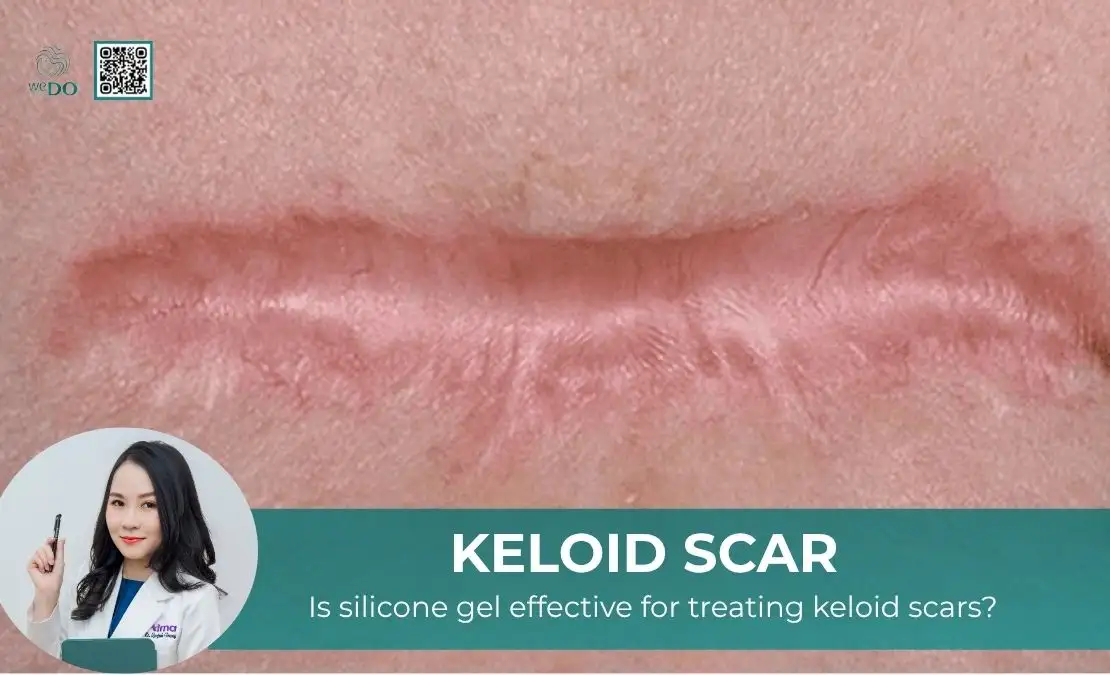
Is silicone gel effective for treating keloid scars?
Is silicone gel effective for treating keloid scars? For individuals with keloid scars, can topical treatments help flatten the scar? This is a common concern, as topical therapy is both cost-effective and non-invasive. If you are also curious, refer to the article below to find the answer. Is silicone gel effective for treating keloid scars?

What SPF level is sufficient for sunscreen?
What SPF level is sufficient for sunscreen? Does a higher SPF mean stronger and more effective sun protection? And is focusing solely on the SPF index enough to choose a suitable sunscreen for your skin? If you are also wondering about these questions, refer to the article below to find the answers. What is the
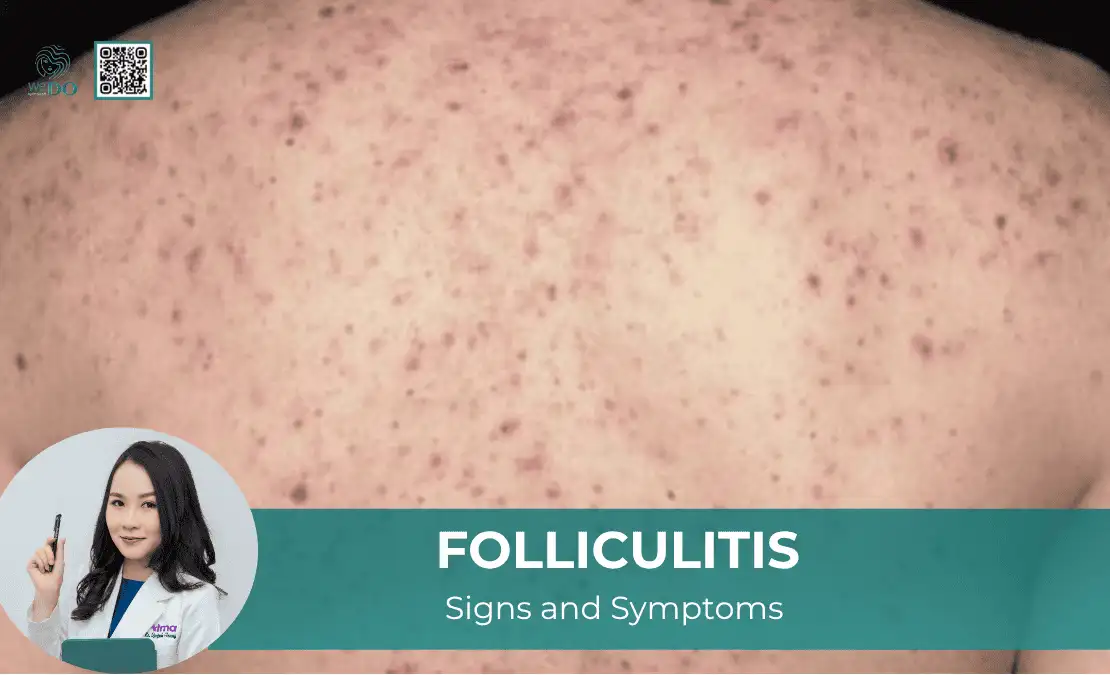
WHAT IS FOLLICULITIS AND HOW IS IT TREATED?
Folliculitis can affect anyone and may occur anywhere on the body except the palms and soles. Although it does not impact overall health, it often causes discomfort and reduces confidence due to cosmetic concerns. Without proper treatment, folliculitis tends to recur, making the skin appear less smooth. FOLLICULITIS – DEFINITION AND SIGNS AND SYMPTOMS Folliculitis
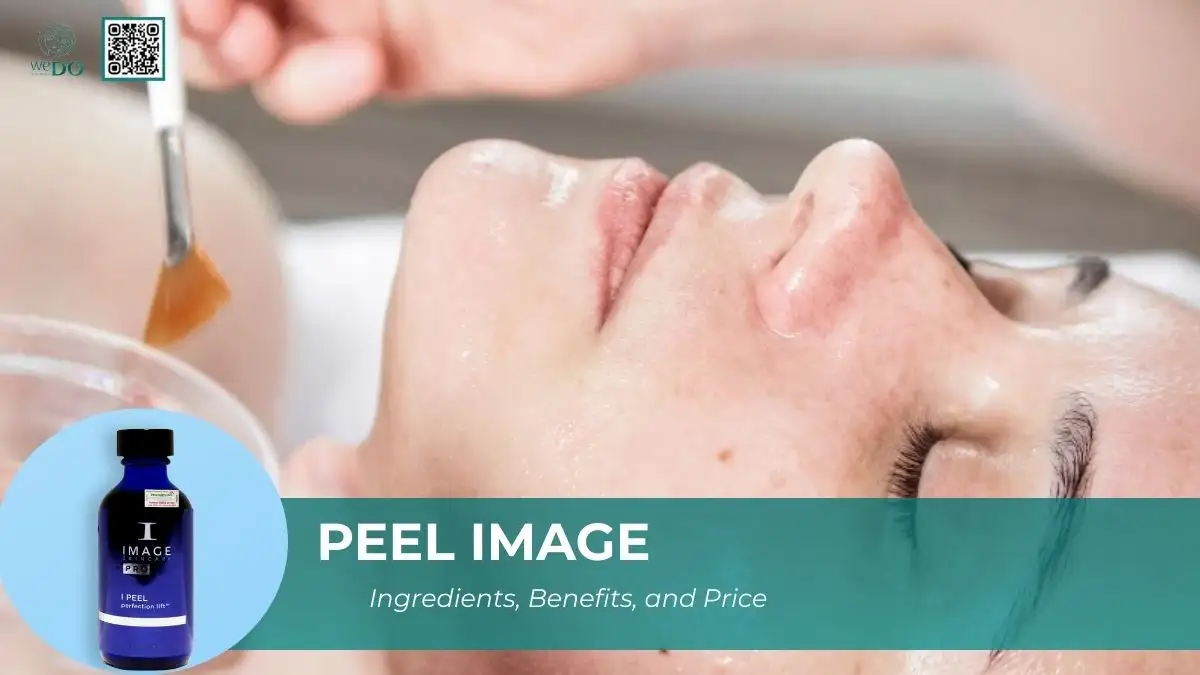
Image I Peel: Ingredients, Benefits, and Price
Peel Image (I Peel) is a familiar name among skincare enthusiasts, especially those who love chemical peels. But is this popular line really worth the hype — and what’s its price range? Let’s take a closer look. Key Ingredients of Peel Image Peel Image follows a multi-target, multi-mechanism principle — meaning it combines a variety
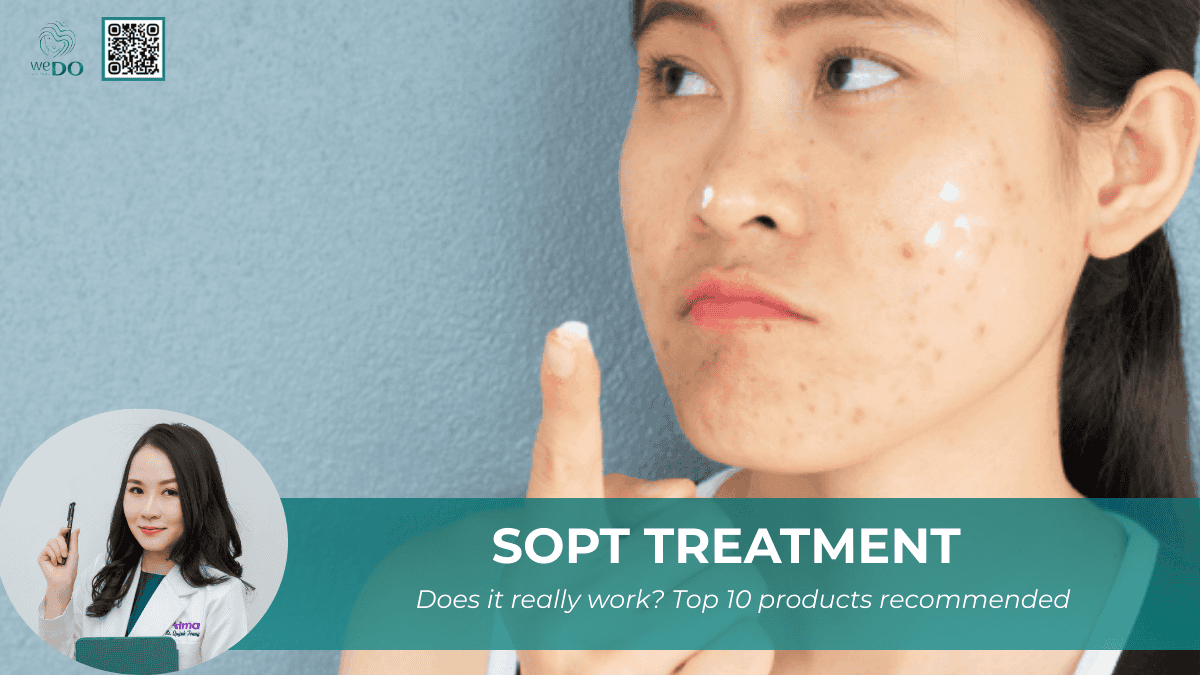
Does Acne Spot Treatment Really Work? Top 10 Products Recommended
Spot treatment is a familiar method for those dealing with acne-prone skin. It is simple, painless, affordable, and can be performed at home. The effectiveness depends largely on the active ingredients and the severity of acne. Benefits of Acne Spot Treatments Depending on their composition, different products serve distinct purposes, but generally, they work to:
Tác giả: wedo
Ngày đăng: 19/06/2025