


 VIE
VIE

HOW LONG FOR SKIN TO GLOW AFTER PEEL?
CONTENT
Many people expect to achieve instantly smooth, refreshed skin after a chemical peel, as the procedure is often described as a “complete skin renewal.” In reality, the skin requires time to heal and regenerate before the desired results become visible. So, how long for skin to glow after peel
How long for skin to glow after peel?
A chemical peel is a dermatological procedure that uses specific acids to exfoliate the outer skin layers, remove dead cells, and stimulate regeneration. This process helps address skin concerns such as pigmentation, dullness, and acne. The recovery time and visible results vary depending on the depth of the peel and several individual factors.
Types of Chemical Peels and Recovery Timeline
- Superficial Peel
This is the gentlest option, targeting only the outermost layer of the skin. After treatment, the skin may appear slightly red and begin to flake within 2–3 days. Recovery usually occurs within 5–7 days, leaving the skin brighter and smoother.
- Medium Peel
This peel penetrates deeper into the skin, improving pigmentation issues and mild scarring. Peeling is more pronounced, with the healing process lasting 7–10 days. Once recovered, the skin appears more even-toned and healthier.

- Deep Peel
The strongest form of peel, suitable for severe acne scarring and advanced photoaging. Full recovery may take 3–4 weeks, with visible improvements becoming clearer after 1–2 months.
Factors Affecting the Results After a Peel
- Skin condition: Thin, sensitive, or dry skin typically heals more slowly than healthy, resilient, or oily skin. Skin affected by acne or scarring may also require longer recovery.
- Depth of the peel: The deeper the peel, the longer the healing period. Superficial peels heal quickly, while deeper peels involve more downtime.
- Type of acid used: Each acid acts differently on the skin, influencing both healing and results.
- Post-peel care: Following medical instructions for aftercare is critical. Proper skincare accelerates healing and optimizes outcomes.
Healing Stages After a Chemical Peel
Stage 1: Days 1–3
The skin may appear red, slightly swollen, or experience tingling sensations. These are normal reactions. At this stage, focus on soothing and hydrating the skin, while avoiding UV exposure. Strong active ingredients such as retinol and vitamin C should not be used. Instead, opt for restorative creams, thermal water sprays, and physical sunscreen.
Stage 2: Days 3–7

Flaking and peeling of dead skin cells begin. The skin may feel tight, rough, and sensitive. Apply mild, repairing serums to support healing. Do not peel off flaking skin, as this can cause scarring or pigmentation.
Stage 3: Days 7–14
The new skin surface becomes more even, radiant, and smooth. While the skin looks improved, it remains fragile and requires continuous sun protection, hydration, and barrier repair.
Best Practices for Post-Peel Skincare
- Immediately after treatment: For the first 4–6 hours, avoid applying cosmetics. Cleanse only with saline solution or water. Minimize sun exposure and use oral sun protection if necessary.
- Days 1–3: Avoid heat, saunas, and heavy exercise. Do not use makeup. If going outdoors, protect the skin with clothing and sunscreen.
- Days 4–7: Introduce a gentle cleanser twice daily. Apply sunscreen (SPF 30 or higher) even indoors. Use hydrating and restorative products containing Niacinamide, Panthenol (Vitamin B5), Hyaluronic Acid, Ceramides, or Glycerin.
- After Day 7: Once the skin is 80% healed, you may return to a regular skincare routine. Continue consistent sun protection.
Additional recommendations include gentle cleansing (no harsh rubbing), avoiding excessive sweating, refraining from scratching or touching the skin, and selecting non-irritating skincare products.
Possible Side Effects After a Chemical Peel
- Itching: Common during peeling as old skin sheds. Hydrating creams help relieve discomfort.
- Redness: Typically subsides within hours. Persistent redness may indicate complications such as telangiectasia and should be assessed by a physician.

- Breakouts: Acne lesions may surface as impurities are brought to the skin’s surface. These usually decrease after subsequent treatments. Severe inflammatory acne, pustules, or lesions with discharge require immediate medical evaluation.
- Hyperpigmentation: Dark spots may develop if the skin is exposed to UV rays during healing, as new skin is particularly sensitive.
Conclusion
The timeline for achieving clear, radiant skin after a chemical peel depends on multiple factors, including skin condition, peel depth, acid type, and aftercare practices. To maximize results and minimize risks, chemical peels should always be performed by a qualified dermatologist.
At Wedo Skin Clinic, we use Innoesthetics peels containing salicylic acid and mandelic acid. These formulations are safe, well-tolerated, and effective, minimizing irritation while delivering significant skin improvement. With proper care, your skin will recover correctly and gradually reveal a renewed, radiant complexion.
Frequently Asked Questions About Chemical Peels
1. How often should I get a chemical peel?
- Superficial peel: 2–5 times per week; generally safe for most skin types.
- Medium peel: Every 6–12 months; requires longer recovery time.
- Deep peel: Once a year; recovery takes at least 21 days and should only be performed under professional supervision.
2. What is Inno Esthetics Peel? Is it effective?
INNO ESTHETICS is a renowned dermo-cosmetic brand from Spain with over 126 years of expertise. Its peel formula contains 30% Salicylic Acid, 10% Mandelic Acid, 0.05% Vitamin A, Resorcinol, and Smart GPS® technology, delivering visible improvements in skin texture and tone.
3. Is chemical peeling suitable for all skin types?
No. Chemical peels are not recommended for sensitive skin, very thin skin, or skin with active inflammation or open wounds. A dermatologist’s evaluation is essential to determine the most appropriate peel for each individual.
4. Are there any restrictions after a chemical peel?
Yes. After a peel, the skin is highly sensitive. It is important to avoid direct sun exposure, steam, and activities that cause excessive sweating. Skincare products containing strong active ingredients such as retinol or vitamin C should be avoided. Do not peel off flaking skin manually to prevent pigmentation or scarring.
5. Can chemical peels replace other skin rejuvenation treatments?
No. While chemical peels improve skin surface and pigmentation, they do not replace advanced rejuvenation technologies such as laser, Thermage, or Ultherapy. Depending on your skin condition and goals, dermatologists may recommend combining peels with other treatments for optimal results.

About Morpheus8 – The Rejuvenation Device Highly Sought After by Celebrities
There is a rejuvenation device that has successfully won over some of the world’s top celebrities. It is Morpheus8 – an advanced RF microneedling technology, honored to rank among the top two most popular aesthetic technologies worldwide. If you are still unfamiliar with this device and technology, explore the article below so you do not

Skintag & Mole removal: What method is good?
Skin tags and moles are common skin concerns that many people choose to remove for cosmetic reasons or personal comfort. Skin tags usually appear as small raised bumps that make the skin surface look uneven, while moles often develop when pigment cells cluster in one area instead of being distributed evenly across the skin. Sun
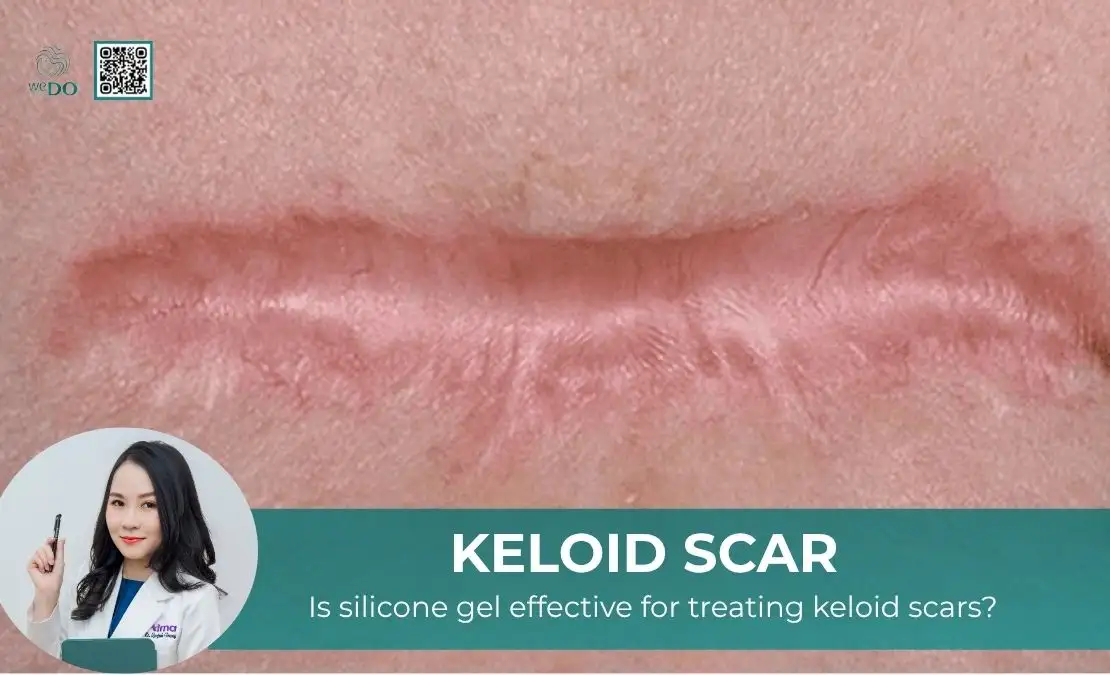
Is silicone gel effective for treating keloid scars?
Is silicone gel effective for treating keloid scars? For individuals with keloid scars, can topical treatments help flatten the scar? This is a common concern, as topical therapy is both cost-effective and non-invasive. If you are also curious, refer to the article below to find the answer. Is silicone gel effective for treating keloid scars?

What SPF level is sufficient for sunscreen?
What SPF level is sufficient for sunscreen? Does a higher SPF mean stronger and more effective sun protection? And is focusing solely on the SPF index enough to choose a suitable sunscreen for your skin? If you are also wondering about these questions, refer to the article below to find the answers. What is the
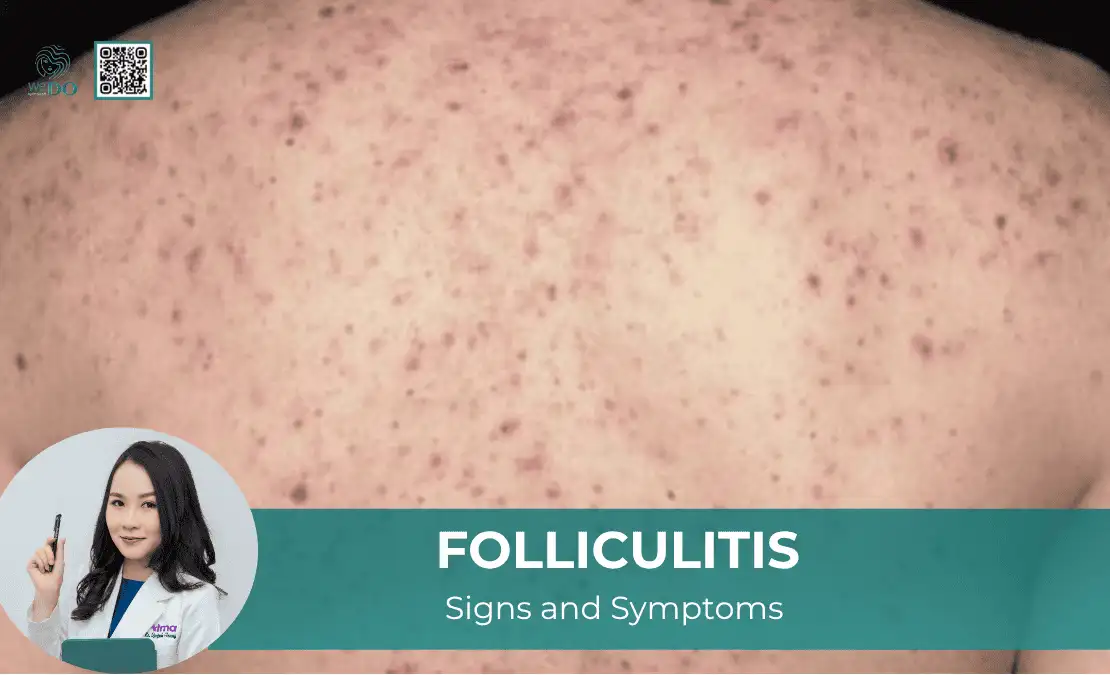
WHAT IS FOLLICULITIS AND HOW IS IT TREATED?
Folliculitis can affect anyone and may occur anywhere on the body except the palms and soles. Although it does not impact overall health, it often causes discomfort and reduces confidence due to cosmetic concerns. Without proper treatment, folliculitis tends to recur, making the skin appear less smooth. FOLLICULITIS – DEFINITION AND SIGNS AND SYMPTOMS Folliculitis
Tác giả: wedo
Ngày đăng: 07/10/2025