


 VIE
VIE

HOW OFTEN SHOULD YOU GET A CHEMICAL PEEL?
CONTENT
A chemical peel is a dermatological procedure that uses acids to exfoliate the skin by removing the stratum corneum and dead cells. Since acids are not inherently gentle agents, the frequency of peeling must be carefully considered to suit the individual’s skin condition. So, how often should you get a chemical peel to keep your skin healthy without compromising its resilience?
How Often Should You Peel for Healthy Skin?
The frequency of chemical peels is highly individualized. It depends on the skin’s healing capacity and the depth of the peel (superficial, medium, or deep). Generally, skin requires 7–21 days to recover after a peel. However, this does not mean you can repeat the treatment immediately once this timeframe has passed.
Recommended frequency by peel depth:
-
Superficial peel: Works on the epidermis using agents such as glycolic acid, lactic acid, salicylic acid, or mandelic acid. This method is relatively safe, and can typically be performed 2–5 times per week.
-
Medium peel: Targets the papillary dermis, requiring a longer recovery period than a superficial peel. Recommended frequency: once every 6–12 months.
-
Deep peel: Penetrates the reticular dermis and is considered highly invasive. Recovery requires at least 21 days. This should be performed only once a year.

Risks of Over-Peeling
Chemical peels offer multiple skin benefits, such as deep cleansing, improving pigmentation concerns (melasma, hyperpigmentation, freckles), treating acne, reducing fine lines, and softening scars. However, these benefits only appear when the correct acid is chosen and used at the right frequency. Overuse of peels can lead to serious side effects:
-
Hyperpigmentation: Excessive or closely spaced peels expose skin to high acid concentrations, leading to post-inflammatory hyperpigmentation, dullness, or dark patches.
-
Chemical burns: Performing another peel too soon after the skin has not fully recovered, especially with high concentrations, may exceed the skin’s tolerance and cause chemical burns.
-
Infection: Signs such as clusters of pustular blisters on freshly peeled skin may indicate infection, requiring immediate medical attention.
Who Should Avoid Frequent Peeling?
Peeling should be approached with caution for individuals who:
-
Have darker skin types.
-
Have sensitive skin or a history of atopic dermatitis.
-
Experience dry, easily flushed skin.
-
Work outdoors and have frequent sun exposure.
-
Have a history of photosensitivity or post-inflammatory hyperpigmentation.
-
Have a history of keloids, poor wound healing, or herpes simplex infection.
-
Recently used isotretinoin.
-
Have psychiatric disorders.
When Is a Chemical Peel Appropriate?

Peels may be a good option if you experience:
-
Pigmentation disorders (melasma, hyperpigmentation, age spots, freckles).
-
Acne-related concerns (post-acne marks, atrophic scars, active acne).
-
Epidermal growth–related conditions (warts, actinic keratosis, seborrheic keratosis, keratosis pilaris).
-
Other concerns such as skin aging or enlarged pores.
To ensure safety, always consult a dermatologist for skin analysis and a tailored treatment plan before undergoing a peel.
Wedo Skin Clinic – Evidence-Based Chemical Peel Treatments
Because chemical peels involve acids, proper knowledge of which agent is suitable for each skin type is critical. Incorrect use may lead to severe complications. For safety and effectiveness, chemical peels should always be performed in a dermatology clinic under medical supervision.
At Wedo Skin Clinic, we prioritize gentle, clinically approved chemical peels such as Innoesthetics Peels and Image Peels. Every step—from selecting the right acid and concentration to application—is performed by board-certified dermatologists with years of experience. All procedures strictly follow sterilization and infection-control protocols. After treatment, patients are monitored closely, with detailed post-care guidance and daily follow-up to ensure optimal healing and timely intervention if needed.

Conclusion
The frequency of chemical peels is not fixed; it depends on skin condition and peel depth. The key is allowing sufficient recovery time before the next session to prevent skin damage. Consulting a dermatologist to create a personalized protocol is always the safest and most effective approach.
At Wedo Skin Clinic, our peel protocols are designed to be safe, gentle, and fully individualized. Our dermatologists provide continuous care throughout the treatment journey, ensuring not only visible results but also sustainable improvements—bringing peace of mind and trust to every client.
Frequently Asked Questions About Peel Frequency
1. Do chemical peels thin the skin?
No. Unlike skin stripping methods, peels do not make skin thinner or weaker. However, they are also not the same as weekly exfoliation. Choosing the right active ingredient is essential.
2. Why can’t everyone follow the same peel schedule?
Peel frequency depends on baseline skin health, natural recovery capacity, and the depth of the peel (superficial, medium, or deep). Therefore, treatment schedules must be individualized.
3. What happens if peels are done too often?
Over-peeling before the skin has fully healed can damage the barrier, increasing the risk of hyperpigmentation, chemical burns, and infections—causing long-term harm.
4. How long should I wait before repeating a peel?
It depends on the peel type: superficial peels can be repeated after several days, medium peels after 6–12 months, and deep peels only once per year. Most importantly, peels should only be repeated once the skin has fully recovered.
5. How can I determine the safest and most effective peel schedule?
Peel schedules must be personalized based on skin condition and treatment goals. Only a dermatologist can determine the right agent, concentration, and frequency for safe, effective results.

About Morpheus8 – The Rejuvenation Device Highly Sought After by Celebrities
There is a rejuvenation device that has successfully won over some of the world’s top celebrities. It is Morpheus8 – an advanced RF microneedling technology, honored to rank among the top two most popular aesthetic technologies worldwide. If you are still unfamiliar with this device and technology, explore the article below so you do not

Skintag & Mole removal: What method is good?
Skin tags and moles are common skin concerns that many people choose to remove for cosmetic reasons or personal comfort. Skin tags usually appear as small raised bumps that make the skin surface look uneven, while moles often develop when pigment cells cluster in one area instead of being distributed evenly across the skin. Sun
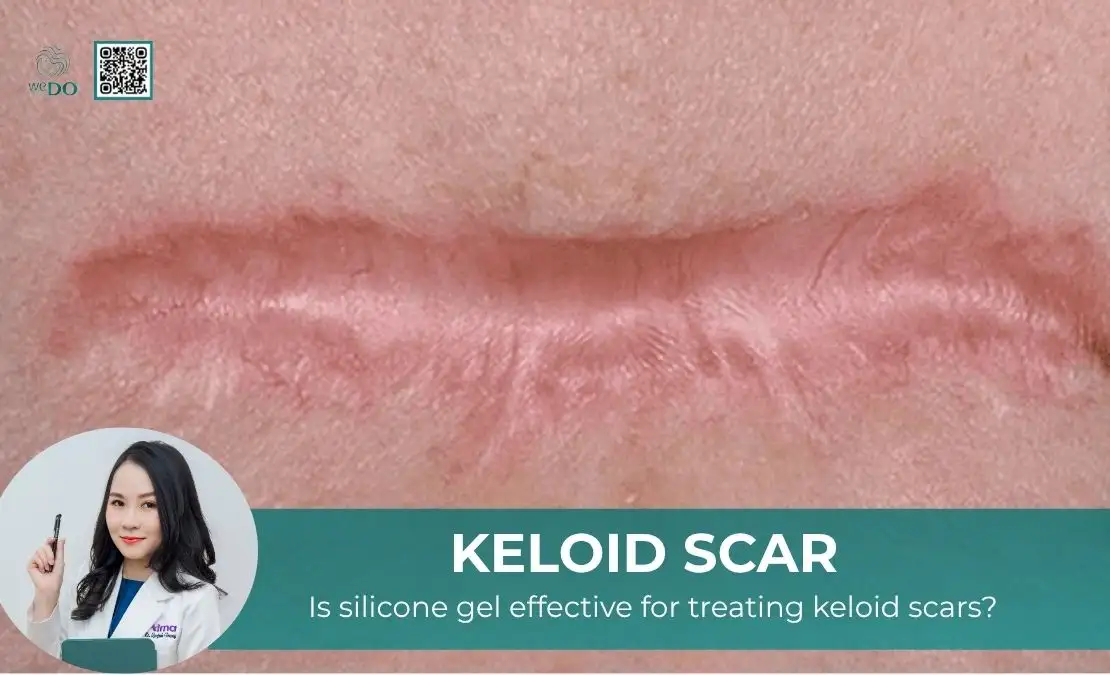
Is silicone gel effective for treating keloid scars?
Is silicone gel effective for treating keloid scars? For individuals with keloid scars, can topical treatments help flatten the scar? This is a common concern, as topical therapy is both cost-effective and non-invasive. If you are also curious, refer to the article below to find the answer. Is silicone gel effective for treating keloid scars?

What SPF level is sufficient for sunscreen?
What SPF level is sufficient for sunscreen? Does a higher SPF mean stronger and more effective sun protection? And is focusing solely on the SPF index enough to choose a suitable sunscreen for your skin? If you are also wondering about these questions, refer to the article below to find the answers. What is the
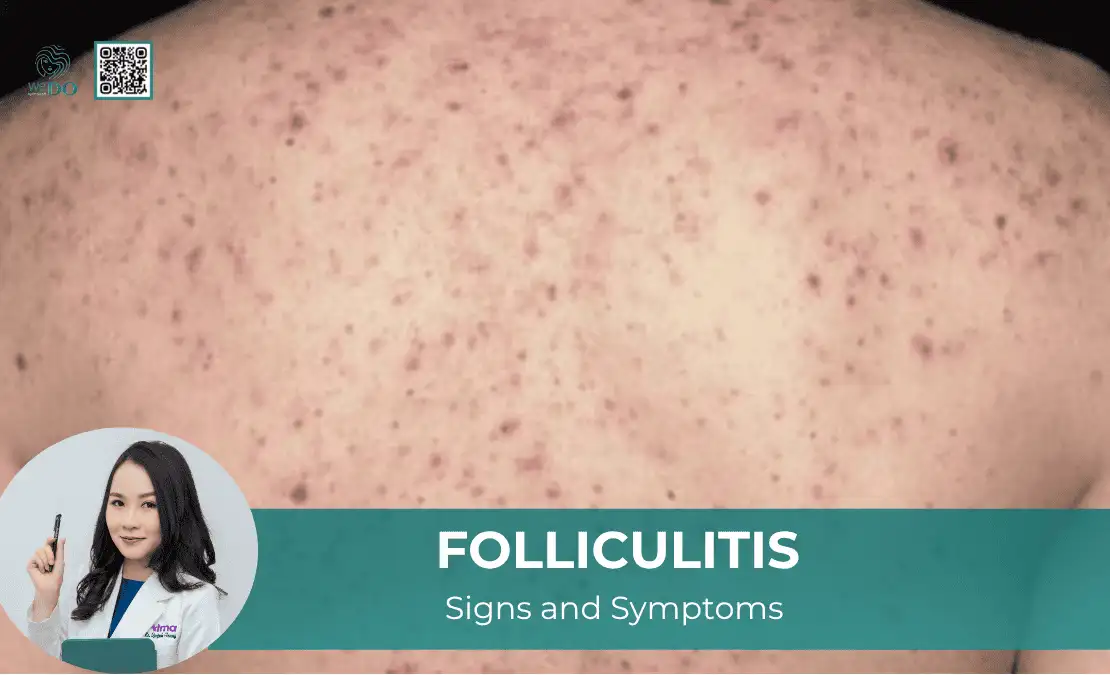
WHAT IS FOLLICULITIS AND HOW IS IT TREATED?
Folliculitis can affect anyone and may occur anywhere on the body except the palms and soles. Although it does not impact overall health, it often causes discomfort and reduces confidence due to cosmetic concerns. Without proper treatment, folliculitis tends to recur, making the skin appear less smooth. FOLLICULITIS – DEFINITION AND SIGNS AND SYMPTOMS Folliculitis
Tác giả: Huong Giang
Ngày đăng: 14/09/2025