


 VIE
VIE

How Long Does It Take for Keloid Injections to Flatten? Who Should Get Keloid Injections?
CONTENT
Keloid injections are a common treatment method that helps flatten and fade scars quickly without the need for surgery. However, many people often wonder how long it takes for keloid injections to flatten. This article will help you understand the recovery time, factors affecting results, and who is medically indicated for this procedure to achieve optimal outcomes.
How Long Does It Take for Keloid Injections to Flatten?
How long does it take for keloid injections to flatten?” is a frequent question among those considering this treatment, as the recovery period directly affects both appearance and daily life. Typically, a keloid injection treatment course includes 4–9 sessions, spaced 3–4 weeks apart, with noticeable improvement beginning from the fourth injection onward. On average, it takes a few months for scars to gradually soften, flatten, and fade significantly.
However, the speed of flattening varies depending on individual skin conditions. For those with good absorption and response to medication, the keloid may flatten within 1–2 months. Conversely, people with sensitive skin or slower responses to the drug may need a longer treatment time to achieve the desired outcome.
Factors Affecting Flattening Time
Keloid injection is a highly effective method, with a success rate of about 70–80% when performed according to protocol and monitored by a qualified dermatologist. However, the duration for visible improvement differs among individuals, depending on factors such as scar condition, skin type, and medication response.
Scar Condition
The severity, duration, and hardness of the keloid play crucial roles in how fast it flattens. New, soft scars respond better to injections, while older, fibrotic scars or those with greater protrusion usually require more sessions and longer treatment time to achieve the same effect.
Individual Skin Type
Yếu tố cơ địa cũng quyết định mức độ đáp ứng và tốc độ phục hồi. Người có cơ địa tốt, da không quá nhạy cảm với thuốc, thường thấy sẹo xẹp rõ sau 4 lần tiêm. Ngược lại, với cơ địa hấp thu thuốc chậm hoặc dễ kích ứng, hiệu quả thường đến sau mũi thứ 5.
Type of Medication Used
The composition and quality of the injected medication are critical factors that directly impact flattening speed and treatment results. Clinically approved medicines, when selected appropriately for each scar type by dermatologists, help inhibit abnormal collagen overproduction, soften scar tissue, and safely reduce protrusion over time.
At Wedo Skin Clinic, dermatologists use Triamcinolone, a glucocorticoid compound that reduces complement activation, counteracts histamine, and inhibits inflammation as well as abnormal fibroblast proliferation. By reducing fibroblast differentiation and collagen deposition, Triamcinolone gradually softens, flattens, and fades the scar, delivering visible improvement to the skin.
Injection Technique
If the medication is injected at the correct skin layer, in the right dosage, and with steady technique, the scar tissue will absorb evenly, helping it flatten uniformly without causing indentations or pigmentation loss. In contrast, incorrect injection depth or excessive dosage can lead to side effects such as skin atrophy, telangiectasia, or tissue depression, resulting in uneven skin tone.

Who Is Indicated for Keloid Injections?
Not all keloid cases are suitable for this treatment. Dermatologists must first examine and evaluate the scar’s condition, duration, and characteristics to ensure safety and effectiveness. Below are groups commonly indicated for keloid injections under medical guidance.
People with Noticeable Keloid or Hypertrophic Scars: This is the most common group recommended for injections. These scars typically appear raised above the skin, firm to the touch, red or darker than surrounding skin, and may cause itching, pain, or tightness. Injections help suppress excess collagen production, soften the tissue, and gradually make the skin surface smoothe.
People with Newly Formed Scars (2–6 months): New scars that are still red and soft, during the fibroblast proliferation phase, are the ideal stage for intervention. Early treatment helps control scar growth, prevent hypertrophy, and significantly shorten treatment time. Since the tissue still responds well to medication, the results are often faster and more visible compared to older scars.
People with Post-Surgical, Post-Acne, or Post-Burn Scars: After surgery, inflammatory acne, or burns, some areas may develop keloids due to abnormal collagen proliferation. When the scar becomes firm, red, or raised over time, doctors may recommend injections to soften the tissue, reduce inflammation, and prevent further keloid growth. This not only improves aesthetics but also alleviates discomfort caused by the scar.

How to Care for the Skin After Keloid Injections to Shorten Recovery Time
After injection, the treated area may appear slightly swollen or red for the first 1–2 days — a completely normal reaction. To support faster healing and prevent complications, follow these post-treatment care tips.
Keep the area clean and dry: Do not touch or wash the treated area within the first 24 hours to prevent infection. After that, gently clean with saline or antiseptic solution prescribed by your doctor. Avoid facial cleansers, soap, or cosmetics during the first 2–3 days.
Avoid sun exposure: UV rays can cause pigmentation changes, making the treated area darker or blotchy. Always protect the skin when going out and use SPF 50+ sunscreen after 3 days, once the skin has stabilized. Avoid direct sunlight for at least 2 weeks.
Moisturize and promote skin repair: After 2–3 days, you can start applying gentle moisturizers or recovery gels containing B5, hyaluronic acid, or panthenol to soothe and reduce dryness. Avoid strong active ingredients such as retinol or AHA/BHA.

Conclusion
The time it takes for keloid injections to flatten depends on various factors such as skin type, scar severity, and injection technique. On average, scars begin to soften and flatten noticeably after the fourth session, which means a few months after starting treatment, depending on your skin’s response.
This is a safe, minimally painful, and non-invasive method that does not require downtime and effectively restores skin aesthetics when performed with proper technique and post-care.
Related Articles
- Is Keloid Injection Dangerous?
- Keloid Scar Removal Service Fees
- Why Do Keloid Scars Itch? Causes and Treatment for Keloids
- Where is the effective treatment for keloid scars? Reputable keloid scar treatment address in Ho Chi Minh City
Frequently Asked Questions About Keloid Injection Duration
1. Do keloid injections cause pain or swelling?
A mild burning or swelling sensation may occur at the injection site but usually subsides within a few hours. Dermatologists use specialized fine needles and precise techniques to minimize discomfort.
2. Do keloid injections leave dark spots or pitting?
When performed correctly and followed by proper post-care, the risk of pigmentation or pitting is very low. Wedo Skin Clinic strictly adheres to sterile medical protocols to ensure absolute safety for the skin.
3. Are there any restrictions after keloid injections?
During the first 3–5 days, avoid direct sunlight, do not touch or apply makeup on the treated area. Also, limit consumption of foods that may promote scar formation such as chicken, seafood, sticky rice, and water spinach to support optimal recovery.
4. Can old keloids be injected
Yes. Although older scars are often harder and slower to flatten, doctors can combine Triamcinolone injections with other supportive methods such as laser or microneedling for better results.
5. Are the results permanent?
Once flattened, keloid scars can remain stable long-term if you complete the full treatment course and maintain proper skincare. However, for individuals prone to keloid formation, regular follow-ups are recommended to monitor any recurrence.

About Morpheus8 – The Rejuvenation Device Highly Sought After by Celebrities
There is a rejuvenation device that has successfully won over some of the world’s top celebrities. It is Morpheus8 – an advanced RF microneedling technology, honored to rank among the top two most popular aesthetic technologies worldwide. If you are still unfamiliar with this device and technology, explore the article below so you do not

Skintag & Mole removal: What method is good?
Skin tags and moles are common skin concerns that many people choose to remove for cosmetic reasons or personal comfort. Skin tags usually appear as small raised bumps that make the skin surface look uneven, while moles often develop when pigment cells cluster in one area instead of being distributed evenly across the skin. Sun
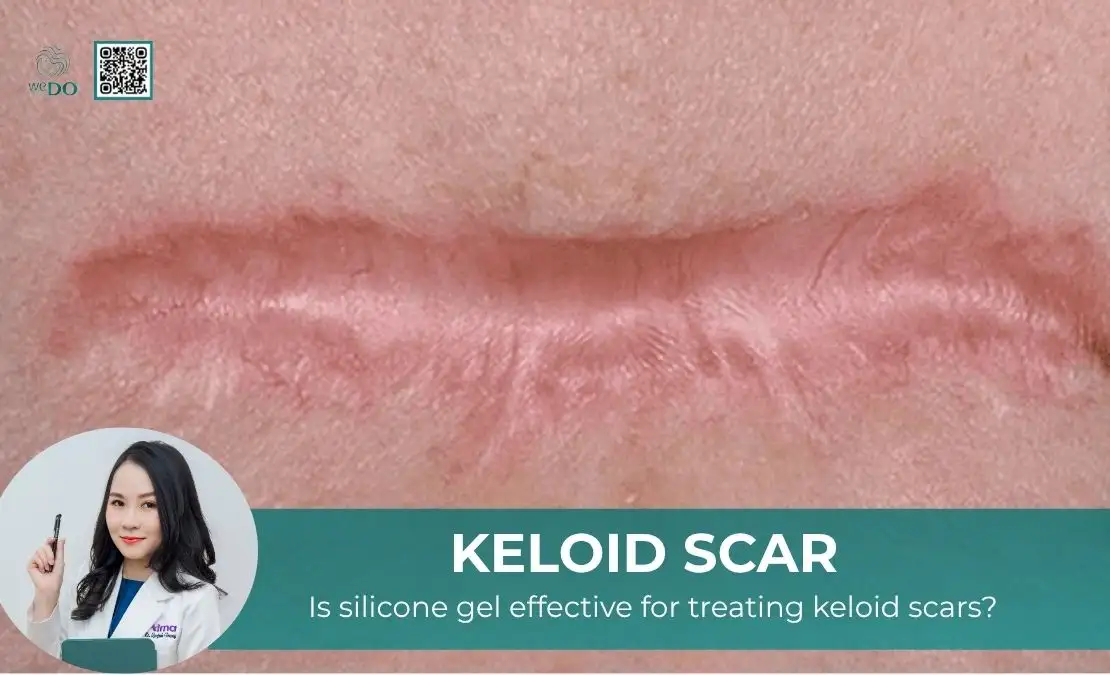
Is silicone gel effective for treating keloid scars?
Is silicone gel effective for treating keloid scars? For individuals with keloid scars, can topical treatments help flatten the scar? This is a common concern, as topical therapy is both cost-effective and non-invasive. If you are also curious, refer to the article below to find the answer. Is silicone gel effective for treating keloid scars?

What SPF level is sufficient for sunscreen?
What SPF level is sufficient for sunscreen? Does a higher SPF mean stronger and more effective sun protection? And is focusing solely on the SPF index enough to choose a suitable sunscreen for your skin? If you are also wondering about these questions, refer to the article below to find the answers. What is the
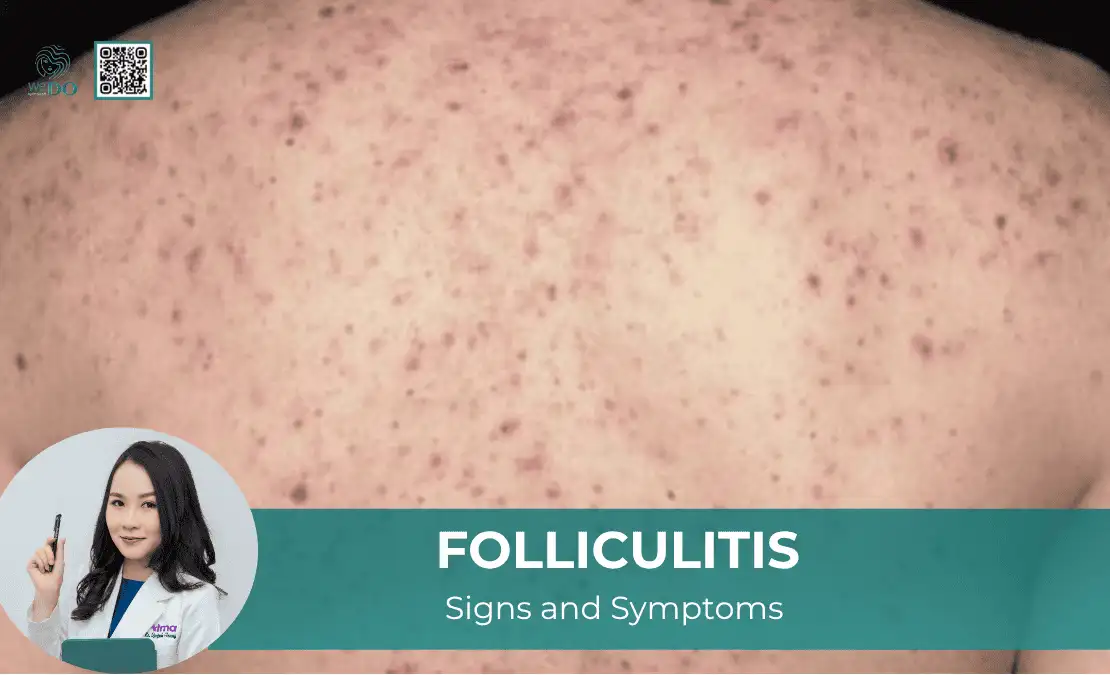
WHAT IS FOLLICULITIS AND HOW IS IT TREATED?
Folliculitis can affect anyone and may occur anywhere on the body except the palms and soles. Although it does not impact overall health, it often causes discomfort and reduces confidence due to cosmetic concerns. Without proper treatment, folliculitis tends to recur, making the skin appear less smooth. FOLLICULITIS – DEFINITION AND SIGNS AND SYMPTOMS Folliculitis
Tác giả: admin
Ngày đăng: 18/10/2025