


 VIE
VIE

Why Do Keloid Scars Itch? Causes and Treatment for Keloids
CONTENT
Keloid scars not only affect aesthetics but can also cause persistent itching and discomfort, especially during their growth phase. Many people are unsure why keloids itch, whether it is a dangerous sign, and more importantly, how to treat them correctly without making the condition worse. Wedo Skin Clinic will explain below.
What Are Keloids? Causes of Keloid Formation
A keloid is an abnormal type of hypertrophic scar that forms after skin injury due to excessive collagen production during the wound-healing process. Unlike regular scars, keloids are raised above the skin surface, have a smooth and firm texture, and often extend beyond the original wound boundary. This condition not only impacts appearance but can also be accompanied by itching, mild pain, or tightness in the skin.
Keloids do not always form immediately after skin injury; they usually appear during the recovery phase. Several factors contribute to excessive scar tissue growth and the raised appearance of the scar:
-
Keloid-prone skin (genetic factor): Some people are genetically predisposed to developing keloids. Even minor injuries can lead to abnormal hypertrophic scarring.
-
Excess collagen production: During wound healing, the body produces collagen to regenerate skin tissue. When collagen production exceeds what is needed for recovery, it accumulates, creating thick, firm scar tissue.
-
Deep wounds, infections, or prolonged inflammation: Cuts, surgical wounds, pustules, burns, or other skin injuries that are not properly cleaned may lead to prolonged inflammation, triggering abnormal scar tissue growth.
-
Surgery, incisions, or trauma: Keloids can form after procedures such as appendectomy, fibroid removal, cesarean section, minor surgery, or accidents if the wound is not properly cared for and protected.
-
Overproduction of collagen during healing: This leads to scar tissue expanding beyond the original wound boundary.

Why Do Keloid Scars Itch?
Itching is one of the most common and bothersome symptoms of keloids. This occurs due to several biological factors related to skin regeneration and scar tissue overgrowth. When the skin is injured, the body triggers a healing response by producing collagen. In keloid-prone individuals, this process is overly intense and prolonged, leading to scar tissue pressing on or irritating nerve endings beneath the skin. This results in sensations of itching, burning, or tightness. Chronic inflammation in the scar tissue can also make the area more sensitive.
External factors such as friction from clothing, scratching, sun exposure, or allergic reactions to unsuitable topical products can worsen the itching. Itching is often more noticeable and persistent when the scar is still active—meaning it is still growing or unstable.
Common Mistakes to Avoid When Keloids Itch
When itching occurs, many people respond instinctively or follow unverified home remedies without considering the consequences. Common mistakes include:
1. Scratching or picking at the keloid
A natural reaction to itching, but scratching can damage the skin’s surface, cause inflammation or infection, and stimulate further scar growth, making it thicker and larger.
2. Using hard objects like brushes or rough towels on the scar
Some people use loofahs, rough towels, or brushes in hopes of reducing itch or flattening the scar. However, vigorous rubbing can damage the epidermis, increase skin sensitivity, and raise the risk of dermatitis or even cause small blood vessels to rupture, resulting in bruising and swelling.
3. Not protecting the scar from external irritation
Frequent exposure to sunlight, dust, chemicals, or friction from tight clothing can increase irritation, making the scar more sensitive. UV rays can also darken the scar, increase itching, and prolong treatment.
4. Applying unknown or unverified scar creams
Many purchase unverified or overhyped products to apply on scars. Using the wrong product may cause irritation, allergic reactions, redness, severe itching, or even darken and roughen the scar.
Applying unverified creams can irritate the skin, thicken the keloid, darken it, and even cause infection.

How to Treat Itchy Keloids
Itching in keloid scars is common, especially while the scar is still growing. Although not dangerous, prolonged itching can affect daily life, sleep, and mental well-being. Methods to help relieve keloid itch include:
1. Avoid scratching or rubbing the scar
Do not scratch with your nails or rub the scar with hard objects, as this will only stimulate further scar growth and may cause inflammation. Instead, use soothing methods such as cold compresses, applying scar-safe creams, or gently patting the area to ease the itch.
2. Avoid sunlight and high temperatures
UV rays from the sun can worsen itching, darken the scar, and make treatment more difficult. When outdoors, cover the scar properly, use alcohol-free, fragrance-free sunscreen, and avoid staying long in hot, humid environments.
3. Cool and moisturize the scar area
Keeping the scar moisturized helps reduce dryness and tightness. Use a clean cold towel on the scar for a few minutes or apply gentle, safe moisturizing gels.
Cooling and moisturizing the scar can soothe itching, prevent dryness, and reduce the risk of keloid progression.

Conclusion
Itchy keloids are a common symptom caused by scar tissue overgrowth or nerve irritation beneath the skin. Incorrect handling can make the scar spread and prolong itching. If symptoms do not improve, seek medical advice for proper and safe treatment.
Frequently Asked Questions About Itchy Keloids
Is itching in a keloid dangerous?
No, but scratching can damage the skin, cause infection, and make the scar spread.
Does frequent itching mean the scar is getting bigger?
Possibly—itching can be a sign of continued scar tissue growth.
Will keloid itching go away on its own?
Usually not; the itching may decrease over time, but the scar will remain unless treated.
Does hot bathing make keloids itch more?
Yes—hot water dilates blood vessels and increases circulation, which can intensify itching.
Is nighttime itching in a keloid abnormal?
Not necessarily—body temperature tends to rise at night, and friction from bedding can make itching worse.

Dermatologist in Vietnam: A Guide to Professional Skin Care
The demand for professional skin care and dermatology treatment has grown rapidly in recent years. Along with this trend, many people are becoming more interested in finding a qualified and trustworthy Dermatologist in Viet Nam for both medical and aesthetic skin concerns. A dermatologist is not only responsible for treating skin diseases, but also plays

About Morpheus8 – The Rejuvenation Device Highly Sought After by Celebrities
There is a rejuvenation device that has successfully won over some of the world’s top celebrities. It is Morpheus8 – an advanced RF microneedling technology, honored to rank among the top two most popular aesthetic technologies worldwide. If you are still unfamiliar with this device and technology, explore the article below so you do not

Skintag & Mole removal: What method is good?
Skin tags and moles are common skin concerns that many people choose to remove for cosmetic reasons or personal comfort. Skin tags usually appear as small raised bumps that make the skin surface look uneven, while moles often develop when pigment cells cluster in one area instead of being distributed evenly across the skin. Sun
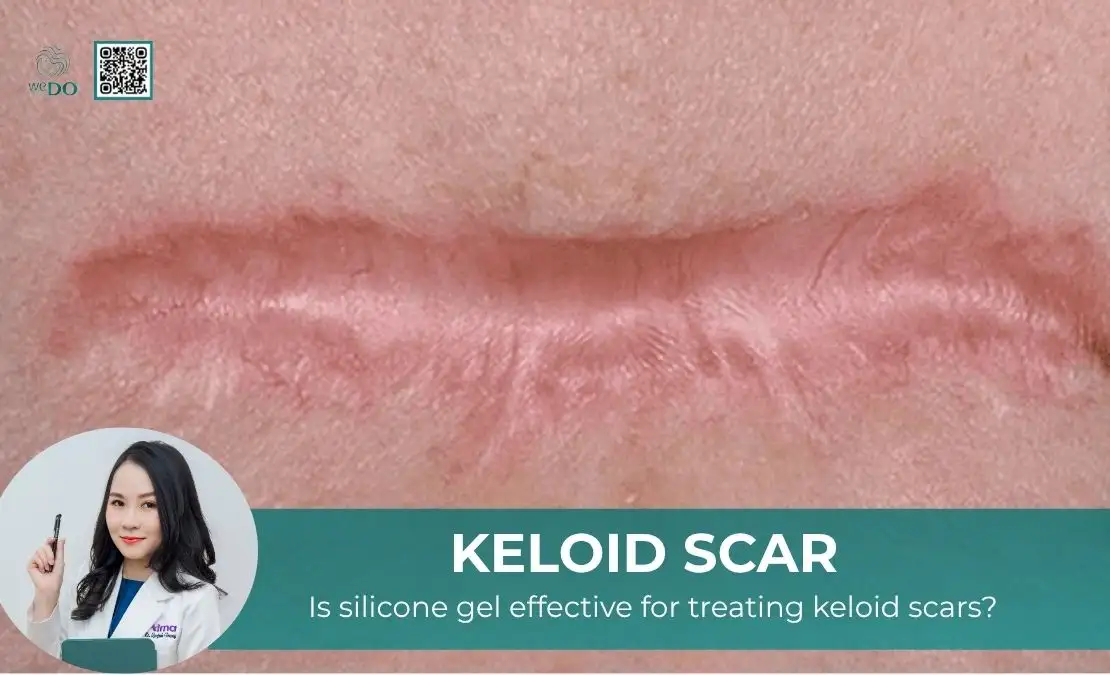
Is silicone gel effective for treating keloid scars?
Is silicone gel effective for treating keloid scars? For individuals with keloid scars, can topical treatments help flatten the scar? This is a common concern, as topical therapy is both cost-effective and non-invasive. If you are also curious, refer to the article below to find the answer. Is silicone gel effective for treating keloid scars?

What SPF level is sufficient for sunscreen?
What SPF level is sufficient for sunscreen? Does a higher SPF mean stronger and more effective sun protection? And is focusing solely on the SPF index enough to choose a suitable sunscreen for your skin? If you are also wondering about these questions, refer to the article below to find the answers. What is the
Tác giả:
Ngày đăng: