


 VIE
VIE

Is taking medication for hormonal acne good?
CONTENT
Oral acne medications are commonly prescribed for cases of inflammatory acne, hormonal acne, or acne that does not respond well to topical skincare methods. However, are oral acne medications effective? Should they be used long-term? This article will help clarify the true effectiveness of oral acne medications, when to use them, and frequently asked questions to ensure safety for your skin and health.
Are oral acne medications effective?
Oral acne medications can be highly effective in treating acne, especially for moderate to severe cases, inflammatory acne, cystic acne, or when topical treatments are no longer effective. However, evaluating whether “oral acne medications are effective” requires consideration of specific clinical contexts and clear medical indications.
Advantages of oral acne medications
- Systemic effect: Oral medications can affect the entire body, making them suitable for widespread acne or deep inflammatory acne under the skin.
- Powerful efficacy: Certain drug groups, such as antibiotics (doxycycline, minocycline), retinoids (isotretinoin), or hormonal medications (such as combined oral contraceptives or spironolactone), have been proven highly effective in reducing inflammation, controlling sebum production, and preventing recurrence.
- Optimized with combined treatments: Oral medications are often prescribed in combination with topical treatments and a proper skincare regimen, enhancing overall treatment efficacy.
Risks to consider
Besides their therapeutic benefits, oral acne medications may cause side effects, depending on the type of medication used:
- Antibiotics: May cause digestive issues or antibiotic resistance if used long-term inappropriately.
- Isotretinoin: May cause dry skin, elevated liver enzymes, lipid disorders, or harm to a fetus if used during pregnancy.
- Hormonal medications: May alter menstrual cycles or increase the risk of venous thrombosis in some individuals.
In summary, oral acne medications are an effective solution and are often prescribed for moderate to severe acne or cases unresponsive to topical treatments. However, patients need to be examined, diagnosed, and monitored thoroughly by dermatologists to ensure optimal efficacy and long-term safety. Self-medicating can lead to serious health consequences.

When should oral acne medications be used?
Using oral hormonal acne medications is not always necessary and is typically considered only after topical treatments fail to deliver desired results. The decision to use these medications is made by a dermatologist after evaluating the acne condition, skin type, treatment history, and health factors.
Doctors prescribe oral acne medications as part of a treatment plan
Hormonal medications are often prescribed when acne is caused by hormonal imbalances—a common issue in adult women or individuals with polycystic ovary syndrome (PCOS). These medications regulate hormones and reduce excess oil production, providing effective results for patients. However, their use always requires examination and prescription from a dermatologist to ensure safety and optimal efficacy.
If a doctor does not prescribe them, you should not arbitrarily use hormonal acne medications. Instead, you can explore acne treatment products containing salicylic acid (BHA) and monitor improvements in your acne condition.
Moderate to severe acne
If you have inflammatory acne such as pustules or cysts at a moderate level or higher, especially when acne persists, does not respond to topical treatments, or requires more than standard oral antibiotics, oral acne medications may be necessary.

Cases requiring caution when using oral hormonal acne medications
While oral hormonal acne medications can be highly effective, they are not suitable for everyone and require careful consideration. Below are cases where special caution is needed, and consultation with a doctor is essential before starting treatment:
- Pregnant or breastfeeding women, as acne medications may cause severe birth defects or affect infant health.
- Individuals with underlying liver or kidney conditions, as medications may accumulate in the body, causing toxicity and worsening the condition.
- Individuals taking other medications to avoid reduced efficacy due to drug interactions.
- Individuals with a history of depression or mental health disorders, as some acne medications like isotretinoin have been linked to psychological side effects.
- Individuals with a history of drug allergies.
- Individuals with gastric ulcers, duodenal ulcers, or severe digestive issues, as medications may irritate the digestive tract, worsening the condition.
- Individuals with a history or risk of high blood lipids, as some acne medications may affect cholesterol and triglyceride levels in the blood.
Besides the hormonal acne medications mentioned, you can also explore whether liver detox medications can clear acne. This is a common question among many people recently.
Frequently asked questions
How long does it take for oral acne medications to be effective?
The effectiveness of acne medications does not occur immediately and requires time to take effect. Typically, noticeable improvements can be seen after about 4 to 6 weeks of consistent and proper treatment. However, for severe acne cases, achieving optimal results and full control may take 8 to 12 weeks, depending on the medication used, the severity of the acne, and individual response.
Will acne worsen initially?
Some individuals may experience a temporary acne flare-up in the early stages of using acne medications, particularly with isotretinoin, antibiotics, or hormonal medications.
This phenomenon, known as “purging,” occurs when medications accelerate cell turnover and bring hidden acne to the surface. As a result, the number of pimples may slightly increase in the first few weeks, making it seem like acne is worsening.
This is a normal physiological response and typically subsides after a few weeks if the medication is used consistently as prescribed by a doctor.

Do acne medications cause skin thinning?
The potential for skin thinning depends on the type of medication used and the duration of use. For topical medications containing corticosteroids, prolonged or improper use may lead to side effects such as skin thinning, telangiectasia, skin atrophy, or steroid-induced acne.
In contrast, active ingredients commonly used in acne treatment, such as retinoids, benzoyl peroxide, or azelaic acid, do not cause structural skin thinning but may cause dryness, flaking, or mild irritation, especially in the early stages of treatment.
To minimize irritation and protect the skin barrier, use appropriate moisturizers and sunscreens, and strictly avoid extending treatment beyond the doctor’s recommendations.
Should medications be used after the acne clears?
You should not arbitrarily stop medication as soon as acne improves or clears completely. Acne treatment must follow a specific plan and protocol prescribed by a doctor.
Acne is a chronic condition prone to recurrence. Abruptly stopping medication may reduce its effectiveness, causing acne to return, potentially at a more severe level.
Typically, once acne is under control, the doctor will gradually reduce the dosage or transition to a maintenance phase, combined with an appropriate skincare regimen and periodic follow-ups.
Oral acne medications depend directly on the severity of skin damage and the treatment protocol prescribed by a dermatologist. When used correctly for the right candidates and with strict adherence to medical guidance, oral medications can effectively control inflammation and prevent recurrence. Conversely, using medications without a prescription can lead to serious side effects, negatively impacting overall health.
Note: The information in this article is for reference only. Please consult a pharmacist or dermatologist for specific advice.
WeDo District 1 – Tran Doan Khanh Street
- Hotline/Zalo/Whatsapp: 0898898875
- Address: 11 Tran Doan Khanh Street, Da Kao Ward, District 1, HCMC
WeDo District 2 – Thai Thuan Street
- Hotline/Zalo/Whatsapp: 0707196622
- Address: 17 Thai Thuan Street, An Phu Ward, Thu Duc City, HCMC
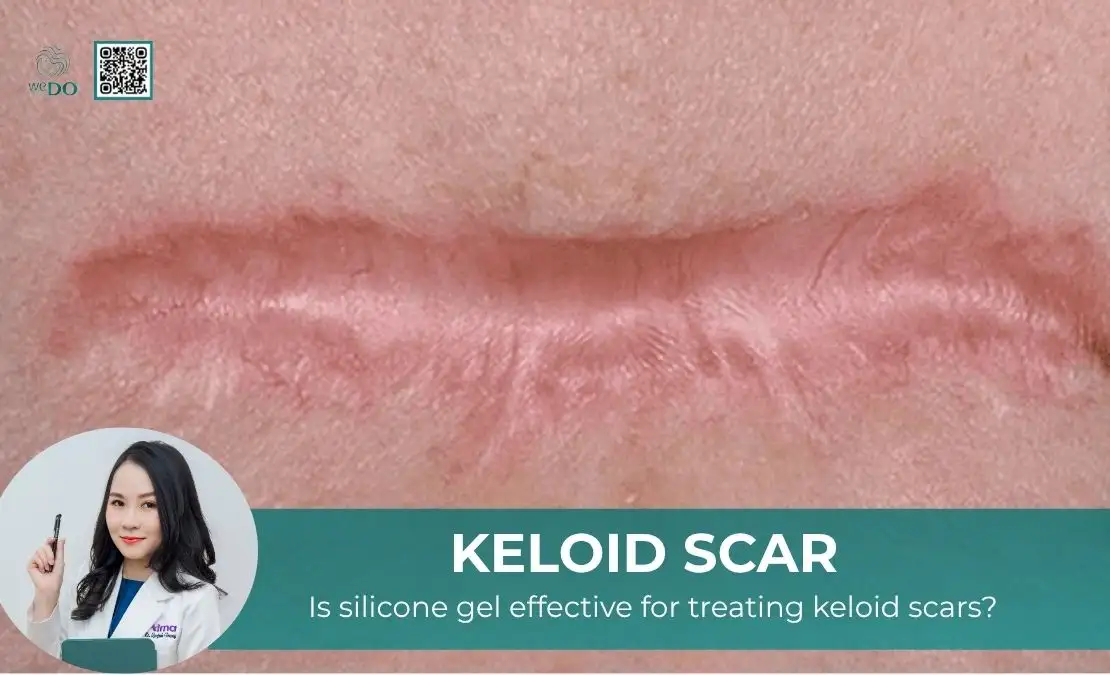
Is silicone gel effective for treating keloid scars?
Is silicone gel effective for treating keloid scars? For individuals with keloid scars, can topical treatments help flatten the scar? This is a common concern, as topical therapy is both cost-effective and non-invasive. If you are also curious, refer to the article below to find the answer. Is silicone gel effective for treating keloid scars?

What SPF level is sufficient for sunscreen?
What SPF level is sufficient for sunscreen? Does a higher SPF mean stronger and more effective sun protection? And is focusing solely on the SPF index enough to choose a suitable sunscreen for your skin? If you are also wondering about these questions, refer to the article below to find the answers. What is the
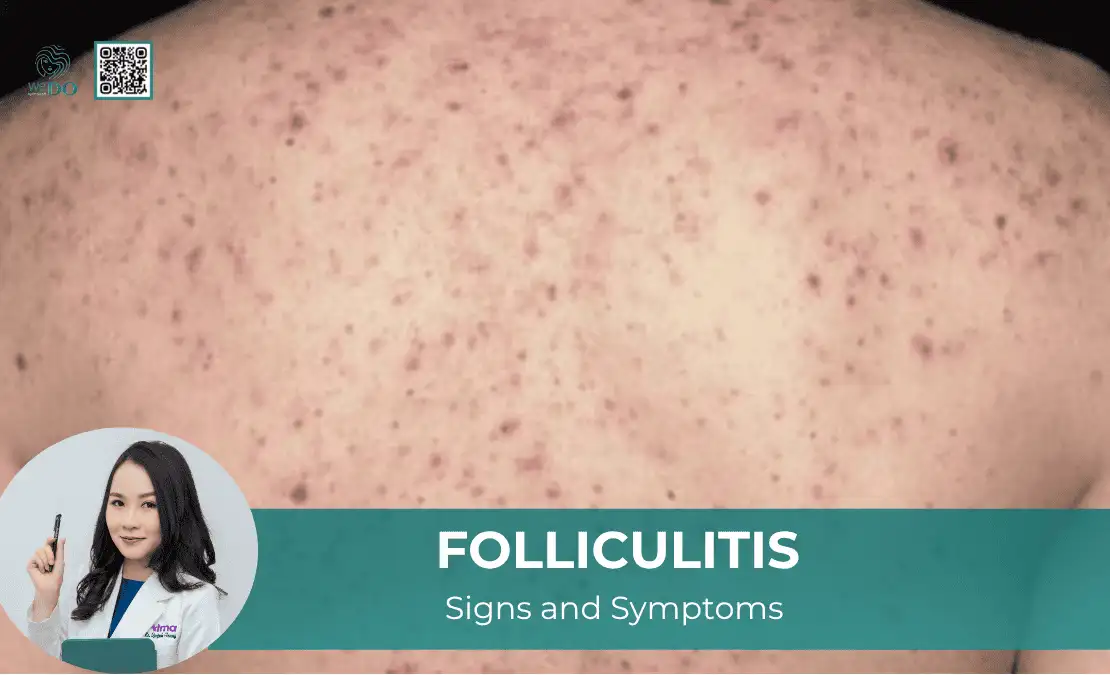
WHAT IS FOLLICULITIS AND HOW IS IT TREATED?
Folliculitis can affect anyone and may occur anywhere on the body except the palms and soles. Although it does not impact overall health, it often causes discomfort and reduces confidence due to cosmetic concerns. Without proper treatment, folliculitis tends to recur, making the skin appear less smooth. FOLLICULITIS – DEFINITION AND SIGNS AND SYMPTOMS Folliculitis
Image I Peel: Ingredients, Benefits, and Price
Peel Image (I Peel) is a familiar name among skincare enthusiasts, especially those who love chemical peels. But is this popular line really worth the hype — and what’s its price range? Let’s take a closer look. Key Ingredients of Peel Image Peel Image follows a multi-target, multi-mechanism principle — meaning it combines a variety
Does Acne Spot Treatment Really Work? Top 10 Products Recommended
Spot treatment is a familiar method for those dealing with acne-prone skin. It is simple, painless, affordable, and can be performed at home. The effectiveness depends largely on the active ingredients and the severity of acne. Benefits of Acne Spot Treatments Depending on their composition, different products serve distinct purposes, but generally, they work to:
Tác giả:
Ngày đăng: