


 VIE
VIE

Atopic Dermatitis and Potential Complications You May Be Facing
CONTENT
Atopic dermatitis is one of the most common dermatological conditions, characterized by chronic inflammation, frequent recurrence, and significant impact on quality of life if not properly managed. This condition does not only manifest on the skin — it may also lead to serious complications when left untreated. Let’s explore atopic dermatitis in detail and uncover potential complications you may be experiencing.
What Is Atopic Dermatitis?
Atopic dermatitis is a chronic inflammatory skin disorder marked by persistent dryness, itching, and recurrent rashes. It can affect individuals of all ages, but is most common in infants under two years old. Studies show that around 80% of cases begin before the age of six.
The disease often persists into adulthood. Approximately 5–15% of adolescents and young adults are affected. Globally, over 230 million people live with atopic dermatitis, with a lifetime prevalence exceeding 15%.
Although there is currently no definitive cure, proper management and skincare routines can significantly reduce symptoms and prevent flare-ups.

Signs and Symptoms of Atopic Dermatitis
As a chronic inflammatory condition, symptoms and skin lesions vary depending on age and disease stage.
In infants (0–1 year)
About 60% of cases develop during infancy, typically around 2–3 months old. Common signs include:
- Red, scaly patches on cheeks, around the mouth, forehead, neck, and skin folds
- Tiny vesicles that rupture easily, causing oozing and crusting
- Dry, crusted lesions that may become secondarily infected
- Intense itching, irritability, and sleep disturbance
- Possible mild digestive issues or ear infections
In children (2–12 years)
The condition often becomes chronic and may be associated with allergic conjunctivitis or early cataracts.
Typical symptoms:
- Dry, cracked skin with persistent itching
- Lesions commonly found on elbows, knees, wrists, ankles, and neck
- Skin thickening and darkening due to chronic scratching (lichenification)
- Initial involvement of limb extensor surfaces, later spreading to flexural areas

In adults
Symptoms may be less dramatic, but flare-ups can be chronic:
- Rough, flaky skin on neck, arms, and legs
- Persistent itching, worse at night or in cold, dry weather
- Often associated with other atopic conditions such as allergic rhinitis, asthma, or food allergies
What Causes Atopic Dermatitis?
Atopic dermatitis results from a combination of genetic, immune, and environmental factors.
Genetics
Children with one parent affected have 2–3 times higher risk. Mutations affecting filaggrin, a protein maintaining the skin barrier, increase susceptibility by impairing moisture retention and barrier function.
Weakened Skin Barrier
Damage to the skin’s outer layer leads to moisture loss and increased penetration of bacteria, allergens, and irritants, triggering flare-ups.
Immune System Dysregulation
An overactive immune response to normal environmental factors (dust, pollen, pet dander, etc.) results in chronic inflammation, redness, and itching.

Environmental Triggers
Pollution, cold dry weather, harsh soaps, fragrances, low-quality cosmetics, stress, lack of sleep, and poor diet can worsen symptoms.
Food Allergies
Common triggers include seafood, cow’s milk, eggs, and peanuts, which may activate the immune system and exacerbate flare-ups.
Complications of Atopic Dermatitis
Atopic dermatitis not only causes difficulties but also leads to many dangerous complications even though it cannot be controlled properly.
Skin Infections
Scratching breaks the skin barrier, allowing bacteria — especially Staphylococcus aureus — to enter, causing pustules, swelling, pain, and yellow crusts. Severe infection may spread and cause scarring.
Eczema Herpeticum
A severe viral complication caused by herpes simplex, leading to painful blisters, fever, and possible hospitalization for antiviral treatment.
Chronic Hand Dermatitis
Long-standing disease may lead to chronic hand eczema, especially in individuals frequently exposed to detergents or chemicals. Symptoms include dryness, cracking, peeling, and pain.
Increased Risk of Allergic Diseases
Patients may develop the atopic triad:
- Atopic dermatitis
- Allergic rhinitis
- Asthma
Psychological Impact
Persistent itching, visible lesions, and sleep disturbance may lead to reduced self-esteem, stress, anxiety, and depression.
Conclusion
Although atopic dermatitis cannot be completely cured, early diagnosis, proper treatment, and consistent skincare routines can effectively control symptoms and prevent complications. Understanding causes, symptoms, and prevention helps maintain healthy skin and a better quality of life.
Related Articles
FAQs
1. Is atopic dermatitis caused by allergies?
Not entirely, but allergies play a significant role. Individuals sensitive to pollen, dust, food, or pet dander have a higher risk. The immune system reacts excessively, triggering skin inflammation and itching.
2. Should children with atopic dermatitis avoid milk?
Not always. Only avoid cow’s milk if flare-ups occur after consumption. Always consult a pediatrician or nutritionist before eliminating dairy to prevent nutritional deficiencies.
3. Can I bathe daily if I have atopic dermatitis?
Yes. Use warm water (34–36°C) and limit showers to under 10 minutes. Choose gentle, fragrance-free cleansers and apply moisturizer within 3 minutes after bathing to lock in moisture.
4. Is atopic dermatitis affected by weather?
Yes. Flare-ups often worsen in cold, dry weather due to moisture loss. Hot, humid climates can also aggravate symptoms due to sweat and bacteria.
5. Does stress worsen atopic dermatitis?
Yes. Chronic stress can disrupt immune function, increasing inflammation and itching. Stress-reduction techniques like rest, meditation, and light exercise are helpful.

About Morpheus8 – The Rejuvenation Device Highly Sought After by Celebrities
There is a rejuvenation device that has successfully won over some of the world’s top celebrities. It is Morpheus8 – an advanced RF microneedling technology, honored to rank among the top two most popular aesthetic technologies worldwide. If you are still unfamiliar with this device and technology, explore the article below so you do not

Skintag & Mole removal: What method is good?
Skin tags and moles are common skin concerns that many people choose to remove for cosmetic reasons or personal comfort. Skin tags usually appear as small raised bumps that make the skin surface look uneven, while moles often develop when pigment cells cluster in one area instead of being distributed evenly across the skin. Sun
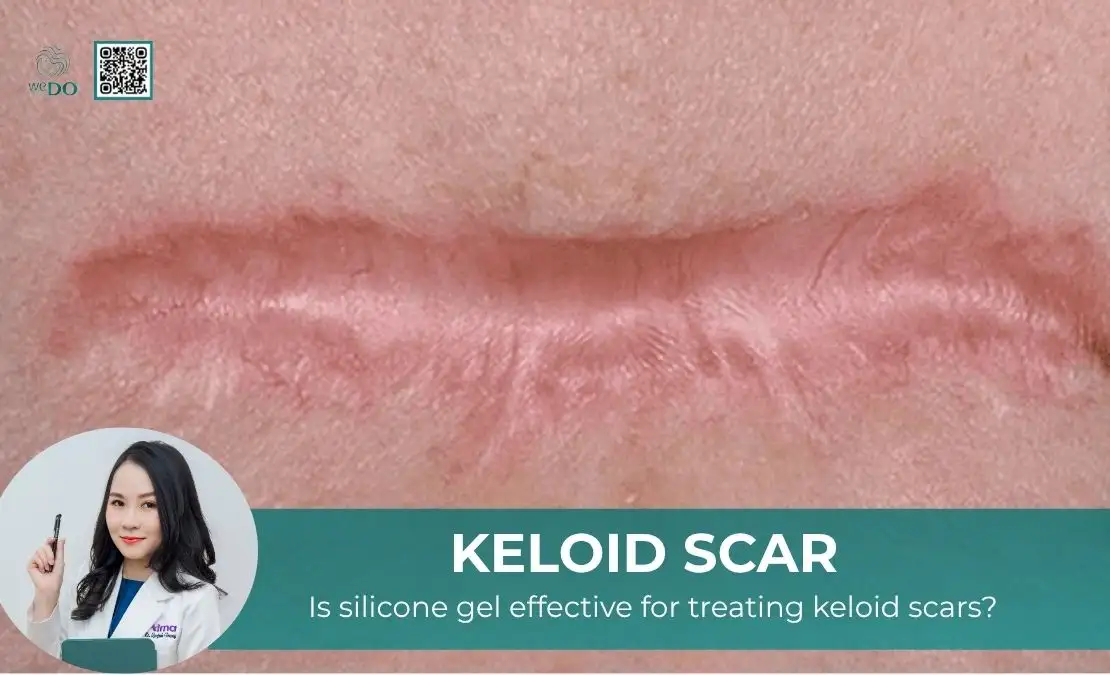
Is silicone gel effective for treating keloid scars?
Is silicone gel effective for treating keloid scars? For individuals with keloid scars, can topical treatments help flatten the scar? This is a common concern, as topical therapy is both cost-effective and non-invasive. If you are also curious, refer to the article below to find the answer. Is silicone gel effective for treating keloid scars?

What SPF level is sufficient for sunscreen?
What SPF level is sufficient for sunscreen? Does a higher SPF mean stronger and more effective sun protection? And is focusing solely on the SPF index enough to choose a suitable sunscreen for your skin? If you are also wondering about these questions, refer to the article below to find the answers. What is the
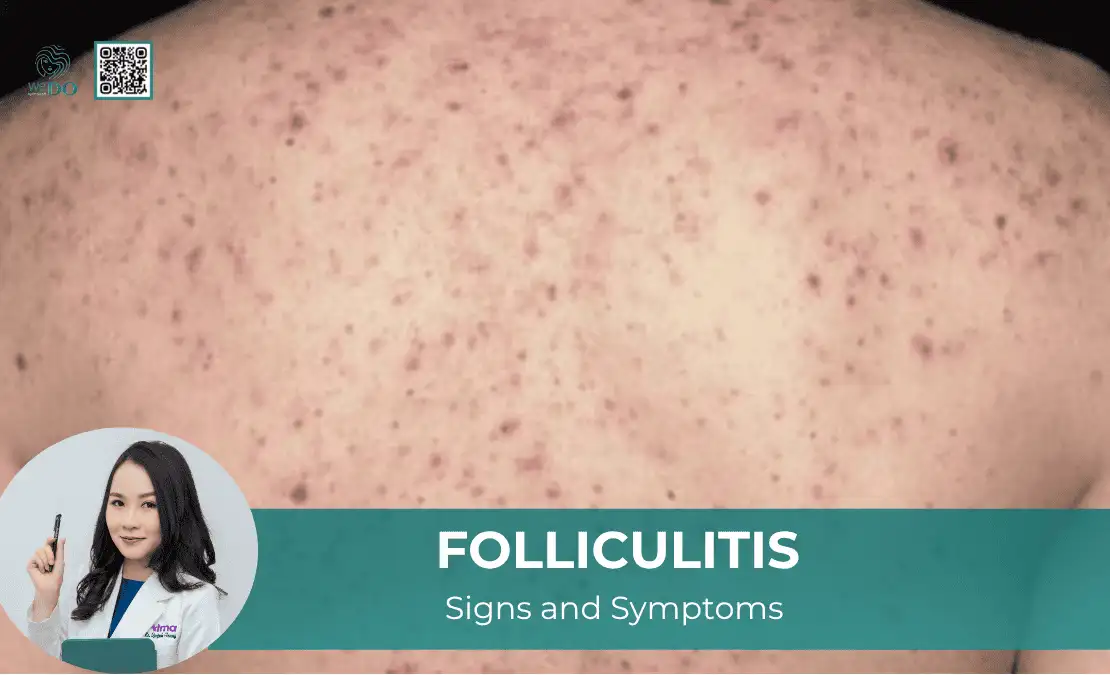
WHAT IS FOLLICULITIS AND HOW IS IT TREATED?
Folliculitis can affect anyone and may occur anywhere on the body except the palms and soles. Although it does not impact overall health, it often causes discomfort and reduces confidence due to cosmetic concerns. Without proper treatment, folliculitis tends to recur, making the skin appear less smooth. FOLLICULITIS – DEFINITION AND SIGNS AND SYMPTOMS Folliculitis
Tác giả: admin
Ngày đăng: 29/10/2025