


 VIE
VIE

Can Pregnant Women Get a Chemical Peel?
CONTENT
Chemical peel is a popular skincare treatment among women for its ability to deliver visible and rapid skin improvements. However, during pregnancy — when both the body and skin become more sensitive — any cosmetic procedure must be approached with extra care to ensure safety for both mother and baby. So, can pregnant women get a chemical peel? Let’s find out.
Understanding Chemical Peels
Before addressing whether pregnant women should undergo chemical peels, it’s important to understand how this procedure works and what benefits it offers.
What Is a Chemical Peel?

A chemical peel is a skin resurfacing procedure that uses chemical agents such as Salicylic Acid (BHA), Glycolic Acid (AHA), or Trichloroacetic Acid (TCA) to exfoliate dead cells, cleanse pores, and stimulate new skin growth. These active ingredients penetrate the epidermis, remove damaged cells in a controlled manner, and trigger the release of cytokines that promote collagen production and skin renewal.
Depending on the peel depth, the process of biological exfoliation may take 5–60 days to complete.
Levels of Chemical Peeling
Chemical peels are categorized based on how deeply they penetrate the skin:
- Superficial Peel
This is the mildest form, targeting only the outer layer of the skin. It commonly uses salicylic acid, glycolic acid, lactic acid, Jessner’s solution, or low-concentration TCA (10–25%) to treat acne, pigmentation, and sun damage. Recovery typically takes 7–10 days, and treatments can be repeated periodically to maintain results.
- Medium Peel
Medium-depth peels penetrate deeper into the epidermis, often using higher concentrations of TCA to reduce dark spots, fine lines, or shallow acne scars. Recovery lasts about 10–14 days and should be performed by trained professionals for safety.
- Deep Peel
Deep peels use phenol or other strong agents that reach the dermis to improve severe pigmentation, wrinkles, or scar tissue. Healing takes 2–3 weeks, and the procedure requires close supervision by a dermatologist.
Is Chemical Peeling Safe During Pregnancy?

Chemical peels offer impressive results for issues like acne, hyperpigmentation, and uneven texture — concerns that many expectant mothers also face due to hormonal changes. However, experts strongly advise against chemical peels during pregnancy, especially in the first trimester, because certain active ingredients such as salicylic acid, retinol, and resorcinol may pose risks to fetal development or irritate the mother’s sensitive skin.
If absolutely necessary, only very superficial peels using gentle, pregnancy-safe ingredients may be considered after the first trimester, and only under medical supervision.
Proper Steps for a Safe Peel
Following a structured peel process minimizes risks and maximizes effectiveness. A standard procedure typically includes:
- Choosing the Right Product
Select a peel suited to your skin type and concern.
– Mild peels: enzyme-based, lactic acid, glycolic acid, AHA, or low-level BHA.
– Medium peels: Trichloroacetic acid (TCA).
– Deep peels: Phenol (performed only by dermatologists).
- Patch Testing
Apply a small amount of the product to the inner wrist or arm and monitor for 24–48 hours. Proceed only if no irritation occurs.
- Preparation
Gather the necessary items — peel solution, applicator brush, Vaseline for sensitive areas, timer, cotton pads, and cold compresses.
- Application
– Cleanse the skin thoroughly.
– Protect sensitive areas with Vaseline.
– Apply the peel evenly, wait according to product instructions, then rinse off and apply a soothing moisturizer.
- Post-Peel Care
If you experience mild tingling or burning, cool the skin with ice packs and use products containing aloe vera or hyaluronic acid. For severe reactions, seek medical attention.
Conclusion
In summary, chemical peeling is not recommended during pregnancy, particularly within the first three months. While it remains an effective skincare method, safety for both mother and baby must come first. Pregnant women should opt for gentle, non-invasive skincare solutions and always consult a dermatologist before treatment. After childbirth, when the body has stabilized, mothers can safely return to more intensive skincare routines.
Related articles:
- Acne Peel Cost and Safe Clinics in Ho Chi Minh City
- Chemical Peel vs Exfoliation: Are They the Same?
- When Is It Safe to Wash Your Face After a Chemical Peel?
FAQs
1. Why shouldn’t pregnant women get a chemical peel?
Because strong ingredients like salicylic acid, retinol, or phenol can harm the fetus and irritate sensitive skin — especially during the first trimester.
2. Are there any safe options for pregnant women?
Only very superficial peels with mild ingredients, and only after the first trimester under professional guidance.
3. What makes chemical peeling so popular?
It promotes skin renewal, reduces acne and pigmentation, and boosts collagen production for smoother, brighter skin.
4. How does pregnancy affect the skin?
Hormonal changes often cause hyperpigmentation, acne, and faster aging, leading many women to seek skincare treatments.
5. When is it safe to resume chemical peeling?
The safest time is after childbirth, once the body has fully recovered and with a dermatologist’s recommendation.

About Morpheus8 – The Rejuvenation Device Highly Sought After by Celebrities
There is a rejuvenation device that has successfully won over some of the world’s top celebrities. It is Morpheus8 – an advanced RF microneedling technology, honored to rank among the top two most popular aesthetic technologies worldwide. If you are still unfamiliar with this device and technology, explore the article below so you do not

Skintag & Mole removal: What method is good?
Skin tags and moles are common skin concerns that many people choose to remove for cosmetic reasons or personal comfort. Skin tags usually appear as small raised bumps that make the skin surface look uneven, while moles often develop when pigment cells cluster in one area instead of being distributed evenly across the skin. Sun
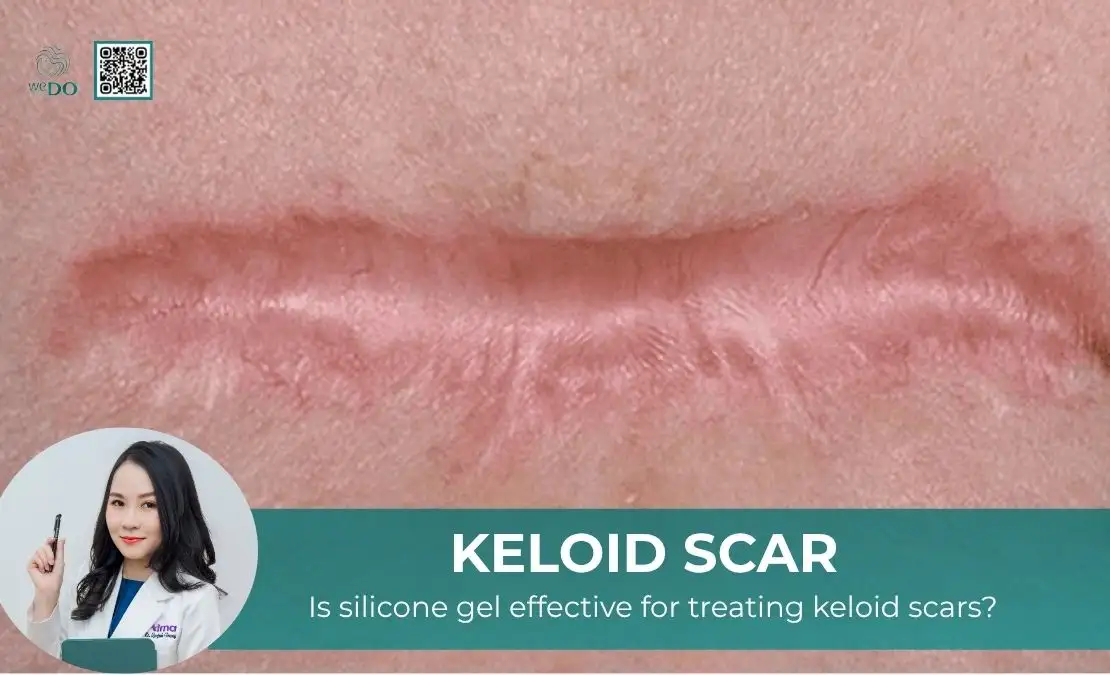
Is silicone gel effective for treating keloid scars?
Is silicone gel effective for treating keloid scars? For individuals with keloid scars, can topical treatments help flatten the scar? This is a common concern, as topical therapy is both cost-effective and non-invasive. If you are also curious, refer to the article below to find the answer. Is silicone gel effective for treating keloid scars?

What SPF level is sufficient for sunscreen?
What SPF level is sufficient for sunscreen? Does a higher SPF mean stronger and more effective sun protection? And is focusing solely on the SPF index enough to choose a suitable sunscreen for your skin? If you are also wondering about these questions, refer to the article below to find the answers. What is the
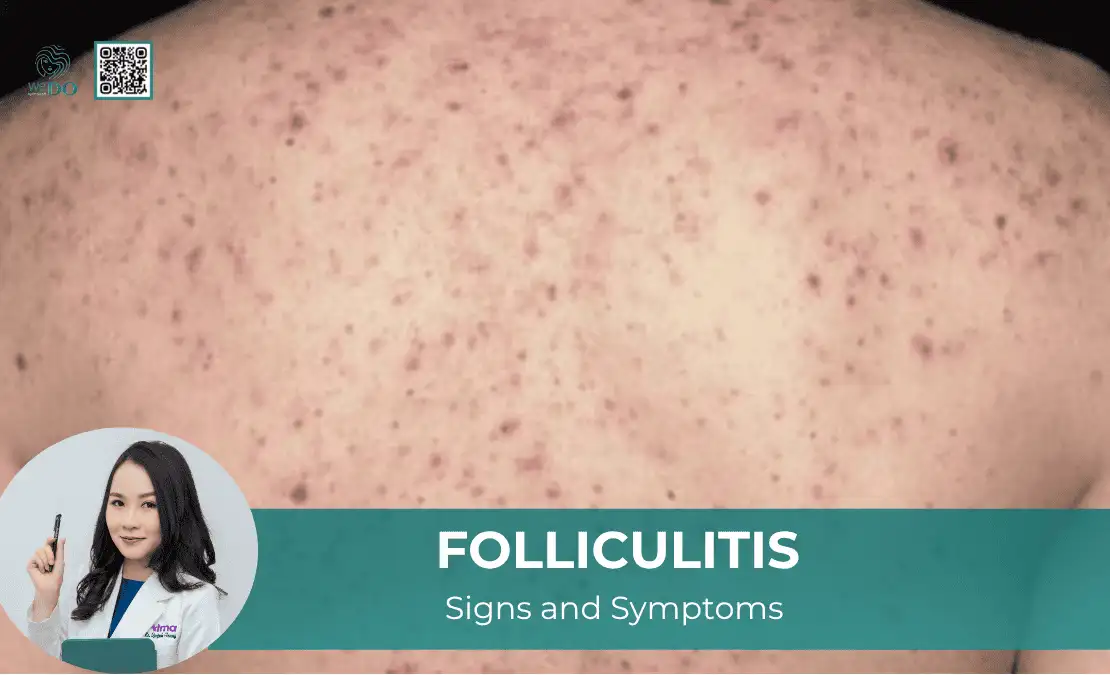
WHAT IS FOLLICULITIS AND HOW IS IT TREATED?
Folliculitis can affect anyone and may occur anywhere on the body except the palms and soles. Although it does not impact overall health, it often causes discomfort and reduces confidence due to cosmetic concerns. Without proper treatment, folliculitis tends to recur, making the skin appear less smooth. FOLLICULITIS – DEFINITION AND SIGNS AND SYMPTOMS Folliculitis
Tác giả: wedo
Ngày đăng: 27/10/2025