


 VIE
VIE

7 reasons why hidden acne turns into inflammatory acne that not everyone knows
CONTENT
Hidden acne is one of the hardest types of acne to detect, but is very common, especially in people with oily skin or those who frequently wear makeup. The concern is that many individuals experience hidden acne turning into inflammatory acne, which can lead to scarring if not treated properly. So, why does this happen? In this article, Wedo will analyze 7 reasons why hidden acne becomes inflammatory acne.
What is hidden acne? What is inflammatory acne?
Hidden acne is a non-inflammatory type of acne that lies deep under the skin, causing no redness or pain but making the skin’s surface rough and uneven. This type forms when pores are clogged with excess oil, dirt, dead skin cells, or makeup residue. If not properly cleansed, hidden acne can develop into inflammatory acne.
In contrast, inflammatory acne is acne that has become infected, characterized by red, swollen pimples that may contain pus or hard cores, often painful and prone to leaving dark scars.

Causes of hidden acne turning into inflammatory acne
Hidden acne can be a “ticking time bomb,” potentially turning into inflammatory acne at any moment due to various factors. Below are the most common causes.
Picking acne or constantly touching the skin
This is the leading cause of hidden acne worsening and easily transforming into inflammatory acne. Hands harbor numerous bacteria, dirt, and excess oil, especially when you frequently handle phones, touch keyboards, or grab door handles. Each time you touch your face, even briefly, you inadvertently transfer a host of bacteria to the skin’s surface. Moreover, attempting to pop hidden acne at home without proper medical-grade hygiene techniques can tear the epidermis and damage the skin’s structure. This creates ideal conditions for bacteria to penetrate deeper into the hair follicle, forming inflamed, pus-filled lesions, or even leading to cystic acne.
Using skincare products unsuitable for your skin type
Each skin type—oily, dry, combination, or sensitive—has unique physiological characteristics and requires specific care. Using products with overly high pH, aggressive exfoliants, or insufficient moisturizers can disrupt the skin’s natural balance and weaken its protective barrier. Additionally, overusing exfoliating products too frequently can erode the stratum corneum, damaging the skin and breaking down its natural acid mantle, making it easier for bacteria to invade and cause inflammation.
Not cleansing deeply or removing makeup thoroughly
Makeup, sunscreen, and daily fine dust are the primary culprits for clogged pores. Failing to remove makeup or cleanse properly allows impurities to accumulate around hidden acne, promoting inflammation.
Note: Even if you don’t wear makeup, you should still remove sunscreen every evening or cleanse thoroughly if you live in a polluted area.

Excessive oil production – P. acnes bacteria outbreak
Overactive sebaceous glands increase oil production, clogging hair follicles and creating a breeding ground for P. acnes bacteria. When these bacteria break down sebum and trigger an inflammatory response, hidden acne becomes swollen and painful.
Hormonal imbalances
Hormonal changes during menstrual cycles, stress, or lack of sleep increase sebaceous gland activity and make the skin more prone to inflammation. This is why hidden acne often turns inflammatory during menstruation or prolonged sleep deprivation.
Tip: Adopt a healthy diet, get enough sleep, and consume foods rich in zinc, vitamins A, and E.
Comedogenic cosmetics
Some makeup or skincare products contain pore-clogging ingredients like mineral oil or silicone, trapping hidden acne inside and causing internal inflammation.
Tip: Choose products labeled “non-comedogenic” (won’t clog pores) and avoid heavy foundations or thick makeup layers if your skin is acne-prone.
Not treating hidden acne properly from the start
Many people overlook the critical early stage when hidden acne first appears or use unsuitable topical treatments as a quick fix. Hidden acne lingering under the skin for too long can develop into larger inflammatory lesions that are harder to control.
How to prevent hidden acne from turning into inflammatory acne
The key to preventing hidden acne from becoming inflammatory is proper skincare from the start and avoiding triggers of inflammation. Here are the principles to follow.
Cleanse thoroughly without causing damage
– Prioritize makeup removal every evening, even if you don’t wear makeup.
– Use a gentle, acne-friendly cleanser to remove sebum, bacteria, and accumulated dirt.
Absolutely avoid popping acne
Hidden acne lies deep under the skin, and attempting to pop it at home can worsen the condition. Improper extraction allows bacteria from hands to enter the lesion, causing inflammation, redness, and hard-to-treat scars.
Instead of self-treating at home, opt for medical-grade comedone extraction at reputable facilities. At WEDO Skin Clinic, acne treatment protocols are personalized by dermatologists for each skin type, combining deep cleansing, sterile comedone extraction, and advanced recovery technologies to improve skin quickly and minimize scarring risks.

Moisturize and restore the skin barrier
Many fear moisturizing will increase oiliness, but in reality, dehydrated skin produces even more uncontrolled oil, creating an ideal environment for P. acnes bacteria to cause inflammatory acne.
Choose lightweight, non-comedogenic moisturizers and post-extraction recovery products with ingredients like B5, ceramides, or peptides.
Avoid overusing treatment products
Treatment products like BHA, retinol, AHA, or acne acids are potent but can erode, irritate, or dry out the skin if overused or applied incorrectly, potentially worsening acne.
Use treatments only as directed by a dermatologist or skincare expert, paired with adequate hydration and recovery to maintain the skin barrier. Remember, treatments are not “more is better” but must be used in the right dose, at the right time, for the right skin condition.
Maintain a healthy lifestyle
A healthy lifestyle is key to improving skin. Sleeping 7–8 hours nightly, drinking enough water, eating plenty of greens and fruits, and limiting spicy, greasy, or refined sugar foods help reduce inflammation and regulate oil production.
Additionally, reducing stress, engaging in light exercise, and avoiding late nights naturally balance hormones, a factor directly linked to acne.
Conclusion
Hidden acne turning into inflammatory acne is a silent process that can flare up intensely if not cared for properly. It’s not just an aesthetic issue but a warning sign of serious skin damage. Thorough cleansing, choosing suitable products, and timely treatment with dermatologists are critical to preventing hidden acne from becoming inflammatory.
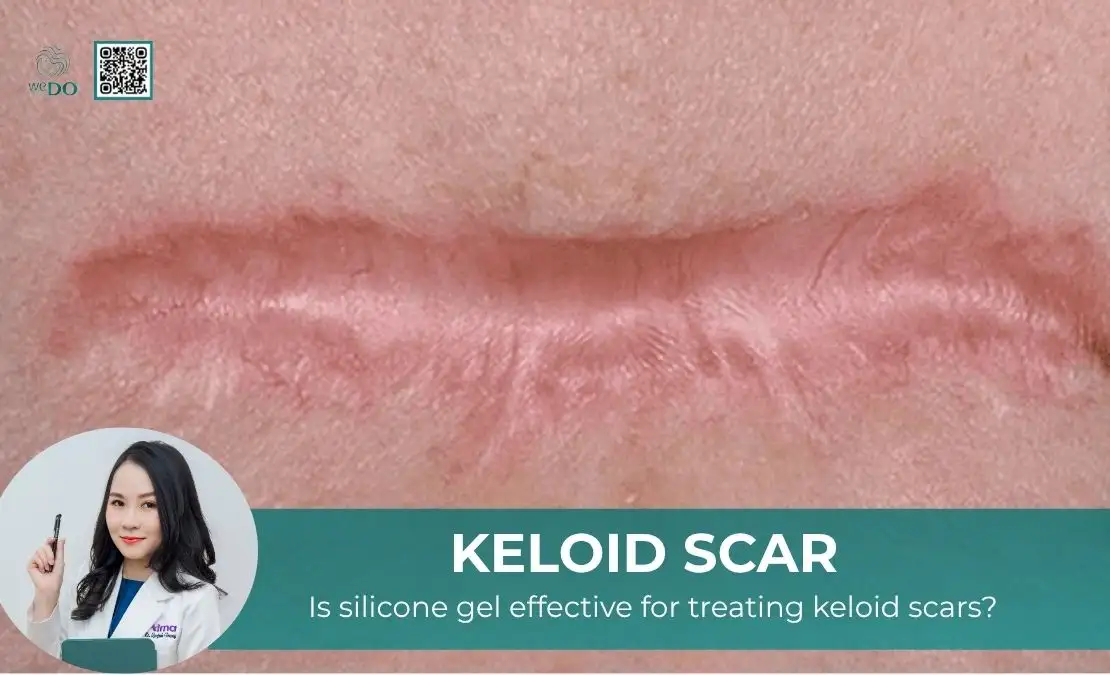
Is silicone gel effective for treating keloid scars?
Is silicone gel effective for treating keloid scars? For individuals with keloid scars, can topical treatments help flatten the scar? This is a common concern, as topical therapy is both cost-effective and non-invasive. If you are also curious, refer to the article below to find the answer. Is silicone gel effective for treating keloid scars?

What SPF level is sufficient for sunscreen?
What SPF level is sufficient for sunscreen? Does a higher SPF mean stronger and more effective sun protection? And is focusing solely on the SPF index enough to choose a suitable sunscreen for your skin? If you are also wondering about these questions, refer to the article below to find the answers. What is the
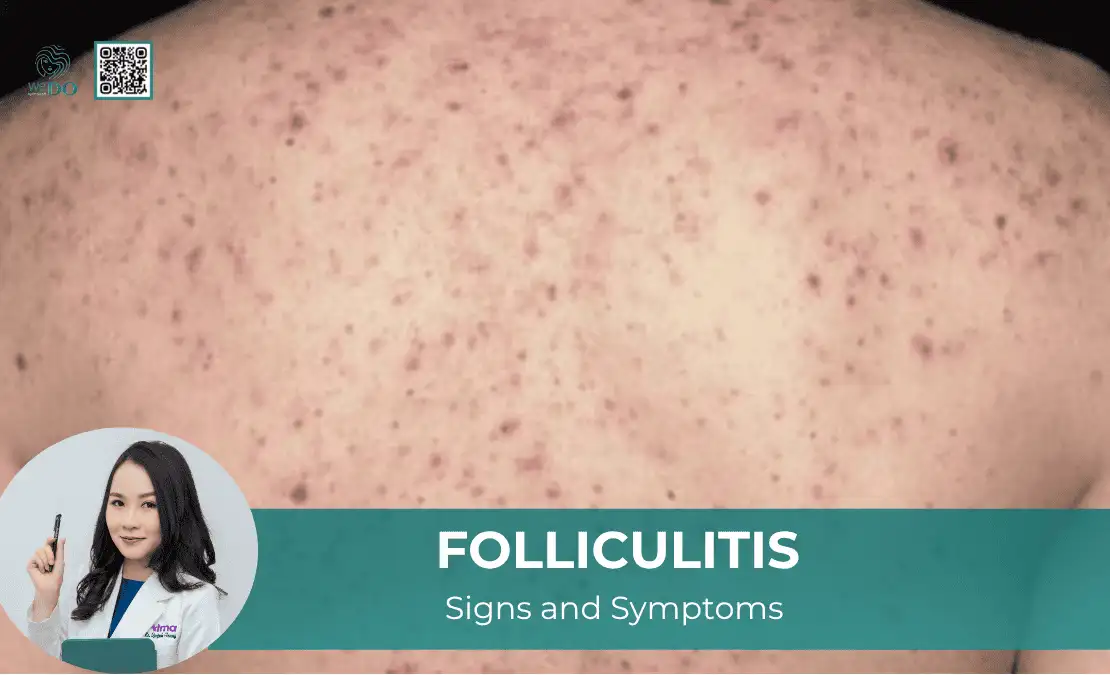
WHAT IS FOLLICULITIS AND HOW IS IT TREATED?
Folliculitis can affect anyone and may occur anywhere on the body except the palms and soles. Although it does not impact overall health, it often causes discomfort and reduces confidence due to cosmetic concerns. Without proper treatment, folliculitis tends to recur, making the skin appear less smooth. FOLLICULITIS – DEFINITION AND SIGNS AND SYMPTOMS Folliculitis
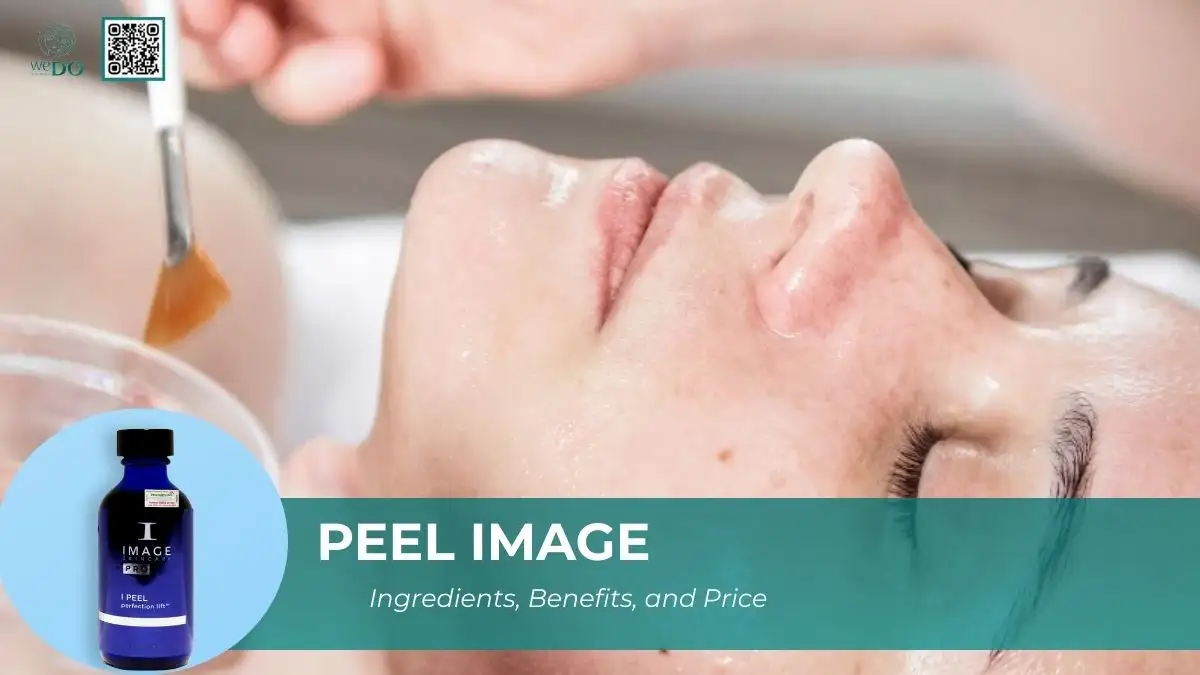
Image I Peel: Ingredients, Benefits, and Price
Peel Image (I Peel) is a familiar name among skincare enthusiasts, especially those who love chemical peels. But is this popular line really worth the hype — and what’s its price range? Let’s take a closer look. Key Ingredients of Peel Image Peel Image follows a multi-target, multi-mechanism principle — meaning it combines a variety
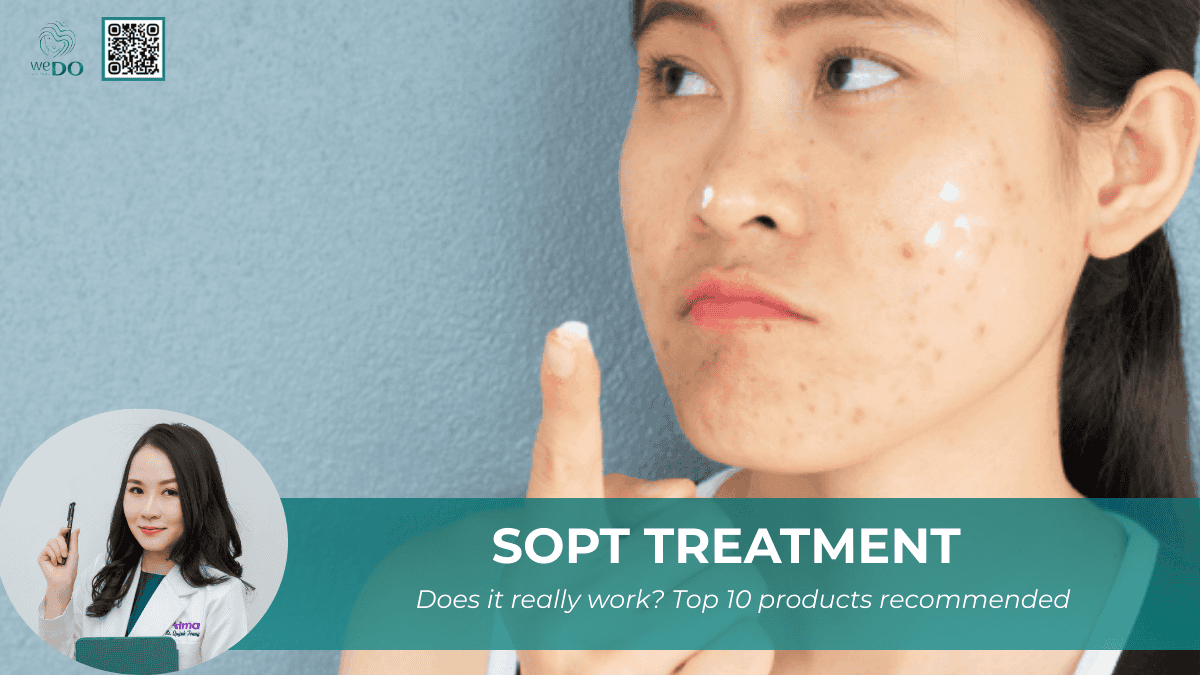
Does Acne Spot Treatment Really Work? Top 10 Products Recommended
Spot treatment is a familiar method for those dealing with acne-prone skin. It is simple, painless, affordable, and can be performed at home. The effectiveness depends largely on the active ingredients and the severity of acne. Benefits of Acne Spot Treatments Depending on their composition, different products serve distinct purposes, but generally, they work to:
Tác giả: wedo
Ngày đăng: 15/06/2025