


 VIE
VIE

5 Ingredients Sensitive Skin Should Avoid
CONTENT
skincare products can lead to irritation and flare-ups. To help you protect your skin, here are 5 ingredients that people with sensitive skin should stay away from.
Dry Alcohols – Fast-Drying but Harsh
Not all alcohols in skincare are bad. Fatty alcohols can actually help moisturize the skin. But dry alcohols (like Alcohol Denat, Ethanol, SD Alcohol) are a different story.
They evaporate quickly, which makes products dry or absorb faster. The downside? They strip away natural oils, leaving your skin dry, tight, and easily irritated. Over time, they can break down the skin barrier and make your skin weaker.
For sensitive skin, using products with dry alcohol can cause rashes, itching, peeling, redness, or even swelling. If you notice any of these symptoms, it’s best to stop using the product and consult a dermatologist.

Fragrance – A Hidden Trigger for Redness
Fragrance (or Parfum) is added to make skincare smell nice, but for sensitive skin it’s one of the most common causes of allergic reactions.
Fragrance chemicals can disrupt the skin barrier and lead to itching, redness, or rashes. Reactions can appear a few hours or even days later. People with respiratory issues may also get headaches or mild asthma symptoms from fragrance.
If you have sensitive skin, it’s safer to choose fragrance-free products.
Sulfates – Too “Squeaky Clean” for Skin
Sulfates like SLS (Sodium Lauryl Sulfate) and SLES (Sodium Laureth Sulfate) are foaming agents found in cleansers, shampoos, and body wash. They give that “super clean” feeling, but in reality, they over-cleanse the skin.
Sensitive skin, which already has a fragile barrier, can’t handle this harsh effect. Sulfates remove too much natural oil, leaving the skin dry, tight, or even stingy. In some cases, they may cause redness, itching, or breakouts.

Strong Essential Oils – Natural Doesn’t Always Mean Gentle
Essential oils sound natural and safe, but not all of them are suitable for sensitive skin. Oils like Peppermint, Citrus (orange, lemon), and Lavender can cause irritation.
-
Peppermint: Cooling at first, but often causes stinging or burning.
-
Citrus oils: Make skin more sensitive to sunlight, leading to redness, sunburn, or dark spots.
-
Lavender: Known as calming, but for some sensitive skin types, it may still cause irritation or rashes.
Strong Acids – Risky Without the Right Care
Acids such as AHA (Glycolic Acid, Lactic Acid) and BHA (Salicylic Acid) are common in acne and exfoliating products. Used correctly, they can help. But for sensitive skin, strong concentrations are risky.
Overusing acids can:
-
Thin out the skin barrier.
-
Cause stinging, peeling, or burning.
-
Lead to more breakouts instead of clearer skin, especially if you don’t moisturize or wear sunscreen afterward.
Key Takeaway
With sensitive skin, the most important rule is: always check the ingredient list before buying. Each skin type is unique, so what works for one person might not work for another. By avoiding these irritating ingredients, you can give your skin a better chance to stay calm, balanced, and healthy.
When skin problems occur, you should not self-diagnose. Instead, visit a reputable dermatology clinic, where doctors can provide an accurate diagnosis and develop a personalized treatment plan to prevent the risk of skin “erosion.”

Related articles:
- Tips for Caring for Oily Acne-Prone Skin
- Latest Cost of Platelet-Rich Plasma – PRP Injections
- POST-EXTRACTION SKINCARE: WHAT TO EAT AND AVOID FOR FASTER HEALING?
Frequently Asked Questions About Sensitive Skin Care
1. Why does sensitive skin easily experience “crisis” when cared for incorrectly?
Because its protective barrier is naturally weak, even choosing the wrong ingredients or using improper skincare methods can trigger strong reactions such as irritation, dryness, or redness.
2. How can I recognize if a product contains dry alcohol?
Check the ingredient list. If you see names like Alcohol Denat, Ethanol, or SD Alcohol, those are dry alcohols.
3. What should people with respiratory allergies be aware of when using products with fragrance?
They may experience headaches or mild asthma, so it’s best to avoid products labeled with Fragrance or Parfum.
4. Why is the “squeaky clean” feeling after cleansing not good for sensitive skin?
That sensation means the skin’s protective barrier has been stripped too much, removing natural oils and making the skin more prone to irritation.
5. What should people with sensitive skin keep in mind when using acids?
They should choose the right concentration. Strong acids can thin the skin, cause peeling, and even lead to breakouts or inflammation if not used properly.

About Morpheus8 – The Rejuvenation Device Highly Sought After by Celebrities
There is a rejuvenation device that has successfully won over some of the world’s top celebrities. It is Morpheus8 – an advanced RF microneedling technology, honored to rank among the top two most popular aesthetic technologies worldwide. If you are still unfamiliar with this device and technology, explore the article below so you do not

Skintag & Mole removal: What method is good?
Skin tags and moles are common skin concerns that many people choose to remove for cosmetic reasons or personal comfort. Skin tags usually appear as small raised bumps that make the skin surface look uneven, while moles often develop when pigment cells cluster in one area instead of being distributed evenly across the skin. Sun
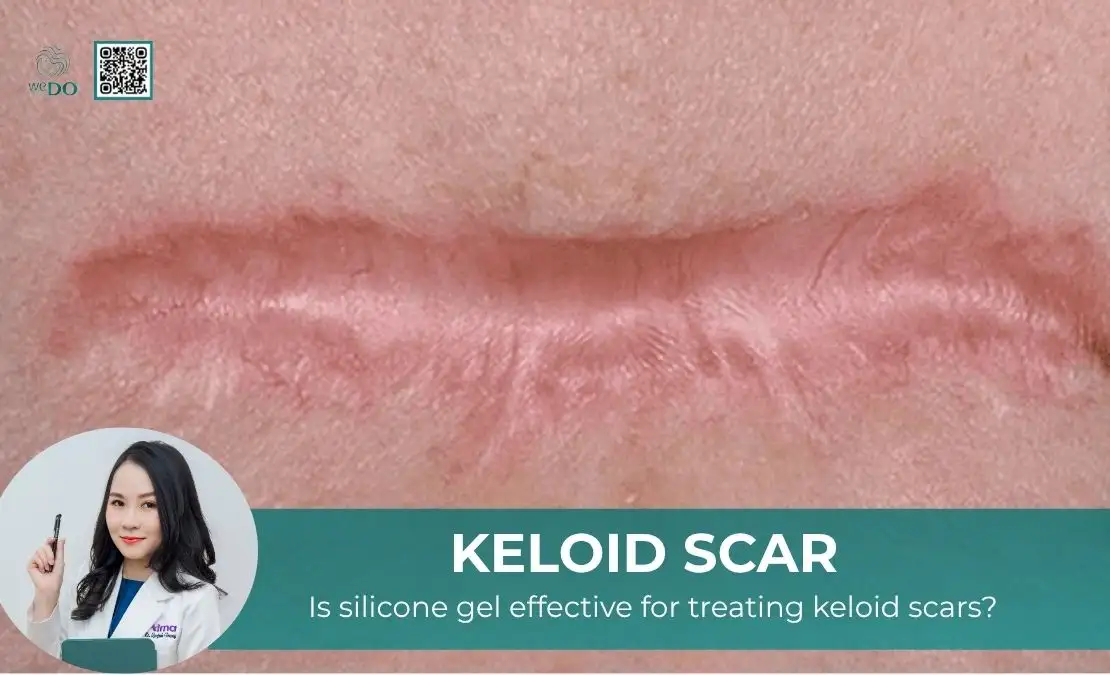
Is silicone gel effective for treating keloid scars?
Is silicone gel effective for treating keloid scars? For individuals with keloid scars, can topical treatments help flatten the scar? This is a common concern, as topical therapy is both cost-effective and non-invasive. If you are also curious, refer to the article below to find the answer. Is silicone gel effective for treating keloid scars?

What SPF level is sufficient for sunscreen?
What SPF level is sufficient for sunscreen? Does a higher SPF mean stronger and more effective sun protection? And is focusing solely on the SPF index enough to choose a suitable sunscreen for your skin? If you are also wondering about these questions, refer to the article below to find the answers. What is the
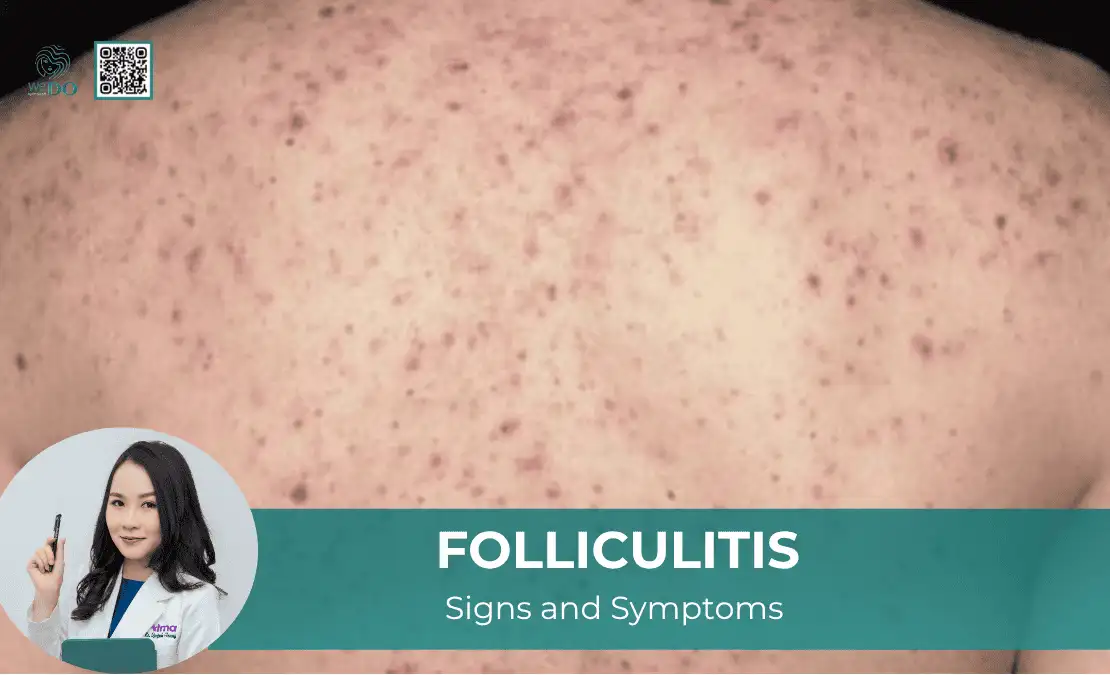
WHAT IS FOLLICULITIS AND HOW IS IT TREATED?
Folliculitis can affect anyone and may occur anywhere on the body except the palms and soles. Although it does not impact overall health, it often causes discomfort and reduces confidence due to cosmetic concerns. Without proper treatment, folliculitis tends to recur, making the skin appear less smooth. FOLLICULITIS – DEFINITION AND SIGNS AND SYMPTOMS Folliculitis
Tác giả: Huong Giang
Ngày đăng: 23/09/2025