


 VIE
VIE

Will pimples go away on their own if you don’t pop them? What happens if you don’t pop them?
CONTENT
Many people fear that popping pimples will leave dark spots, scars, or enlarged pores, affecting their appearance. So, can pimples go away on their own without popping? Or will this make the skin condition worse? Let’s explore with WEDO Skin Clinic in the article below to find the most accurate answer.

Can pimples go away without popping?
Depending on the type of pimple and the body’s recovery mechanism, a few types of pimples may resolve on their own without being popped. However, this self-healing process can be challenging, with a low success rate and potential unwanted consequences.
The mechanism of pimples disappearing on their own
Some mild pimples, such as blackheads, whiteheads, papules, or small, inflamed pimples, can completely subside and disappear without popping. This is due to the body’s self-regulating mechanism: when the immune system identifies the pimple’s core as a “foreign object,” it triggers an inflammatory response to encapsulate and eliminate it. Afterward, dead skin cells and sebum dry up, flake off, and are expelled from the pore.
However, this mechanism doesn’t always guarantee that pimples will disappear, especially in cases of severe inflamed pimples, deep pimples, or persistent ones. If left untreated and simply “waited out,” the skin may become rough, uneven, and less vibrant.
Likelihood of different types of pimples resolving on their own
Below is the likelihood of various types of facial pimples resolving on their own, including:
- Blackheads: Rarely resolve completely on their own. Blackheads are accumulations of sebum and dead skin cells that oxidize, forming a “plug” in the pore. If not extracted, they can persist for a long time, causing enlarged pores and aesthetic issues.
- Whiteheads: Have a better chance of resolving than blackheads, but not always. Some small whiteheads may dry up and flake off after a few days or weeks. However, many cases persist or develop into inflamed pimples if untreated.
- Clogged pores (comedonal acne): Often difficult to resolve completely and require a long time. These are pimples deep beneath the skin’s surface without a clear head. They can linger for months or even years, creating a rough skin texture. This type of acne can easily flare up into inflamed pimples when triggered by factors like touching, bacteria, or hormonal changes.
- Inflamed pimples and pustules:
- Small inflamed pimples: Some minor, small inflamed pimples may subside after a few days if the body has good anti-inflammatory capabilities and you maintain proper skin hygiene.
- Pustules: Pimples with white pus in the center. If small, the pus may rupture and dry up on its own. However, the likelihood of pustules resolving without leaving scars or dark spots is very low. Therefore, it’s best to visit reputable acne treatment centers for professional treatment to avoid infection.
- Cystic and nodular acne: Never resolve on their own and are the most severe type of acne. These are deep, inflamed, swollen, painful pimples with cores deep in the skin, possibly containing pus or fluid. They require specialized medical treatment with advanced technologies like IPL, laser, etc., under the supervision of a dermatologist. If untreated, they persist for a long time, causing severe structural skin damage and inevitably leaving pitted or raised scars permanently.
You can learn more about whether clogged pores resolve on their own to better understand this type of acne and appropriate treatment methods!

Factors affecting the likelihood of pimples resolving on their own
The ability of pimples to resolve on their own depends not only on the type of pimple but also on several personal factors, including:
- Skin type: Healthy skin with a strong immune system and high recovery ability can help pimples resolve faster. Conversely, sensitive or inflammation-prone skin struggles to self-heal.
- Skincare habits: Proper cleansing, using suitable products like gentle cleansers, non-comedogenic moisturizers, and topical acne treatments, support the skin’s self-healing process. However, improper care or unsuitable products can irritate the skin, worsening acne.
- Diet: Consuming excessive sugar, fast food, or dairy can quickly trigger acne development. According to dermatologists, a diet rich in greens, fruits, and water acts as a “shield” for healthier skin.
- Hormones and stress: Internal factors like hormonal imbalances or prolonged stress can stimulate sebum production, increasing acne formation and making it harder for pimples to resolve on their own.
- Severity of acne: Mild, sparse pimples are more likely to resolve on their own than severe, widespread acne.

What happens if you don’t pop pimples?
The decision to pop or not pop pimples is often debated, as frequent popping can enlarge pores. However, if we choose not to intervene, what awaits those “annoying” pimples on the skin?
Positive scenario: Pimples form a core, dry up, and the skin regenerates
In rare cases of small pimples, mild inflamed pimples, or immature whiteheads, the body may self-heal. The immune system works to eliminate bacteria and address the pimple’s core. The core may form, dry up, and gradually flake off without physical intervention. The skin then regenerates, leaving relatively intact skin.
However, this scenario is rare and depends on factors like skin type, skin resilience, and acne severity.

Negative scenario: Worsening inflammation, bacterial buildup, and risk of permanent scars and dark spots
Most types of pimples, if left untreated, can worsen. Below are some typical cases:
- Worsening inflammation and bacterial buildup: When not removed, the pimple’s core remains deep in the pore, creating an anaerobic environment ideal for P. acnes bacteria to thrive. Unpopped blackheads or clogged pores can become inflamed, turning into inflamed pimples or pustules.
- Progressing to cystic or nodular acne: The most severe outcome. Prolonged inflammation and deep core buildup can rupture the follicle wall, causing pimples to develop into cystic or nodular acne. These types are intensely painful, significantly swollen, and very difficult to treat.
- Risk of permanent pitted scars and post-acne dark spots: When inflamed pimples, cystic, or nodular acne rupture or remain inflamed for long periods, they damage the skin’s collagen and elastin structure. This leads to permanent pitted scars, which are very hard to repair. Additionally, inflammation triggers excessive melanin production, causing persistent dark spots that may last for a long time or never fade without proper intervention.

When is it necessary to extract the pimple’s core?
To prevent pimples from worsening, leaving dark spots, and causing rough, uneven skin, you should have the pimple’s core extracted at reputable acne treatment clinics, especially in the following cases:
- Deep, persistent clogged pores that don’t subside: These are pimples deep under the skin, feeling rough but without a clear head. They can persist for a long time, making the skin’s surface uneven and prone to flaring into inflamed pimples at any moment. This is when they need to be removed using medical-grade methods to avoid skin damage.
- Blackheads and whiteheads with formed cores: These pimples have dry, hard cores near the skin’s surface. If not extracted, they cause prolonged pore clogging, enlarging pores and increasing the risk of inflammation.
- Large inflamed pimples or pustules causing pain: While heavily inflamed pimples shouldn’t be popped, if a large “ripe” pustule causes prolonged pain and discomfort without subsiding, professional extraction can clear the pus, relieve pressure, and promote healing.
Risks of popping pimples at home
Popping pimples at home can cause serious skin damage, such as worsening inflammation, prolonged dark spots, spreading and recurring acne, skin and blood vessel damage, and even permanent scarring. Therefore, for absolute safety and optimal results, you should visit reputable dermatology clinics like WEDO Skin Clinic for professional pimple extraction.
Dermatologists or skincare specialists will accurately assess the acne condition and determine which pimples can be extracted. Technicians will then follow the dermatologist’s evaluation and use specialized equipment to extract the core without damaging surrounding tissues.
Immediately after extraction, professional technicians will sterilize the area with advanced technology to minimize infection and acne spread risks, while applying soothing and anti-inflammatory methods to promote rapid skin recovery.

Thus, through the article above, you’ve answered the question “Can pimples go away without popping?” It’s clear that this depends on the type of pimple, individual skin type, and other factors, but the likelihood of self-resolution is low. Therefore, when acne flares up, you should visit reputable dermatology clinics for examination, consultation, and timely core extraction to prevent worsening conditions.
WeDo District 1 – Tran Doan Khanh Street
- Hotline/Zalo/Whatsapp: 0898898875
- Address: 11 Tran Doan Khanh Street, Da Kao Ward, District 1, HCMC
WeDo District 2 – Thai Thuan Street
- Hotline/Zalo/Whatsapp: 0707196622
- Address: 17 Thai Thuan Street, An Phu Ward, Thu Duc City, HCMC
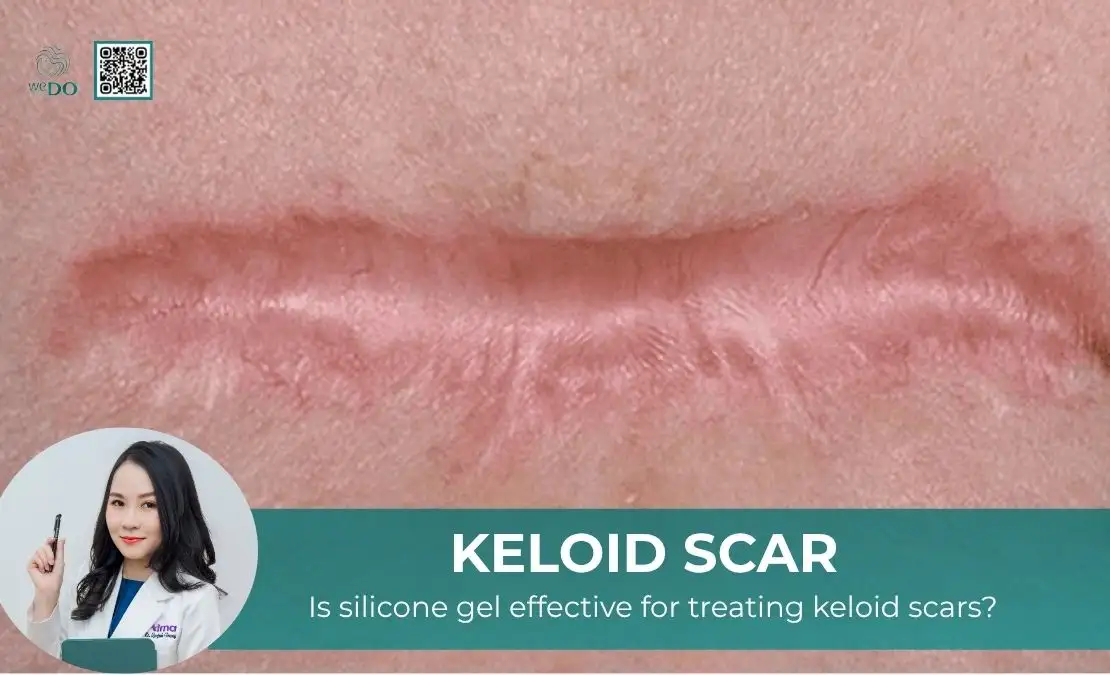
Is silicone gel effective for treating keloid scars?
Is silicone gel effective for treating keloid scars? For individuals with keloid scars, can topical treatments help flatten the scar? This is a common concern, as topical therapy is both cost-effective and non-invasive. If you are also curious, refer to the article below to find the answer. Is silicone gel effective for treating keloid scars?

What SPF level is sufficient for sunscreen?
What SPF level is sufficient for sunscreen? Does a higher SPF mean stronger and more effective sun protection? And is focusing solely on the SPF index enough to choose a suitable sunscreen for your skin? If you are also wondering about these questions, refer to the article below to find the answers. What is the
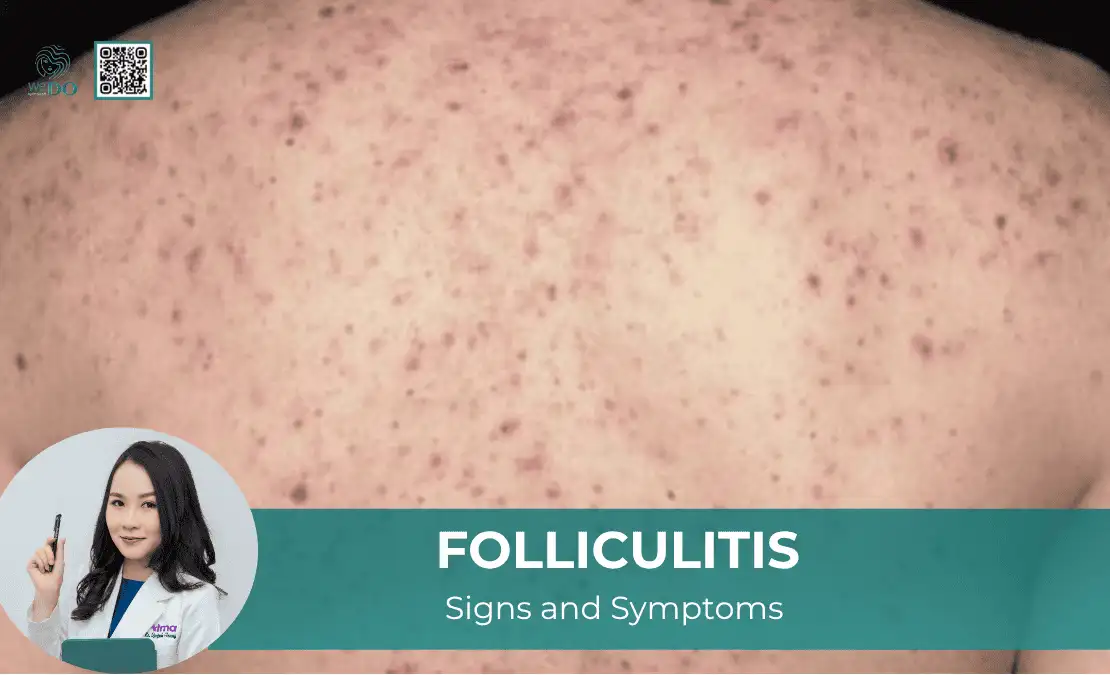
WHAT IS FOLLICULITIS AND HOW IS IT TREATED?
Folliculitis can affect anyone and may occur anywhere on the body except the palms and soles. Although it does not impact overall health, it often causes discomfort and reduces confidence due to cosmetic concerns. Without proper treatment, folliculitis tends to recur, making the skin appear less smooth. FOLLICULITIS – DEFINITION AND SIGNS AND SYMPTOMS Folliculitis
Image I Peel: Ingredients, Benefits, and Price
Peel Image (I Peel) is a familiar name among skincare enthusiasts, especially those who love chemical peels. But is this popular line really worth the hype — and what’s its price range? Let’s take a closer look. Key Ingredients of Peel Image Peel Image follows a multi-target, multi-mechanism principle — meaning it combines a variety
Does Acne Spot Treatment Really Work? Top 10 Products Recommended
Spot treatment is a familiar method for those dealing with acne-prone skin. It is simple, painless, affordable, and can be performed at home. The effectiveness depends largely on the active ingredients and the severity of acne. Benefits of Acne Spot Treatments Depending on their composition, different products serve distinct purposes, but generally, they work to:
Tác giả: wedo
Ngày đăng: 15/06/2025