


 VIE
VIE

Will hormonal acne go away on its own? How long does it take?
CONTENT
Hormonal acne is one of the most common dermatological issues, but also one of the most misunderstood. Many people believe that hormonal acne only occurs during puberty and will disappear over time. However, this is not always the case. Hormonal acne can persist, especially in adult women, due to hormonal imbalances, stress, or an unhealthy diet. If not properly managed, acne can worsen, leaving scars and dark spots, significantly affecting confidence. So, does hormonal acne go away on its own? If it does, how long does it take for the skin to recover? Let’s explore the details in the article below.

Causes of Persistent Hormonal Acne
Hormonal acne originates from hormonal imbalances in the body, particularly the increase in androgens (male hormones present in both men and women). Androgens stimulate sebaceous glands to produce more oil, clogging pores and creating an environment conducive to the growth of P. acnes bacteria, leading to inflammation and acne formation.
Several factors contribute to persistent hormonal acne, including:
- Prolonged hormonal imbalances: Occurs during puberty, pregnancy, postpartum, menopause, or due to polycystic ovary syndrome (PCOS).
- Unhealthy diet: Consuming foods high in sugar, dairy, and processed items can increase insulin levels and stimulate androgen production.
- Chronic stress: Stress elevates cortisol levels, causing hormonal imbalances and exacerbating acne.
- Improper use of cosmetics and medications: Certain contraceptives, corticosteroids, or oil-based cosmetics can disrupt hormones and worsen acne.

Does Hormonal Acne Go Away on Its Own?
This is a common question for those dealing with prolonged acne. In fact, hormonal acne can go away on its own, but this depends on various factors such as genetics, hormonal stability, lifestyle habits, and daily diet.
Cases Where Hormonal Acne Can Resolve on Its Own
Hormonal acne may resolve in the following cases:
- Acne caused by temporary hormonal changes: During puberty or when the body naturally regulates hormones, acne may subside without much intervention.
- Improved lifestyle and diet: Adjusting eating habits, reducing stress, getting enough sleep, and proper skincare can help acne gradually disappear.
- Absence of underlying medical conditions: Individuals without PCOS or other hormonal disorders tend to recover from acne more quickly.

Cases Where Hormonal Acne Does Not Resolve on Its Own
In some cases, hormonal acne does not resolve on its own and may persist without proper treatment:
- Polycystic Ovary Syndrome (PCOS): This is a common cause of prolonged hormonal imbalances and persistent acne. PCOS leads to excessive androgen production, which stimulates sebaceous glands, clogs pores, and causes acne.
Additionally, PCOS is linked to insulin resistance, causing the body to produce more insulin to regulate blood sugar levels. High insulin levels also stimulate sebaceous glands to secrete more oil, worsening acne. Without addressing the root cause, hormonal acne caused by PCOS can persist for years.
- Hormonal acne in adults: Not limited to puberty, women over 25 can experience hormonal acne due to prolonged hormonal imbalances. Factors such as irregular menstrual cycles, stress, sleep deprivation, unhealthy diets, or excessive cosmetic use can cause fluctuations in hormone levels, particularly estrogen and progesterone. When estrogen levels drop, androgens dominate, stimulating sebaceous glands and causing acne, primarily on the chin, jawline, and cheeks. Thus, adult women can still suffer from hormonal acne, especially before menstruation or during prolonged stress.
- Prolonged hormonal imbalances: Without corrective measures, the body may continue producing excessive androgens, maintaining acne over time. Factors such as diets high in sugar, dairy, processed foods, or chronic stress and sleep deprivation can increase insulin and cortisol levels, two hormones associated with androgen production.
When androgen levels remain high, sebaceous glands continue to overproduce oil, clogging pores and forming acne. Therefore, effective hormonal acne management requires balancing hormones through diet, lifestyle, and appropriate medical treatments.

How Long Does Hormonal Acne Take to Go Away? Should You Wait for It to Resolve?
The duration of hormonal acne resolution depends on its causes and specific conditions:
- Hormonal acne during puberty: May last 3-5 years and gradually subside as hormones stabilize.
- Acne related to menstrual cycles: Typically lasts a few days to a week and recurs with each cycle.
- Acne caused by stress or diet: May persist for months if lifestyle habits are not changed.
Waiting for acne to resolve on its own is not always the best option. Without timely intervention, acne can leave scars, dark spots, and impact mental health. Instead of hoping for acne to disappear naturally, visit a reputable dermatology clinic like WEDO, where experienced dermatologists can diagnose the root cause and provide a tailored treatment plan, helping you regain healthy, smooth skin.
What to Do If Hormonal Acne Doesn’t Go Away? Expert Advice
According to dermatologists, if hormonal acne persists and doesn’t resolve on its own, you can consider the following methods:
- Adjust your diet: Reduce consumption of sugar, dairy, and processed foods. Instead, incorporate more vegetables, omega-3-rich foods, and drink plenty of water to reduce inflammation and balance hormones.
- Manage stress: Practice meditation, yoga, or regular exercise to control cortisol levels and minimize its negative effects on your skin.
- Take medications as prescribed by your doctor: Certain medications like birth control pills, spironolactone (anti-androgen drugs), isotretinoin (for severe acne), or antibiotics may be recommended based on your acne condition.
- Follow a proper skincare routine: Use gentle cleansers, non-comedogenic moisturizers, and avoid products containing alcohol or mineral oils to prevent skin irritation.
- Consult a dermatologist: If acne persists and shows no signs of improvement, visit a dermatologist for advice and a suitable treatment plan.
Hormonal acne can resolve on its own in some cases. However, without appropriate intervention, the condition may persist, impacting your skin and mental health. Don’t just wait for acne to vanish—take proactive steps to change your lifestyle and apply effective treatment methods to maintain healthy skin. If acne doesn’t improve, consult a dermatologist for timely advice and treatment.
Contact Information:
- Contact us for a free consultation and appointment!
———————–———————–
WeDo Skin Clinic
- Website: wedoskinclinic.com
- Fanpage: 𝗠𝗲𝗱𝗱𝗶 𝗦𝗸𝗶𝗻 | Meddi Skin Clinic & Spa | Wedo by Dr.Meddi
———————–———————–
WeDo District 1 – Tran Doan Khanh Street
- Hotline/Zalo: 0898898875
- WhatsApp: +84898898875
- Address: 11 Tran Doan Khanh Street, Da Kao Ward, District 1, HCMC
WeDo District 2 – Thai Thuan Street
- Hotline/Zalo: 0707196622
- WhatsApp: +84707196622
- Address: 17 Thai Thuan Street, An Phu Ward, Thu Duc City, HCMC
———————–———————–
- YouTube: https://www.youtube.com/@Wedoskinclinic
- TikTok: https://www.tiktok.com/@wedo.skin.clinic
- Instagram: https://www.instagram.com/drmeddiskin/
- Pinterest: https://www.pinterest.com/wedoskin/
- X: https://x.com/wedoskinclinic
- LinkedIn: https://vn.linkedin.com/company/meddi-skin
———————–———————–
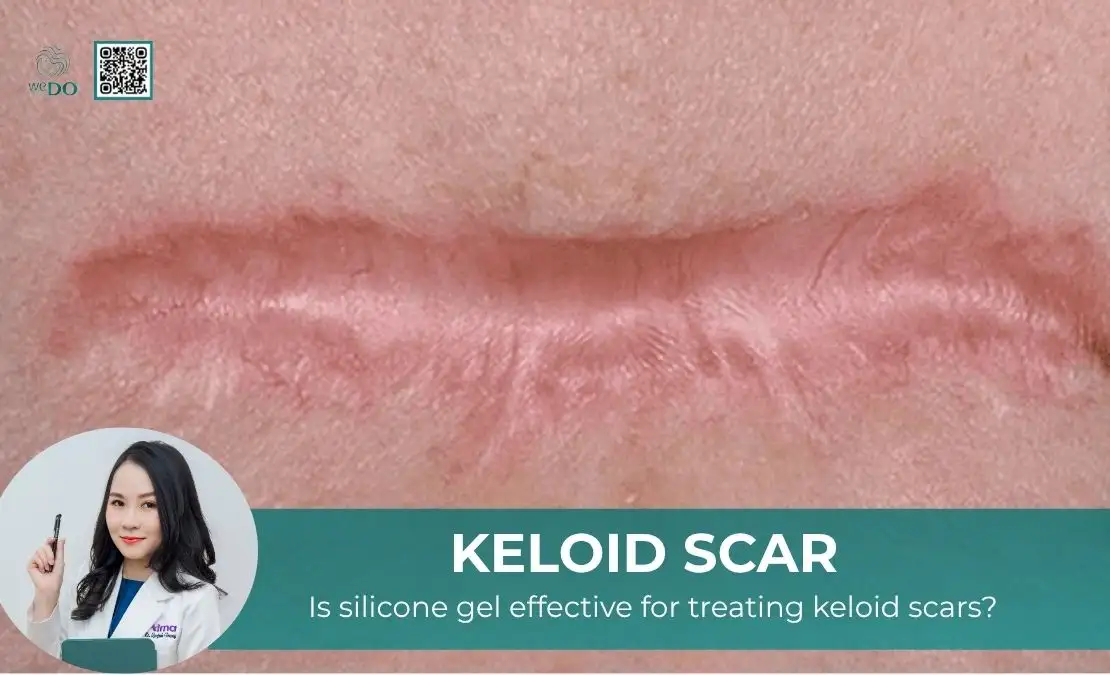
Is silicone gel effective for treating keloid scars?
Is silicone gel effective for treating keloid scars? For individuals with keloid scars, can topical treatments help flatten the scar? This is a common concern, as topical therapy is both cost-effective and non-invasive. If you are also curious, refer to the article below to find the answer. Is silicone gel effective for treating keloid scars?

What SPF level is sufficient for sunscreen?
What SPF level is sufficient for sunscreen? Does a higher SPF mean stronger and more effective sun protection? And is focusing solely on the SPF index enough to choose a suitable sunscreen for your skin? If you are also wondering about these questions, refer to the article below to find the answers. What is the
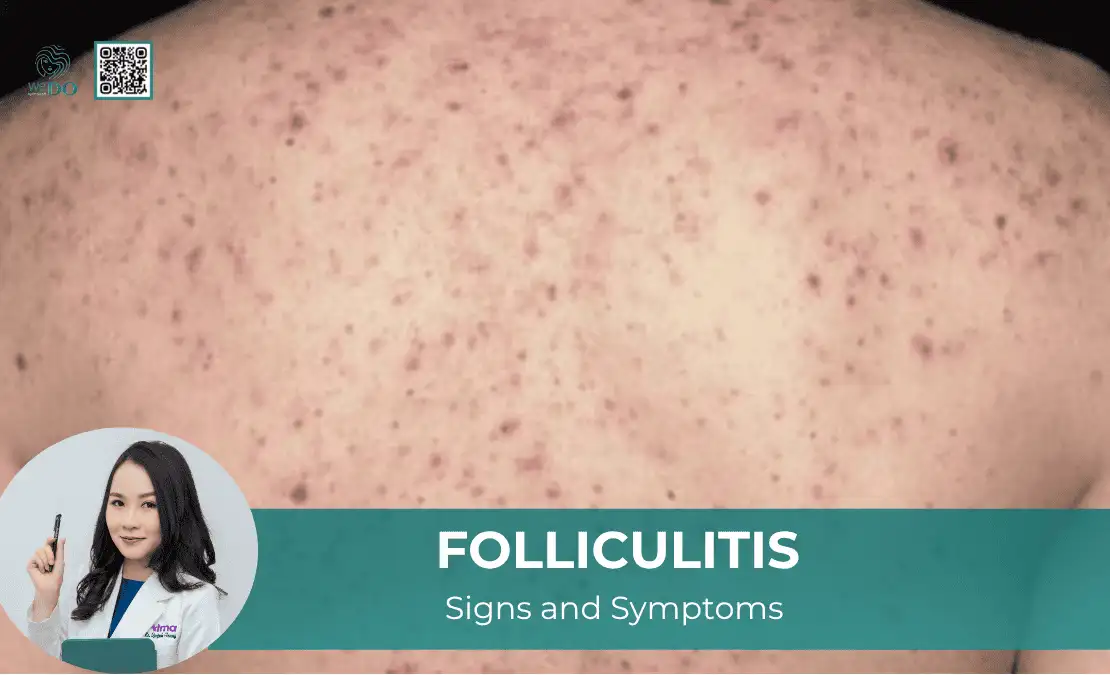
WHAT IS FOLLICULITIS AND HOW IS IT TREATED?
Folliculitis can affect anyone and may occur anywhere on the body except the palms and soles. Although it does not impact overall health, it often causes discomfort and reduces confidence due to cosmetic concerns. Without proper treatment, folliculitis tends to recur, making the skin appear less smooth. FOLLICULITIS – DEFINITION AND SIGNS AND SYMPTOMS Folliculitis
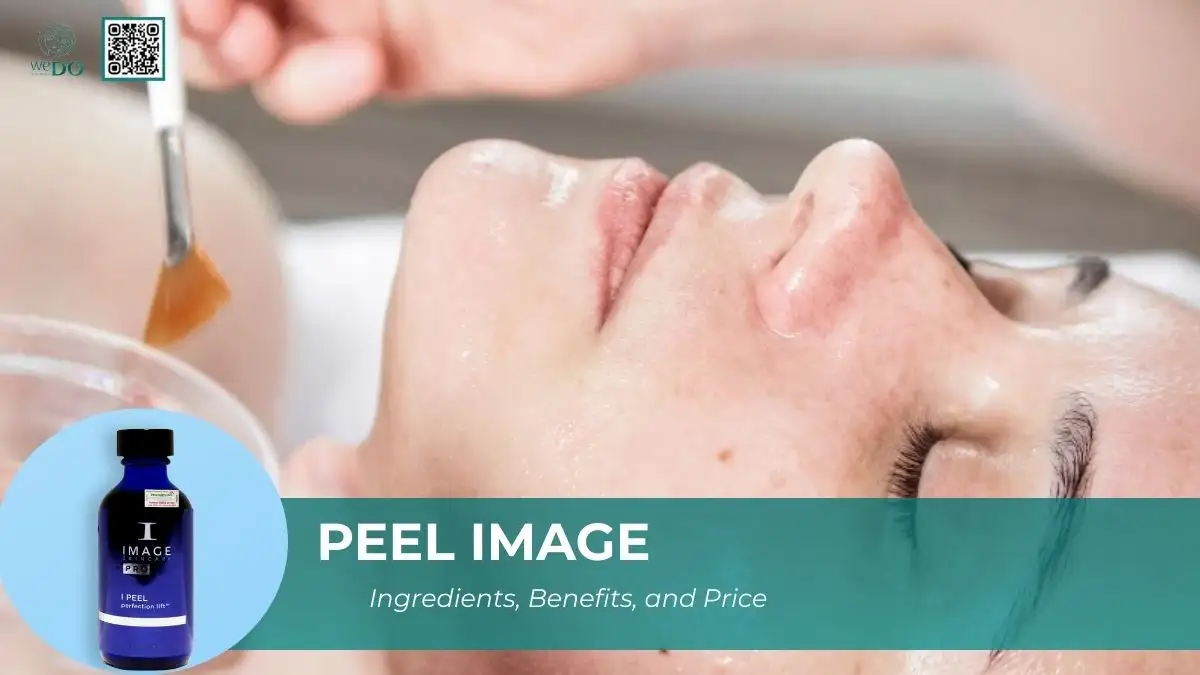
Image I Peel: Ingredients, Benefits, and Price
Peel Image (I Peel) is a familiar name among skincare enthusiasts, especially those who love chemical peels. But is this popular line really worth the hype — and what’s its price range? Let’s take a closer look. Key Ingredients of Peel Image Peel Image follows a multi-target, multi-mechanism principle — meaning it combines a variety
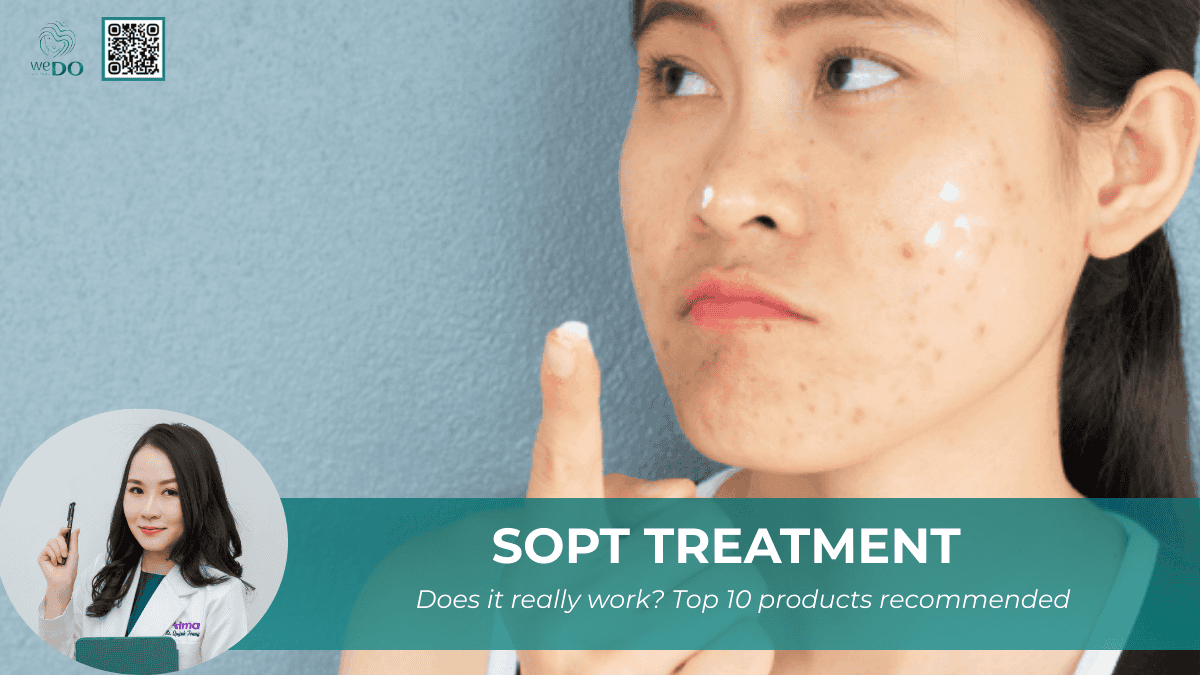
Does Acne Spot Treatment Really Work? Top 10 Products Recommended
Spot treatment is a familiar method for those dealing with acne-prone skin. It is simple, painless, affordable, and can be performed at home. The effectiveness depends largely on the active ingredients and the severity of acne. Benefits of Acne Spot Treatments Depending on their composition, different products serve distinct purposes, but generally, they work to:
Tác giả: wedo
Ngày đăng: 08/03/2023