


 VIE
VIE

Will blackheads turn into moles if left for a long time? Is it okay to leave them for a long time?
CONTENT
Blackheads, also known as open comedones, are a common form of skin lesion characterized by small black or dark brown spots appearing on the skin’s surface. In folklore, blackheads are often mistaken for other types of skin blemishes, leading to misconceptions about their origin and treatment. This raises the question of whether blackheads can turn into moles, as well as the potential consequences when blackheads are not treated promptly.
Mechanism of Blackhead Formation
Blackheads, or open comedones, form due to a combination of physiological and environmental factors affecting the pores. The process begins with the overproduction of sebum, an oily substance naturally produced by sebaceous glands to moisturize and protect the skin. When sebaceous glands are overly active, excess oil accumulates along with dead skin cells on the skin’s surface.
This condition clogs the pores, creating an environment for blackheads to develop beneath the skin. Unlike whiteheads (closed comedones), blackheads have an open surface that is exposed to air. As a result, the sebum and dead skin cells oxidize, turning the characteristic dark color. This is why blackheads appear dark, not due to dirt or bacteria, as many mistakenly believe.
Additionally, several factors increase the risk of blackhead formation, including:
- Oily skin and large pores: Skin that produces excess sebum and has large pores creates a favorable environment for blackheads to develop.
- Hormonal changes: Hormonal fluctuations, especially during puberty, pregnancy, or menstrual cycles, can increase oil production, creating conditions for blackheads to form.
- Use of unsuitable cosmetics: Products containing mineral oils or ingredients that clog pores can contribute to blackhead formation.
- Poor skin hygiene: Dead skin cells and excess oil that are not thoroughly cleansed accumulate in pores, promoting blackhead formation.
- Environmental factors: Dust, pollution, and other external factors increase the risk of oxidation in blackheads.
On the face, the nose, forehead, and chin—commonly referred to as the “T-zone”—are areas with a high concentration of sebaceous glands, making them prone to blackheads. Understanding this mechanism is key to choosing the right skincare and treatment methods to effectively improve skin condition.

Can Blackheads Turn into Moles if Left Untreated?
A common misconception is that blackheads, if left untreated, can “turn into” moles. This belief lacks scientific basis. The confusion arises from their visual similarity: blackheads are small, dark spots, while moles (nevi) are often brown or black and appear on the skin’s surface. Newly formed moles, which may be small and flat, can be mistaken for blackheads if they appear in the same location. However, this is merely a coincidence and does not indicate a pathological connection between the two conditions.
Blackheads (open comedones) result from excessive sebum production combined with the accumulation of keratinized cells in the hair follicle. When exposed to air, the head of the blackhead oxidizes, turning black. This is a manifestation of sebaceous gland-hair follicle dysfunction, commonly seen in oily areas like the nose, forehead, and chin.
In contrast, moles (melanocytic nevi) form due to the localized proliferation of melanocyte pigment cells. This growth is typically benign and can be influenced by genetics, hormones, and UV exposure from sunlight. Moles may appear in the epidermis (junctional nevi), dermis (intradermal nevi), or both (compound nevi). Below is a detailed comparison:
| Criteria | Blackhead (Open Comedone) |
Mole (Melanocytic Nevus) |
| Formation Mechanism | Clogged pores due to sebum, keratinized cells, and oxidation in air | Benign proliferation of melanocyte cells |
| Color | Black, dark brown (due to oxidation) | Light brown to black, sometimes slightly blue or red |
| Morphological Characteristics | Small, flat or slightly raised spots, extractable core | Flat or raised, no core, cannot be extracted |
| Common Locations | Oily skin areas: nose, forehead, chin | Can appear anywhere on the body, commonly on face, back, chest |
| Progression | May improve or disappear with proper care | Typically persists without intervention |
| Potential Risks | May cause inflammation if extracted improperly | Some moles may become malignant (very rare) |

What Happens if Blackheads Are Left Untreated? Potential Risks
Blackheads are non-inflammatory acne, commonly appearing on the nose, chin, and forehead due to the accumulation of sebum and dead skin cells in pores. While they don’t cause pain, leaving blackheads untreated can lead to several concerning consequences, including:
- More severe pore clogging: Blackheads form from excess oil combined with dirt and dead skin cells. If not cleaned regularly, clogging worsens, causing pores to enlarge and lose elasticity, a condition difficult to reverse with standard skincare products.
- Potential for inflammatory acne, cysts, or pustules: When blackheads come into contact with bacteria (especially P. acnes), the surrounding skin may become inflamed, leading to red, painful acne, pustules, or cysts. This complicates treatment and increases the risk of scarring.
- Skin damage and scarring: Improperly extracting blackheads, especially with unclean hands or non-sterilized tools, can damage the skin’s dermis, leading to pitted scars, indentations, or persistent dark spots that are hard to treat.
- Rough, uneven skin texture: Dense blackheads make the skin appear rough, uneven, and dull. Areas like the nose, chin, and forehead lose uniformity, affecting aesthetics, especially when applying makeup or taking photos.
If the root causes of blackheads are not addressed, they are likely to recur frequently, leading to feelings of insecurity and reduced confidence in daily interactions. Therefore, don’t underestimate blackheads—seek proper, scientific, and timely solutions today.
WEDO Skin Clinic is a reputable skincare facility in Ho Chi Minh City, specializing in blackhead treatment with advanced technology, adhering to medical standards, and supported by a team of experienced dermatology professionals. Contact WEDO today for tailored treatment plans to restore smooth, healthy skin.

In summary, the idea that blackheads can turn into moles is a scientifically inaccurate misconception. The two conditions are entirely different in structure and cellular origin. However, to prevent skin inflammation, scarring, or recurring acne, it’s crucial to treat blackheads properly, avoid self-extraction at home, and seek reputable dermatology or aesthetic clinics if the condition persists or worsens.
WeDo District 1 – Tran Doan Khanh Street
- Hotline/Zalo/Whatsapp: 0898898875
- Address: 11 Tran Doan Khanh Street, Da Kao Ward, District 1, HCMC
WeDo District 2 – Thai Thuan Street
- Hotline/Zalo/Whatsapp: 0707196622
- Address: 17 Thai Thuan Street, An Phu Ward, Thu Duc City, HCMC
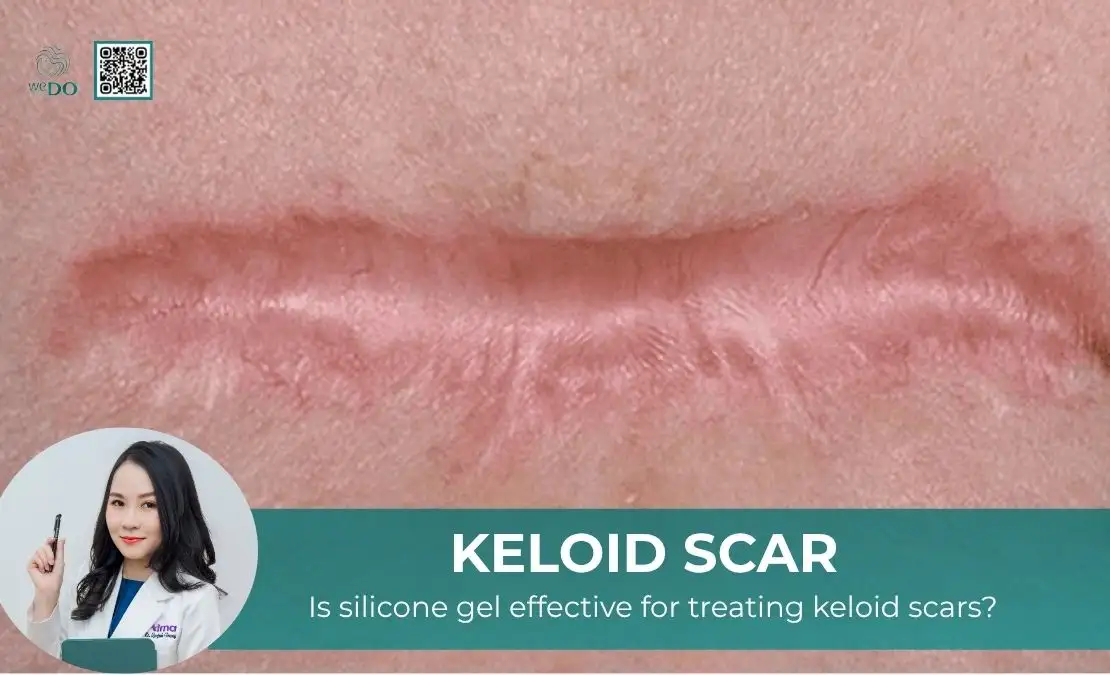
Is silicone gel effective for treating keloid scars?
Is silicone gel effective for treating keloid scars? For individuals with keloid scars, can topical treatments help flatten the scar? This is a common concern, as topical therapy is both cost-effective and non-invasive. If you are also curious, refer to the article below to find the answer. Is silicone gel effective for treating keloid scars?

What SPF level is sufficient for sunscreen?
What SPF level is sufficient for sunscreen? Does a higher SPF mean stronger and more effective sun protection? And is focusing solely on the SPF index enough to choose a suitable sunscreen for your skin? If you are also wondering about these questions, refer to the article below to find the answers. What is the
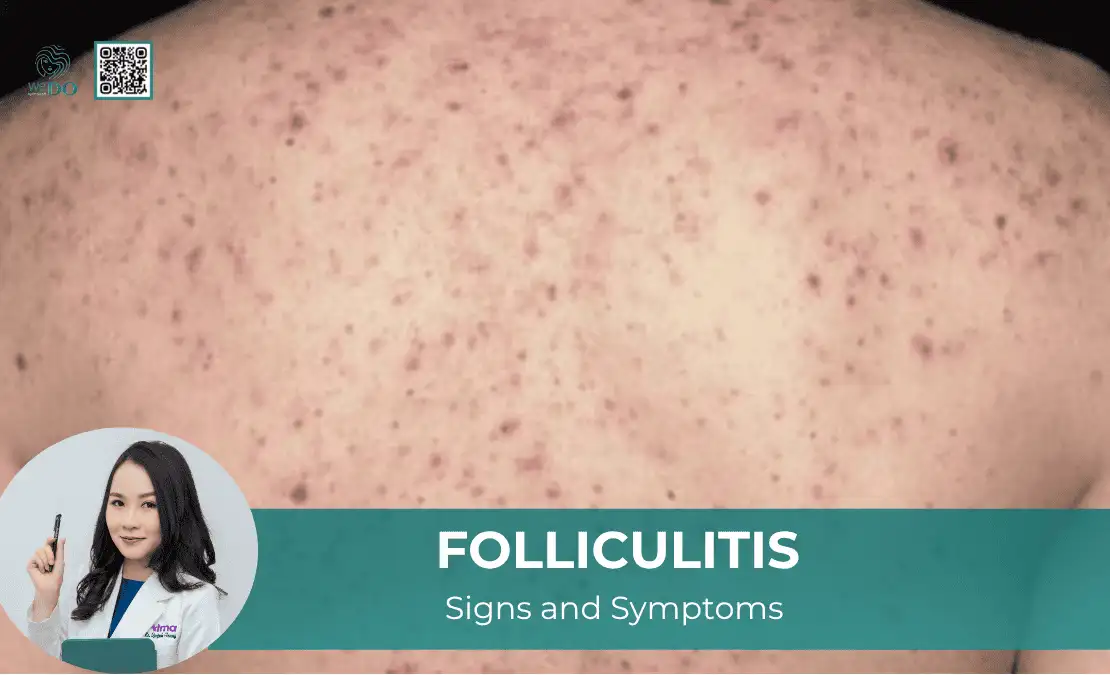
WHAT IS FOLLICULITIS AND HOW IS IT TREATED?
Folliculitis can affect anyone and may occur anywhere on the body except the palms and soles. Although it does not impact overall health, it often causes discomfort and reduces confidence due to cosmetic concerns. Without proper treatment, folliculitis tends to recur, making the skin appear less smooth. FOLLICULITIS – DEFINITION AND SIGNS AND SYMPTOMS Folliculitis
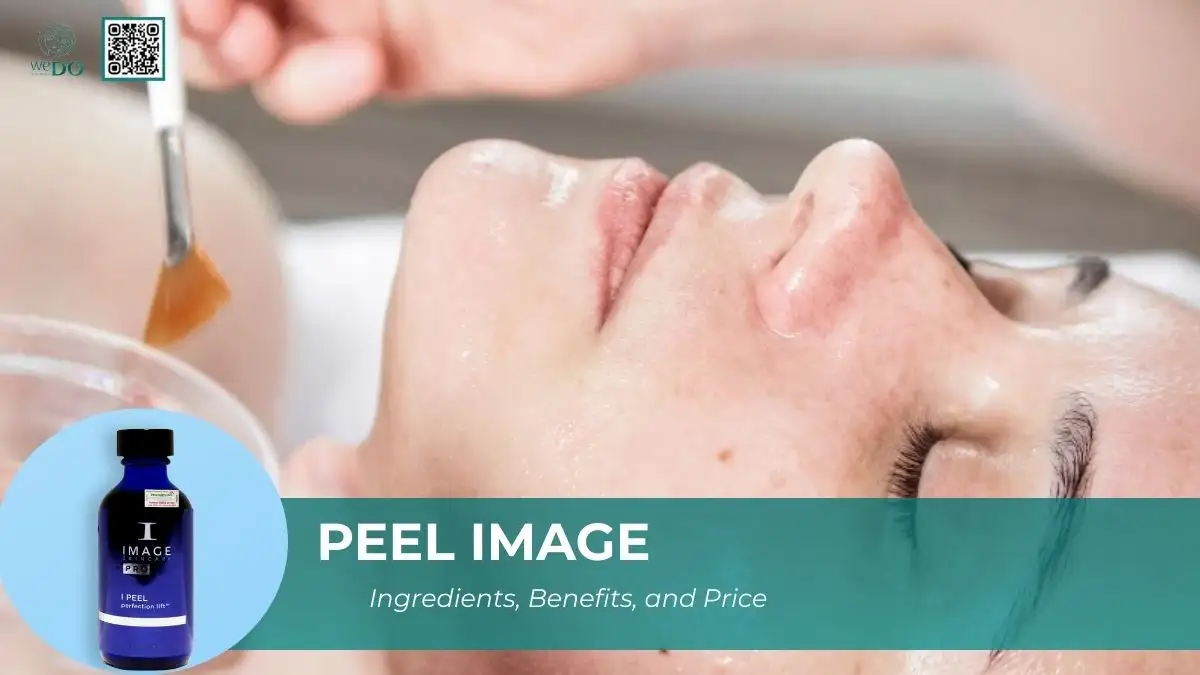
Image I Peel: Ingredients, Benefits, and Price
Peel Image (I Peel) is a familiar name among skincare enthusiasts, especially those who love chemical peels. But is this popular line really worth the hype — and what’s its price range? Let’s take a closer look. Key Ingredients of Peel Image Peel Image follows a multi-target, multi-mechanism principle — meaning it combines a variety

Does Acne Spot Treatment Really Work? Top 10 Products Recommended
Spot treatment is a familiar method for those dealing with acne-prone skin. It is simple, painless, affordable, and can be performed at home. The effectiveness depends largely on the active ingredients and the severity of acne. Benefits of Acne Spot Treatments Depending on their composition, different products serve distinct purposes, but generally, they work to:
Tác giả: wedo
Ngày đăng: 27/05/2025