


 VIE
VIE

10 safe and effective ways to treat back acne at home
CONTENT
Back acne often forms due to overactive sebaceous glands, combined with dead skin cells and bacteria accumulation, leading to clogged pores. This area is difficult to clean thoroughly, making it a “hotspot” for inflammatory acne, pustules, and even persistent hidden acne. If not treated early and properly, back acne can leave dark spots, keloid scars, or pitted scars, affecting aesthetics. So, how can you treat back acne without spending too much? Check out 10 ways to treat back acne at home that are safe and effective, recommended by experts in the article below!
The Importance of Learning How to Treat Back Acne Properly
Back acne is a localized skin inflammation condition on the back, manifesting as comedones, inflammatory papules, pustules, or deep nodules. The mechanism of back acne formation is similar to facial acne, stemming from excessive sebum production, follicular hyperkeratinization, the proliferation of Cutibacterium acnes (C. acnes) bacteria, and localized inflammatory responses.
Although acne does not pose a threat to overall health, if not controlled promptly and correctly, inflammatory lesions can spread, recur persistently, and leave long-term aesthetic consequences. In particular, the back is prone to forming hypertrophic scars or post-inflammatory hyperpigmentation (PIH), which can be challenging to treat later.
Treating back acne requires a dermatological approach: including mechanical cleansing, using targeted active ingredients, adjusting lifestyle habits, and avoiding mechanical triggers such as friction, high temperatures, or sweat accumulation. Additionally, you need to choose products suitable for your skin type, avoiding alcohol-based or harsh cleansing products to minimize skin damage and reduce the risk of recurrence.

10 Safe and Effective Ways to Reduce Back Acne at Home
Back acne is a hidden concern for many, causing a loss of confidence when wearing favorite outfits. Don’t worry! Dermatologists have shared 10 golden tips to help you “banish” back acne right at home:
Shower Thoroughly After Sweating
After physical activity or exposure to hot and humid environments, sweat glands become overactive, creating conditions for bacteria and dirt to accumulate on the skin. If not cleaned promptly, these substances can combine with sebum and dead skin cells, clogging pores. Those prone to acne should shower with warm water and use a gentle body wash within 30 minutes after sweating to reduce the risk of folliculitis and acne formation.

Exfoliate Regularly
The layer of dead skin cells on the skin’s surface, if not removed periodically, increases the risk of clogged pores, promoting the formation of whiteheads and blackheads. Exfoliating 1-2 times per week with products containing alpha-hydroxy acids (AHA) or beta-hydroxy acids (BHA) helps remove dead skin cells, cleanses hair follicles, and enhances the penetration of acne treatment ingredients. Avoid harsh scrubbing or products with large granules to prevent damaging the epidermis.
Use Targeted Acne Treatment Products
Acne-prone skin requires treatment with active ingredients that control excess oil, eliminate bacteria, and prevent abnormal follicular keratinization. Some clinically proven effective ingredients include:
- Benzoyl Peroxide: Known for its strong antibacterial action against Cutibacterium acnes, the main bacteria causing acne. When applied, BP releases oxygen, creating an anaerobic environment where these bacteria cannot survive. Its oxidizing properties also reduce inflammation and dry out acne cores, aiding faster healing.
- Salicylic Acid: Has a unique ability to penetrate deep into pores due to its oil-soluble nature. This allows SA to dissolve sebum, break down bonds between dead skin cells and excess oil, and clear blockages. The result is deeply cleansed, unclogged pores, effectively preventing blackheads, whiteheads, and especially hidden acne.
- Adapalene: A third-generation retinoid that regulates the skin cell turnover cycle. It normalizes the production and shedding of skin cells, preventing their accumulation and pore clogging. Adapalene not only prevents new comedone formation but also helps push existing hidden acne to the surface while reducing inflammation significantly.
- Niacinamide (Vitamin B3): A versatile ingredient that soothes inflammatory responses, reduces redness, swelling, and irritation caused by acne. It also strengthens the skin’s protective barrier, making it more resilient against environmental damage. Niacinamide helps regulate sebum production and improves post-acne hyperpigmentation, resulting in smoother, more even-toned skin.
Choose products with appropriate concentrations for your acne severity and skin type, and avoid combining active ingredients that may cause irritation without guidance from a dermatologist.

Choose Breathable, Sweat-Absorbing Clothing
Clothing significantly impacts back acne, especially in hot, humid environments or during physical activity. Synthetic, tight-fitting fabrics can cause friction, trap sweat, and create conditions for bacterial growth. To minimize skin irritation, opt for clothing made of cotton, linen, or bamboo—materials that are breathable and sweat-absorbent. Change clothes immediately after exercise and wash them regularly with fragrance-free detergent to protect acne-prone skin.
Use Body Wash with Acne-Fighting Ingredients
Specialized body washes for acne-prone skin play a supportive role in controlling folliculitis and reducing back acne. Recommended ingredients include:
- Salicylic Acid: Deeply cleanses pores and reduces keratinization.
- Tea Tree Oil: Has antibacterial and soothing properties.
- Zinc PCA: Regulates sebum and supports skin recovery.
- Sulfur: Reduces inflammation and controls oil production.
Choose body washes with a physiological pH and avoid those with strong foaming agents to prevent disrupting the skin’s protective barrier.
Make Homemade Acne-Treating Masks
Certain natural ingredients with antibacterial, anti-inflammatory, and soothing properties can help manage back acne. Masks made from oats, pure honey, turmeric, or aloe vera contain active compounds like polyphenols, flavonoids, and aloin, which reduce inflammation, gently cleanse, and promote epidermal recovery. Test on a small skin area before applying to the entire back to ensure no irritation occurs. Use masks 1-2 times per week.

Warm Compress or Steam
Warm temperatures help dilate pores, support deep cleansing, and improve blood circulation under the skin, enhancing the absorption of acne treatment ingredients. Applying a warm compress to the back for 10-15 minutes or steaming the whole body 1-2 times per week can help reduce acne, especially in the early comedo stage. Ensure compress cloths are clean, avoid overly hot water, and do not apply to open wounds or infected areas.
Adjust Your Diet
Diet directly affects hormonal activity and sebaceous gland function. A diet high in refined sugars, dairy, processed foods, or high-glycemic-index foods can stimulate endogenous androgen production, increasing sebum secretion. Conversely, a diet rich in fiber, vitamins A and E, zinc, and omega-3 fatty acids helps control inflammation and supports healthy skin. Drinking enough water (at least 1.5-2 liters daily) maintains natural hydration and aids toxin elimination through urine.
Reduce Stress and Get Enough Sleep
Psychological factors influence the neuroendocrine-immune axis (HPA axis), affecting acne formation mechanisms. Prolonged stress or sleep disturbances can elevate cortisol levels, disrupting keratinization and increasing sebum production. To manage acne effectively, maintain 7-8 hours of sleep per night and incorporate relaxation techniques such as deep breathing, meditation, yoga, or light walking.

Use Suitable Moisturizers
Moisturizing is a crucial step in acne-prone skin care, especially when using treatments that may cause dryness or peeling. Moisturizers strengthen the skin’s barrier, reduce transepidermal water loss, and soothe inflammation. For acne-prone skin, choose oil-free, lightweight products labeled “non-comedogenic” to avoid clogging pores. Recommended ingredients include hyaluronic acid, panthenol, and ceramides.
When to Seek Professional Help?
Many cases of back acne can be effectively managed with home care and treatment methods. However, severe or persistent acne requires evaluation and advanced treatment by a dermatologist specializing in acne treatment. Warning signs include:
- Swollen, pus-filled, or painful back acne persisting for over 4 weeks.
- Large cystic acne causing pitted scars or severe hyperpigmentation.
- Acne spreading to other skin areas or recurring despite home care.
- Home treatments proving ineffective or causing severe skin irritation.
Back acne is a common dermatological issue but can be effectively managed through safe and scientific back acne treatment methods at home. Consistently applying skin care practices, lifestyle adjustments, and choosing suitable products plays a crucial role in improving skin condition.
WeDo District 1 – Tran Doan Khanh Street
- Hotline/Zalo/Whatsapp: 0898898875
- Address: 11 Tran Doan Khanh Street, Da Kao Ward, District 1, HCMC
WeDo District 2 – Thai Thuan Street
- Hotline/Zalo/Whatsapp: 0707196622
- Address: 17 Thai Thuan Street, An Phu Ward, Thu Duc City, HCMC
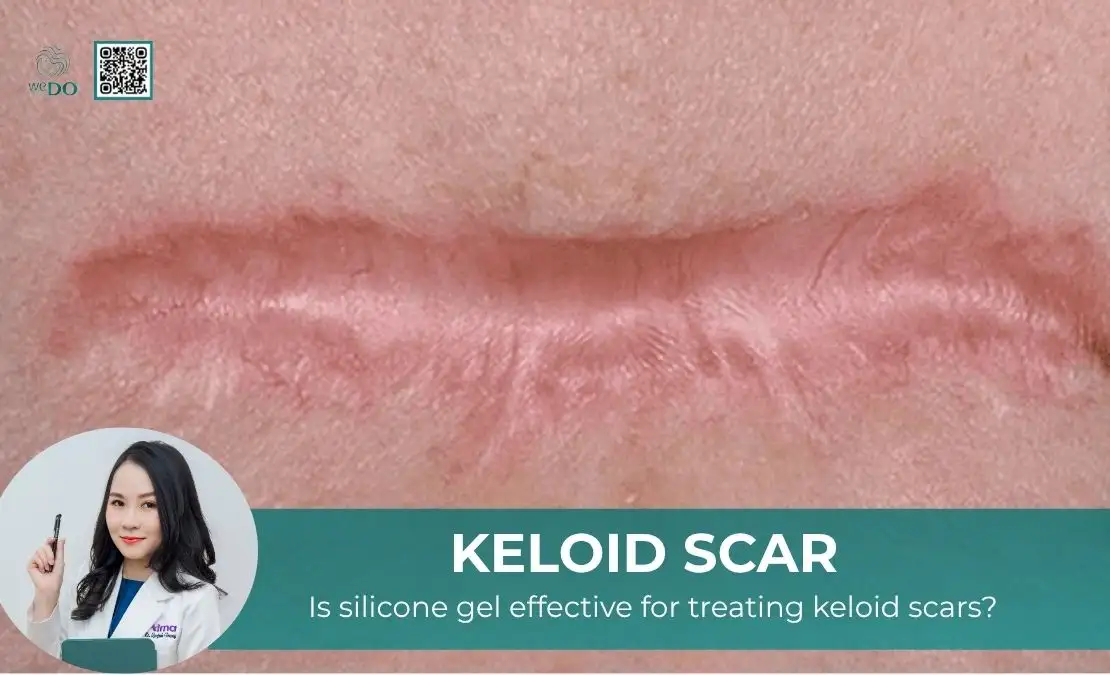
Is silicone gel effective for treating keloid scars?
Is silicone gel effective for treating keloid scars? For individuals with keloid scars, can topical treatments help flatten the scar? This is a common concern, as topical therapy is both cost-effective and non-invasive. If you are also curious, refer to the article below to find the answer. Is silicone gel effective for treating keloid scars?

What SPF level is sufficient for sunscreen?
What SPF level is sufficient for sunscreen? Does a higher SPF mean stronger and more effective sun protection? And is focusing solely on the SPF index enough to choose a suitable sunscreen for your skin? If you are also wondering about these questions, refer to the article below to find the answers. What is the
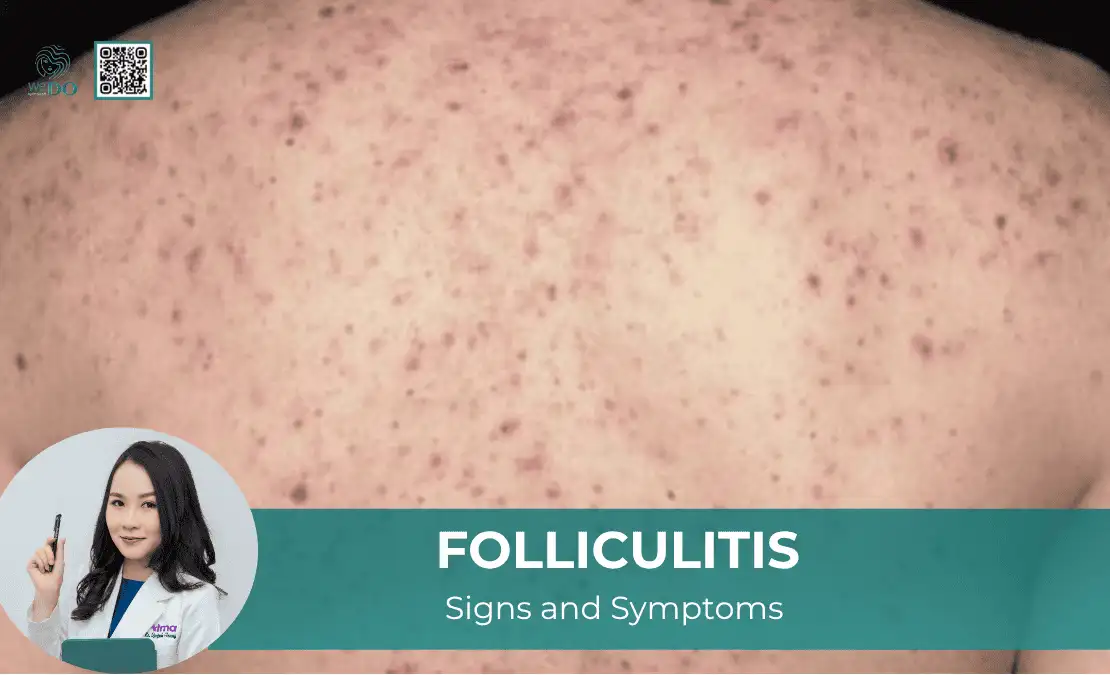
WHAT IS FOLLICULITIS AND HOW IS IT TREATED?
Folliculitis can affect anyone and may occur anywhere on the body except the palms and soles. Although it does not impact overall health, it often causes discomfort and reduces confidence due to cosmetic concerns. Without proper treatment, folliculitis tends to recur, making the skin appear less smooth. FOLLICULITIS – DEFINITION AND SIGNS AND SYMPTOMS Folliculitis
Image I Peel: Ingredients, Benefits, and Price
Peel Image (I Peel) is a familiar name among skincare enthusiasts, especially those who love chemical peels. But is this popular line really worth the hype — and what’s its price range? Let’s take a closer look. Key Ingredients of Peel Image Peel Image follows a multi-target, multi-mechanism principle — meaning it combines a variety
Does Acne Spot Treatment Really Work? Top 10 Products Recommended
Spot treatment is a familiar method for those dealing with acne-prone skin. It is simple, painless, affordable, and can be performed at home. The effectiveness depends largely on the active ingredients and the severity of acne. Benefits of Acne Spot Treatments Depending on their composition, different products serve distinct purposes, but generally, they work to:
Tác giả: wedo
Ngày đăng: 02/06/2025