


 VIE
VIE

SPF, PA index the higher the better?
CONTENT
General Information
Sunlight is one of the factors that harm a woman’s beauty. Using sunscreen products is an essential step in the beauty process. If you pay attention, you’ll notice the SPF and PA indicators on the product packaging. Do you know what they mean?
SPF (Sun Protection Factor): This is the indicator used to measure how well sunscreen products protect your skin from UVB rays. SPF levels range from 15 to 100. But what does it mean? According to scientific research, each SPF point provides protection for 10–15 minutes. The duration varies depending on whether your skin is naturally strong or sensitive.

“Higher SPF means better sun protection” is a COMMON MISCONCEPTION…. SO WRONG!!!!! Here’s the UVB protection level for different SPF ratings based on expert studies:
- SPF 15: Protects against 93% of UVB rays.
- SPF 30: Protects against 97% of UVB rays.
- SPF 50: Protects against 98% of UVB rays.
- SPF 70: Protects against 98.6% of UVB rays.
- SPF 100: Protects against 99% of UVB rays.
As you can see, SPF 100 offers only about 1% more protection than SPF 50, despite having double the SPF value. Moreover, products with high SPF can clog pores, leading to acne and other skin issues.
Studies suggest that you should choose sunscreens with an SPF of no more than 50. Products with SPF higher than 50 are often harmful and no longer FDA-approved. For students or office workers who spend about 4 hours indoors, SPF 30 is sufficient. Reapply sunscreen every 4 hours. For outdoor activities, such as beach trips or picnics, SPF 50 is recommended.
For sensitive or acne-prone skin, SPF 15–30 is ideal to minimize skin irritation.
What is PA?
PA stands for “Protection Grade of UVA” and indicates the sunscreen’s level of protection against UVA rays. PA is measured with “+” symbols instead of numbers:
- PA+: ~40%–50% UVA protection, lasts under 4 hours.
- PA++: ~50%–70% UVA protection, lasts 4–6 hours.
- PA+++: ~90% UVA protection, lasts 8–12 hours.
- PA++++: ~95% UVA protection, lasts up to 16 hours.
How to Choose the Right PA Level: Depending on your skin type and needs, choose sunscreens with PA++ or higher. For the best protection, opt for PA++++. Personally, I often select sunscreens with PA+++ or PA++++ and rarely use products with only PA+.
Sometimes, you may come across products without SPF or PA labels. Instead, look for the term “Broad-Spectrum” on the packaging. This indicates that the product offers broad-spectrum protection, which includes UVA defense, and is commonly found in sunscreens from the U.S. or the U.K.
Additional Tips:
In addition to using sunscreen, ensure comprehensive sun protection by wearing full-coverage clothing and adding antioxidants like green tea, tomatoes, pomegranate, spinach, broccoli, and aloe vera to your diet. These increase your skin’s natural resistance to UV rays from within.
Contact Information
- Contact us for a free consultation and appointment!
———————–———————–
WeDo Skin Clinic
- 𝗪𝗲𝗯𝘀𝗶𝘁𝗲: wedoskinclinic.com
- 𝗙𝗮𝗻𝗽𝗮𝗴𝗲: 𝗠𝗲𝗱𝗱𝗶 𝗦𝗸𝗶𝗻 | Meddi Skin Clinic&Spa | Wedo by Dr.Meddi
———————–———————–
WeDo District 1 – Tran Doan Khanh Street
- 𝗛𝗼𝘁𝗹𝗶𝗻𝗲/𝐙𝐚𝐥𝐨: 0898898875
- 𝐖𝐡𝐚𝐭𝐬𝐚𝐩𝐩: +84898898875
- Address: 11 Tran Doan Khanh Street, Da Kao Ward, District 1, HCMC
WeDo District 2 – Thai Thuan Street
- 𝗛𝗼𝘁𝗹𝗶𝗻𝗲/𝐙𝐚𝐥𝐨: 0707196622
- 𝐖𝐡𝐚𝐭𝐬𝐚𝐩𝐩: +𝟖𝟒707196622
- Address: 17 Thai Thuan Street, An Phu Ward, Thu Duc City, HCMC
———————–———————–
- Youtube: https://www.youtube.com/@bacsitrang
- Tiktok: https://www.tiktok.com/@bstrangmeddi
- Insta: https://www.instagram.com/drmeddiskin/
- Pinterest: https://www.pinterest.com/wedoskin/
- X: https://x.com/wedoskinclinic
- Linkedin: https://vn.linkedin.com/company/meddi-skin
———————–———————–
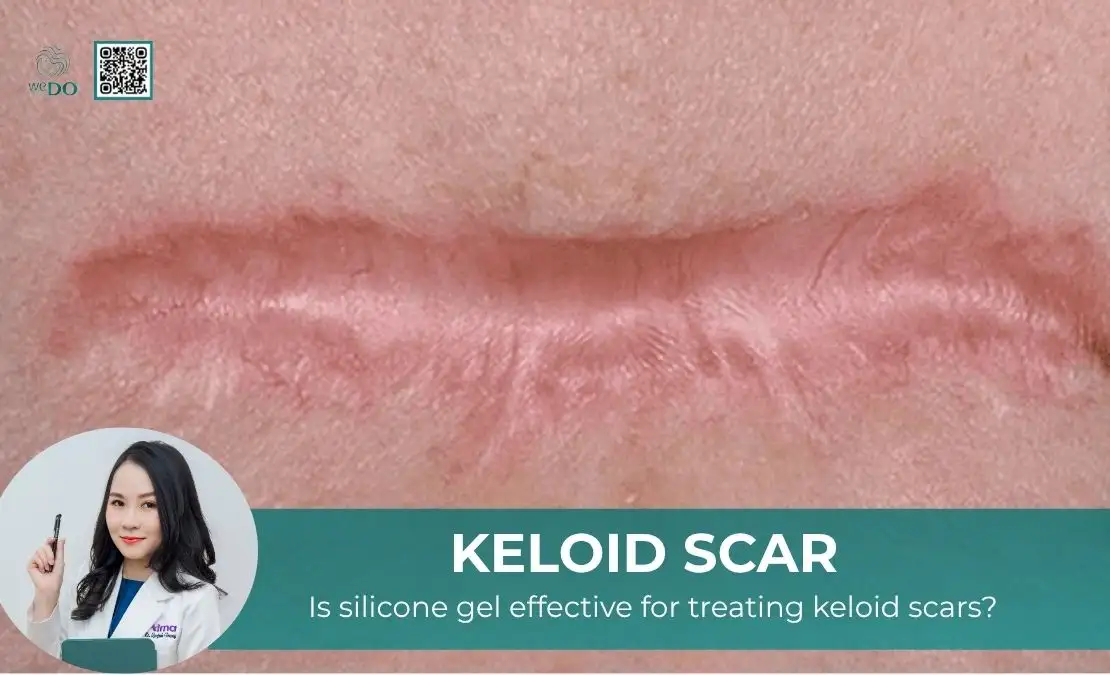
Is silicone gel effective for treating keloid scars?
Is silicone gel effective for treating keloid scars? For individuals with keloid scars, can topical treatments help flatten the scar? This is a common concern, as topical therapy is both cost-effective and non-invasive. If you are also curious, refer to the article below to find the answer. Is silicone gel effective for treating keloid scars?

What SPF level is sufficient for sunscreen?
What SPF level is sufficient for sunscreen? Does a higher SPF mean stronger and more effective sun protection? And is focusing solely on the SPF index enough to choose a suitable sunscreen for your skin? If you are also wondering about these questions, refer to the article below to find the answers. What is the
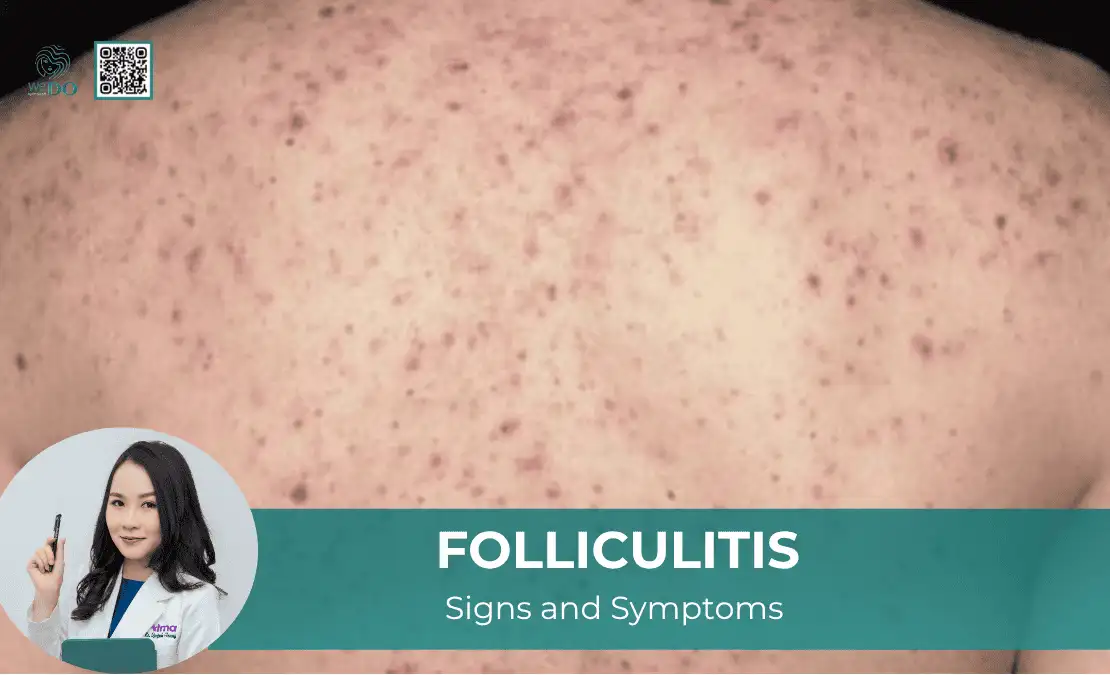
WHAT IS FOLLICULITIS AND HOW IS IT TREATED?
Folliculitis can affect anyone and may occur anywhere on the body except the palms and soles. Although it does not impact overall health, it often causes discomfort and reduces confidence due to cosmetic concerns. Without proper treatment, folliculitis tends to recur, making the skin appear less smooth. FOLLICULITIS – DEFINITION AND SIGNS AND SYMPTOMS Folliculitis
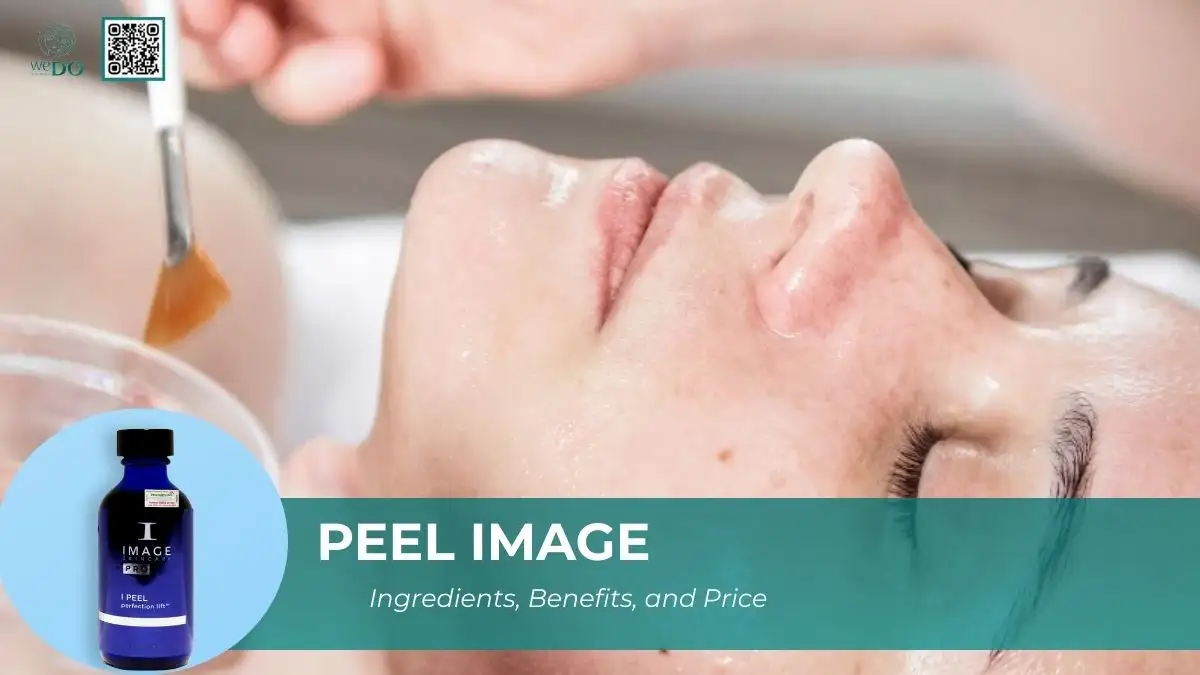
Image I Peel: Ingredients, Benefits, and Price
Peel Image (I Peel) is a familiar name among skincare enthusiasts, especially those who love chemical peels. But is this popular line really worth the hype — and what’s its price range? Let’s take a closer look. Key Ingredients of Peel Image Peel Image follows a multi-target, multi-mechanism principle — meaning it combines a variety
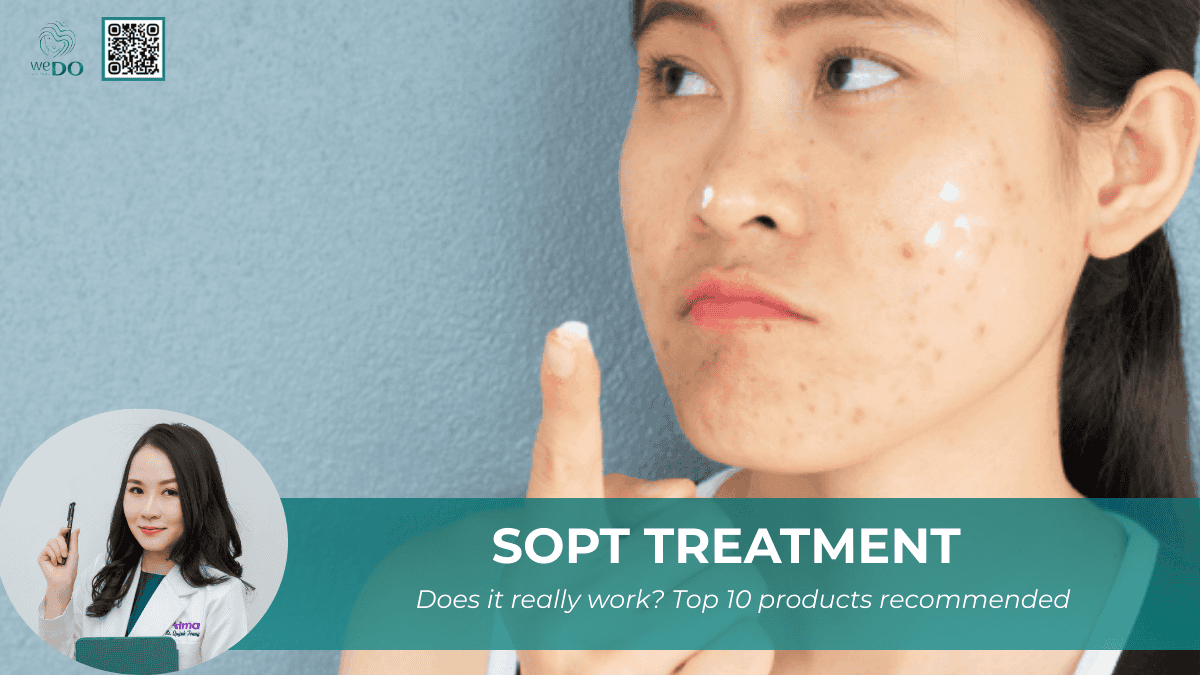
Does Acne Spot Treatment Really Work? Top 10 Products Recommended
Spot treatment is a familiar method for those dealing with acne-prone skin. It is simple, painless, affordable, and can be performed at home. The effectiveness depends largely on the active ingredients and the severity of acne. Benefits of Acne Spot Treatments Depending on their composition, different products serve distinct purposes, but generally, they work to:
Tác giả: wedo
Ngày đăng: 10/06/2023