


 VIE
VIE

Should You Use Micellar Water or Cleansing Oil? A Detailed Comparison for Each Skin Type
CONTENT
In any skincare routine, cleansing is considered the first and most crucial step to remove dirt, excess oil, and makeup. However, many people wonder whether they should use micellar water or cleansing oil for their skin. Each option has its own pros and cons, as well as varying suitability depending on skin type. Today, Wedo Skin Clinic will help you analyze in detail the differences, advantages, disadvantages, and how to choose the most effective cleansing product for healthy, glowing skin.
Comparing Micellar Water and Cleansing Oil
Both micellar water and cleansing oil are popular cleansing products, but they work through different mechanisms and deliver different results. Understanding these differences will help you choose the right product for your skin condition and daily routine.
| Criteria | Micellar Water | Cleansing Oil |
| Texture | Liquid, transparent, contains tiny micelles | Oil-based, thicker consistency |
| Cleansing mechanism | Micelles attract dirt, oil, and light makeup | Oil dissolves oil” principle; deeply removes waterproof sunscreen and heavy makeup |
| Effectiveness | Works well for daily sunscreen and light makeup | Highly effective for waterproof, heavy, or layered makeup |
| Pros | Convenient, quick
Lightweight feel Great for daily use |
Deep cleansing
Softens skin during massage Ideal for heavy makeup users |
| Cons | Struggles with waterproof products or matte lipstick
May need multiple wipes, causing friction and irritation on sensitive skin |
Requires emulsification; skipping this step can cause clogged pores and breakouts
May feel heavy or greasy on oily skin |
| Best suited for | Light makeup wearers, daily sunscreen users | Those who wear heavy makeup or waterproof products |
Should You Use Micellar Water or Cleansing Oil?
For oily skin, micellar water is often the safer choice due to its lightweight texture, which helps cleanse dirt and excess sebum without clogging pores or feeling heavy. However, if you regularly wear heavy or long-wearing sunscreen, cleansing oil can still be used—just make sure to emulsify thoroughly to avoid hidden breakouts.
For dry skin, cleansing oil is the optimal solution. It not only removes stubborn makeup but also provides hydration, preventing tightness and leaving the skin soft and smooth after cleansing.
For combination skin (oily T-zone, dry cheeks), you can alternate between both: micellar water for light makeup or sunscreen-only days, and cleansing oil when you need a deeper cleanse to remove heavy makeup while keeping drier areas hydrated.
In short: Micellar water is ideal for oily or lightly made-up skin, while cleansing oil works best for dry skin or heavy makeup.

Tips for Choosing the Right Cleanser
Cleansing isn’t just about removing dirt—it directly impacts skin health and resilience. The right product, used correctly, will keep your skin deeply cleansed, prevent clogged pores, and slow down premature aging. On the other hand, using the wrong product or incorrect technique can cause irritation, breakouts, and a weakened skin barrier.
Here are some essential tips:
Always wash your face after cleansing
Regardless of whether you use micellar water or cleansing oil, double cleansing is a must. After removing makeup, wash your face with a gentle, pH-balanced cleanser (around 5.5–6.0) to eliminate residual impurities, fine dust, and oils. This keeps pores clear, prevents acne, and prepares the skin for better absorption of skincare products.
Emulsify thoroughly when using cleansing oil
Emulsification is the key step in cleansing with oil. Massaging with warm water turns the oil into a milky consistency, allowing it to carry away deep-seated impurities. Skipping or rushing this step may leave oil on the skin, leading to clogged pores and breakouts. Massage in gentle circular motions, gradually adding water until fully emulsified before rinsing.
Avoid harsh rubbing with cotton pads
The skin—especially around the cheeks and eyes—is delicate. Rubbing hard with cotton pads won’t make cleansing more effective; it only causes micro-tears, irritation, and redness. Instead, soak the pad thoroughly, press gently on the makeup area for 5–10 seconds to dissolve the product, and then wipe softly along the natural skin texture.

Choose products based on skin type
-
Oily/acne-prone skin: Opt for alcohol-free, fragrance-free micellar water to avoid irritation while controlling excess oil without residue.
-
Dry skin: Go for cleansing oils or balms enriched with nourishing ingredients (plant oils, ceramides, glycerin) to cleanse while hydrating.
-
Sensitive skin: Avoid sulfates, parabens, or mineral oil. Choose dermatologically tested, natural-based formulas.
-
Combination skin: Use micellar water daily and incorporate cleansing oil 2–3 times per week for deep cleansing.
Check the ingredient list carefully
Some ingredients may irritate sensitive skin, such as mineral oil, parabens, and synthetic fragrances. Instead, prioritize products with natural extracts like:
-
Grapeseed oil, sunflower oil: rich in Vitamin E, cleanse while protecting against oxidation.
-
Aloe vera, chamomile: soothing, reduce redness.
-
Green tea: anti-inflammatory, great for acne-prone skin.
Don’t neglect the eyes and lips
The skin around the eyes and lips is three times thinner than the rest of the face and often exposed to long-lasting makeup like mascara, eyeliner, or matte lipstick. Use a dedicated eye and lip remover, apply with a separate pad, and leave for 10–15 seconds before gently wiping. This ensures complete cleansing while reducing wrinkles, lip darkening, and lash fallout.
Conclusion
Both micellar water and cleansing oil have distinct benefits and limitations. The best choice depends on your skin type and makeup habits. If you value convenience and have oily or sensitive skin with minimal makeup, micellar water is the way to go. But if you have dry skin, wear heavy makeup, or need a deeper cleanse, cleansing oil will deliver optimal results.
Frequently Asked Questions
Should I use micellar water or cleansing oil if I only wear sunscreen daily?
If you only wear light sunscreen or minimal makeup, micellar water is sufficient. For waterproof or long-lasting sunscreen, cleansing oil provides a deeper cleanse.
What’s better for oily, acne-prone skin?
Choose an alcohol-free, fragrance-free micellar water. You can still use cleansing oil 2–3 times a week for deep cleansing—just be sure to emulsify properly to prevent clogged pores.
What about the eye and lip areas?
Use a specialized eye and lip makeup remover. If using regular micellar water or oil, soak a pad, hold for a few seconds, then wipe gently without rubbing.
Do I need to cleanse if I’m at home and not wearing makeup?
Yes. Even without makeup, your skin accumulates dirt, oil, and sunscreen. Cleansing keeps pores clear and prevents breakouts.
Is it okay to cleanse multiple times a day?
Not recommended. Once a day at night is enough. In the morning, a gentle face wash will suffice.

About Morpheus8 – The Rejuvenation Device Highly Sought After by Celebrities
There is a rejuvenation device that has successfully won over some of the world’s top celebrities. It is Morpheus8 – an advanced RF microneedling technology, honored to rank among the top two most popular aesthetic technologies worldwide. If you are still unfamiliar with this device and technology, explore the article below so you do not

Skintag & Mole removal: What method is good?
Skin tags and moles are common skin concerns that many people choose to remove for cosmetic reasons or personal comfort. Skin tags usually appear as small raised bumps that make the skin surface look uneven, while moles often develop when pigment cells cluster in one area instead of being distributed evenly across the skin. Sun
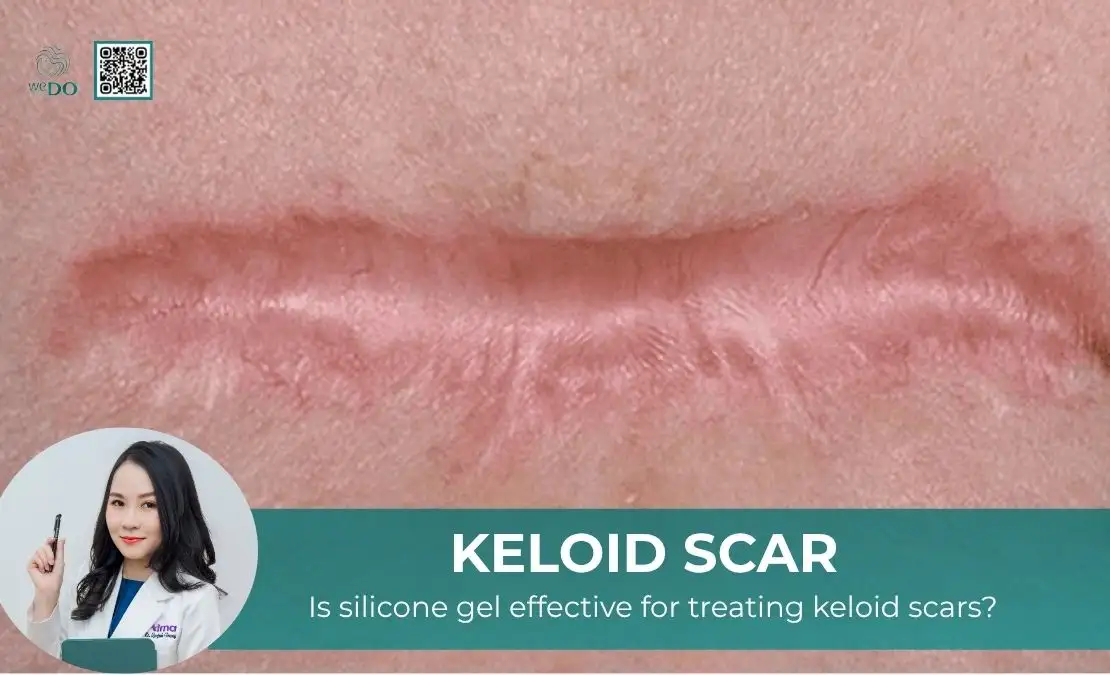
Is silicone gel effective for treating keloid scars?
Is silicone gel effective for treating keloid scars? For individuals with keloid scars, can topical treatments help flatten the scar? This is a common concern, as topical therapy is both cost-effective and non-invasive. If you are also curious, refer to the article below to find the answer. Is silicone gel effective for treating keloid scars?

What SPF level is sufficient for sunscreen?
What SPF level is sufficient for sunscreen? Does a higher SPF mean stronger and more effective sun protection? And is focusing solely on the SPF index enough to choose a suitable sunscreen for your skin? If you are also wondering about these questions, refer to the article below to find the answers. What is the

WHAT IS FOLLICULITIS AND HOW IS IT TREATED?
Folliculitis can affect anyone and may occur anywhere on the body except the palms and soles. Although it does not impact overall health, it often causes discomfort and reduces confidence due to cosmetic concerns. Without proper treatment, folliculitis tends to recur, making the skin appear less smooth. FOLLICULITIS – DEFINITION AND SIGNS AND SYMPTOMS Folliculitis
Tác giả: admin
Ngày đăng: 15/08/2025