


 VIE
VIE

How to Permanent Remove Tattoos Effectively Without Pain
CONTENT
Are you looking for a way to remove an old tattoo but worried about pain or scarring? Thanks to modern technology, permanent remove tattoo can now be performed safely, with minimal discomfort, while delivering highly aesthetic results. This article will help you understand when you should consider tattoo removal, the most common methods available today, and important aftercare tips to minimize scarring—so you can choose the best solution for yourself.
When Should You Remove a Tattoo?
The timing for tattoo removal largely depends on when you got the tattoo.
For new tattoos, you need to wait at least 8–16 weeks before removal. This timeframe allows micro-injuries in the skin to heal and ensures the ink stabilizes and bonds firmly within the dermis. If removal is attempted too soon, before the skin has regenerated, the risk of complications will be much higher.
For older tattoos, the ink usually fades and disperses more shallowly within the skin, making laser removal easier and reducing the risk of scarring.

Popular Permanent Remove Tattoo Methods
There are many tattoo removal methods on the market, but not all are equally effective. Below are the safest and most widely used techniques.
Laser Tattoo Removal
Laser tattoo removal works on the principle of selective photothermolysis, using laser beams with specific wavelengths to target ink particles under the skin. The laser energy breaks down the ink into microscopic fragments, which the immune system gradually eliminates. Thanks to this selective action, the laser removes ink effectively while protecting surrounding skin tissue, minimizing the risk of scarring.
At WEDO Skin Clinic, clients are treated with the Q-Switched Nd:YAG Laser, one of the most advanced systems available. With dual wavelengths of 1064nm and 532nm, it can target a wide range of tattoo colors—from black, blue, and red to lighter tones that are usually harder to remove. Importantly, this technology is safe for all skin types, including sensitive skin.

Surgical Tattoo Removal
Unlike laser, surgical tattoo removal involves directly cutting away the tattooed skin, followed by stitching to close the wound. This surgical method produces immediate results—the tattoo can disappear entirely after just one procedure.
This technique is most suitable for small, simple tattoos, particularly in cases where patients want instant removal. However, since it involves excising skin, scarring is almost unavoidable. Therefore, it is not recommended for large tattoos or those in highly visible areas. Surgical tattoo removal is generally reserved for special cases where other methods are not feasible.
Traditional Tattoo Removal vs Laser Tattoo Removal
| Criteria | Traditional Surgical Removal | Laser Tattoo Removal |
|---|---|---|
| Principle | Excising tattooed skin and stitching | Using laser to break ink into particles for natural elimination |
| Invasiveness | High – direct damage to skin tissue | Low – targets only ink particles |
| Suitable for | Small, simple tattoos | Most tattoos, including large and multi-colored ones |
| Pain | Painful, uncomfortable, long recovery | Minimal pain, mild stinging; anesthesia often used |
| Effectiveness | Limited, often cannot remove multi-colored ink | Effective across many colors, including difficult tones (red, blue, yellow) |
| Aesthetic outcome | Skin discoloration, deformation in treated area | Preserves natural skin surface and tone |
| Safety | Higher risk of infection and deep damage | Safer, FDA-approved |
| Recovery time | Long, prone to inflammation | Faster healing and recovery |
Does Permanent Tattoo Removal Leave Scars?
This is one of the most common concerns for clients. In reality, whether tattoo removal leaves scars depends on several factors:
-
Technology used: Modern lasers such as the Q-Switched Nd:YAG target ink selectively, breaking it down without damaging surrounding skin. This greatly minimizes scarring.
-
Tattoo characteristics: Large tattoos, multi-colored designs, or those deeply embedded in the dermis require more sessions, which increases the risk of pigmentation changes or scarring compared to small, simple tattoos.
-
Doctor’s expertise: Proper adjustment of energy levels, wavelength, and technique is crucial. If performed incorrectly, risks of burns, scars, or poor results are high.

Aftercare Tips to Minimize Scarring After Tattoo Removal
Post-treatment skin care plays a decisive role in preventing scars, pigmentation, or infections.
- Keep the area clean and dry: In the first days, cleanse gently with saline solution or mild antiseptic as prescribed by your doctor.
- Do not scratch or peel scabs: The scabs protect healing skin. Removing them prematurely may cause indentations, dark scars, or delayed healing.
- Use gentle skincare products: Avoid harsh chemicals; prioritize soothing moisturizers to hydrate and support natural healing.
- Watch your diet: Avoid foods such as beef, chicken eggs, morning glory, sticky rice, and seafood, as they may trigger keloids, dark spots, or delayed healing.
- Avoid friction: Do not wear tight clothing or perform high-intensity exercise that can rub against the treated area.
Conclusion
Permanent tattoo removal today can be performed safely and effectively using modern laser technology or surgical excision. Each method has its own pros and cons, suitable for different tattoo sizes and characteristics. To minimize scarring and achieve the best results, choose a reputable clinic, follow aftercare instructions, and adhere to the treatment plan recommended by your doctor.
FAQs
1. Should I try tattoo removal creams or chemicals at home?
No. Most tattoo removal creams contain harsh chemicals that can cause burns, infections, or unsightly scars. Their effectiveness is negligible, and risks are high. The safest method remains laser removal at a reputable medical facility.
2. Does tattoo removal affect overall health?
Medical-grade laser technology only targets ink particles, which are gradually eliminated by the immune system. When performed correctly, it does not affect general health. However, procedures done at unsafe places can cause infections, dermatitis, scars, or pigmentation disorders.
3. Can pregnant or breastfeeding women undergo tattoo removal?
No. During pregnancy or breastfeeding, the skin and immune system are very sensitive. Laser tattoo removal can cause irritation and may affect both mother and baby. It is best to wait until after breastfeeding has ended.
4. Can I get a new tattoo in the same spot after removal?
Yes, but wait at least 3–6 months for the skin to fully recover. Note that the new tattoo may not appear as evenly colored as before, since the skin has previously been damaged.
5. How long does it take for the skin to heal after tattoo removal?
Typically, the skin peels and heals within 1–2 weeks after each session. Full recovery may take several months, depending on individual skin type and healing ability.

About Morpheus8 – The Rejuvenation Device Highly Sought After by Celebrities
There is a rejuvenation device that has successfully won over some of the world’s top celebrities. It is Morpheus8 – an advanced RF microneedling technology, honored to rank among the top two most popular aesthetic technologies worldwide. If you are still unfamiliar with this device and technology, explore the article below so you do not

Skintag & Mole removal: What method is good?
Skin tags and moles are common skin concerns that many people choose to remove for cosmetic reasons or personal comfort. Skin tags usually appear as small raised bumps that make the skin surface look uneven, while moles often develop when pigment cells cluster in one area instead of being distributed evenly across the skin. Sun
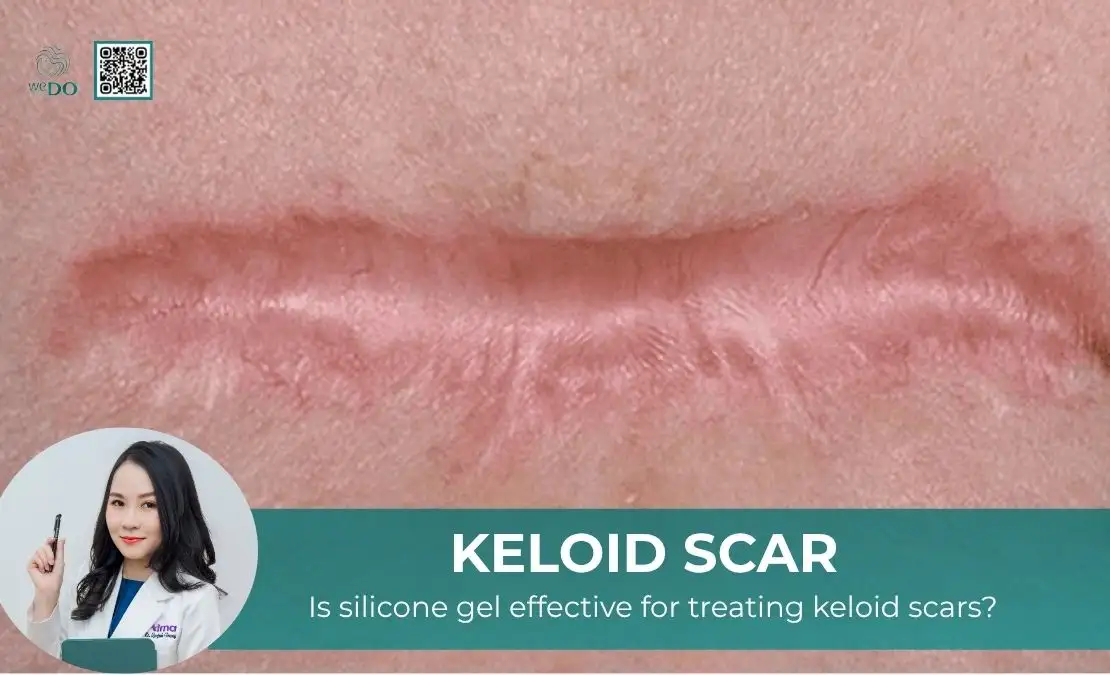
Is silicone gel effective for treating keloid scars?
Is silicone gel effective for treating keloid scars? For individuals with keloid scars, can topical treatments help flatten the scar? This is a common concern, as topical therapy is both cost-effective and non-invasive. If you are also curious, refer to the article below to find the answer. Is silicone gel effective for treating keloid scars?

What SPF level is sufficient for sunscreen?
What SPF level is sufficient for sunscreen? Does a higher SPF mean stronger and more effective sun protection? And is focusing solely on the SPF index enough to choose a suitable sunscreen for your skin? If you are also wondering about these questions, refer to the article below to find the answers. What is the
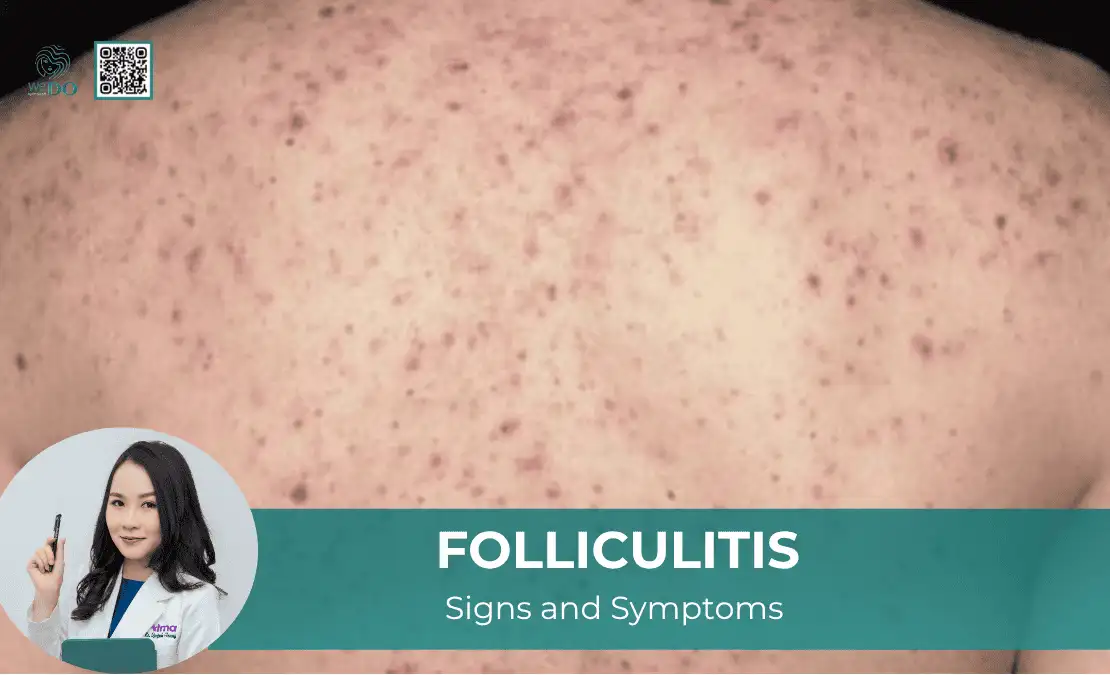
WHAT IS FOLLICULITIS AND HOW IS IT TREATED?
Folliculitis can affect anyone and may occur anywhere on the body except the palms and soles. Although it does not impact overall health, it often causes discomfort and reduces confidence due to cosmetic concerns. Without proper treatment, folliculitis tends to recur, making the skin appear less smooth. FOLLICULITIS – DEFINITION AND SIGNS AND SYMPTOMS Folliculitis
Tác giả: admin
Ngày đăng: 03/10/2025