


 VIE
VIE

Large painful boils: What to do when they persist and don’t go away?
CONTENT
Large, painful boils are a common skin condition but are often mistaken for inflammatory acne. Incorrect treatment can worsen the infection and lead to long-term scarring. If you’re unsure how to handle this condition, the following article from Wedo Skin Clinic will help you understand what boils are, their causes, safe treatment methods, and effective prevention strategies.
What is a boil? How to differentiate a boil from common acne
A boil is a type of skin infection that typically occurs at a hair follicle or oil gland, caused by the invasion of Staphylococcus aureus bacteria. When bacteria enter the skin through a scratch, damaged pore, or moist environment, it triggers a strong inflammatory response, forming a red, swollen, hot, painful lump, often filled with pus. Boils tend to develop rapidly within a few days, causing tension and sharp pain—especially when sitting or moving—commonly appearing on the buttocks, armpits, neck, back, or thighs.
| Criteria | Boils | Common Acne |
|---|---|---|
| Size | Usually large, swollen, and prominent | Small to medium-sized, less inflamed |
| Pain level | Very painful, especially when touched or moved | Mild discomfort or slight pain if inflamed |
| Color | Red to purple, with yellow-white or green pus | Light red, with whiteheads or blackheads |
| Main cause | Bacterial infection in damaged follicles | Hormonal imbalance, excess oil, P. acnes, poor hygiene |
What causes boils to become large and painful?
Boils are not just a simple skin inflammation but may signal internal health issues or poor lifestyle habits. Common causes include:
-
Staphylococcal infection: The primary cause. Staphylococcus aureus can invade the skin via scratches, damaged pores, or insect bites. Once inside the hair follicle, the bacteria multiply, causing inflammation, pus formation, and intense pain.
-
Improper skin hygiene: Failing to cleanse the skin after sweating, physical activity, or exposure to dust can clog pores, creating an ideal environment for bacterial growth.
-
Tight or non-breathable clothing: Tight, non-absorbent clothing increases friction and traps moisture—especially in the buttocks, thighs, and armpits—leading to irritation and boil formation.
-
Unhealthy diet: Overconsumption of spicy, oily, or processed foods with minimal vegetable intake burdens the liver and kidneys, resulting in toxin buildup that manifests as boils.
-
Poor lifestyle habits: Staying up late, chronic stress, lack of sleep, and smoking can disrupt hormones and weaken the skin’s defense, making boils more likely and harder to heal.

How to treat large painful boils without leaving scars
When boils become large and painful, people often try to squeeze or drain them at home. However, this increases the risk of widespread infection and permanent scarring. Correct treatment not only relieves pain but also prevents complications. Here are safe, effective methods:
-
Apply warm compresses regularly: Use a clean towel soaked in warm water (not too hot), wring it out, and apply it to the affected area for 10–15 minutes, 3–4 times a day. Heat promotes blood circulation, softens the inflamed tissue, and helps the boil drain naturally.
-
Keep the area clean: Gently wash with saline solution or mild antiseptics like povidone-iodine or chlorhexidine to remove bacteria and prevent spreading.
-
Avoid squeezing or pricking at home: Using hands or sharp tools can damage the skin, introduce bacteria into the bloodstream, and cause sepsis or permanent scarring. Allow the boil to rupture naturally or visit a doctor for sterile minor surgery.

How to prevent boils from recurring
Even after successful treatment, boils can recur—especially in people with oily skin. To prevent recurrence:
-
Maintain daily skin hygiene: Bathe regularly using gentle cleansers, especially after sweating or physical activity. Clean areas prone to boils, such as the back, buttocks, armpits, and neck, thoroughly.
-
Wear breathable, absorbent clothing: Opt for cotton fabrics and avoid tight or damp clothing. Friction-prone areas are especially at risk.
-
Avoid sharing personal items: Towels, razors, and clothes can transfer bacteria, especially in shared spaces like homes or dormitories.
-
Adopt a healthy diet: Cut back on greasy, spicy, and sugary foods. Eat more vegetables, fruits, whole grains, and stay hydrated to support detoxification.
-
Supplement vitamins and minerals: Vitamins A, C, E, and zinc are essential for skin healing and strengthening the immune system.
-
Maintain a healthy lifestyle: Sleep well, manage stress, and exercise regularly to boost immunity and reduce skin infections.
-
Be cautious when shaving or hair removal: Improper techniques can scratch the skin, making it easier for bacteria to invade—especially in areas like the armpits and groin.
-
Follow medical advice on nutrition and skincare: A tailored plan from a specialist can significantly reduce boil recurrence.

Conclusion
Large, painful boils can be physically uncomfortable and emotionally distressing, especially if not treated properly. Early identification, correct care, and preventive measures can help you avoid complications and unsightly scars. If your condition persists or frequently recurs, don’t hesitate to consult a dermatologist for personalized treatment.
Frequently Asked Questions about Boils
1. Are large painful boils dangerous?
Yes. They can lead to infection, necrosis, or scarring if not treated properly.
2. When should I see a doctor for a boil?
If the boil is very painful, large, continuously oozing pus, recurrent, or accompanied by fever.
3.Should I squeeze a boil at home?
No. It increases the risk of infection, spreading, and permanent scarring.

About Morpheus8 – The Rejuvenation Device Highly Sought After by Celebrities
There is a rejuvenation device that has successfully won over some of the world’s top celebrities. It is Morpheus8 – an advanced RF microneedling technology, honored to rank among the top two most popular aesthetic technologies worldwide. If you are still unfamiliar with this device and technology, explore the article below so you do not

Skintag & Mole removal: What method is good?
Skin tags and moles are common skin concerns that many people choose to remove for cosmetic reasons or personal comfort. Skin tags usually appear as small raised bumps that make the skin surface look uneven, while moles often develop when pigment cells cluster in one area instead of being distributed evenly across the skin. Sun
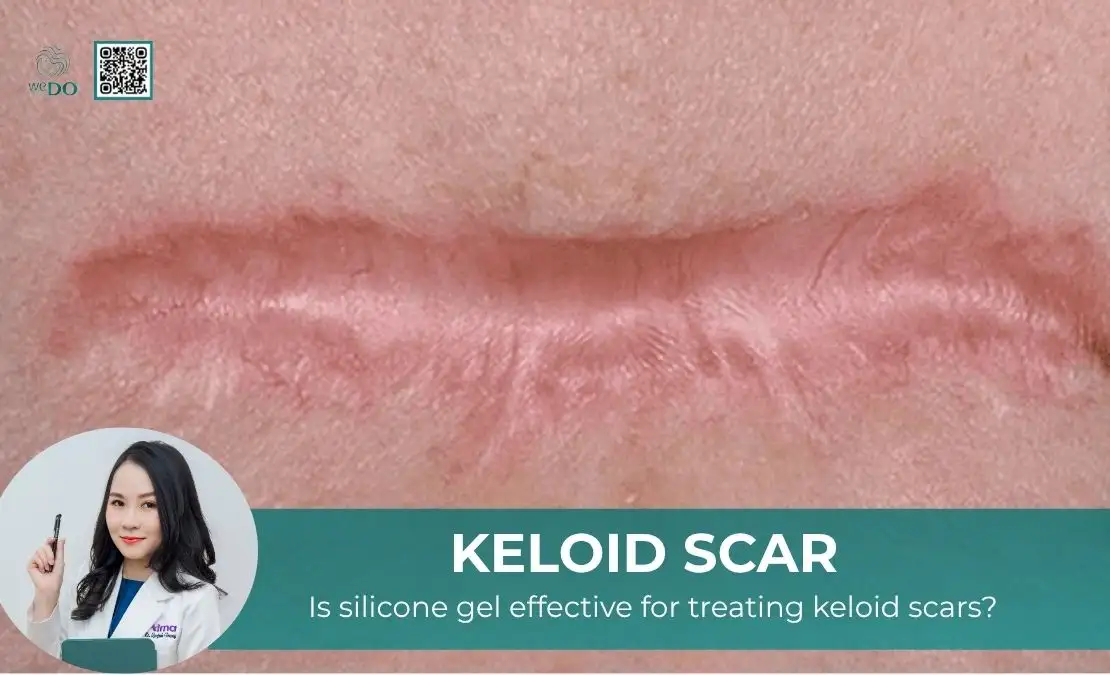
Is silicone gel effective for treating keloid scars?
Is silicone gel effective for treating keloid scars? For individuals with keloid scars, can topical treatments help flatten the scar? This is a common concern, as topical therapy is both cost-effective and non-invasive. If you are also curious, refer to the article below to find the answer. Is silicone gel effective for treating keloid scars?

What SPF level is sufficient for sunscreen?
What SPF level is sufficient for sunscreen? Does a higher SPF mean stronger and more effective sun protection? And is focusing solely on the SPF index enough to choose a suitable sunscreen for your skin? If you are also wondering about these questions, refer to the article below to find the answers. What is the
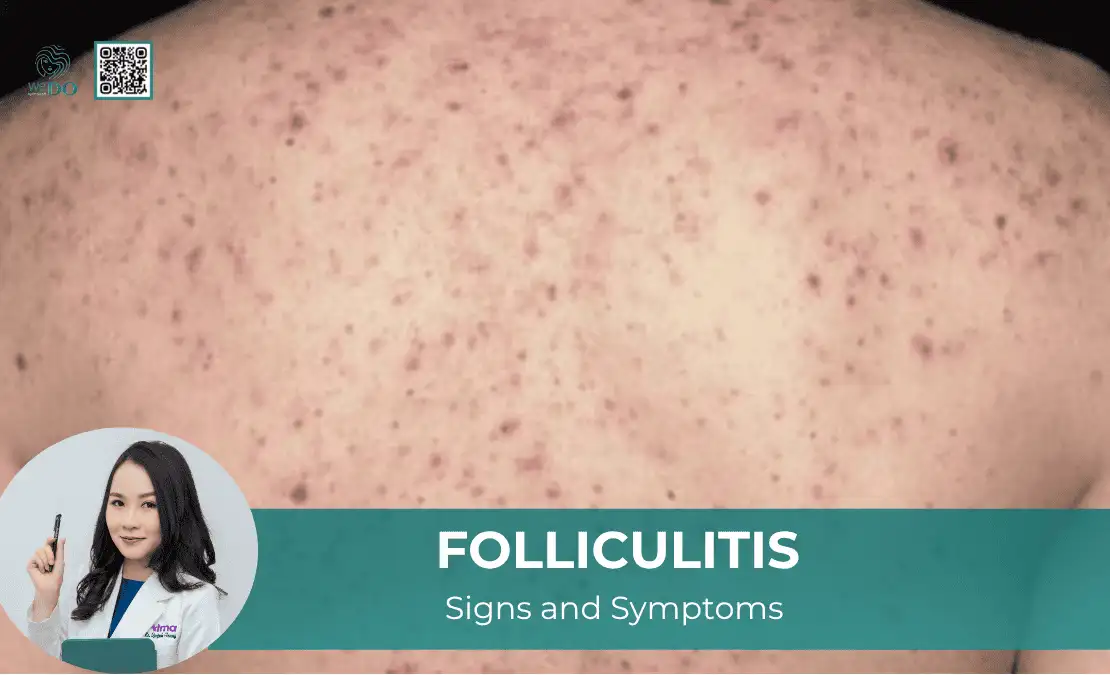
WHAT IS FOLLICULITIS AND HOW IS IT TREATED?
Folliculitis can affect anyone and may occur anywhere on the body except the palms and soles. Although it does not impact overall health, it often causes discomfort and reduces confidence due to cosmetic concerns. Without proper treatment, folliculitis tends to recur, making the skin appear less smooth. FOLLICULITIS – DEFINITION AND SIGNS AND SYMPTOMS Folliculitis
Tác giả: admin
Ngày đăng: 31/07/2025