


 VIE
VIE

How to treat skin pigmentation after laser safely and effectively
CONTENT
After laser treatment, many people face a concerning issue: skin darkening, also known as post-laser hyperpigmentation. This condition not only affects aesthetics but also causes disappointment and anxiety when the initial results of melasma or acne treatment seem ineffective. So, how can post-laser hyperpigmentation be treated? Join WEDO Skin Clinic to explore this topic in the article below.
Why does post-laser hyperpigmentation occur?
After laser treatment, some individuals experience darker skin, known as post-laser hyperpigmentation or post-inflammatory hyperpigmentation. This is a skin reaction to injury and can occur due to the following reasons:
Inflammatory response and the skin’s natural defense mechanism
Lasers work by creating controlled micro-injuries to break down melanin pigments. This process inadvertently triggers the body’s natural inflammatory response. To protect the damaged skin, melanocytes increase melanin production. If this response is overly intense, excess melanin accumulates, leading to darker spots or patches compared to the original skin tone.
Treatment techniques and individual skin characteristics
Post-laser hyperpigmentation can result from technical errors, such as using an unsuitable laser type for the skin, setting the energy too high, or performing the procedure incorrectly. This can cause severe thermal damage to the skin, triggering inflammation and hyperpigmentation. Additionally, individuals prone to hyperpigmentation, especially those with darker skin tones like Asians, are at higher risk.
Improper post-treatment skin care
Skin is highly sensitive and vulnerable to UV rays after laser treatment. Failing to strictly adhere to sun protection can stimulate melanin production, worsening post-laser hyperpigmentation.
Moreover, picking at scabs, scratching, or using inappropriate skin care products during the recovery phase can further damage the skin and lead to hyperpigmentation.

Signs of post-laser hyperpigmentation
Post-laser hyperpigmentation is when the skin becomes darker after laser-induced injury. Below are common signs to recognize this condition:
- Darkened skin patches: After the scabs peel off, you may notice brown, dark brown, gray, or even black patches at the laser-treated areas. These patches may have defined or diffuse borders.
- Uneven skin tone: The treated area shows a noticeable difference in color compared to surrounding skin.
- Itching or discomfort: Hyperpigmentation may sometimes be accompanied by mild itching or irritation in the affected area.
To accurately diagnose post-laser hyperpigmentation, visit a reputable dermatology clinic. Doctors there can use specialized lighting to determine whether the hyperpigmentation is in the epidermal or dermal layer.
- Epidermal (superficial) hyperpigmentation: These patches appear brown, dark brown, or gray and are usually visible to the naked eye. They may fade naturally within a few months.
- Dermal (deep) hyperpigmentation: These patches appear grayish-blue or dark blue and are harder to detect under dermatological lighting. This condition is more complex and may persist long-term without proper treatment.

Who is prone to post-laser hyperpigmentation?
Post-laser hyperpigmentation does not affect everyone but is more common in the following groups:
People with darker skin tones
Individuals with darker skin tones, particularly Asians, are significantly more prone to post-laser hyperpigmentation. This is because their skin contains more melanin than lighter-skinned individuals. When the skin is damaged by lasers, melanocytes react more intensely, producing excess melanin for protection, leading to skin darkening.
People with sensitive or inflamed skin
Those with a history of skin conditions like eczema, dermatitis, or severe inflammatory acne have sensitive skin that reacts strongly to external stimuli. Laser treatment can trigger inflammation, leading to a stronger hyperpigmentation response.
>>> To learn more about skin conditions and treatment methods, visit here.
People who do not follow post-laser skin care protocols
This is one of the most common causes. Post-laser skin is fragile and highly susceptible to UV damage. Without thorough sun protection, UV rays stimulate melanin production, worsening darkening and melasma. Additionally, picking at scabs or peeling new skin can damage the skin and increase the risk of post-inflammatory hyperpigmentation.
People treated at non-reputable facilities
Using lasers with settings unsuitable for the skin type, excessive energy, or inexperienced technicians can cause unnecessary damage. This directly triggers inflammation and increases the likelihood of post-laser hyperpigmentation.

Can post-laser hyperpigmentation resolve on its own? How long does it last?
Post-laser hyperpigmentation may fade over time, but not in all cases. The duration depends on factors such as the extent of damage, skin type, and post-treatment care.
- Epidermal hyperpigmentation: Most cases can fade naturally. Brown patches on the skin’s surface may disappear within a few months but could take 1–2 years, depending on the body’s natural melanin elimination process.
- Dermal (deep) hyperpigmentation: This is more complex and less likely to resolve on its own. Gray or dark blue patches deep in the skin may persist permanently without timely and proper treatment.
Effective, safe, and fast methods to treat post-laser hyperpigmentation
Post-laser hyperpigmentation is a natural skin response. However, if not addressed promptly, it can affect aesthetic outcomes. To treat post-laser hyperpigmentation effectively, safely, and quickly, seek reputable, medically certified dermatology clinics.
One of the trusted dermatology clinics in Ho Chi Minh City, highly praised by clients, is WEDO Skin Clinic. With a team of Level I dermatology specialists, FDA-certified advanced medical equipment, and standardized medical procedures, WEDO ensures confidence in its services, particularly for post-laser hyperpigmentation treatment.
At WEDO, hyperpigmentation treatment is personalized and combines multiple methods for optimal results. The process begins with a thorough examination, and based on the severity of your hyperpigmentation, the doctor will develop a tailored treatment plan.

>>> Additionally, you can learn more about how to treat and prevent hyperpigmentation after scar treatment to minimize this condition post-laser.
Treatment with targeted active ingredients
Doctors may prescribe topical products containing active ingredients to suppress and fade pigmentation, such as:
- Hydroquinone: A leading ingredient in hyperpigmentation treatment, it inhibits melanin production.
- Retinoid: Promotes cell turnover, helping to fade dark patches.
- Azelaic Acid and Niacinamide: These ingredients reduce melanin production and soothe skin, especially safe for sensitive post-laser skin.
- Vitamin C: A powerful antioxidant that brightens skin and inhibits melanin synthesis.
Advanced technology for deep treatment
For severe hyperpigmentation, doctors may use advanced laser technologies or other specialized methods to address the root cause:
- Laser: Certain lasers with appropriate wavelengths can be used again to break down excess pigments, such as Laser Dye VL.
- Chemical Peel: Chemical peels using acids (AHA, BHA) create a controlled reaction on the skin. This process breaks down bonds between dead skin cells in the epidermis, causing them to peel off. It removes darkened skin layers and excess melanin-containing cells while stimulating the growth of new, healthy cells, resulting in brighter, smoother, and more even-toned skin.
- Mesotherapy: This involves directly injecting nutrients and active ingredients into the skin using micro-needles or specialized devices. Mesotherapy delivers skin-brightening components like Vitamin C, Glutathione, and Tranexamic Acid directly to the dermis for maximum efficacy. This method inhibits melanin production, fades existing pigmentation, and prevents melasma from within, offering faster and more targeted results than topical treatments.

How to prevent post-laser hyperpigmentation, per dermatologists
To ensure effective treatment and prevent recurring post-laser hyperpigmentation, keep the following in mind:
- Avoid sun exposure completely after treatment. Limit outdoor activities and use broad-spectrum sunscreen (SPF 50+), along with thorough protection, for at least 4 weeks.
- Use recovery and pigment-suppressing products containing Vitamin C, Hydroquinone, or Arbutin.
- Avoid picking or peeling scabs to prevent skin damage and scarring.
- Use gentle cleansers, avoid makeup, and steer clear of harsh exfoliating products during the recovery period.
Frequently asked questions about post-laser hyperpigmentation treatment
How long does it take for post-laser darkening to fade?
The time it takes for darkening to fade depends on its depth and skin type, typically ranging from a few weeks to a few months for noticeable results.
Is post-laser hyperpigmentation dangerous?
Post-laser hyperpigmentation is not dangerous to health but can affect aesthetics and requires proper treatment to avoid persistence.
What should you do if you experience post-laser hyperpigmentation?
Stop self-treating and contact a dermatologist immediately for an examination and prescription of suitable products. Additionally, practice strict sun protection to prevent worsening.
Overall, treating post-laser hyperpigmentation requires a combination of advanced methods and proper skin care. By following the doctor’s treatment plan, using targeted products, and practicing strict sun protection, you can soon restore your skin for optimal and safe aesthetic results.
WeDo District 1 – Tran Doan Khanh Street
- Hotline/Zalo/Whatsapp: 0898898875
- Address: 11 Tran Doan Khanh Street, Da Kao Ward, District 1, HCMC
WeDo District 2 – Thai Thuan Street
- Hotline/Zalo/Whatsapp: 0707196622
- Address: 17 Thai Thuan Street, An Phu Ward, Thu Duc City, HCMC

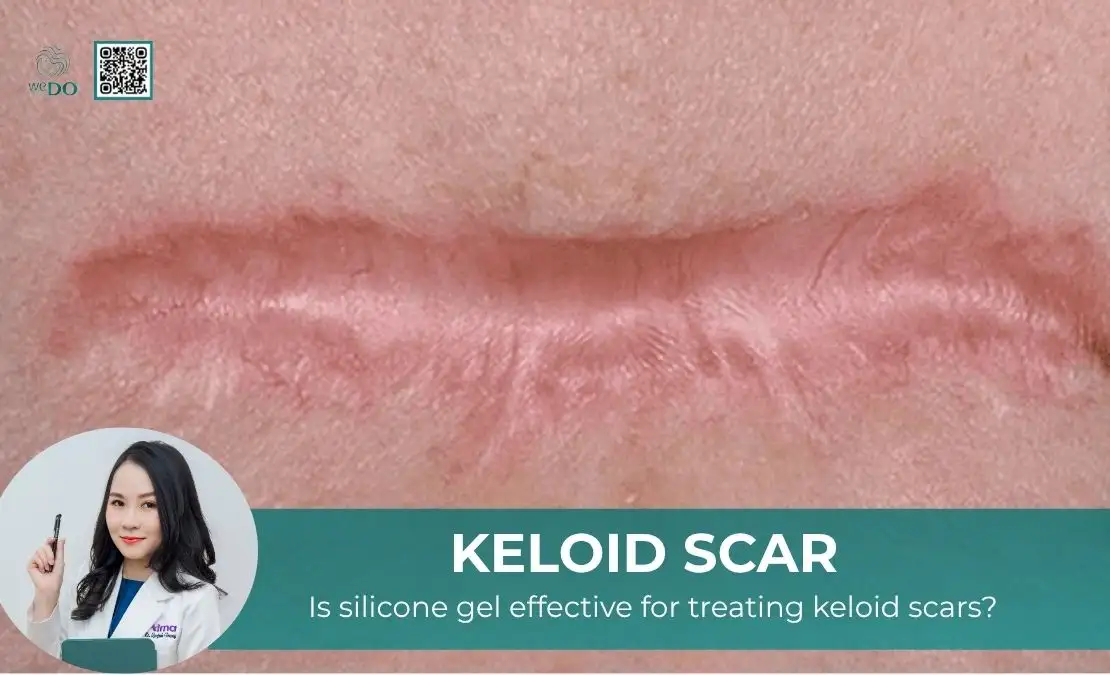
Is silicone gel effective for treating keloid scars?
Is silicone gel effective for treating keloid scars? For individuals with keloid scars, can topical treatments help flatten the scar? This is a common concern, as topical therapy is both cost-effective and non-invasive. If you are also curious, refer to the article below to find the answer. Is silicone gel effective for treating keloid scars?

What SPF level is sufficient for sunscreen?
What SPF level is sufficient for sunscreen? Does a higher SPF mean stronger and more effective sun protection? And is focusing solely on the SPF index enough to choose a suitable sunscreen for your skin? If you are also wondering about these questions, refer to the article below to find the answers. What is the
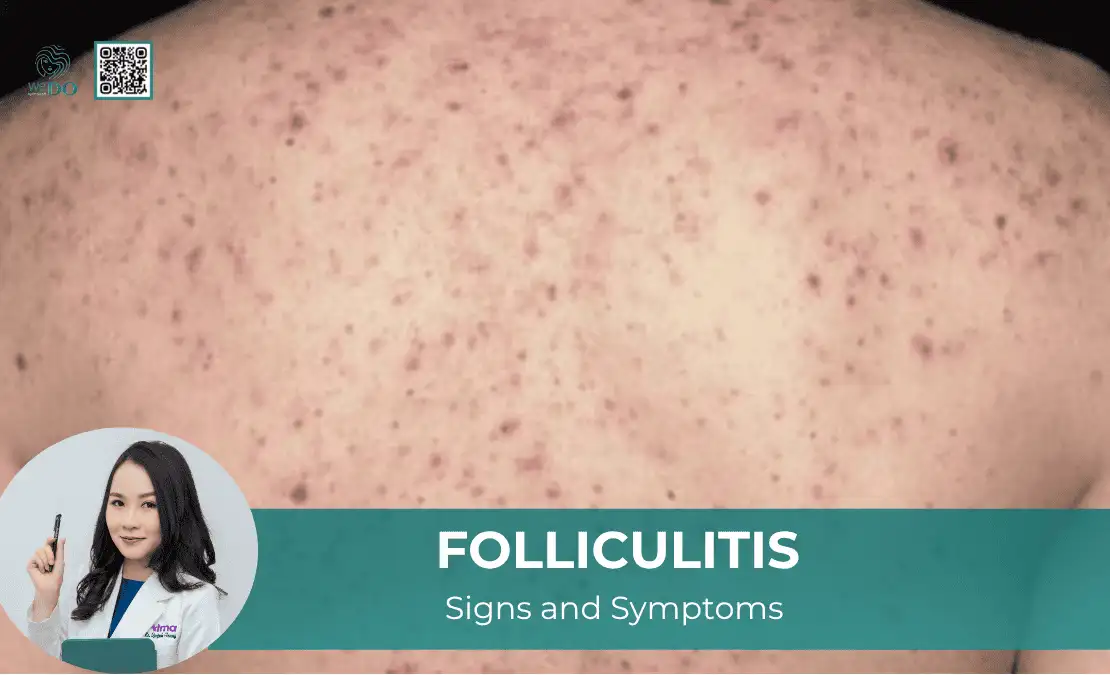
WHAT IS FOLLICULITIS AND HOW IS IT TREATED?
Folliculitis can affect anyone and may occur anywhere on the body except the palms and soles. Although it does not impact overall health, it often causes discomfort and reduces confidence due to cosmetic concerns. Without proper treatment, folliculitis tends to recur, making the skin appear less smooth. FOLLICULITIS – DEFINITION AND SIGNS AND SYMPTOMS Folliculitis
Image I Peel: Ingredients, Benefits, and Price
Peel Image (I Peel) is a familiar name among skincare enthusiasts, especially those who love chemical peels. But is this popular line really worth the hype — and what’s its price range? Let’s take a closer look. Key Ingredients of Peel Image Peel Image follows a multi-target, multi-mechanism principle — meaning it combines a variety
Does Acne Spot Treatment Really Work? Top 10 Products Recommended
Spot treatment is a familiar method for those dealing with acne-prone skin. It is simple, painless, affordable, and can be performed at home. The effectiveness depends largely on the active ingredients and the severity of acne. Benefits of Acne Spot Treatments Depending on their composition, different products serve distinct purposes, but generally, they work to:
Tác giả: wedo
Ngày đăng: 04/10/2025