


 VIE
VIE

How to treat brown freckles on the face according to medical standards
CONTENT
Brown spots and freckles on the face are a persistent concern, making the skin appear less vibrant and diminishing your confidence. Despite trying various home remedies, these spots may persist or even spread, leaving you feeling frustrated? Don’t worry, with the medically certified methods for treating brown spots and freckles outlined below, you can absolutely restore smoother, more even-toned skin.
What are brown spots and freckles? How do they form?
Brown spots and freckles are two common pigmentary skin disorders that appear as dark patches on the skin’s surface. Essentially, both result from excessive melanin production, but they have distinct characteristics and formation mechanisms.
What are brown spots and freckles?
Freckles are small spots ranging from light brown to dark brown, typically 1–5mm in size, round or oval in shape. They often appear in clusters, particularly on areas exposed to sunlight, such as the face, neck, shoulders, and back. The color intensity of freckles varies depending on sun exposure.
In contrast, brown spots are generally larger, darker than freckles, and may appear individually or in patches. They primarily occur on sun-exposed areas and tend to increase with age, which is why they are also called age spots.


How do brown spots and freckles form?
Both brown spots and freckles are directly linked to the production of melanin, the pigment responsible for skin color. When the skin is exposed to ultraviolet (UV) rays from sunlight, pigment cells are activated to produce melanin to protect the skin from UV damage.
This process is a natural defense mechanism of the body. However, in some individuals, particularly those with genetic predispositions, melanocytes overproduce melanin unevenly. This excess melanin accumulates in specific areas, forming brown spots and freckles.
Additionally, hormonal changes such as pregnancy, menopause, aging, and certain medications can accelerate this process, causing pigment spots to appear and darken.
Can brown spots and freckles be treated?
With advancements in modern aesthetic technology, brown spots and freckles can absolutely be treated. However, the effectiveness of treatment depends on various factors, from the root cause to your daily skincare routine. Understanding these factors will help you proactively choose the right treatment method and maintain long-lasting results.

Internal factors affecting the effectiveness of brown spots and freckles treatment
- Skin type and predisposition: People with fair skin, blonde, or red hair are more prone to freckles. Additionally, if you have a predisposition to post-inflammatory hyperpigmentation (PIH), treatment must be performed more cautiously.
- Genetic factors: If family members have brown spots or freckles, you are more likely to experience these conditions. Genetics can influence how your skin produces melanin when exposed to sunlight.
- Hormones and age: Hormonal changes during pregnancy, pre-menopause, or from contraceptive use can trigger melanin production, causing pigment spots to appear and darken. Aging also makes the skin more vulnerable and slower to recover.
External factors affecting the effectiveness of brown spots and freckles treatment
- Sun exposure levels: UV rays are the primary cause of brown spots and freckles and can exacerbate these conditions. Without diligent sun protection using sunscreen and coverings, treatment effectiveness will significantly decrease, and the condition may recur.
- Choice of treatment method: Not all methods suit every type of pigment spot. Epidermal brown spots may respond well to topical creams, while longstanding freckles or brown spots may require laser or chemical peels. Accurate diagnosis and selecting the appropriate method are critical.
- Doctor’s expertise and reputable facilities: A safe and effective treatment plan heavily depends on the doctor’s experience. Skilled dermatologists with extensive expertise will adjust laser settings or acid peel concentrations appropriately to avoid unnecessary skin damage.
- Post-treatment skin care: Strictly following at-home skin care instructions is essential. Neglecting this step can lead to unwanted side effects, such as post-inflammatory hyperpigmentation, making the skin darker than before.
Medically certified methods to treat brown spots and freckles on the face
Medically certified treatments for brown spots and freckles on the face can address pigmentation issues, restore smooth, vibrant skin, boost your daily confidence, and enhance overall skin health. Common treatment methods include:
Using laser technology
Laser treatment is considered the most effective method for treating pigment spots. Lasers work by using light energy to precisely target melanin pigments, breaking them into tiny particles that the body naturally eliminates.
Popular laser technologies today, such as Laser YAG, Laser Pico, Laser Toning, and Laser DYE VL, have wavelengths tailored to different types of pigment spots. This method delivers high efficacy, quickly fading and eliminating freckles and brown spots.

Chemical Peel
Chemical Peel is a method that uses acid solutions with appropriate concentrations and pH levels to remove the dead skin layer containing pigments. This process peels away the old skin, promoting the growth of new, healthy skin cells, thereby fading brown spots and freckles. Chemical peels are commonly used for superficial freckles or brown spots, resulting in brighter, more even-toned skin.
Mesotherapy
Mesotherapy involves injecting skin-brightening active ingredients directly into the skin using micro-needle techniques. Ingredients like Vitamin C, Glutathione, and Tranexamic Acid target pigment cells, inhibiting melanin production and fading existing pigment spots. Mesotherapy is often combined with other methods to enhance treatment efficacy and nourish the skin from within.

Using topical medications
For mild brown spots and freckles, doctors may prescribe specialized topical creams containing ingredients like Hydroquinone, Retinoids, Vitamin C, or Azelaic Acid. These ingredients inhibit melanin production, gradually fading pigment spots. This method requires patience and strict adherence to the doctor’s instructions to avoid unwanted side effects.
Key considerations when treating brown spots and freckles
- Consult a dermatologist for an accurate diagnosis of whether you have brown spots or freckles and their severity, enabling a tailored treatment plan.
- Use sunscreen with SPF 30+ daily, even on cloudy days or indoors. When going outside, protect your skin thoroughly with wide-brimmed hats and sunscreen to shield against UV rays.
- Be patient and adhere to the treatment plan.
- Follow a scientific at-home skincare routine.
- Avoid using brown spot and freckle treatment products of unknown origin.

How to care for your face after treating brown spots and freckles
Below are ways to care for your face after treating brown spots and freckles to ensure optimal recovery and maintain results:
Initial phase: Recovery and protection
During this phase, the skin is extremely sensitive, requiring special care measures:
- Cleanse the skin gently with saline solution or boiled, cooled water. Avoid using cleansers with strong detergents to prevent damage to new skin.
- Apply regenerative medications or moisturizers prescribed by the doctor to soothe the skin, reduce redness and swelling, and promote recovery.
- Minimize outdoor activities. If necessary, use broad-spectrum sunscreen (SPF 50+), wear wide-brimmed hats, face masks, and sunglasses to fully protect the skin from UV rays.
Next phase: Nourishment and protection
Once the skin has basically recovered, you can begin more intensive care to maintain results:
- Maintain the habit of applying sunscreen daily, even indoors.
- Use products containing skin-brightening ingredients like Vitamin C, Niacinamide, or Arbutin to inhibit melanin formation and even out skin tone.
- Provide adequate hydration to keep the skin healthy, improve resilience, and aid recovery.
- Avoid using products containing Retinol, AHA/BHA, or mixed creams with corticosteroids, as they may cause irritation and damage post-treatment skin.
- Eat plenty of green vegetables and fruits, drink enough water, and get sufficient sleep to support healthy skin from within.
Frequently asked questions about treating brown spots and freckles
How much does it cost to treat brown spots and freckles?
The cost of treating brown spots and freckles depends on the method, technology, and severity of the condition. Typically, costs range from a few million to tens of millions of VND for a full treatment course.
Can brown spots and freckles recur after treatment?
Brown spots and freckles can recur if sun protection is inadequate, skincare is improper, or due to hormonal factors.
Where is a good place to treat brown spots and freckles?
Seek dermatology hospitals or reputable specialized clinics with experienced doctors and modern equipment for treatment.
Can longstanding freckles be treated?
Longstanding freckles can still be treated with advanced technologies like lasers or chemical peels. However, the process may be more complex and require more time.
What foods help reduce freckles on the face?
Foods rich in Vitamins C, E, and antioxidants, such as oranges, strawberries, tomatoes, and avocados, can support skin brightening and fade dark spots, but they cannot completely eliminate freckles.
Overall, treating brown spots and freckles with medically certified methods requires a combination of advanced technology and patience. By choosing the right treatment method, following the doctor’s guidance, and practicing proper skincare, you can achieve smooth, even-toned, and radiant skin.
WeDo District 1 – Tran Doan Khanh Street
- Hotline/Zalo/Whatsapp: 0898898875
- Address: 11 Tran Doan Khanh Street, Da Kao Ward, District 1, HCMC
WeDo District 2 – Thai Thuan Street
- Hotline/Zalo/Whatsapp: 0707196622
- Address: 17 Thai Thuan Street, An Phu Ward, Thu Duc City, HCMC
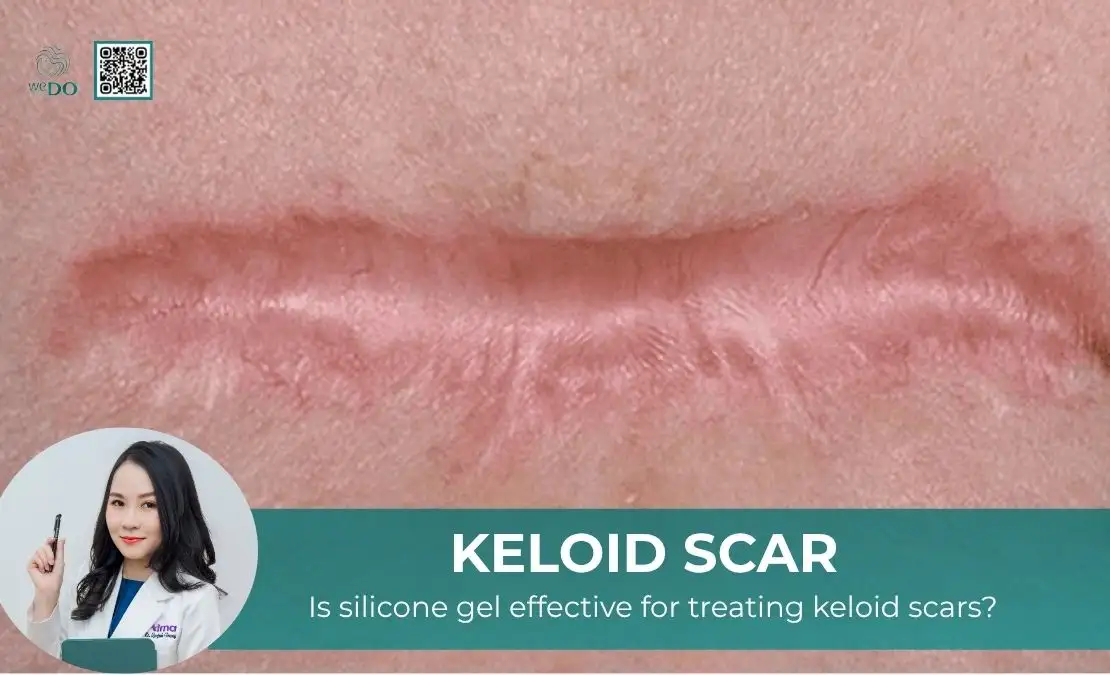
Is silicone gel effective for treating keloid scars?
Is silicone gel effective for treating keloid scars? For individuals with keloid scars, can topical treatments help flatten the scar? This is a common concern, as topical therapy is both cost-effective and non-invasive. If you are also curious, refer to the article below to find the answer. Is silicone gel effective for treating keloid scars?

What SPF level is sufficient for sunscreen?
What SPF level is sufficient for sunscreen? Does a higher SPF mean stronger and more effective sun protection? And is focusing solely on the SPF index enough to choose a suitable sunscreen for your skin? If you are also wondering about these questions, refer to the article below to find the answers. What is the
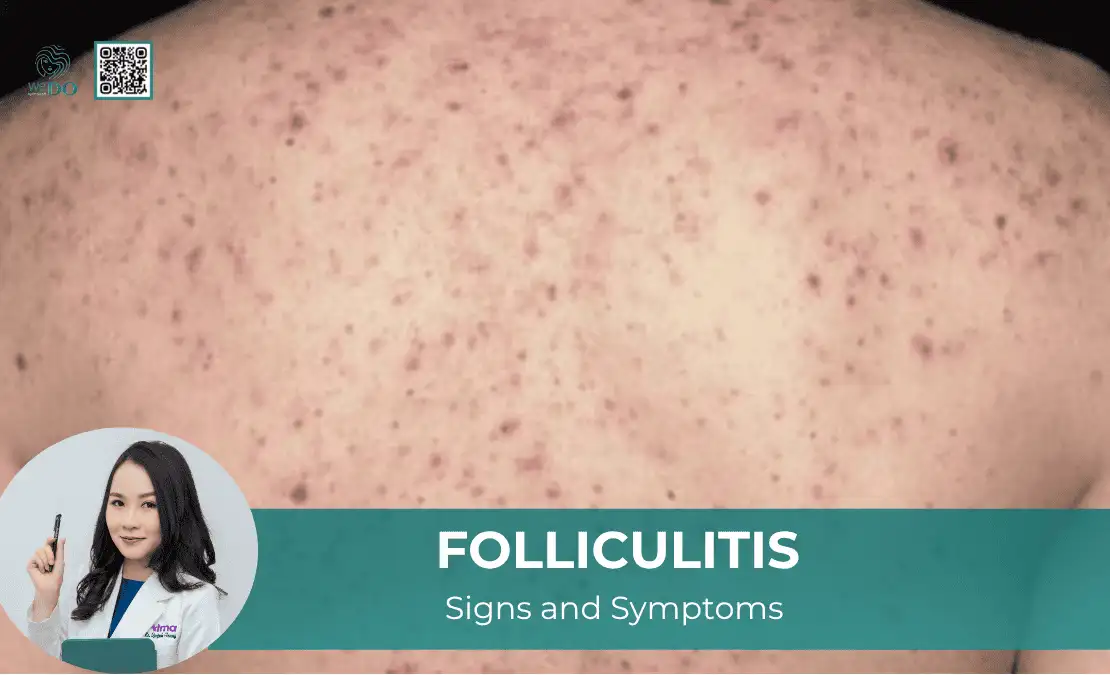
WHAT IS FOLLICULITIS AND HOW IS IT TREATED?
Folliculitis can affect anyone and may occur anywhere on the body except the palms and soles. Although it does not impact overall health, it often causes discomfort and reduces confidence due to cosmetic concerns. Without proper treatment, folliculitis tends to recur, making the skin appear less smooth. FOLLICULITIS – DEFINITION AND SIGNS AND SYMPTOMS Folliculitis
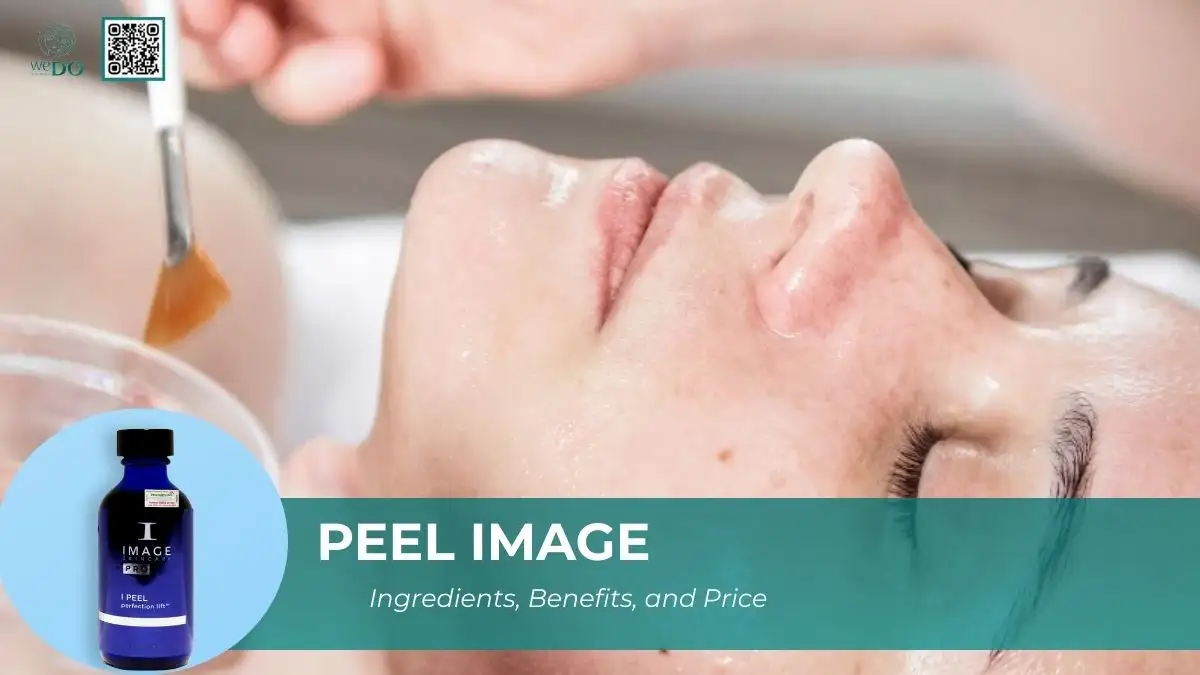
Image I Peel: Ingredients, Benefits, and Price
Peel Image (I Peel) is a familiar name among skincare enthusiasts, especially those who love chemical peels. But is this popular line really worth the hype — and what’s its price range? Let’s take a closer look. Key Ingredients of Peel Image Peel Image follows a multi-target, multi-mechanism principle — meaning it combines a variety
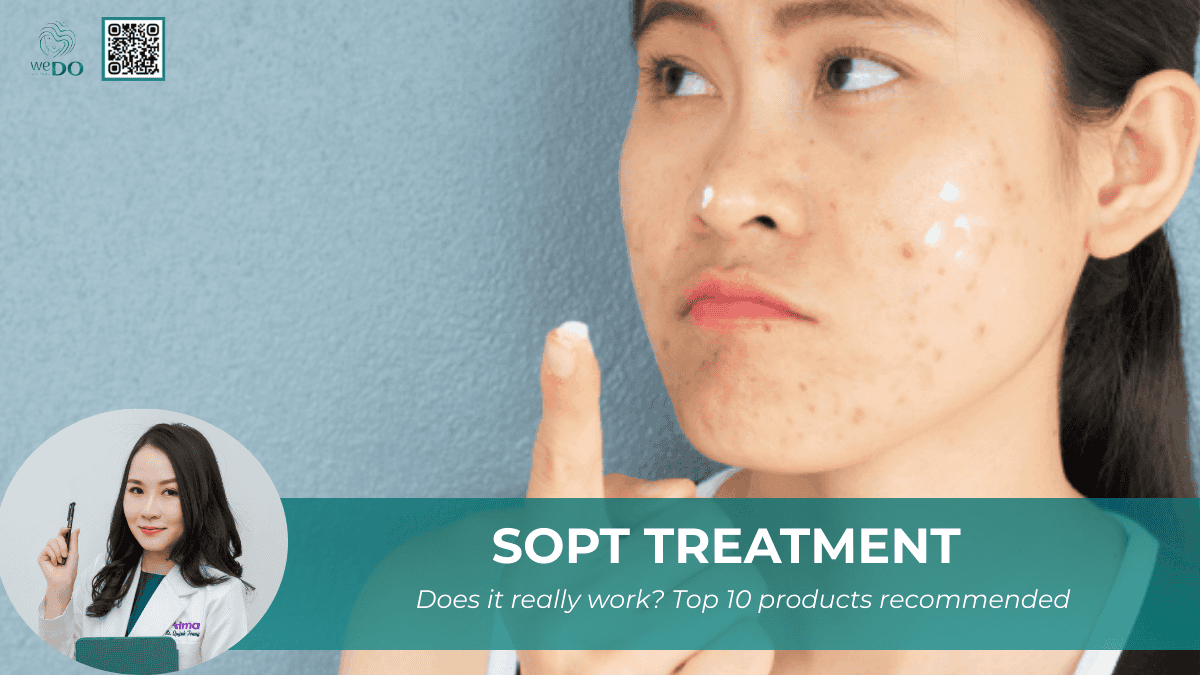
Does Acne Spot Treatment Really Work? Top 10 Products Recommended
Spot treatment is a familiar method for those dealing with acne-prone skin. It is simple, painless, affordable, and can be performed at home. The effectiveness depends largely on the active ingredients and the severity of acne. Benefits of Acne Spot Treatments Depending on their composition, different products serve distinct purposes, but generally, they work to:
Tác giả: wedo
Ngày đăng: 04/10/2025