


 VIE
VIE

How to treat blackheads and hidden acne safely and prevent recurrence
CONTENT
Blackheads and hidden acne are two common types of acne that often make the skin rough, less smooth, and aesthetically unappealing. Although they do not cause pain like inflammatory acne, if not treated properly, blackheads and hidden acne can spread, recur multiple times, and become more difficult to treat. So, what are the safe, effective ways to treat blackheads and hidden acne while minimizing recurrence? Let’s explore in detail with Wedo Skin Clinic in this article.
What Are Blackheads and Hidden Acne? Signs to Recognize
Blackheads and hidden acne are common in many skin types and can appear in both men and women. While they do not cause pain like inflamed pimples, they significantly affect appearance, making the skin’s surface rough, less smooth, and harder to apply makeup.
Blackheads form when pores are clogged with excess oil, dead skin cells, and dirt. If the acne core is not exposed to air, it will appear white (whiteheads). In contrast, when the core is exposed and oxidized, it turns black (blackheads). These small bumps often cluster on the nose, forehead, and chin—areas with high oil production.
Hidden acne lies deep beneath the skin’s surface without a visible core, making it hard to detect with the naked eye. When touched, the skin feels bumpy and thicker than normal. Hidden acne usually appears on the cheeks, forehead, chin, or jawline. Although it rarely causes redness or pain, improper treatment can lead to inflammatory acne, cystic acne, and stubborn scars.

Causes of Blackheads and Hidden Acne
Multiple factors contribute to blackheads and hidden acne, stemming from both internal and external influences. These causes often combine, prolonging acne, causing recurrence, and making it harder to treat if not addressed promptly.
-
Improper skin cleansing – Incomplete facial cleansing, neglecting areas like the nose wings and jawline, or not removing makeup and sunscreen thoroughly can leave residue that clogs pores.
-
Hormonal changes – During puberty, menstruation, pregnancy, or prolonged stress, increased androgen levels stimulate oil production, leading to clogged pores.
-
Unhealthy diet – High sugar, oily, spicy foods, and fast food can increase inflammation and oil production. Not drinking enough water leads to dehydration, prompting excess oil production.
-
Poor lifestyle habits – Staying up late, lack of sleep, and a sedentary lifestyle hinder skin regeneration and toxin elimination.
-
Environmental factors – Frequent exposure to dust, pollution, and UV rays without protection can thicken the skin’s surface, increase oil production, and trigger acne formation.

How to treat blackheads and hidden acne
Treating blackheads and hidden acne safely requires a scientific approach, combining multiple methods to remove acne cores effectively while minimizing skin damage and preventing recurrence.
-
Proper skincare – Cleanse twice daily with a gentle, pH-balanced cleanser. Always remove makeup at night, even without makeup, to clear sunscreen and dirt. Exfoliate 1–2 times weekly with AHA or BHA to remove dead skin cells and unclog pores.
-
Use acne-fighting products – BHA (consult a dermatologist before use) penetrates pores to dissolve oil and remove dead skin cells. Retinoids promote skin renewal and help bring hidden acne to the surface.
-
Professional extraction – Should be performed at reputable spas or dermatology clinics under sterile, medical standards to avoid infection and scarring.
-
Advanced treatments for severe cases – LED light therapy to kill bacteria and reduce inflammation, chemical peels to exfoliate and regenerate the skin, and iontophoresis to deliver anti-inflammatory and healing actives deep into the skin.
-
Internal care – Drink 1.5–2 liters of water daily, eat vegetables, fruits, and omega-3-rich foods to reduce inflammation, and limit sugary, greasy, spicy, and fast foods.
-
Healthy lifestyle – Sleep 7–8 hours per night, exercise regularly to improve blood circulation and detoxification, and manage stress to balance hormones.

How to Prevent Recurrence of Blackheads and Hidden Acne
-
Keep skin clean – Wash twice daily, remove makeup thoroughly, and exfoliate 1–2 times weekly.
-
Choose suitable cosmetics – Opt for non-comedogenic products, avoid heavy or oily formulas.
-
Protect skin from the environment – Apply sunscreen daily, wear masks, hats, and glasses when outdoors.
-
Maintain a healthy diet – Increase fresh fruits, vegetables, and omega-3 sources; drink enough water; limit unhealthy foods.
-
Adopt a balanced lifestyle – Ensure adequate sleep, regular exercise, and stress management.
Conclusion
Effectively treating blackheads and hidden acne requires proper skincare, suitable treatment products, and a healthy lifestyle. For persistent or severe cases, seek professional dermatology care. Skincare is not just about removing acne—it’s a journey to achieve healthy, confident, and radiant skin.
FAQs About Treating Blackheads and Hidden Acne
Can I extract blackheads and hidden acne at home?
No, it risks infection, scarring, and spreading acne. Professional extraction is recommended.
How long does it take to see results?
Depending on skin type and treatment method, improvement is usually noticeable within 2–6 weeks.
Can blackheads and hidden acne return?
Yes, if proper skincare and hygiene are not maintained.
How to prevent recurrence?
Proper cleansing, regular exfoliation, sunscreen use, and a healthy lifestyle.
Can they go away on their own?
Mild cases may improve with proper skincare, but most require targeted treatment to avoid worsening.

About Morpheus8 – The Rejuvenation Device Highly Sought After by Celebrities
There is a rejuvenation device that has successfully won over some of the world’s top celebrities. It is Morpheus8 – an advanced RF microneedling technology, honored to rank among the top two most popular aesthetic technologies worldwide. If you are still unfamiliar with this device and technology, explore the article below so you do not

Skintag & Mole removal: What method is good?
Skin tags and moles are common skin concerns that many people choose to remove for cosmetic reasons or personal comfort. Skin tags usually appear as small raised bumps that make the skin surface look uneven, while moles often develop when pigment cells cluster in one area instead of being distributed evenly across the skin. Sun
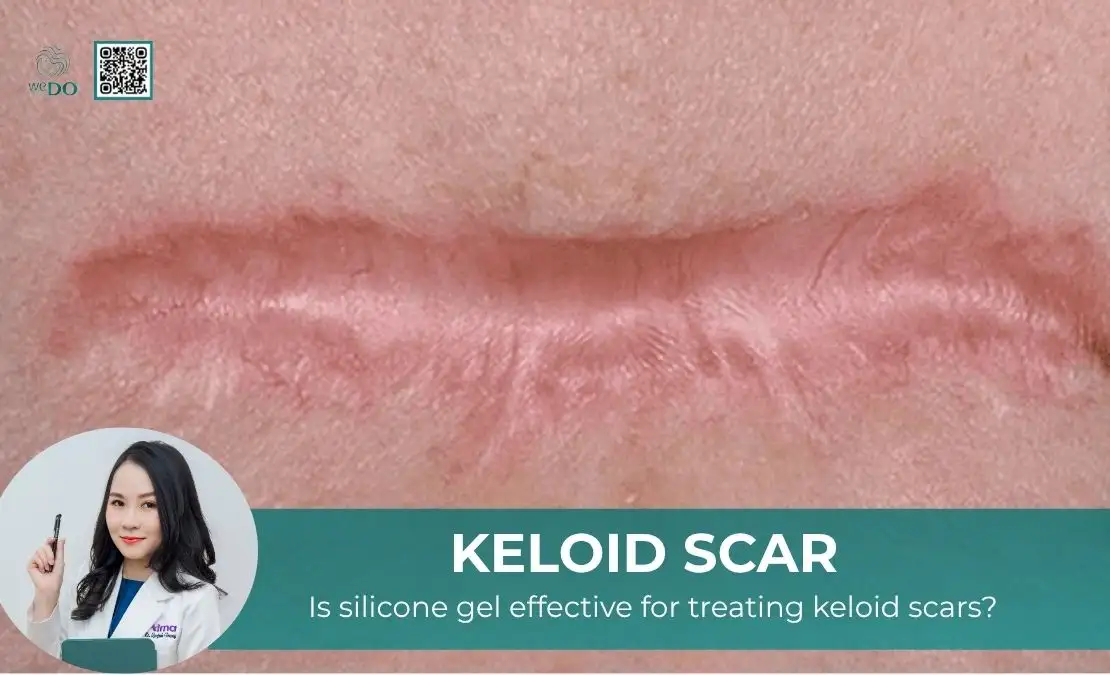
Is silicone gel effective for treating keloid scars?
Is silicone gel effective for treating keloid scars? For individuals with keloid scars, can topical treatments help flatten the scar? This is a common concern, as topical therapy is both cost-effective and non-invasive. If you are also curious, refer to the article below to find the answer. Is silicone gel effective for treating keloid scars?

What SPF level is sufficient for sunscreen?
What SPF level is sufficient for sunscreen? Does a higher SPF mean stronger and more effective sun protection? And is focusing solely on the SPF index enough to choose a suitable sunscreen for your skin? If you are also wondering about these questions, refer to the article below to find the answers. What is the
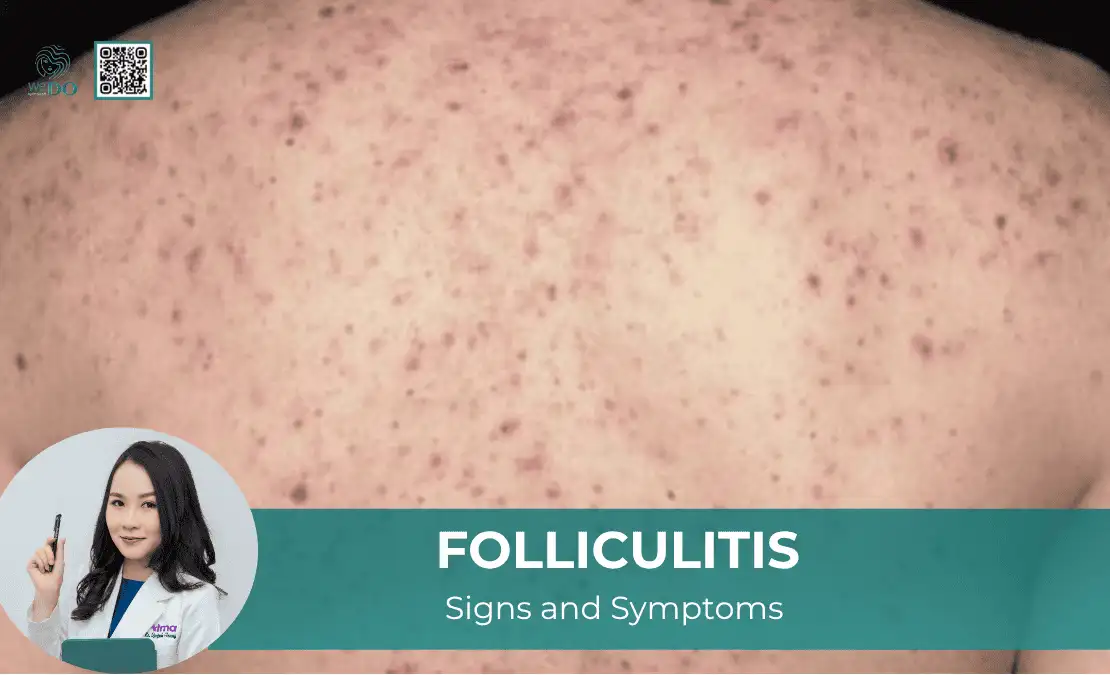
WHAT IS FOLLICULITIS AND HOW IS IT TREATED?
Folliculitis can affect anyone and may occur anywhere on the body except the palms and soles. Although it does not impact overall health, it often causes discomfort and reduces confidence due to cosmetic concerns. Without proper treatment, folliculitis tends to recur, making the skin appear less smooth. FOLLICULITIS – DEFINITION AND SIGNS AND SYMPTOMS Folliculitis
Tác giả: admin
Ngày đăng: 14/08/2025