


 VIE
VIE

How Often Should You Get PRP to Achieve Optimal Results?
CONTENT
PRP (Platelet-Rich Plasma) is considered a safe and natural solution for skin rejuvenation and recovery, as it uses your own autologous blood. However, to maintain long-lasting rejuvenation, PRP injections must be maintained, always under a doctor’s guidance. So, how often should you get PRP? This article will give you a detailed answer while also providing important notes when choosing the PRP method.
What Is PRP and Its Special Benefits
PRP is a method that uses your own blood. A doctor will draw a small amount of blood from your vein, then centrifuge it to separate the platelet-rich plasma. This plasma contains a platelet concentration 3–5 times higher than normal, rich in growth factors and bio-proteins.
The applications of PRP (Platelet-Rich Plasma) are diverse, widely used in aesthetics and regenerative medicine. Some outstanding benefits include:
- Skin rejuvenation and anti-aging improvement: PRP stimulates the production of collagen and elastin, making skin firmer, more elastic, reducing wrinkles, and improving sagging.
- Acne scar and atrophic scar treatment: Thanks to its tissue regeneration ability, PRP helps fill scars and improve uneven skin surfaces.
- Reducing pigmentation and evening skin tone: Growth factors in PRP promote cell regeneration, resulting in brighter, healthier skin.
- Hair loss treatment: When injected into the scalp, PRP nourishes hair follicles, stimulates new hair growth, and strengthens thinning or weak hair.

Signs That You Should Consider PRP
PRP is recognized as one of the safest and most effective natural regenerative therapies, offering numerous benefits for skin and hair. However, not everyone needs to undergo PRP immediately. Determining the right timing and suitable conditions is essential for PRP to maximize its effects. Here are the signs that indicate you should consider PRP.
Early skin aging: Starting from ages 25–30, collagen and elastin levels in the skin decrease, leading to reduced elasticity. Small wrinkles may appear around the eyes, forehead, or mouth corners. Over time, these deepen, making the face look tired and aged. At this stage, PRP works effectively by stimulating new collagen production, restoring firm and smooth skin.
Dull, lifeless skin: People with unhealthy lifestyles or constant sun and pollution exposure often develop dull, darkened skin. PRP injections improve local blood circulation, promote new cell formation, and enhance brightness and evenness of skin tone.
Long-term acne scars and pitted scars: One of the most common uses of PRP is scar treatment. Atrophic scars formed after acne damage skin structure, leaving uneven, rough surfaces. PRP, with its growth factors, regenerates tissue, fills in scars, and improves skin smoothness and elasticity over time.
Severe hair loss and thinning: If you are experiencing abnormal hair loss, thinning, or weak strands, PRP can be an effective solution. Injected directly into the scalp, PRP stimulates follicle activity, strengthens roots, and promotes new, thicker hair growth. It is particularly useful for both men and women suffering from genetic or hormonal hair loss.

How Often Should You Get PRP?
In practice, the frequency of PRP is not fixed. It depends on your treatment goals, skin/hair condition, and the personalized protocol prescribed by your doctor. However, clinical studies and real-world experience provide general recommendations:
- For skin rejuvenation and improvement: Typically, 3–4 PRP sessions are needed, spaced 3–4 weeks apart. This allows sufficient time for the growth factors in plasma to take effect. After the initial course, maintenance sessions every 6–12 months help keep skin youthful and firm.
- For acne scar treatment: For old, deep scars, treatment often requires 4–6 sessions, each spaced 3–4 weeks apart. Once significant improvement is seen, maintenance sessions every 9–12 months may be recommended.
- For hair loss treatment: PRP for hair usually involves 3–6 sessions, each about 1 month apart, to stimulate follicle growth and strengthen hair. After stabilization, maintenance injections every 6 months—or as prescribed by your doctor—are advised.
Where Should You Get PRP for Safety?
Looking for a reputable clinic for meso-PRP skin treatment? Wedo Skin Clinic is the ideal choice because:
- Ministry of Health-standard infection prevention and control: Absolute safety is ensured. Before PRP, blood samples are tested for infectious diseases (HIV, Hepatitis B, C, etc.) before centrifugation, minimizing cross-contamination risks.
- Modern and standardized PRP separation technology: Around 20–30ml of blood is drawn, centrifuged to separate red blood cells from plasma. Wedo Skin Clinic uses CE-certified kits, yielding PRP with platelet concentrations 3–9 times higher than physiological levels (x10⁹ platelets/ml), optimizing treatment effectiveness.
- Personalized treatment protocols: Dermatologists directly examine and design customized regimens tailored to each client’s skin condition and goals.
- Safety commitment: At Wedo Skin Clinic, PRP mesotherapy is performed under strict medical standards, ensuring no complications or side effects, providing absolute peace of mind for clients.
Important Notes Before and After PRP
To ensure maximum effectiveness and safety, take note of these points:
Before PRP Injection
- Consult a dermatologist or medical specialist: Assess your skin, scalp, or condition for a personalized plan.
- Stop platelet-affecting medications: At least 5–7 days before treatment, avoid anti-inflammatory drugs (ibuprofen, aspirin), blood thinners, Vitamin E, or supplements that affect clotting to reduce bruising and enhance PRP effectiveness.
- Maintain good health: Eat well, stay hydrated, and rest adequately to ensure high-quality blood.
- Avoid alcohol, smoking, and stimulants: These reduce plasma quality and treatment results.
After PRP Injection
- Avoid touching or scratching the treated area: To prevent infection and irritation.
- No makeup for 24–48 hours: Allow skin/scalp to rest and PRP to work.
- Apply sunscreen regularly: Skin is more sensitive and prone to sun damage after PRP.
- Maintain proper skincare and nutrition: Drink plenty of water, and supplement with Vitamin C and collagen to support regeneration.

Conclusion
PRP is a safe and effective therapy that rejuvenates skin, improves scars, reduces hair loss, and supports recovery. To answer the question “How often should you get PRP?”, the frequency depends on your treatment goals and the personalized plan your doctor prescribes.
Related Articles
Frequently Asked Questions About PRP
1. What should I avoid after PRP?
In the first 24 hours, avoid sun exposure, makeup, and strenuous exercise. Keep skin moisturized and protected to recover faster.
2. Does PRP hurt?
You may feel slight pricking during injection, but numbing cream is applied, making it comfortable and minimally painful.
3. How many PRP sessions are needed?
Thường từ 3–5 buổi, cách nhau 4–6 tuần để đạt hiệu quả tối ưu.
4. Is downtime required after PRP?
Almost none. Just follow proper skincare, avoid sun, and refrain from makeup for the first 24 hours.
5. Should PRP be combined with other technologies?
Yes. For example, PRP combined with laser, microneedling, or mesotherapy can enhance scar treatment and skin rejuvenation outcomes.

About Morpheus8 – The Rejuvenation Device Highly Sought After by Celebrities
There is a rejuvenation device that has successfully won over some of the world’s top celebrities. It is Morpheus8 – an advanced RF microneedling technology, honored to rank among the top two most popular aesthetic technologies worldwide. If you are still unfamiliar with this device and technology, explore the article below so you do not

Skintag & Mole removal: What method is good?
Skin tags and moles are common skin concerns that many people choose to remove for cosmetic reasons or personal comfort. Skin tags usually appear as small raised bumps that make the skin surface look uneven, while moles often develop when pigment cells cluster in one area instead of being distributed evenly across the skin. Sun
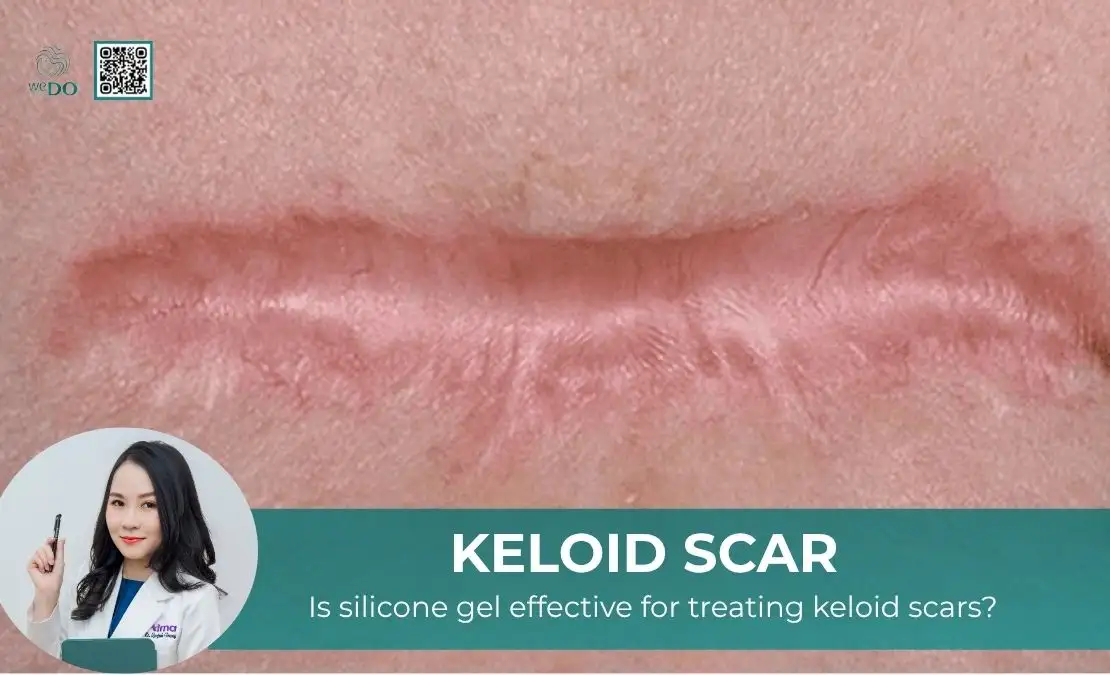
Is silicone gel effective for treating keloid scars?
Is silicone gel effective for treating keloid scars? For individuals with keloid scars, can topical treatments help flatten the scar? This is a common concern, as topical therapy is both cost-effective and non-invasive. If you are also curious, refer to the article below to find the answer. Is silicone gel effective for treating keloid scars?

What SPF level is sufficient for sunscreen?
What SPF level is sufficient for sunscreen? Does a higher SPF mean stronger and more effective sun protection? And is focusing solely on the SPF index enough to choose a suitable sunscreen for your skin? If you are also wondering about these questions, refer to the article below to find the answers. What is the

Specialist Level I Dermatologist Anh Thu
Introduction Specialist Level I Dermatologist Anh Thu is committed to continuously advancing her professional expertise to deliver optimal and safe aesthetic outcomes for patients. This dedication is clearly reflected in her ongoing academic training and professional development. Her long-term motivation is to enhance beauty based on scientific evidence and medical principles. For Dr. Anh Thu,
Tác giả: admin
Ngày đăng: 12/09/2025