


 VIE
VIE

How Often Should You Get Hifu and How Long Does It Last?
CONTENT
Hifu is a non-invasive skin rejuvenation technology loved by many thanks to its ability to lift, tighten, and improve aging skin after just a short treatment. However, how often should you do Hifu and how long can the results last? In fact, the frequency and duration of results depend on several factors such as age, skin condition, genetics, and post-treatment care. In this article, Wedo Skin Clinic will help you better understand Hifu and answer the most common questions surrounding this technology.
What is Hifu?
Hifu (High Intensity Focused Ultrasound) is a modern skin rejuvenation technology that uses high-intensity focused ultrasound waves to target the deeper layers of the skin without surgery. These ultrasound waves generate precise micro-heating points, stimulating the body to naturally produce new collagen and elastin, resulting in firmer, lifted skin and reduced wrinkles.
Unlike invasive procedures, Hifu does not damage the skin surface, requires no downtime, and usually takes only about 30–60 minutes per session. It is considered an ideal solution for those who want to rejuvenate their skin, improve sagging, and maintain a youthful appearance without surgery.
Hifu works by delivering ultrasound energy deep into the skin layers, lifting and tightening without any incisions.

How Often Should You Get Hifu?
Typically, a Hifu treatment only needs to be performed once a year. After treatment, the skin begins to stimulate natural collagen and elastin production, and lifting–rejuvenation results continue to improve over the next 2–3 months. That’s why Hifu does not require frequent sessions like many other cosmetic procedures.
See Hifu treatment price list: Here
How Long Does Hifu Last?
The results of Hifu usually last around 12–18 months, depending on age, skin type, and condition prior to treatment. Younger individuals with healthy skin and good collagen regeneration may enjoy longer-lasting results, while older patients with significant skin laxity may need repeat sessions sooner.
Immediately after treatment, the skin appears firmer and slightly lifted due to the contraction of existing collagen fibers. However, the most noticeable improvements occur after 2–3 months, as new collagen and elastin are actively produced, resulting in tighter, more elastic skin and visibly reduced wrinkles.
From 6–12 months post-treatment, results remain stable, with improved facial contours, brighter skin, and a naturally youthful look. This is the period when most clients clearly see the positive transformation.
By 12–18 months, collagen levels naturally begin to decline due to biological aging, leading to a gradual reduction in results. At this stage, dermatologists often recommend repeating the procedure to maintain long-term effectiveness. What makes Hifu unique is its cumulative effect: each session triggers a new collagen regeneration cycle, making skin increasingly firm and youthful over time.

Factors Affecting Hifu Results
Not everyone will experience the same results from Hifu, as several factors influence effectiveness and longevity. Understanding these factors helps set realistic expectations and guides proper post-treatment care.
Age
Age plays a crucial role in how well and how long Hifu results last. In younger individuals (25–35 years old), skin has stronger collagen production, so results are more visible and longer-lasting. In contrast, older patients (40–50+ years old) have significantly reduced collagen and elastin, which slows natural regeneration, leading to shorter-lasting results.
Doctor’s Skill and Experience
Hifu requires high precision. The expertise of the doctor or technician directly affects results. Factors such as energy settings, treatment depth, and probe movement technique determine how well the lifting and tightening effects work. If performed by an inexperienced operator, results may be suboptimal or even risky.
Post-Treatment Care
How you care for your skin after Hifu greatly influences how long the results last. Regular sun protection, proper hydration, collagen and vitamin supplementation, along with a healthy lifestyle, can prolong youthful results. On the other hand, neglecting skincare, frequent sun exposure, poor sleep, or stress can cause results to fade faster.

Post-Hifu Skincare Tips
After Hifu, the skin is more sensitive, so proper care helps maintain rejuvenation effects and speed up recovery.
-
Avoid direct sun exposure in the first few days: Always use sunscreen with SPF 30+ and wear protective clothing to minimize UV damage.
-
Moisturize thoroughly: Use products with hyaluronic acid or ceramide to restore the skin barrier and reduce dryness. Also, supplement collagen, vitamin C, and antioxidants from diet or supplements to maintain elasticity.
-
Avoid strong active ingredients in the first week: Skip exfoliants, AHA, BHA, and retinol to prevent irritation. Opt for gentle, soothing skincare instead. Gentle massage may also help improve circulation and boost lifting effects.
-
Maintain a healthy lifestyle: Adequate sleep, hydration, stress management, and a balanced diet rich in vegetables, fruits, and protein all support collagen regeneration and youthful skin.
Conclusion
Hifu is a safe, non-invasive lifting and skin rejuvenation method that delivers visible results after just one session. On average, Hifu is performed once a year and results can last 12–18 months depending on age, skin condition, and aftercare.
If you are seeking a non-surgical solution to rejuvenate and tighten your skin, Hifu is definitely worth considering. For optimal results, always choose a reputable clinic with certified Hifu machines, experienced doctors, and follow a proper skincare routine after treatment.
FAQs About How Often to Get Hifu
Should I get Hifu multiple times in a short period?
No. Hifu uses focused ultrasound to target the SMAS layer and stimulate collagen production. If repeated too soon, the skin won’t have time to regenerate, leading to wasted effort and no added benefit.
Do people with severe sagging need Hifu more frequently?
Yes, in some cases. For significant laxity, doctors may recommend repeating every 6–9 months, often combined with additional treatments like fillers, thread lifts, or lasers for optimal results.
Does Hifu work right after the first session?
Yes, skin may feel 20–30% tighter immediately due to collagen contraction. However, maximum results appear after 2–3 months as new collagen is produced.
When should Hifu not be performed?
Patients with certain skin conditions, pregnant women, those with very thin or weak skin, or anyone who has recently undergone invasive treatments should avoid Hifu.
Is frequent Hifu harmful to the skin?
No. Hifu is safe since it targets the SMAS layer without damaging the skin surface. However, repeating too often before the skin fully recovers will not enhance results and only add unnecessary cost.

About Morpheus8 – The Rejuvenation Device Highly Sought After by Celebrities
There is a rejuvenation device that has successfully won over some of the world’s top celebrities. It is Morpheus8 – an advanced RF microneedling technology, honored to rank among the top two most popular aesthetic technologies worldwide. If you are still unfamiliar with this device and technology, explore the article below so you do not

Skintag & Mole removal: What method is good?
Skin tags and moles are common skin concerns that many people choose to remove for cosmetic reasons or personal comfort. Skin tags usually appear as small raised bumps that make the skin surface look uneven, while moles often develop when pigment cells cluster in one area instead of being distributed evenly across the skin. Sun
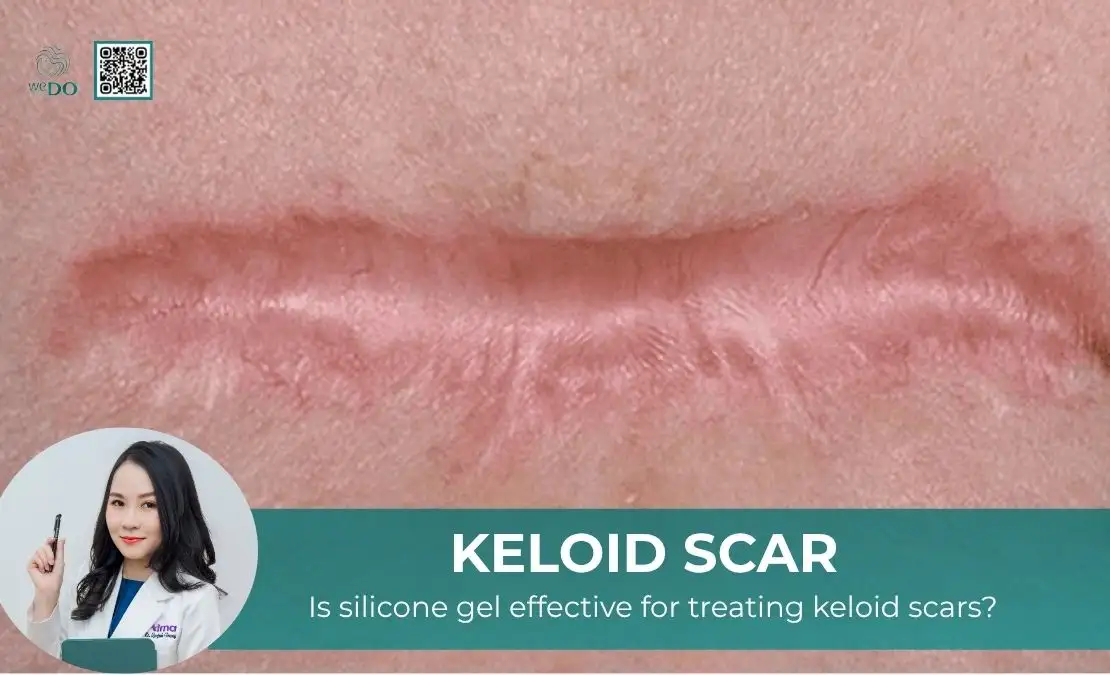
Is silicone gel effective for treating keloid scars?
Is silicone gel effective for treating keloid scars? For individuals with keloid scars, can topical treatments help flatten the scar? This is a common concern, as topical therapy is both cost-effective and non-invasive. If you are also curious, refer to the article below to find the answer. Is silicone gel effective for treating keloid scars?

What SPF level is sufficient for sunscreen?
What SPF level is sufficient for sunscreen? Does a higher SPF mean stronger and more effective sun protection? And is focusing solely on the SPF index enough to choose a suitable sunscreen for your skin? If you are also wondering about these questions, refer to the article below to find the answers. What is the
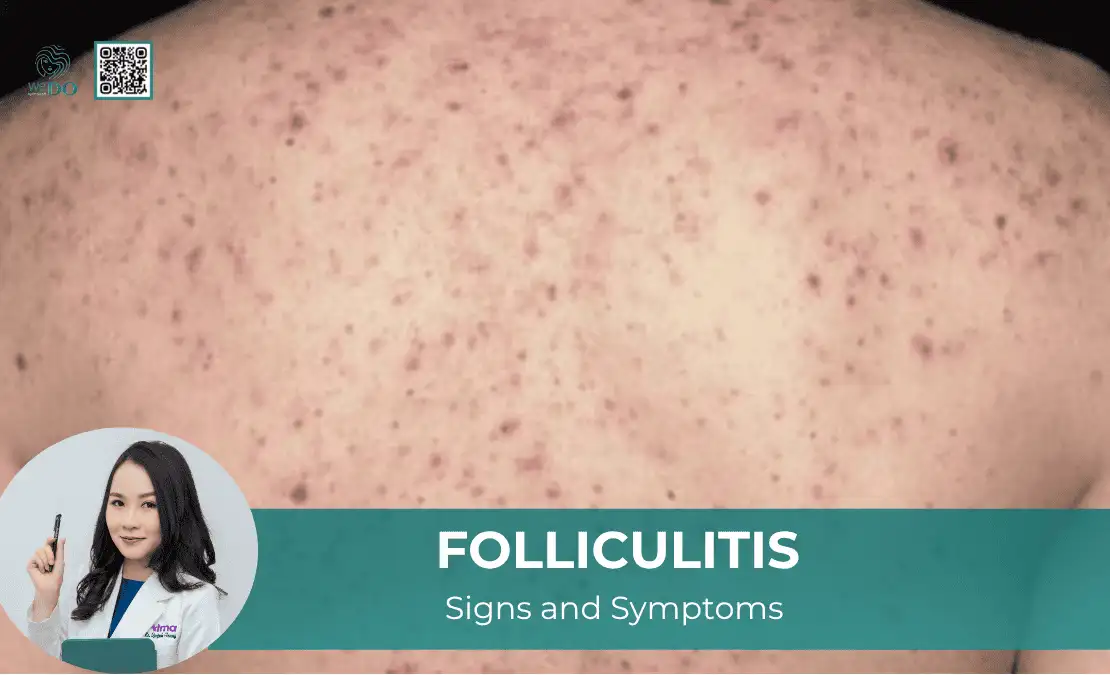
WHAT IS FOLLICULITIS AND HOW IS IT TREATED?
Folliculitis can affect anyone and may occur anywhere on the body except the palms and soles. Although it does not impact overall health, it often causes discomfort and reduces confidence due to cosmetic concerns. Without proper treatment, folliculitis tends to recur, making the skin appear less smooth. FOLLICULITIS – DEFINITION AND SIGNS AND SYMPTOMS Folliculitis
Tác giả: admin
Ngày đăng: 20/08/2025