


 VIE
VIE

How many laser tattoo removal sessions are needed to completely remove a tattoo? How long does the procedure last?
CONTENT
Laser Tattoo Removal is a method chosen by many people today. However, how many sessions are needed to completely remove a tattoo? How long does the treatment process take? Let’s explore the following article from WEDO Skin Clinic.
How Laser Tattoo Removal Machines Work
Laser tattoo removal machines operate by using powerful laser energy to eliminate tattoo ink. According to experts, skin cells struggle to naturally remove ink particles. Therefore, using a powerful laser with specific wavelengths is the most effective method to address this issue.
When the laser comes into contact with the skin, it heats the tattoo ink particles to thousands of degrees Celsius in a matter of seconds, causing them to break down into tiny fragments. Afterward, the body’s immune system can easily eliminate these ink particles. During this process, you may experience mild discomfort, but since the laser works quickly, surrounding skin tissues are minimally affected. This is a key advantage of using laser technology for tattoo removal.

How Many Laser Sessions Are Needed to Completely Remove a Tattoo? How Long Does the Treatment Take?
Typically, professional laser tattoo removal machines require 6 to 12 sessions to completely remove a tattoo from the skin. However, this is only an estimate. In reality, to determine the exact number of sessions needed, dermatologists consider the following factors:
- Type and color of tattoo ink: If your tattoo consists of dark inks like black or dark blue, fewer sessions may be needed compared to lighter colors like yellow, red, or orange. This is because lighter colors absorb laser light less effectively than darker ones and often have more durable compositions and higher ink density, making them harder to break down with laser energy.
- Depth of the tattoo: Tattoos that penetrate deeper into the dermis layer of the skin are harder to remove and require more treatment sessions.
- Size and location: Larger tattoos or those in areas with less blood circulation, such as the ankles or fingers, take longer to remove because these areas slow down the body’s ink elimination process.
- Skin type and immune system: The speed of ink elimination varies between individuals. If you have a strong immune system, the elimination process is faster, resulting in fewer sessions compared to others.

How Long Does a Laser Tattoo Removal Treatment Course Take?
To ensure skin safety, a rest period of about 6 weeks is required between each laser tattoo removal session. With 6 to 12 sessions needed, the entire treatment course may take 9 to 15 months to completely remove a tattoo.
Where to Get Safe and Effective Laser Tattoo Removal?
Laser tattoo removal is a specialized technique that must be performed by reputable, experienced dermatologists or specialists skilled in operating the equipment and adjusting energy levels suitable for each skin type. In addition to expertise, the laser technology used plays a critical role in the safety and effectiveness of the treatment. Older laser systems carry a higher risk of burns and skin damage because they lack the ability to adjust energy levels based on different ink pigments and skin characteristics.
Therefore, when deciding to remove a tattoo, choose a reputable facility with advanced technology to ensure safety and effectiveness. One recommended option is WEDO Skin Clinic.

About WEDO Skin Clinic and Its Laser Tattoo Removal Technology
WEDO Skin Clinic is a leading dermatology and aesthetic clinic in Ho Chi Minh City, licensed by the Ministry of Health in 2019. Using advanced Q-SWITCH ND YAG laser technology with dual wavelengths of 532nm and 1064nm, WEDO effectively targets tattooed skin areas, successfully removing various ink types—from traditional black ink to professional colors like red, yellow, and green—without scarring or affecting surrounding skin.
How Q-SWITCH ND YAG Laser Works: When the laser beams penetrate the skin, the energy is absorbed by the ink particles, creating a sudden thermal effect that breaks the ink into tiny fragments. The body’s immune system then naturally eliminates these fragments through the lymphatic system, ensuring effective and safe tattoo removal.

Laser Tattoo Removal Process at WEDO Skin Clinic
Below is the medically standardized laser tattoo removal process performed by highly qualified and experienced Level I Dermatology specialists:
Step 1 – Consultation and Personalized Treatment Plan: A dermatologist thoroughly examines the skin and tattoo, including its color, size, and depth. Based on this assessment, a customized treatment plan is developed for optimal results.
Step 2 – Skin Preparation: The tattooed area is thoroughly cleaned to remove dirt, excess oil, and dead skin cells, allowing the laser to effectively target the ink.
Step 3 – Numbing and Disinfection: To minimize discomfort, a numbing cream is applied to the treatment area. Once the cream takes effect, the area is cleaned and disinfected to ensure maximum safety before laser treatment.
Step 4 – Laser Tattoo Removal with Q-SWITCH ND YAG: The dermatologist uses the laser machine to break down the ink particles. Depending on the tattoo’s size and complexity, the process can take from a few minutes to over an hour. Throughout the procedure, the dermatologist monitors the skin’s response to adjust the laser energy, ensuring safety and minimizing discomfort.
Step 5 – Post-Treatment Care: After the session, a regenerative cream is applied to soothe, hydrate, and promote healing in the treated area. Patients receive detailed instructions on at-home skin care and follow-up appointments to achieve the best results.
Updated Laser Tattoo Removal Pricing at WEDO Skin Clinic
| Treatment Category | Price (VND) |
|---|---|
| Skin consultation, advanced skin analysis, and personalized treatment plan by Dermatologist | FREE |
| Eyeliner tattoo removal | 2,000,000 |
| Eyebrow tattoo removal | 1,500,000 |
| Tattoo removal < 10 cm² | 1,000,000 |
| Tattoo removal 10 – 20 cm² | 2,500,000 |
| Tattoo removal 20 – 30 cm² | 3,500,000 |
| Tattoo removal 30 – 50 cm² | 4,500,000 |
Frequently Asked Questions About Laser Tattoo Removal
1. Does laser tattoo removal leave scars?
Modern laser technologies like Q-SWITCH ND YAG selectively target ink particles without damaging surrounding tissues, making scarring rare. However, if the tattooed area already has scars, those scars may remain.
2. Is laser tattoo removal painful?
The treatment area is numbed beforehand, minimizing pain. The sensation during the procedure is often described as a mild pinprick or the snap of a rubber band against the skin.
3. Can all types of tattoo ink be removed?
Modern laser technology can remove most types of tattoo ink. However, lighter colors like white, yellow, or green may be harder to remove and require more sessions than darker colors.
4. What foods should be avoided after laser tattoo removal?
To promote optimal skin healing, avoid foods that may cause keloid scars or hyperpigmentation, such as water spinach, beef, seafood, and sticky rice, for a short period.
5. Is laser tattoo removal suitable for all skin types?
Laser technology is applicable to most skin types. However, results vary depending on skin tone. Lighter skin tones typically yield better results, while darker skin tones may require more sessions and careful post-treatment care to avoid pigment changes.
Overall, laser tattoo removal is a specialized technique that can completely remove tattoos in 6 to 12 sessions. To ensure safety and effectiveness, the procedure should be performed by skilled dermatologists using advanced laser technology to minimize scarring and avoid affecting surrounding skin.
Related articles:


About Morpheus8 – The Rejuvenation Device Highly Sought After by Celebrities
There is a rejuvenation device that has successfully won over some of the world’s top celebrities. It is Morpheus8 – an advanced RF microneedling technology, honored to rank among the top two most popular aesthetic technologies worldwide. If you are still unfamiliar with this device and technology, explore the article below so you do not

Skintag & Mole removal: What method is good?
Skin tags and moles are common skin concerns that many people choose to remove for cosmetic reasons or personal comfort. Skin tags usually appear as small raised bumps that make the skin surface look uneven, while moles often develop when pigment cells cluster in one area instead of being distributed evenly across the skin. Sun
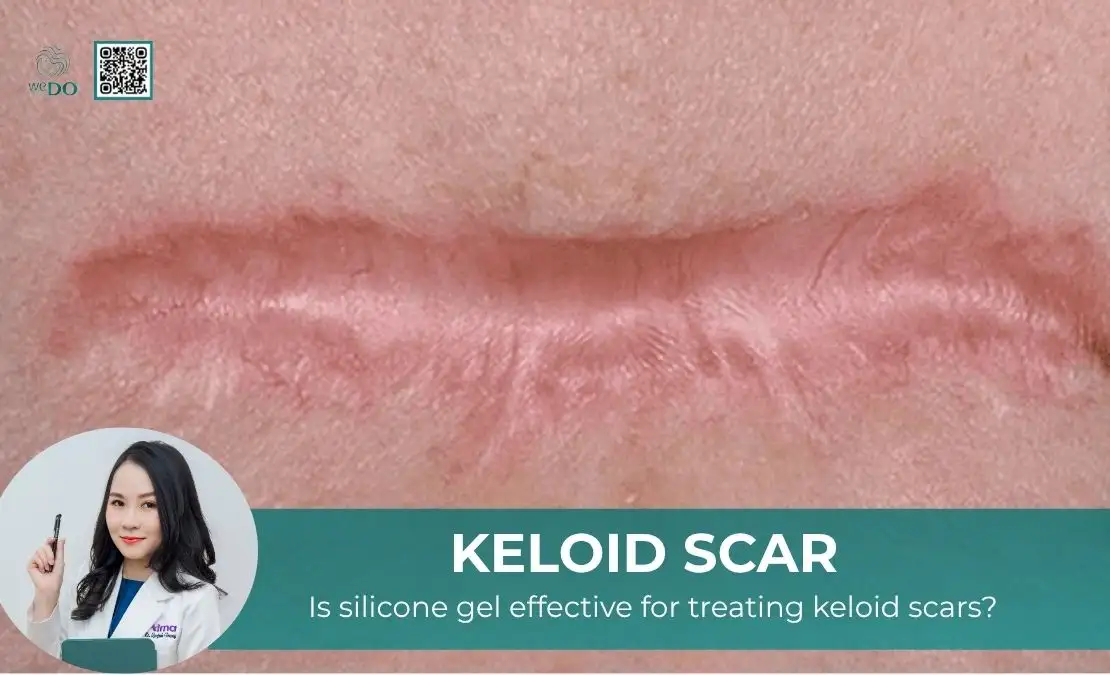
Is silicone gel effective for treating keloid scars?
Is silicone gel effective for treating keloid scars? For individuals with keloid scars, can topical treatments help flatten the scar? This is a common concern, as topical therapy is both cost-effective and non-invasive. If you are also curious, refer to the article below to find the answer. Is silicone gel effective for treating keloid scars?

What SPF level is sufficient for sunscreen?
What SPF level is sufficient for sunscreen? Does a higher SPF mean stronger and more effective sun protection? And is focusing solely on the SPF index enough to choose a suitable sunscreen for your skin? If you are also wondering about these questions, refer to the article below to find the answers. What is the
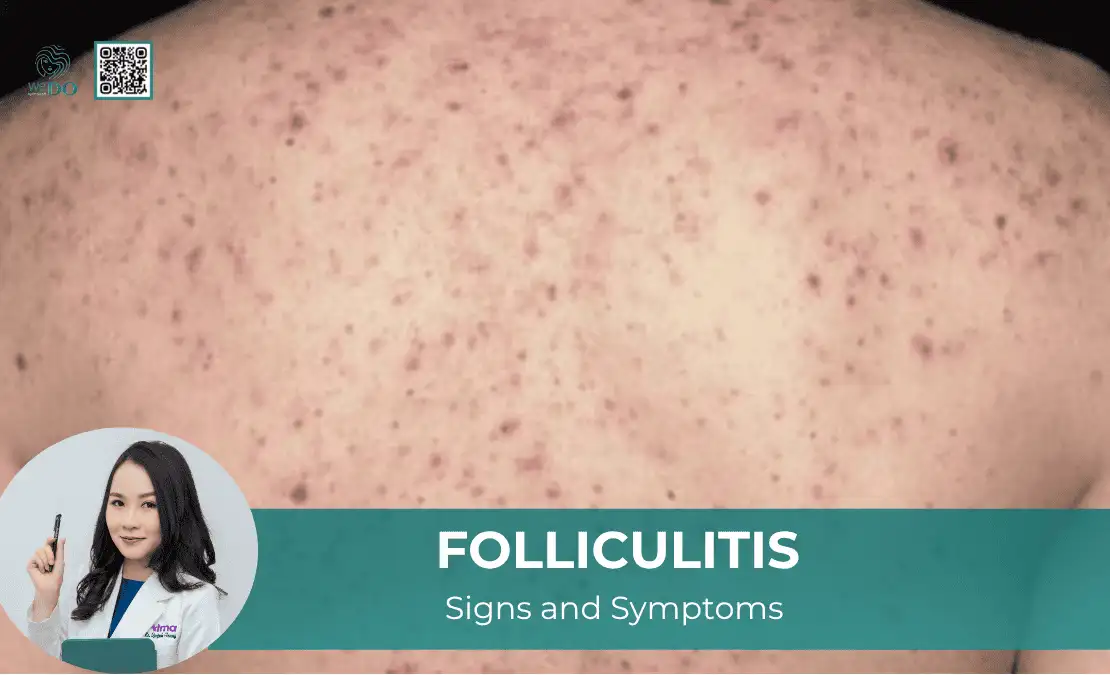
WHAT IS FOLLICULITIS AND HOW IS IT TREATED?
Folliculitis can affect anyone and may occur anywhere on the body except the palms and soles. Although it does not impact overall health, it often causes discomfort and reduces confidence due to cosmetic concerns. Without proper treatment, folliculitis tends to recur, making the skin appear less smooth. FOLLICULITIS – DEFINITION AND SIGNS AND SYMPTOMS Folliculitis
Tác giả: wedo
Ngày đăng: 04/10/2025