


 VIE
VIE

How long does it take for Ultherapy to work? How long do the results last?
CONTENT
Non-invasive Ultherapy skin tightening technology is increasingly popular due to its ability to significantly improve skin without surgery. However, many clients often ask, How long does Ultherapy take to show results, and how long do those results last? Join WEDO Skin Clinic to explore the details in the following article for a clearer understanding before making a decision, ensuring safe and effective beauty treatments.
How Long Does Ultherapy Take to Show Results?
Immediately after undergoing Ultherapy, clients may notice their skin becoming firmer and smoother right away. This is the initial effect caused by the thermal impact of high-intensity focused ultrasound (HIFU), which instantly contracts collagen and elastin fibers in the skin.
However, this is just the starting point. Clear and lasting results require time for the body to naturally produce collagen.
Specifically, after undergoing Ultherapy, the skin goes through several recovery and regeneration phases as follows:
- First week: After treatment, the skin may experience slight swelling and a tight sensation in the treated area. This is a completely normal reaction, so there’s no need to worry—it’s simply the collagen regeneration process beginning beneath the skin’s surface!
- Weeks 2–4: During this phase, new collagen cells start forming actively. You’ll gradually notice the skin becoming firmer, fine wrinkles starting to fade, and the overall face showing gentle improvements in youthfulness.
- Months 2–3: This is typically considered the phase where Ultherapy’s effects are most noticeable. A significant amount of new collagen is produced, comprehensively improving the skin’s structure. The face becomes more contoured and youthful, with sharper features and smoother, brighter skin.
The maximum effect of Ultherapy is usually achieved 2–3 months after treatment. At this point, the fully regenerated collagen helps lift the skin, fill sagging areas, and provide a naturally youthful appearance. Depending on individual skin conditions and the treated area, this timeline may range from 8–12 weeks.
You can refer to the article What is Ultherapy to learn more about this non-invasive skin lifting and rejuvenation technology!

Factors Affecting the Time to See Results
The time it takes for Ultherapy to take effect can depend on various personal factors, including:
Age and Skin Condition
Younger individuals with less sagging skin typically respond better and see results faster than older individuals with deeply aged skin. Ultherapy delivers particularly clear and lasting results for those aged 30–45.
Body Constitution and Collagen Regeneration Ability
Each person’s collagen production rate varies, affecting the time it takes to see results. Those with a healthy constitution and good lifestyle habits often experience faster regeneration and longer-lasting results.
Doctor’s Expertise and Technology
Using authentic Ultherapy machines, performed by highly skilled doctors with proper techniques and depth, is a key factor in determining the speed and quality of treatment results.
Post-Treatment Care
Clients who properly care for their skin after Ultherapy, eat a nutrient-rich diet, and avoid sun exposure will support better collagen maintenance, thus shortening the time to achieve maximum results.

How Long Do Ultherapy Results Last?
The duration of results after undergoing Ultherapy is as follows:
Average Duration
Ultherapy is a non-invasive skin lifting and rejuvenation method with relatively long-lasting results. On average, the results from a single treatment can last 12–18 months, and even up to 24 months with proper skincare and a suitable constitution.
Compared to other aesthetic methods, Ultherapy stimulates the body to produce new collagen, so the results are not temporary but stem from a deep skin restructuring process.
After about 1–1.5 years, when signs of aging begin to return, you can repeat the treatment to maintain firm, youthful skin without requiring surgical intervention.
Factors Affecting Duration
The duration of Ultherapy’s effects varies for each individual, influenced by the following factors:
- Age and Degree of Skin Aging: In older individuals with significant sagging, aging progresses faster, shortening the duration of results.
- Body Constitution and Collagen Regeneration Ability: A healthier body with better collagen production leads to more sustainable results.
- Lifestyle and Skincare Routine: A healthy lifestyle, nutrient-rich diet, and thorough sun protection help extend the results of Ultherapy.
- Quality of Equipment and Doctor’s Expertise: Using authentic Ultherapy machines and being treated by experienced doctors is crucial for achieving long-lasting results.
Additionally, you can refer to the article Does Ultherapy Rejuvenation Hurt to learn more about the sensation during this procedure.
Comparison with Other Methods
| Aesthetic Method | Average Duration | Characteristics |
| Ultherapy | 12–18 months (up to 24 months) | Deep collagen regeneration, non-invasive |
| Filler Injections | 6–12 months | Quick filling but short-lived, requires frequent reinjections |
| Botox | 3–6 months | Reduces wrinkles and muscle contractions temporarily, with no impact on skin structure |
| Thread Lift | 12–18 months | Mildly invasive, potential risk of infection if not properly cared for |
| Facelift Surgery | 5–10 years | Highly invasive, long recovery, high cost |
Thus, compared to Botox and fillers, Ultherapy offers longer-lasting results, lower risks, and no downtime like surgery. It’s an ideal choice for those seeking natural, safe, and time-efficient beauty solutions.
You can also compare Ultherapy with HIFU and Thermage to see skin rejuvenation technologies and their differences and effectiveness to choose the most suitable option.

How to Maintain Ultherapy Results?
To optimize and prolong the effects of Ultherapy, follow these scientific skincare and lifestyle principles:
Proper Skincare Routine
After undergoing Ultherapy, the skin requires gentle and scientific care to support the collagen restructuring process:
- Cleanse gently, avoiding products with alcohol or harsh exfoliants.
- Deeply hydrate with products containing ingredients like hyaluronic acid or ceramides to maintain the skin’s protective barrier.
- Protect skin from UV rays with broad-spectrum sunscreen (SPF 30 or higher), even indoors, to prevent collagen breakdown.
Nutrition to Support Internal Regeneration
Collagen is the key factor in Ultherapy’s mechanism. Ensure you provide essential nutrients to enhance recovery and maintain healthy skin:
- Increase intake of foods rich in vitamin C, zinc, and amino acids (proline, glycine)—nutrients directly involved in collagen synthesis.
- Drink enough water daily to maintain skin hydration and elasticity.
Maintain a Healthy Lifestyle
Daily habits directly impact the skin’s aging rate, so strive for positive changes by:
- Getting enough sleep and avoiding prolonged stress, as stress hormones can reduce skin regeneration.
- Avoid smoking and limit alcohol to prevent collagen degradation.
Regular Follow-ups and Treatments
While Ultherapy results can last 12–18 months, to ensure stable and long-lasting outcomes:
- Schedule follow-up visits every 6 months to monitor skin condition.
- Repeat Ultherapy treatments at appropriate intervals (typically after 1–1.5 years) to stimulate new collagen production, maintaining clear rejuvenation results without invasive intervention.

Ultherapy is an advanced non-surgical skin rejuvenation method that delivers clear, long-lasting results by stimulating natural collagen production. However, to fully answer the question How long does Ultherapy take to show results, factors such as individual constitution, lifestyle, and post-treatment skincare must be considered. Results may appear early, continue to improve over a few months, and last from 12 to 24 months with proper skincare and periodic retreatments. This is the ideal solution for those seeking firm, youthful skin without invasive procedures.
————————————————
WeDo District 1 – Tran Doan Khanh Street
- 𝗛𝗼𝘁𝗹𝗶𝗻𝗲/𝐙𝐚𝐥𝐨: 0898898875
- 𝐖𝐡𝐚𝐭𝐬𝐚𝐩𝐩: +84898898875
- Address: 11 Tran Doan Khanh Street, Da Kao Ward, District 1, HCMC
WeDo District 2 – Thai Thuan Street
- 𝗛𝗼𝘁𝗹𝗶𝗻𝗲/𝐙𝐚𝐥𝐨: 0707196622
- 𝐖𝐡𝐚𝐭𝐬𝐚𝐩𝐩: +84707196622
- Address: 17 Thai Thuan Street, An Phu Ward, Thu Duc City, HCMC
————————————————
- YouTube: https://www.youtube.com/@Wedoskinclinic
- Tiktok: https://www.tiktok.com/@wedo.skin.clinic
- Insta: https://www.instagram.com/drmeddiskin/
- Pinterest: https://www.pinterest.com/wedoskin/
- X: https://x.com/wedoskinclinic
- LinkedIn: https://vn.linkedin.com/company/meddi-skin
————————————————
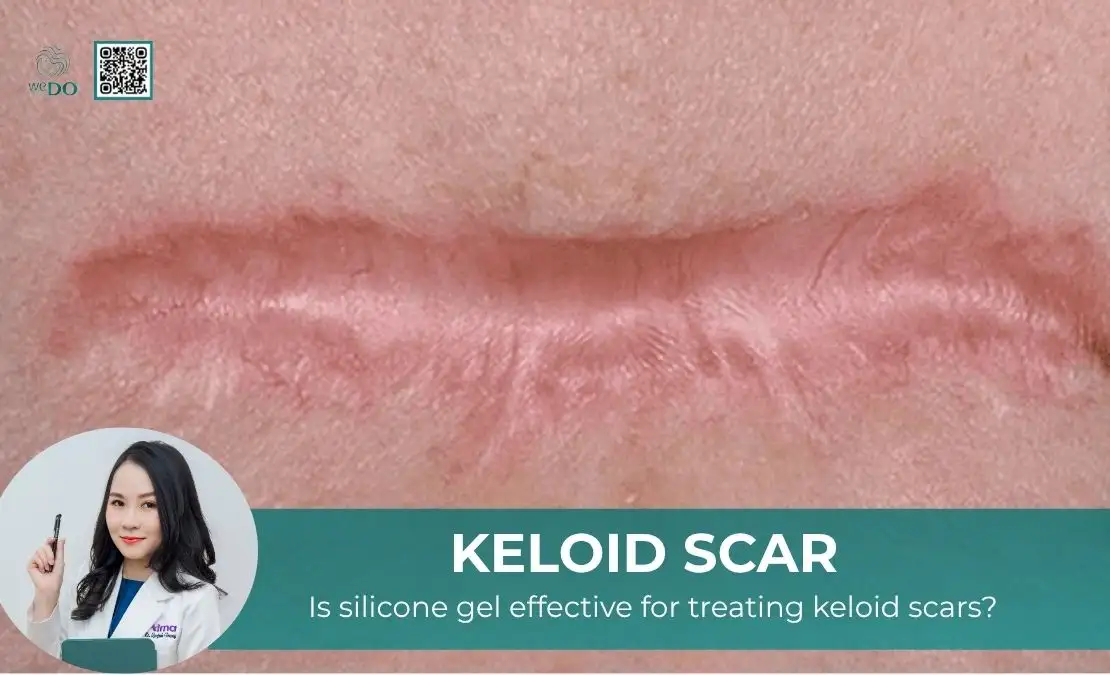
Is silicone gel effective for treating keloid scars?
Is silicone gel effective for treating keloid scars? For individuals with keloid scars, can topical treatments help flatten the scar? This is a common concern, as topical therapy is both cost-effective and non-invasive. If you are also curious, refer to the article below to find the answer. Is silicone gel effective for treating keloid scars?

What SPF level is sufficient for sunscreen?
What SPF level is sufficient for sunscreen? Does a higher SPF mean stronger and more effective sun protection? And is focusing solely on the SPF index enough to choose a suitable sunscreen for your skin? If you are also wondering about these questions, refer to the article below to find the answers. What is the
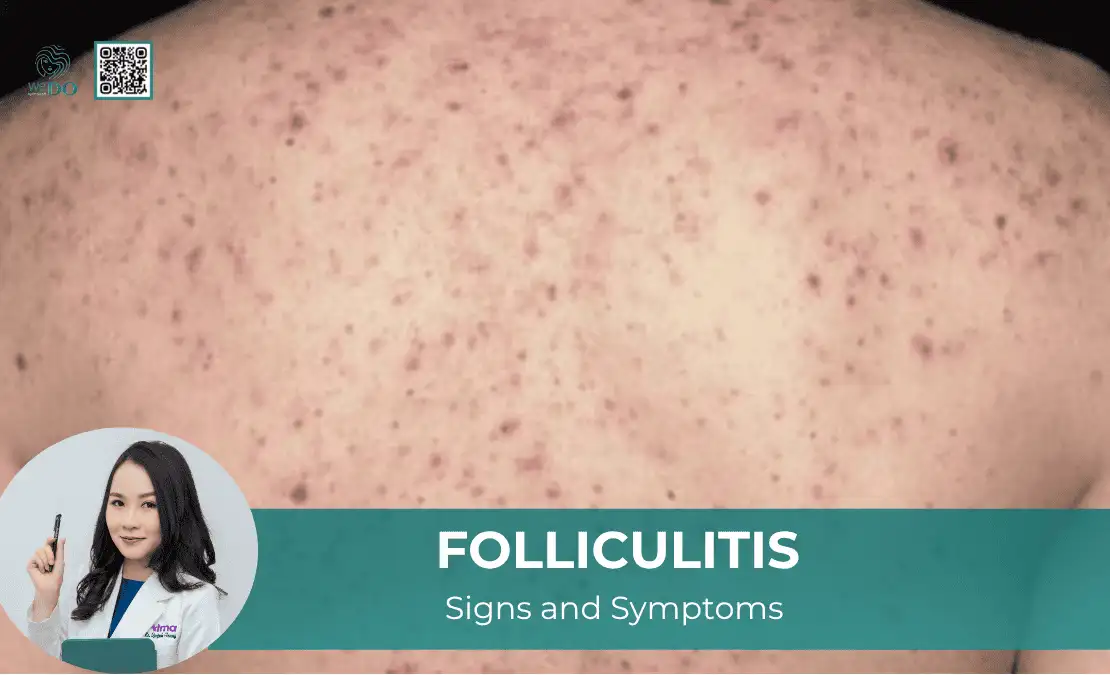
WHAT IS FOLLICULITIS AND HOW IS IT TREATED?
Folliculitis can affect anyone and may occur anywhere on the body except the palms and soles. Although it does not impact overall health, it often causes discomfort and reduces confidence due to cosmetic concerns. Without proper treatment, folliculitis tends to recur, making the skin appear less smooth. FOLLICULITIS – DEFINITION AND SIGNS AND SYMPTOMS Folliculitis
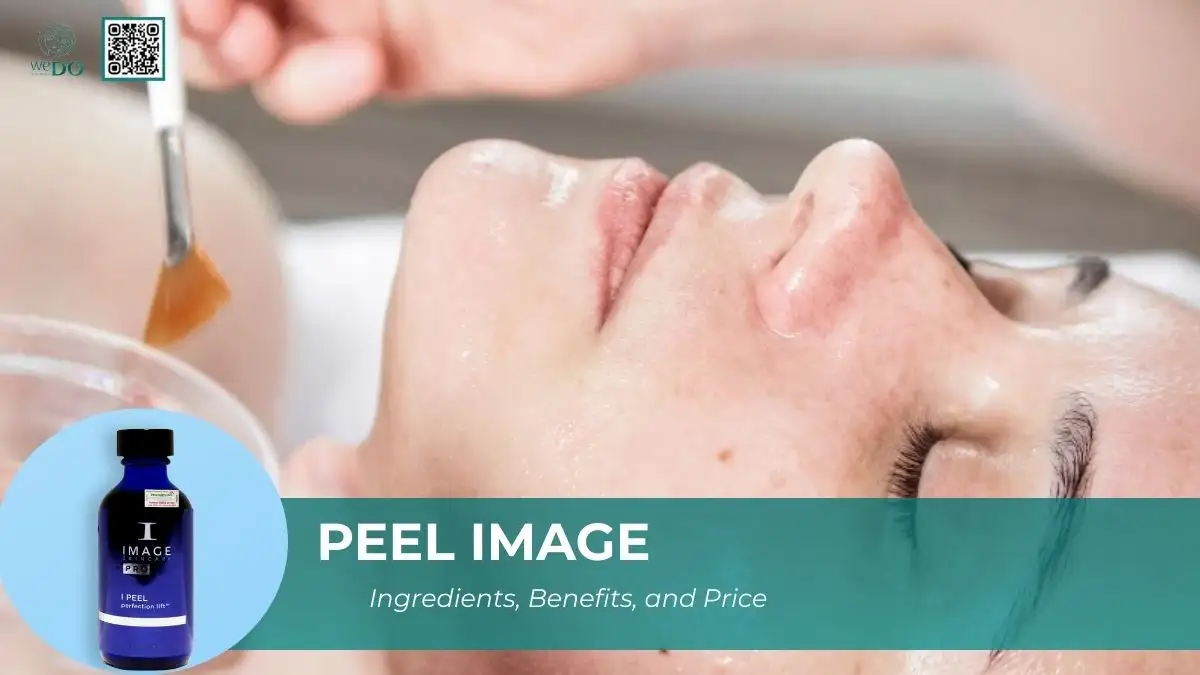
Image I Peel: Ingredients, Benefits, and Price
Peel Image (I Peel) is a familiar name among skincare enthusiasts, especially those who love chemical peels. But is this popular line really worth the hype — and what’s its price range? Let’s take a closer look. Key Ingredients of Peel Image Peel Image follows a multi-target, multi-mechanism principle — meaning it combines a variety
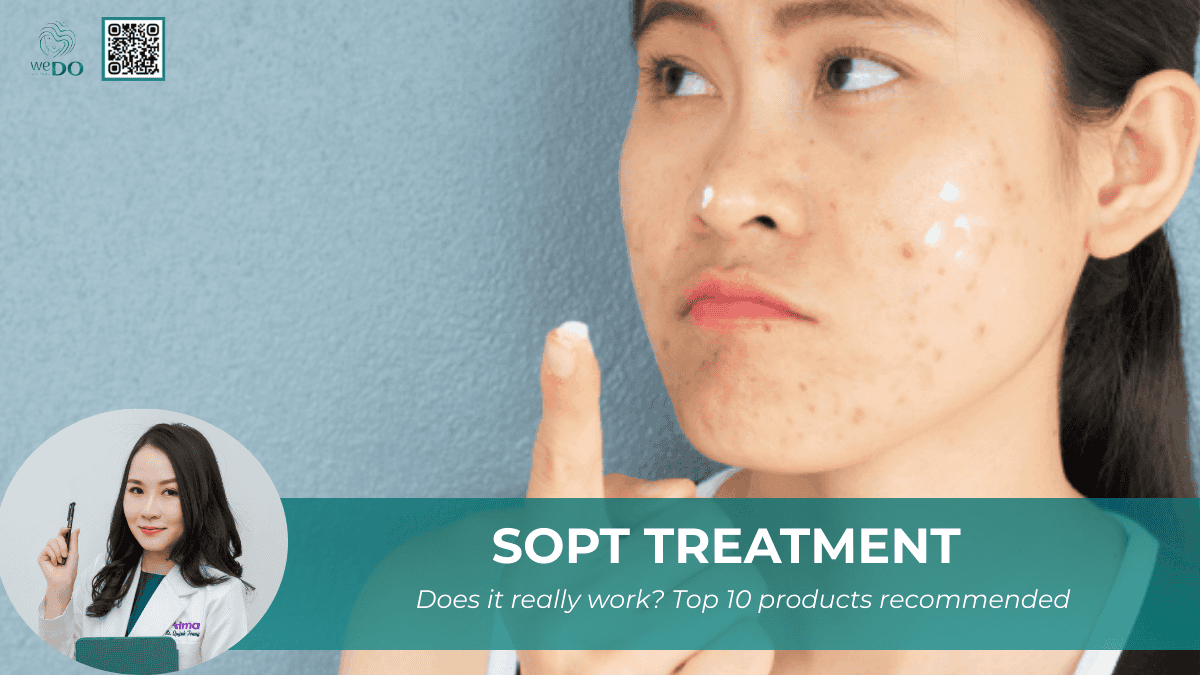
Does Acne Spot Treatment Really Work? Top 10 Products Recommended
Spot treatment is a familiar method for those dealing with acne-prone skin. It is simple, painless, affordable, and can be performed at home. The effectiveness depends largely on the active ingredients and the severity of acne. Benefits of Acne Spot Treatments Depending on their composition, different products serve distinct purposes, but generally, they work to:
Tác giả: wedo
Ngày đăng: 18/05/2025