


 VIE
VIE

Is hives all over the body dangerous? How to stop itching?
CONTENT
Itchy hives all over the body is a common dermatological issue characterized by red or pink raised welts on the skin, causing intense itching. This condition can spread across the body, affecting not only appearance but also quality of life. Statistics show that 15-20% of the population has experienced hives, and while most cases are benign, improper management can lead to serious complications such as angioedema or anaphylaxis.
Causes of Itchy Hives All Over the Body
To treat hives effectively, identifying the exact cause is crucial. In clinical practice, causes are typically categorized into four main groups:
Common allergic triggers
Allergies are the most frequent cause of hives, especially in individuals with sensitive skin. Allergic reactions often appear suddenly and spread quickly after exposure to allergens. Common allergic triggers include:
- Foods: Seafood (shrimp, crab, fish), peanuts, cow’s milk, eggs, tree nuts.
- Medications: Antibiotics (penicillin, cephalosporins), non-steroidal anti-inflammatory drugs (NSAIDs), blood pressure medications.
- Chemicals and preservatives: Found in cosmetics, cleaning products, and fragrances.
- Environmental allergens: Pollen, pet dander, house dust mites.
Physical factors
Many people develop hives due to the skin’s reaction to external physical factors, particularly with repeated or prolonged exposure. Common physical factors include:
- Temperature: Extreme weather changes, whether too hot or too cold, or sudden adaptation to environmental temperature shifts, can trigger hives and widespread itching.
- UV rays: Excessive sun exposure, especially during high UV intensity or prolonged periods, can damage the skin and trigger hives and itching across the body.
- Pressure and friction: Tight clothing, constrictive belts, or heavy bags causing continuous pressure and friction can lead to mechanical irritation, resulting in hives and itching, initially at the affected area and potentially spreading.
- Water: Though rare, some individuals may develop hives and severe itching after contact with water, regardless of its temperature or source (including sweat).
Underlying medical conditions
Hives all over the body may also be a symptom of underlying systemic diseases or immune disorders, such as:
- Infections: Viruses (EBV, Hepatitis B/C), bacteria (Helicobacter pylori), parasites.
- Thyroid disorders: Hypothyroidism or hyperthyroidism, particularly autoimmune conditions like Hashimoto’s thyroiditis.
- Immune disorders: Systemic lupus erythematosus (SLE), allergic vasculitis.
- Liver or kidney conditions: Reduced liver or kidney function can impair toxin elimination, leading to hives.
Other factors
In addition to the above, certain non-specific factors can also trigger hives or worsen the condition, particularly in those with sensitive skin, including:
- Prolonged psychological stress can trigger histamine release from endogenous mast cells.
- Alcohol, caffeine, and stimulants: Increase vasodilation and itching responses.
- Hormonal changes occur during pregnancy, perimenopause, or menstrual cycles.
- Idiopathic causes: 30-40% of hive cases, especially chronic ones, have no identifiable cause.

Are Itchy Hives All Over the Body Dangerous? Insights from Dermatologists
Most cases of itchy hives are benign and may resolve within hours to days. However, in some instances, widespread hives can signal serious complications, particularly if accompanied by angioedema or anaphylaxis. Critical warning signs to watch for include:
- Difficulty breathing, wheezing, chest tightness
- Swelling of the eyelids, lips, tongue, or throat
- Dizziness, low blood pressure, and confusion
If these symptoms occur, seek immediate medical attention at the nearest healthcare facility. Additionally, if hives persist beyond 6 weeks, recur frequently, or do not respond to standard treatments, consult a dermatologist to investigate underlying causes.

How to Relieve Itching from Hives All Over the Body?
Treating itchy hives depends on the cause, severity, and individual response. In acute cases, the goal is to alleviate symptoms, control itching, and prevent complications:
Using traditional remedies
For mild cases without dangerous signs, simple traditional remedies can help soothe the skin and temporarily reduce itching:
- Cool or herbal baths (sour starfruit leaves, green tea, oregano): Can reduce stinging and itching sensations.
- Cold compresses: Constrict blood vessels, reducing local histamine release.
- Keep skin clean and dry: Avoid scratching or vigorous rubbing to prevent abrasions or secondary infections.
- Stay hydrated: Supports the body’s natural detoxification process.
Note: Traditional remedies should only be used as supportive measures, not as substitutes for medical treatment. Avoid using herbs if the skin is abraded, infected, or if you’re prone to plant allergies.
Using Western medications
For moderate to severe cases, medications are the primary choice to control allergic reactions and quickly relieve symptoms. Commonly prescribed medications include:
- Second-generation antihistamines: Less sedating, with long-lasting effects.
- First-generation antihistamines: May cause drowsiness, often used at night for severe itching.
- Short-term oral corticosteroids: Used in severe cases with specific indications and under medical supervision.
- Leukotriene inhibitors: Support treatment in chronic hives or cases unresponsive to antihistamines alone.
- Adrenaline injections (for anaphylaxis): Used only in emergencies at medical facilities.
Note: Do not self-medicate without professional guidance, especially with corticosteroids or injectables, as improper use can cause serious side effects.
Lifestyle and dietary changes
Adjusting lifestyle and nutrition plays a vital role in controlling and preventing hive flare-ups, particularly for those with allergies or chronic hives. Expert recommendations include:
- Avoid known hive triggers (unfamiliar foods, chemicals, unsuitable cosmetics).
- Limit alcohol, stimulants, and allergenic foods like seafood, peanuts, and raw eggs.
- Maintain a balanced diet, emphasizing green vegetables and omega-3-rich foods to support natural anti-inflammatory responses.
- Manage stress, as it can trigger allergic reactions in many cases.
At-home skincare
Skin affected by itchy hives is often sensitive and prone to damage. Proper skincare can reduce irritation, prevent recurrence, and improve quality of life:
- Use gentle, fragrance-free, non-irritating body washes.
- Avoid hot showers; keep baths under 10 minutes.
- Moisturize daily with alcohol-free, fragrance-free products.
- Avoid vigorous rubbing or scratching, even if uncomfortable—opt for gentle patting or cool compresses.
- Wear loose, soft clothing, preferably cotton.
Visit a dermatology clinic
If itchy hives persist beyond 6 weeks, fail to respond to standard treatments, or are accompanied by serious symptoms like facial swelling, difficulty breathing, or low blood pressure, patients should visit a reputable dermatology clinic for timely evaluation and intervention.
WEDO Skin Clinic offers specialized dermatological treatment services, combining medical-grade protocols with experienced dermatologists. Each patient undergoes thorough examinations, necessary tests, and receives a personalized treatment plan to effectively and safely manage hives, minimizing the risk of recurrence.

Itchy hives all over the body are common but should not be taken lightly. Understanding the causes, applying proper treatment, and adopting lifestyle changes can effectively manage symptoms, prevent complications, and enhance quality of life. If hives are severe, persistent, or significantly disrupt daily life, consult a specialized medical facility for prompt diagnosis and treatment.
WeDo District 1 – Tran Doan Khanh Street
- Hotline/Zalo/Whatsapp: 0898898875
- Address: 11 Tran Doan Khanh Street, Da Kao Ward, District 1, HCMC
WeDo District 2 – Thai Thuan Street
- Hotline/Zalo/Whatsapp: 0707196622
- Address: 17 Thai Thuan Street, An Phu Ward, Thu Duc City, HCMC
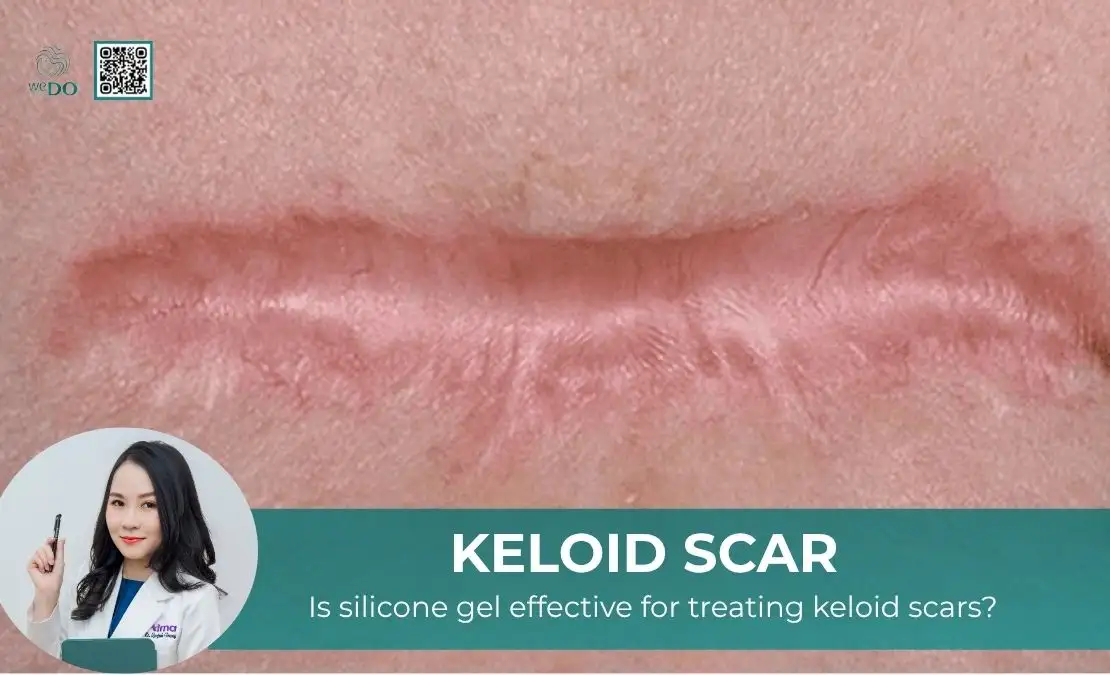
Is silicone gel effective for treating keloid scars?
Is silicone gel effective for treating keloid scars? For individuals with keloid scars, can topical treatments help flatten the scar? This is a common concern, as topical therapy is both cost-effective and non-invasive. If you are also curious, refer to the article below to find the answer. Is silicone gel effective for treating keloid scars?

What SPF level is sufficient for sunscreen?
What SPF level is sufficient for sunscreen? Does a higher SPF mean stronger and more effective sun protection? And is focusing solely on the SPF index enough to choose a suitable sunscreen for your skin? If you are also wondering about these questions, refer to the article below to find the answers. What is the
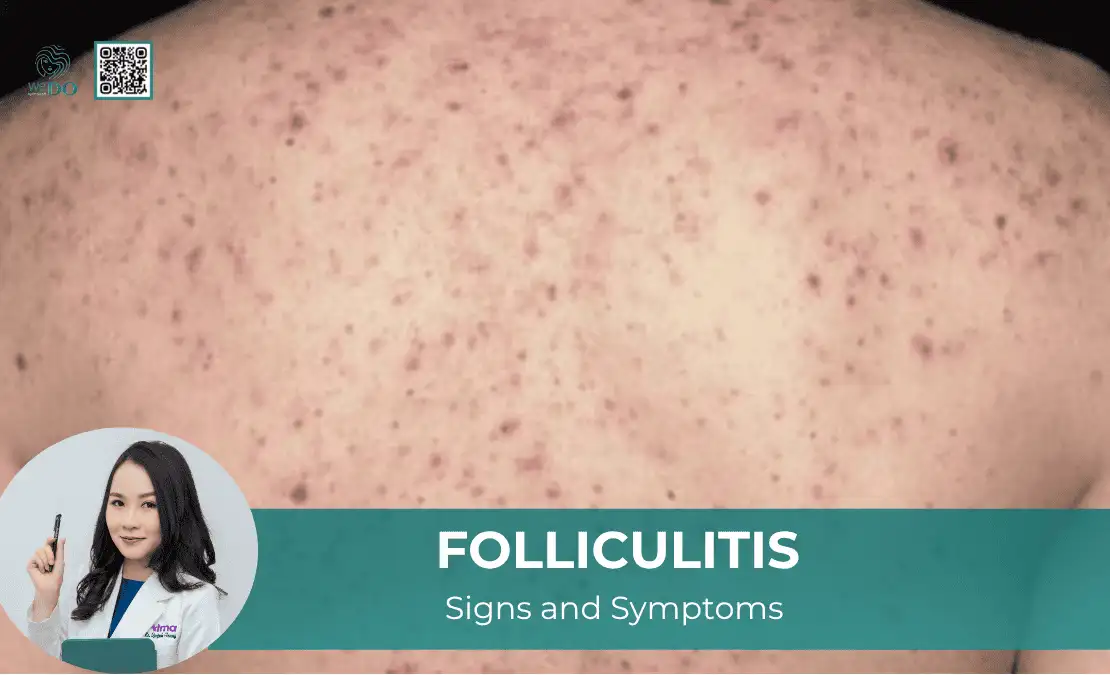
WHAT IS FOLLICULITIS AND HOW IS IT TREATED?
Folliculitis can affect anyone and may occur anywhere on the body except the palms and soles. Although it does not impact overall health, it often causes discomfort and reduces confidence due to cosmetic concerns. Without proper treatment, folliculitis tends to recur, making the skin appear less smooth. FOLLICULITIS – DEFINITION AND SIGNS AND SYMPTOMS Folliculitis
Image I Peel: Ingredients, Benefits, and Price
Peel Image (I Peel) is a familiar name among skincare enthusiasts, especially those who love chemical peels. But is this popular line really worth the hype — and what’s its price range? Let’s take a closer look. Key Ingredients of Peel Image Peel Image follows a multi-target, multi-mechanism principle — meaning it combines a variety
Does Acne Spot Treatment Really Work? Top 10 Products Recommended
Spot treatment is a familiar method for those dealing with acne-prone skin. It is simple, painless, affordable, and can be performed at home. The effectiveness depends largely on the active ingredients and the severity of acne. Benefits of Acne Spot Treatments Depending on their composition, different products serve distinct purposes, but generally, they work to:
Tác giả: wedo
Ngày đăng: 27/05/2025