


 VIE
VIE

Should I exfoliate first or wash my face first? What is the correct skincare order?
CONTENT
When first starting a skincare routine, many women often wonder whether to exfoliate before or after cleansing. In this article, WEDO Skin Clinic will answer this question and guide you through the correct skincare sequence to deeply cleanse pores and better protect your skin’s health.
The benefits of exfoliating and cleansing
Before knowing whether to exfoliate before or after cleansing, let’s start with the benefits of these two steps in your skincare routine:
Benefits of exfoliating
Exfoliation plays a crucial role in completing your skincare routine. This step not only helps “clear away” dry, rough, and aged skin patches but also removes harmful agents such as deep-seated dirt in pores and trapped sebum. Additionally, this process promotes skin regeneration, creating an ideal condition for new, healthy skin cells to develop.
When the skin’s surface is clean, smooth, and clear, its ability to absorb nutrients from skincare products like serums, moisturizers, etc., is maximized. Moreover, exfoliation helps make the skin brighter, smoother, and more even-toned, reducing signs of premature aging and giving you a long-lasting, radiant, youthful appearance.

Benefits of cleansing
Cleansing is an essential step to remove impurities that build up on the skin’s surface. This process washes away dirt, excess oil produced during the day, and makeup residue left after removing makeup. As a result, the skin is deeply cleansed and becomes clearer, helping prevent and limit the formation of acne while maintaining the skin’s natural freshness and vitality.

Should you exfoliate before or after cleansing?
Are you wondering whether to exfoliate before or after cleansing to achieve the best results for your skin? The correct answer is: cleanse your face thoroughly first, then proceed with exfoliation.
Every day, your face is exposed to countless impurities, environmental pollutants, and excess oil. Cleansing is the foundational and extremely important first step to remove these surface impurities. Once your skin has been initially cleaned, exfoliating products can work at their best, easily reaching and effectively removing old skin cells and deep-seated debris in the pores.
On the other hand, if you exfoliate when your skin is still dirty, the cleaning effect will be significantly reduced and may even push dirt deeper into your skin.
Another reason to cleanse first is that after exfoliation, your skin becomes clear and ready to absorb nutrients. If you cleanse immediately afterward with a facial cleanser, your skin may lose its natural moisture, causing dryness and discomfort. Therefore, cleansing before exfoliation will ensure your skin is deeply cleansed, clear, and ready for the next skincare steps.
>>> If you’re unsure whether exfoliation brightens your skin, refer to the article “Does exfoliation whiten the skin?“

How to use facial cleanser and exfoliator effectively
Now that you know the correct skincare order is to cleanse first and exfoliate second, how do you perform each step most effectively? Let’s explore how to use facial cleanser and exfoliator below:
How to use a facial cleanser correctly
- Step 1 – Thorough makeup removal: This is an important first step to completely remove makeup, sunscreen, and dirt from the skin.
- Step 2 – Wet your face with warm water: Warm water softens the skin and gently opens pores, making cleansing easier.
- Step 3 – Create foam: Dispense an appropriate amount of cleanser into your palms and gently rub to create a fine foam. Foam helps distribute the product evenly and enhances cleansing efficiency.
- Step 4 – Gentle massage: Apply the foam evenly over your face, using your fingertips to gently massage in circular motions from your cheeks, nose, and forehead for about 20–30 seconds.
- Step 5 – Rinse and dry: Rinse thoroughly with warm water until no slippery residue remains, then pat dry with a clean, soft towel.

How to exfoliate properly
After your skin has been thoroughly cleansed, follow these steps to exfoliate:
- Step 1 – Prepare your skin: Ensure your skin is clean and slightly damp.
- Step 2 – Apply product: Dispense an appropriate amount of exfoliant into your palm or onto a cotton pad.
- Step 3 – Gentle massage: Apply the product evenly over your face and gently massage in circular motions, focusing on rough areas or where dead skin buildup is common such as the forehead, nose, and chin. Avoid scrubbing too hard and limit the process to 1–2 minutes to prevent skin damage.
- Step 4 – Rinse and moisturize: Rinse your face thoroughly with warm water to remove all product residue. Then pat dry and apply moisturizer and serum. This is an essential step to keep skin hydrated and prevent dryness or irritation after exfoliation.

In your skincare journey, some issues or deep needs cannot be fully addressed with at-home exfoliation. Therefore, to ensure proper and safe removal of dirt, excess oil, and dead skin cells, consider advanced treatments such as the Chemical Peel service at WEDO Skin Clinic.
The Chemical Peel treatment at WEDO Skin Clinic uses INNOA Esthetics active ingredients to deeply cleanse and rejuvenate the skin far more effectively than at-home exfoliation products. It also helps reduce acne, fade dark spots, and rejuvenate the skin, giving your complexion a complete transformation.
Notes when exfoliating and cleansing with specialized products
- Choose products suitable for your skin type to avoid irritation or damaging the skin’s natural protective barrier.
- Avoid scrubbing too hard—cleanse and exfoliate gently to prevent skin damage, redness, or breaking skin structure.
- Use warm water when cleansing to open pores and support deeper cleansing. Then use cool water to tighten pores.
- Cleanse only twice a day, for 1 minute each time, to avoid stripping the skin of natural moisture.
- Exfoliate only 1–2 times/week for normal skin and 2–3 times/week for oily skin. Over-exfoliation can thin and weaken the skin, making it more sensitive.
>>> To know the exact exfoliation frequency per week, refer to the article “How many times a week should you exfoliate?“
Frequently asked questions about exfoliation
1. When should you exfoliate?
You should exfoliate in the evening after thoroughly cleansing your face, so the skin has time to regenerate and recover overnight.
2. What should you do before exfoliating?
Before exfoliating, remove makeup (if wearing any) and deeply cleanse your face with a facial cleanser to remove dirt and excess oil.
3. What is BHA exfoliation?
BHA exfoliation is a chemical exfoliation method using salicylic acid, which is oil-soluble and helps deeply cleanse pores, reduce acne, and control oil effectively.
4. Why does exfoliation cause itching?
Itching after exfoliation can be due to sensitive skin, overly strong products, exfoliating too frequently, or the skin reacting to active ingredients.
5. How long after popping pimples can you exfoliate?
After popping pimples, wait at least 3–5 days or until the wound has completely healed and there are no signs of redness before exfoliating to avoid irritation and infection.
We hope this article has helped you understand whether to exfoliate before or after cleansing. Following the correct home skincare sequence will make your skin clearer and help prevent acne. Additionally, you can combine it with a professional Chemical Peel treatment for optimal results, maintaining healthy, radiant skin.
WeDo District 1 – Tran Doan Khanh Street
- Hotline/Zalo/Whatsapp: 0898898875
- Address: 11 Tran Doan Khanh Street, Da Kao Ward, District 1, HCMC
WeDo District 2 – Thai Thuan Street
- Hotline/Zalo/Whatsapp: 0707196622
- Address: 17 Thai Thuan Street, An Phu Ward, Thu Duc City, HCMC
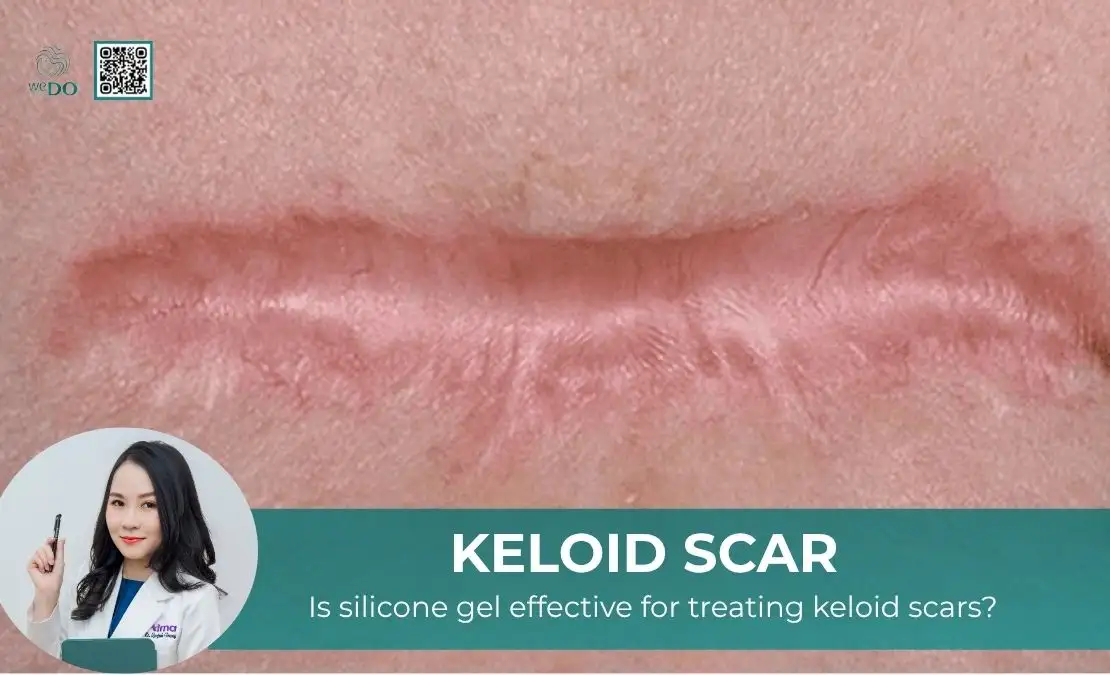
Is silicone gel effective for treating keloid scars?
Is silicone gel effective for treating keloid scars? For individuals with keloid scars, can topical treatments help flatten the scar? This is a common concern, as topical therapy is both cost-effective and non-invasive. If you are also curious, refer to the article below to find the answer. Is silicone gel effective for treating keloid scars?

What SPF level is sufficient for sunscreen?
What SPF level is sufficient for sunscreen? Does a higher SPF mean stronger and more effective sun protection? And is focusing solely on the SPF index enough to choose a suitable sunscreen for your skin? If you are also wondering about these questions, refer to the article below to find the answers. What is the
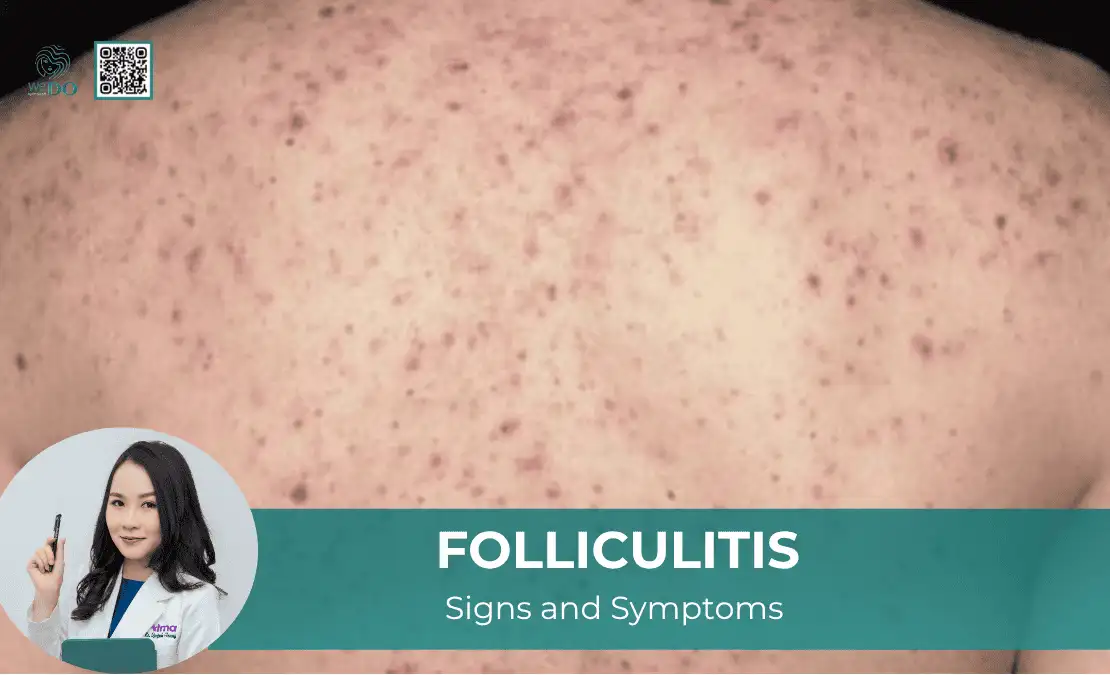
WHAT IS FOLLICULITIS AND HOW IS IT TREATED?
Folliculitis can affect anyone and may occur anywhere on the body except the palms and soles. Although it does not impact overall health, it often causes discomfort and reduces confidence due to cosmetic concerns. Without proper treatment, folliculitis tends to recur, making the skin appear less smooth. FOLLICULITIS – DEFINITION AND SIGNS AND SYMPTOMS Folliculitis

Image I Peel: Ingredients, Benefits, and Price
Peel Image (I Peel) is a familiar name among skincare enthusiasts, especially those who love chemical peels. But is this popular line really worth the hype — and what’s its price range? Let’s take a closer look. Key Ingredients of Peel Image Peel Image follows a multi-target, multi-mechanism principle — meaning it combines a variety
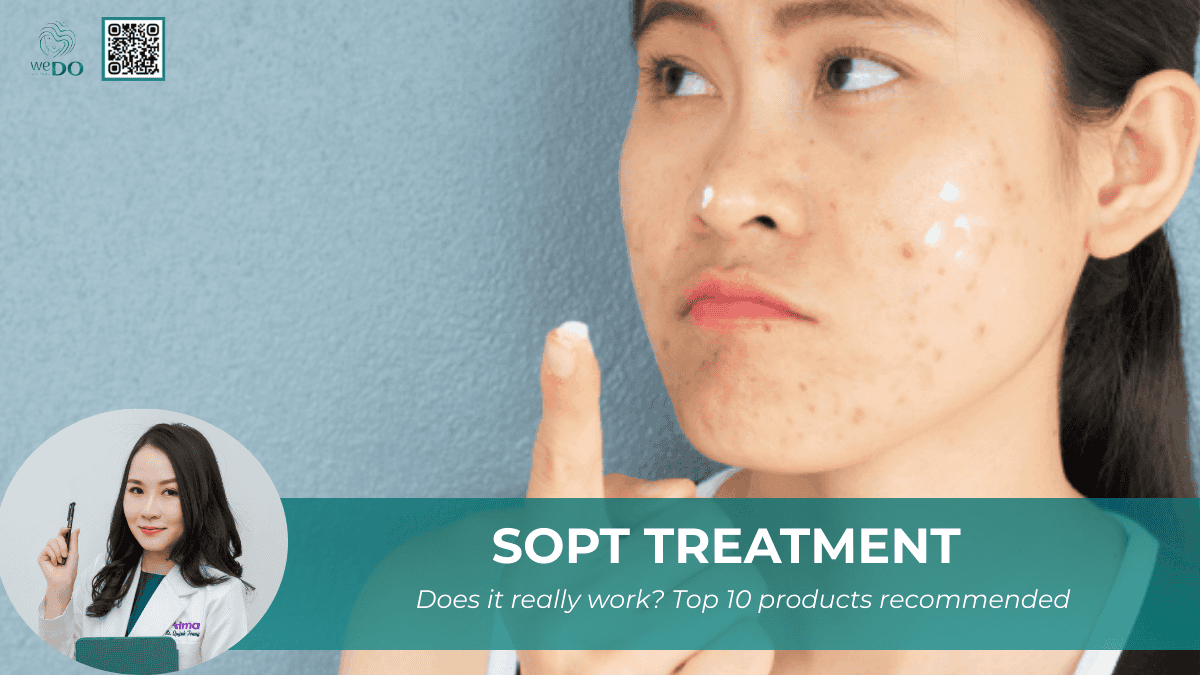
Does Acne Spot Treatment Really Work? Top 10 Products Recommended
Spot treatment is a familiar method for those dealing with acne-prone skin. It is simple, painless, affordable, and can be performed at home. The effectiveness depends largely on the active ingredients and the severity of acne. Benefits of Acne Spot Treatments Depending on their composition, different products serve distinct purposes, but generally, they work to:
Tác giả: wedo
Ngày đăng: 14/08/2025