


 VIE
VIE

Does Oily Skin Really Age More Slowly Than Dry Skin? Effective Ways to Slow Down Aging
CONTENT
In the beauty world, many people wonder: does oily skin really age more slowly than dry skin? Some believe that because oily skin has overactive sebaceous glands that create a natural protective barrier, it helps maintain a youthful look longer. But is this really true? To answer, let’s explore the characteristics of each skin type, the factors that influence the rate of aging, and the right care routines to keep your skin healthy and radiant for years to come, with insights from Wedo Skin Clinic.
Key Differences Between Oily Skin and Dry Skin
Oily skin is usually recognized by its shiny appearance, especially in the T-zone (forehead, nose, chin). This is caused by sebaceous glands producing more oil than necessary. This layer of oil acts as a protective barrier, helping to limit water loss and retain moisture in the skin.
On the other hand, dry skin has underactive sebaceous glands, resulting in a lack of natural oils to protect the skin. The surface of dry skin is usually thin and smooth but prone to flaking, cracking, and early signs of aging like wrinkles or deep lines. Dry skin is also more sensitive to environmental factors like wind, sun, and temperature changes, which makes dryness and irritation worse if it’s not moisturized regularly.
The critical difference between the two skin types is moisture retention and the speed at which signs of aging appear. Thanks to its natural oil layer, oily skin retains moisture better and tends to show wrinkles later. Meanwhile, dry skin is less acne-prone but loses water easily, weakening collagen and elastin fibers sooner, which leads to sagging and wrinkle formation.

What Determines the Speed of Skin Aging?
Skin aging is a natural process, but it occurs at different speeds for each individual. Some people maintain firm, smooth skin for longer, while others show wrinkles and sagging earlier. The difference doesn’t just come from skin type but also from many internal and external factors.
-
Genetics: Genes largely determine skin thickness, collagen and elastin production, and overall structure, which explains why some people stay youthful longer even without extensive skincare.
-
UV exposure: Sunlight is the number one cause of premature aging. UVA and UVB rays penetrate deep into the dermis, breaking down collagen and elastin and causing pigmentation issues. This process, known as photoaging, leads to loss of elasticity and wrinkles if sunscreen is not used daily.
-
Daily skincare: Proper cleansing, moisturizing, sun protection, and antioxidant support play a crucial role in slowing aging. In contrast, poor or incorrect care accelerates skin damage.
-
Diet: A diet rich in vegetables, fruits, healthy fats, and protein supports skin regeneration. Excess sugar, saturated fats, and processed foods accelerate glycation, a process that makes skin lose elasticity.
-
Lifestyle: Lack of sleep, chronic stress, smoking, and heavy drinking speed up cellular oxidation and make skin age faster. Conversely, enough rest, stress management, and regular physical activity improve circulation and nourish the skin from within.
-
Environment: Pollution, dust, extreme weather, and harsh climates weaken the skin barrier and trigger inflammation, all of which accelerate aging.

Does Oily Skin Really Age More Slowly Than Dry Skin?
In reality, oily skin does tend to age more slowly than dry skin in certain aspects, especially in terms of wrinkle formation. The sebaceous glands produce a natural oil barrier that helps retain moisture and reduces tightness. Also, oily skin is usually thicker, which means its collagen and elastin fibers are better supported, slowing the appearance of wrinkles and sagging.
However, oily skin faces its own issues: enlarged pores, excessive sebum, acne, and inflammation. These, if prolonged, weaken skin structure and also lead to early aging. Without proper care, oily skin can age quickly and sometimes more noticeably due to combined acne and scarring.
Thus, skin type is only one of many factors influencing aging. While oily skin may delay wrinkles, long-term youthfulness still depends on proper skincare and sun protection.

Skincare Tips to Slow Aging for Each Skin Type
Even though genetics and environment affect skin aging, the right routine can extend your skin’s youthful look. Each skin type has unique needs, and tailored care helps maintain healthy skin while delaying aging.
For Oily Skin
-
Deep cleansing without over-drying: Choose gentle, sulfate-free cleansers that remove excess oil while preserving hydration. Exfoliate with BHA (salicylic acid) 1–2 times per week to unclog pores and prevent acne.
-
Light hydration and oil control: Use gel or lightweight lotions with hyaluronic acid or niacinamide. Ingredients like zinc PCA can help regulate sebum.
-
Protection and antioxidants: Apply oil-free sunscreen (SPF 30+) daily. Add antioxidant serums such as vitamin C, vitamin E, or green tea extract to fight free radicals.
For Dry Skin
-
Gentle cleansing and barrier repair: Use creamy, low-foam cleansers that don’t strip natural oils. Follow immediately with hydrating toner or essence.
-
Deep moisturizing and sealing: Use creams with ceramides, shea butter, or squalane. Layer with hydrating serums (hyaluronic acid, glycerin) before moisturizer.
-
Internal and external support: Add omega-3 and omega-6 from fish, seeds, and plant oils for elasticity. Apply hydrating masks 2–3 times weekly. Always use sunscreen, even indoors.
Conclusion
Oily skin generally shows wrinkles later than dry skin, but this is not absolute. Aging is influenced by genetics, environment, lifestyle, and skincare habits. No matter your skin type, consistent sun protection, hydration, and antioxidant care are key to maintaining healthy, youthful skin.
FAQs
Why do people believe oily skin ages more slowly?
Because the natural oil layer retains moisture and reduces tightness, delaying wrinkle formation compared to dry skin.
Does oily skin sag more easily than dry skin?
Yes. While it may have fewer wrinkles, oily skin often loses firmness faster, leading to sagging if not cared for properly.
What’s the biggest factor affecting skin aging?
Not just skin type, but genetics, lifestyle, diet, environment, and especially daily sun protection.
Should oily and dry skin be cared for in the same way?
No. Oily skin needs oil–water balance and sebum control, while dry skin requires deep hydration to minimize early wrinkles.

About Morpheus8 – The Rejuvenation Device Highly Sought After by Celebrities
There is a rejuvenation device that has successfully won over some of the world’s top celebrities. It is Morpheus8 – an advanced RF microneedling technology, honored to rank among the top two most popular aesthetic technologies worldwide. If you are still unfamiliar with this device and technology, explore the article below so you do not

Skintag & Mole removal: What method is good?
Skin tags and moles are common skin concerns that many people choose to remove for cosmetic reasons or personal comfort. Skin tags usually appear as small raised bumps that make the skin surface look uneven, while moles often develop when pigment cells cluster in one area instead of being distributed evenly across the skin. Sun
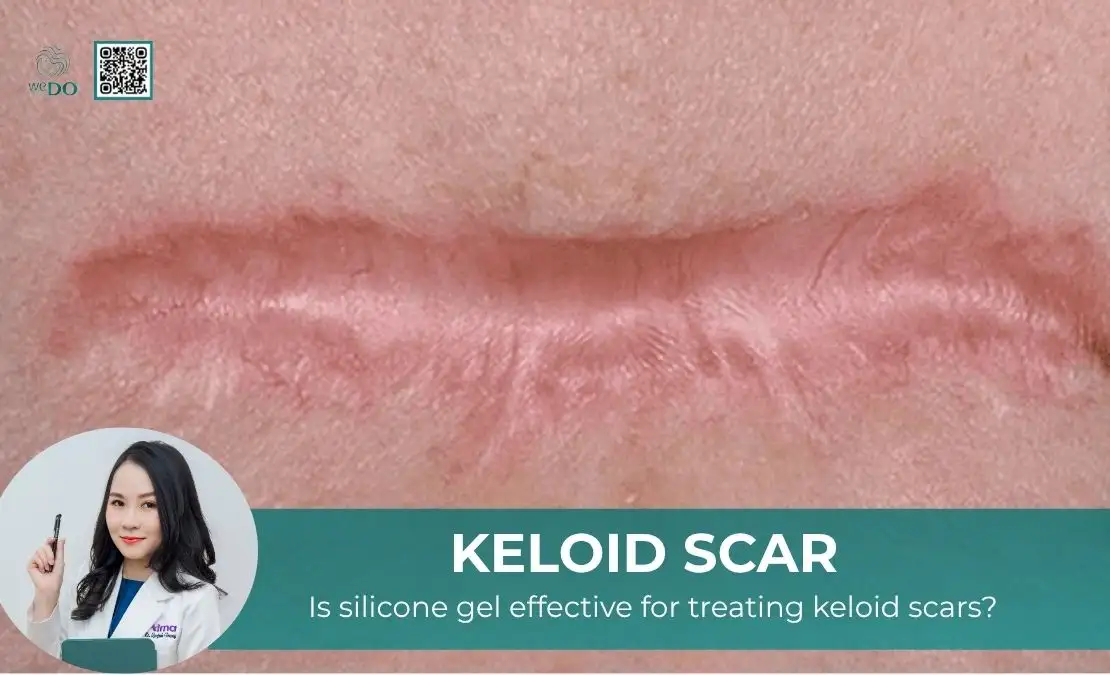
Is silicone gel effective for treating keloid scars?
Is silicone gel effective for treating keloid scars? For individuals with keloid scars, can topical treatments help flatten the scar? This is a common concern, as topical therapy is both cost-effective and non-invasive. If you are also curious, refer to the article below to find the answer. Is silicone gel effective for treating keloid scars?

What SPF level is sufficient for sunscreen?
What SPF level is sufficient for sunscreen? Does a higher SPF mean stronger and more effective sun protection? And is focusing solely on the SPF index enough to choose a suitable sunscreen for your skin? If you are also wondering about these questions, refer to the article below to find the answers. What is the
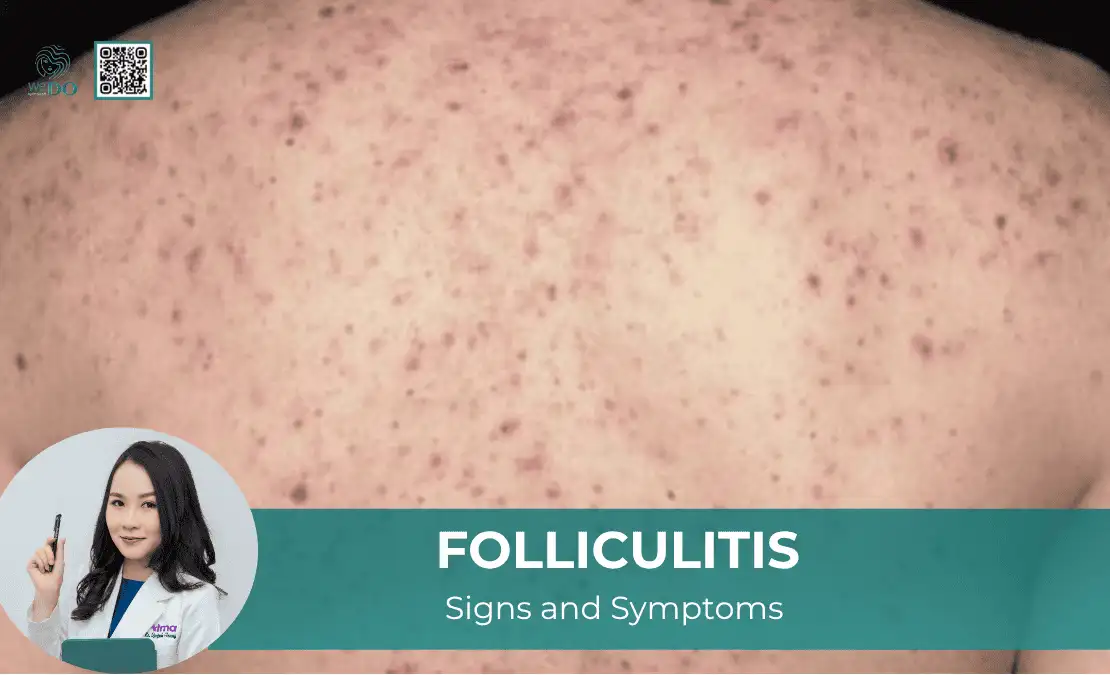
WHAT IS FOLLICULITIS AND HOW IS IT TREATED?
Folliculitis can affect anyone and may occur anywhere on the body except the palms and soles. Although it does not impact overall health, it often causes discomfort and reduces confidence due to cosmetic concerns. Without proper treatment, folliculitis tends to recur, making the skin appear less smooth. FOLLICULITIS – DEFINITION AND SIGNS AND SYMPTOMS Folliculitis
Tác giả: admin
Ngày đăng: 14/08/2025