


 VIE
VIE

Does Hifu hurt? How to reduce pain when doing Hifu
CONTENT
Does HIFU hurt? This is a question that many people are concerned about when learning about skin tightening technologies and skin rejuvenation technologies using high-intensity focused ultrasound. In reality, the level of pain when undergoing HIFU treatment varies depending on individual tolerance. However, most people only feel a mild tingling or slight pressure under the skin. So, is HIFU more painful than other aesthetic methods? How can the discomfort be reduced during the procedure? Let’s explore the details in the article below!
Dermatologists’ perspectives on HIFU technology
HIFU technology (High-Intensity Focused Ultrasound) is increasingly being applied in the beauty industry, especially for non-invasive skin tightening and rejuvenation. According to dermatologists, HIFU uses high-intensity focused ultrasound waves to penetrate the deeper layers of the skin, stimulating collagen and elastin production, which helps firm the skin and reduce wrinkles.
Compared to other aesthetic procedures such as filler injections or facelift surgery, HIFU is considered safe, requires no significant downtime, and delivers natural-looking results. However, not everyone is suitable for this treatment, and effectiveness may vary depending on individual skin conditions.

Does HIFU hurt?
HIFU works by using focused ultrasound waves to generate temperatures of 60 – 70°C in the deeper skin layers (dermis and SMAS). This process helps stimulate collagen regeneration without damaging the skin surface.
Although non-invasive, HIFU can still cause some discomfort or pain, especially during the initial sessions. Causes of pain include:
- Thermal effect: HIFU focuses high-intensity ultrasound energy to heat the deeper skin layers. When the temperature reaches 60 – 70°C, collagen and elastin production is strongly stimulated. However, this high heat can also stimulate nerve endings under the skin, causing a tingling, burning sensation, or mild discomfort during treatment.
- Depending on individual sensitivity, some may feel only a mild warmth, while others experience more intense heat during the procedure.
- Depth of penetration: One of the main differences between HIFU and traditional rejuvenation methods is its ability to target the SMAS layer (Superficial Muscular Aponeurotic System) — the connective tissue that supports facial structure. This layer contains many nerve endings, so treatment may cause a sensation of tightness, mild sharp pain, or muscle contractions.
- Individual pain tolerance: Pain threshold varies by person, so experiences differ. For example:
- Low pain tolerance: May feel more intense pain, especially in sensitive areas like the forehead, chin, and jawline.
- Thin skin, low subcutaneous fat: More discomfort due to less cushioning between the skin and ultrasound energy.
- Those with prior HIFU treatments typically experience less discomfort as their skin adjusts over time.
However, this discomfort typically lasts only during treatment and subsides within a few hours or days without the need for painkillers. Modern HIFU technologies have been improved to minimize discomfort, offering a more pleasant experience.

Comparison of HIFU pain level with other beauty methods
The pain experienced during HIFU treatment varies based on each person’s skin condition. Some only feel a slight tingling, while others with more sensitive skin may feel more discomfort, especially in thin-skinned areas like around the eyes, chin, and neck. Let’s compare the pain level of HIFU with other popular skin rejuvenation methods for a broader perspective:
Hifu – Mild to moderate pain
- Pain level: Mild heat and tightness under the skin due to thermal effect. Pain level may vary depending on the HIFU device used.
- Cause of pain: Focused ultrasound waves generate 60 – 70°C heat to stimulate collagen growth and penetrate the SMAS layer, which traditional methods cannot reach.
- Duration of discomfort: During the procedure, and can last for several hours to 1–2 days post-treatment.
- Recovery: No downtime, normal activities can resume immediately.
Collagen thread lift – More painful than Hifu
- Pain level: More painful than Hifu due to the insertion of threads under the skin. Pain level depends on the type of thread — absorbable collagen threads are less painful than barbed threads.
- Cause of pain: Threads stimulate connective tissues, creating stronger tightness than Hifu.
- Duration of discomfort: Pain may last 3–7 days, depending on the individual.
- Recovery: Time needed for threads to integrate into the skin; may cause mild swelling and bruising.
Filler and Botox injections – Very mild pain
- Pain level: Very mild, only a slight prick when the needle enters the skin.
- Cause of pain: Injections of filler or Botox into targeted areas.
- Duration of discomfort: 1–2 days with possible mild swelling.
- Recovery: Almost immediate recovery, no downtime needed.
Laser skin rejuvenation – Moderate pain
- Pain level: Moderate, mild burning sensation during laser application.
- Cause of pain: Laser heat targets the skin’s surface, breaks down pigmentation, and stimulates collagen production.
- Duration of discomfort: 1–3 days post-treatment with possible redness or peeling.
- Recovery: Sun protection and careful skincare are required after treatment.
Facelift surgery – Most painful
- Pain level: Very painful, general anesthesia is required.
- Cause of pain: Cutting and lifting excess skin and facial muscles with surgical tools.
- Duration of discomfort: Pain may last 1–2 weeks; painkillers are required.
- Recovery: 2–4 weeks of downtime required, with a risk of scarring.
In conclusion, compared to the above methods, Hifu causes mild to moderate pain, less than collagen thread lifts and surgery, but more than filler or Botox injections. Fortunately, there are many ways to reduce pain during HIFU treatment for a more comfortable experience.

Effective ways to reduce pain during HIFU treatment
Here are effective methods to reduce pain during HIFU, ensuring a more pleasant experience:
Select advanced, high-quality technology
There are various HIFU machines on the market, and older models may cause more discomfort due to less optimal energy control.
Meanwhile, modern HIFU technologies like Ultraformer III or Double Gold significantly reduce discomfort while maintaining skin-tightening efficiency. These use advanced pulse emission technologies (MMFU for Ultraformer III, Dual Speed HIFU for Doublo Gold), precisely targeting the SMAS layer at different depths. Additionally, these machines fire more quickly and feature cooling systems to minimize burning sensations and better protect the skin.
At WEDO Skin Clinic, we use genuine HIFU machines with the most advanced technology to ensure a comfortable, pain-free, and effective experience. Our HIFU solution lifts and rejuvenates the skin safely, non-invasively, and without surgery, minimizing infection risks. The treatment is quick, lasting only 30–90 minutes, depending on the area, but delivers noticeable results from the first session. Moreover, collagen production continues for 6 to 12 months post-treatment, maintaining firm, natural, and long-lasting skin for 1–2 years.
Adjust energy levels to match individual sensitivity
Everyone has a different pain threshold. If you feel pain or discomfort during HIFU treatment, inform the technician to adjust the energy level accordingly. Areas like the forehead or chin may be more sensitive to heat and require lower intensity.
Moisturize well before treatment
Dry skin has a weaker barrier, making it more vulnerable to high temperatures. During HIFU treatment, insufficient hydration may reduce skin elasticity, causing redness, dryness, or irritation.
Therefore, before your HIFU session, you should:
- Drink 2–3 liters of water daily: Hydration supports natural skin moisture and regeneration, making the skin more resilient against ultrasound energy.
- Use moisturizer twice daily for 2 weeks before treatment: Moisturizers hydrate the skin and form a protective barrier against heat, reducing the risk of irritation and damage.
- Avoid using retinol, AHA, and BHA at least 1 week before Hifu: These active ingredients promote exfoliation and regeneration, but can increase skin sensitivity during Hifu.
Relax your facial muscles before treatment
Tension and facial muscle contraction can heighten pain during HIFU. So before treatment, remember to:
- Take deep breaths and relax your facial muscles.
- Avoid chewing gum or clenching your jaw beforehand.
- Listen to soft music or chat with the technician to ease your mind.
Use numbing cream or mild pain relievers (if necessary)
If you have sensitive skin or fear pain, ask the specialist to apply numbing cream before HIFU treatment. Alternatively, some may take a mild painkiller like paracetamol 30 minutes beforehand. Always consult your doctor before using any products to ensure safety and effectiveness.

So, does HIFU hurt? The answer is yes, but only mildly to moderately, and the discomfort can be effectively managed with modern technology, proper energy adjustment, and proper skincare. If you’re looking for a non-surgical yet effective skin lifting method, HIFU is worth considering!
WeDo Skin Clinic
- Website: wedoskinclinic.com
- Fanpage: 𝗠𝗲𝗱𝗱𝗶 𝗦𝗸𝗶𝗻 | Meddi Skin Clinic&Spa | Wedo by Dr.Meddi
————————————————
WeDo District 1 – Tran Doan Khanh Street
- Hotline/Zalo: 0898898875
- Whatsapp: +84898898875
- Address: 11 Tran Doan Khanh Street, Da Kao Ward, District 1, HCMC
WeDo District 2 – Thai Thuan Street
- Hotline/Zalo: 0707196622
- Whatsapp: +84707196622
- Address: 17 Thai Thuan Street, An Phu Ward, Thu Duc City, HCMC
————————————————
- YouTube: https://www.youtube.com/@Wedoskinclinic
- Tiktok: https://www.tiktok.com/@wedo.skin.clinic
- Insta: https://www.instagram.com/drmeddiskin/
- Pinterest: https://www.pinterest.com/wedoskin/
- X: https://x.com/wedoskinclinic
- LinkedIn: https://vn.linkedin.com/company/meddi-skin
————————————————
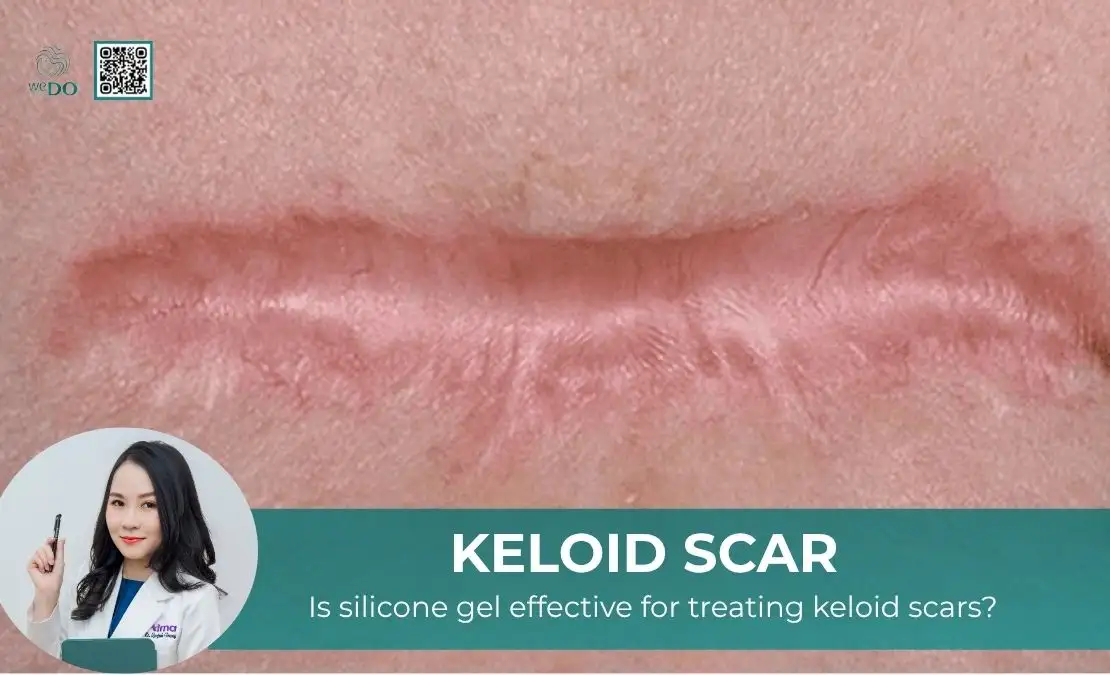
Is silicone gel effective for treating keloid scars?
Is silicone gel effective for treating keloid scars? For individuals with keloid scars, can topical treatments help flatten the scar? This is a common concern, as topical therapy is both cost-effective and non-invasive. If you are also curious, refer to the article below to find the answer. Is silicone gel effective for treating keloid scars?

What SPF level is sufficient for sunscreen?
What SPF level is sufficient for sunscreen? Does a higher SPF mean stronger and more effective sun protection? And is focusing solely on the SPF index enough to choose a suitable sunscreen for your skin? If you are also wondering about these questions, refer to the article below to find the answers. What is the
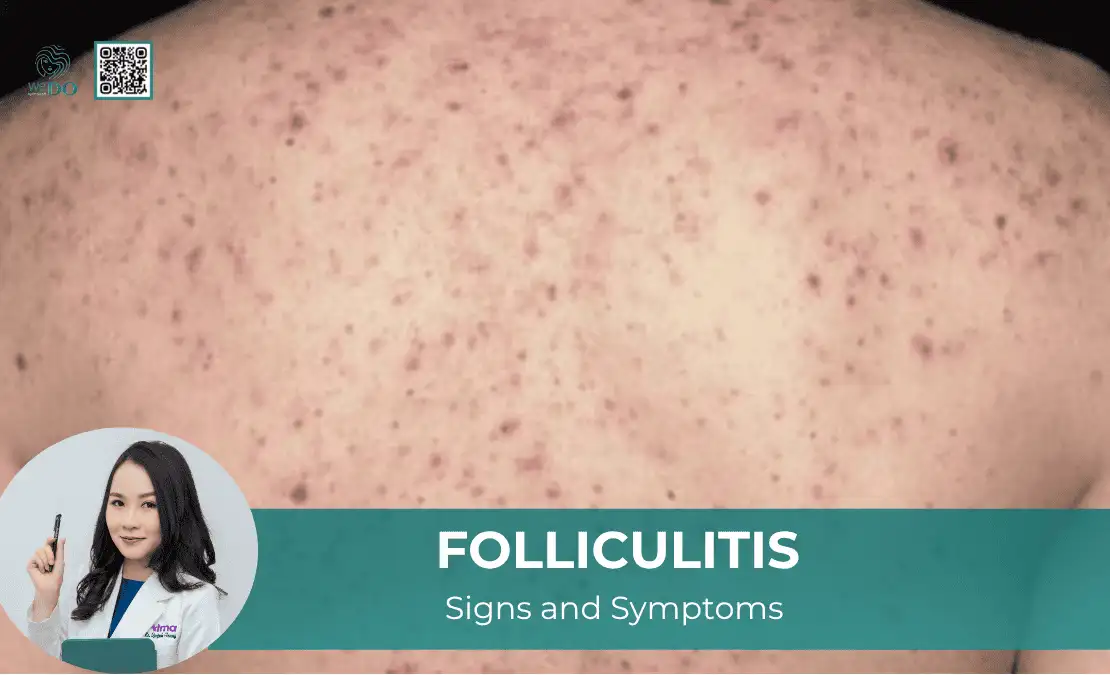
WHAT IS FOLLICULITIS AND HOW IS IT TREATED?
Folliculitis can affect anyone and may occur anywhere on the body except the palms and soles. Although it does not impact overall health, it often causes discomfort and reduces confidence due to cosmetic concerns. Without proper treatment, folliculitis tends to recur, making the skin appear less smooth. FOLLICULITIS – DEFINITION AND SIGNS AND SYMPTOMS Folliculitis
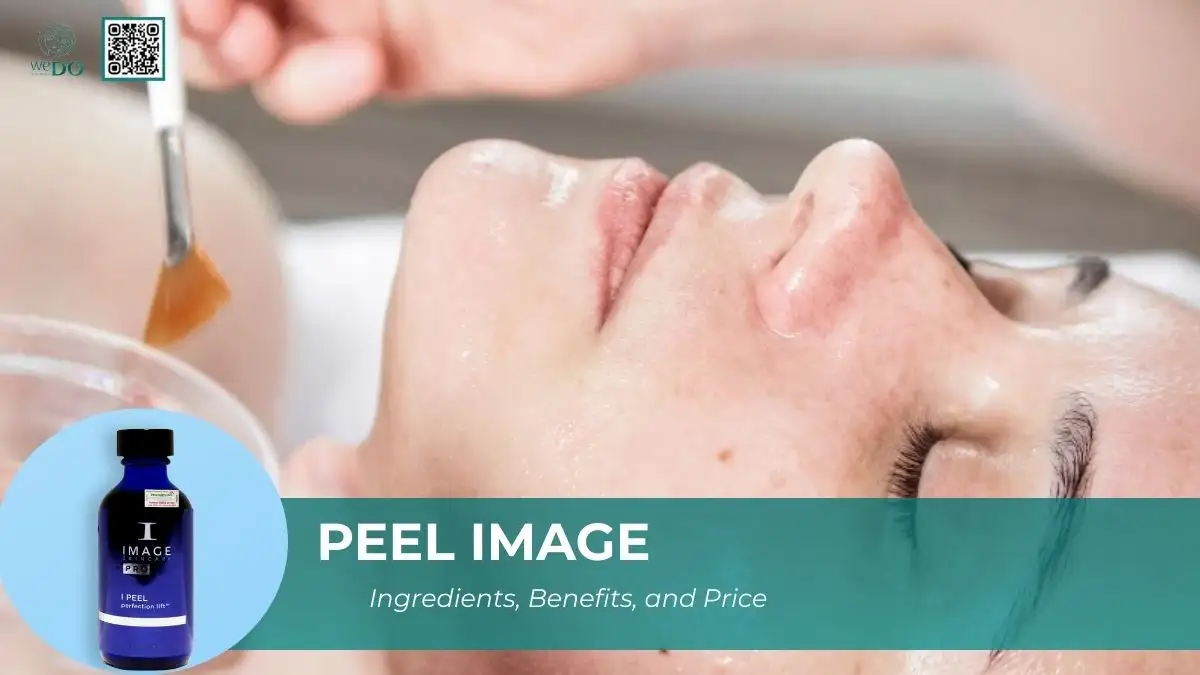
Image I Peel: Ingredients, Benefits, and Price
Peel Image (I Peel) is a familiar name among skincare enthusiasts, especially those who love chemical peels. But is this popular line really worth the hype — and what’s its price range? Let’s take a closer look. Key Ingredients of Peel Image Peel Image follows a multi-target, multi-mechanism principle — meaning it combines a variety
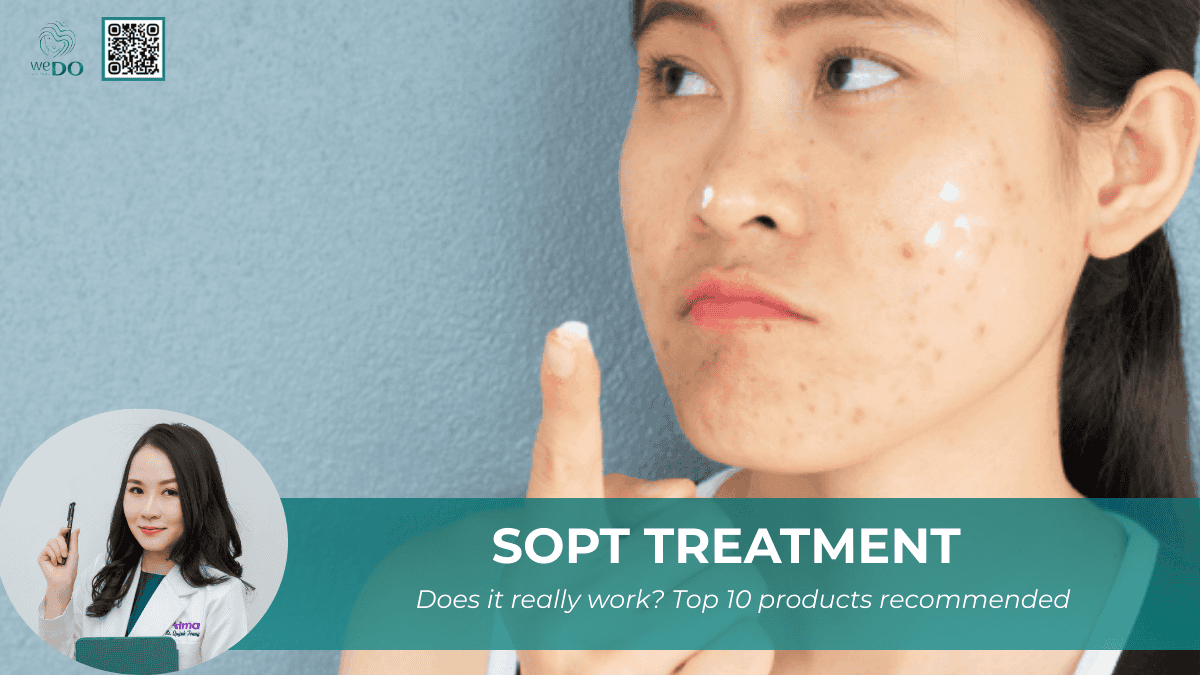
Does Acne Spot Treatment Really Work? Top 10 Products Recommended
Spot treatment is a familiar method for those dealing with acne-prone skin. It is simple, painless, affordable, and can be performed at home. The effectiveness depends largely on the active ingredients and the severity of acne. Benefits of Acne Spot Treatments Depending on their composition, different products serve distinct purposes, but generally, they work to:
Tác giả: wedo
Ngày đăng: 04/04/2023