


 VIE
VIE

Does eating grapes cause acne? Suggestions for fruits suitable for acne-prone skin
CONTENT
When dealing with acne, many people focus on skincare and external treatments while overlooking the critical role that diet plays in controlling and improving skin condition. Every food we consume impacts our skin to some extent. So, what about grapes—a widely loved fruit? Are they good for the skin? Does eating grapes cause acne? Let’s dive into this with WEDO Skin Clinic in the article below.

Does eating grapes cause acne?
Grapes are a delicious and nutritious fruit, but many wonder whether eating them can lead to acne. To answer this, let’s examine the nutritional composition of grapes and how they affect the skin.
In fact, grapes are packed with nutrients beneficial for overall health and skin, notably vitamin C, antioxidants, and natural sugars.
- Vitamin C: Plays a key role in protecting the skin from free radical damage, promoting collagen production, brightening the skin, and aiding wound healing.
- Antioxidants like resveratrol and flavonoids: Found in abundance in dark-skinned grapes, these compounds have anti-inflammatory properties, reduce cell damage, and protect the skin from oxidative stress—a cause of aging and acne.
- Natural sugars like fructose and glucose: Provide quick energy for the body but are a factor to consider when it comes to acne.
Based on these nutrients, grapes are not a direct cause of acne. On the contrary, with their high vitamin C and antioxidant content, grapes have the potential to support skin health, reduce inflammation, and offer better skin protection.
However, note that eating grapes may indirectly trigger acne if consumed excessively, leading to sugar overload, or if you have oily, acne-prone skin that’s sensitive to high-glycemic foods.

Should acne-prone skin eat grapes?
For those with acne-prone skin, the question “Should I eat grapes? Does eating grapes cause acne?” often sparks concern. The answer is: Acne-prone skin can eat grapes, but they must be consumed properly.
Benefits of grapes for acne-prone skin
Acne-prone skin often features pimples, blackheads, whiteheads, inflammatory acne, and sometimes cysts under the skin. This condition occurs when hair follicles are clogged by a combination of dead skin cells, excess sebum, and bacteria. So, what benefits can eating grapes correctly provide?
- Anti-inflammatory and antibacterial: Grapes are rich in resveratrol and polyphenols, which reduce inflammation, soothe red, swollen acne, and inhibit acne-causing bacteria.
- Antioxidant and skin protection: Grapes contain vitamin C and antioxidants that neutralize free radicals, protect the skin from environmental damage, and reduce post-acne marks.
- Supports skin regeneration and healing: Vitamin C in grapes promotes collagen production, helping acne wounds heal faster, reducing scarring, and improving skin smoothness.
- Indirectly controls sebum: Resveratrol in grapes may help regulate excess oil production, keeping pores clear and reducing the risk of acne formation.
You can also check out the article Does taking liver-cooling medication cure acne? to learn about internal acne treatment methods.

How to eat grapes correctly to avoid acne
To maximize the benefits of grapes without worrying about acne, those with acne-prone or sensitive skin should follow these tips:
- Eat in moderation: Despite their benefits, grapes contain natural sugars. For acne-prone skin, excessive sugar intake can stimulate sebum production. Limit grape consumption to about 15–20 grapes per day (around 100–150g), spread across small portions rather than eating too many at once.
- Eat whole, fresh grapes: Prioritize eating fresh grapes, including the skin and seeds, as these contain high levels of antioxidants and fiber. Avoid processed grape products like grape juice, raisins, or grape jam, which have concentrated sugars and less fiber, potentially spiking blood sugar.
- Pair with other foods: To slow sugar absorption and stabilize blood sugar, combine grapes with fiber-rich, protein, or healthy fat foods, such as a handful of almonds, walnuts, or unsweetened yogurt.
- Choose the right time to eat: Eat grapes in the morning or afternoon when the body efficiently converts sugar into energy. Avoid eating grapes in the evening or before bed, as reduced activity can lead to higher blood sugar levels.
- Monitor your body’s response: Start with a small amount and observe your skin’s reaction. If you notice more acne after eating grapes, adjust the quantity or pause consumption to determine if grapes are the cause.
- Opt for low-glycemic grapes: Green and red grapes typically have a lower glycemic index (GI) than black grapes. While grapes generally have a moderate GI (around 43–59, depending on the type), choosing lower-GI varieties is better for acne-prone skin sensitive to sugar.
Fruits beneficial for acne-prone or acne-affected skin
Besides grapes, many other fruits are considered natural “superfoods” that effectively support acne treatment and prevention, including:
| Fruit | Main Benefits | Key Components and Benefits | Best Ways to Use |
| Pineapple | Reduces inflammation, heals wounds | Contains bromelain enzyme, which reduces swelling and supports skin recovery; rich in vitamin C for immunity and antioxidant effects. | Eat fresh, make smoothies, or juice (limit sugar) |
| Cucumber | Detoxifies, hydrates, soothes skin | High water content hydrates and detoxifies the body; contains silica for improved skin elasticity and texture. | Eat raw, make salads, juice, or use as a face mask |
| Blueberry | Antioxidant, anti-inflammatory | Contains anthocyanins, powerful antioxidants that protect skin from free radicals, reduce inflammation, and improve skin health. | Eat fresh, add to yogurt or cereal |
| Pomegranate | Boosts immunity, supports skin regeneration | Contains ellagic acid and punicalagins, potent antioxidants with anti-inflammatory properties that soothe acne and regenerate skin cells. | Eat seeds fresh or juice |
| Grapefruit | Promotes collagen, brightens skin | Rich in vitamin C, stimulates collagen production, brightens skin, and fades marks; has antibacterial and detoxifying properties. | Eat fresh segments or juice |
| Tomato | Reduces excess oil, prevents acne | Contains lycopene, a strong antioxidant that protects skin from UV damage, reduces inflammation, regulates sebum, and prevents acne. | Eat raw, in salads, or cooked (lycopene is better absorbed when cooked) |
Principles for choosing fruits for acne-prone skin
When selecting fruits to include in a diet for acne-prone skin, prioritize those with the following characteristics to support skin improvement effectively:
- Low glycemic index (GI): Avoid overly sweet fruits, as natural sugars can increase insulin levels, stimulating sebum production and increasing acne risk.
- Rich in vitamin C and antioxidants: Vitamin C boosts collagen production, brightens skin, and fades marks. Antioxidants protect skin from free radical damage, reduce inflammation, and promote healing of acne wounds.
- High water content: Juicy fruits hydrate the body and skin, support detoxification through the skin, and maintain balance.
- Anti-inflammatory properties: Choose fruits that soothe red, swollen acne, reducing irritation and redness.
- Variety: Don’t stick to one fruit; combine various types daily to ensure a full range of vitamins, minerals, and nutrients for healthy skin from within.

Fruits to limit if you have acne
When dealing with acne, controlling sugar intake is crucial to avoid stimulating sebum production and worsening skin inflammation. Below are some fruits to limit if you have acne-prone skin:
Durian, jackfruit, and ripe mango
Tropical fruits like durian, jackfruit, and ripe mango are known for their delicious flavor but are high in natural sugars. They can rapidly increase blood sugar levels, triggering insulin and IGF-1 release, which boosts sebum production and clogs pores, creating conditions for acne-causing bacteria to thrive.
Additionally, in traditional beliefs, durian, jackfruit, and ripe mango are considered “hot” fruits, which can exacerbate inflammatory acne significantly.
Overripe bananas
Overripe bananas have a strong sweet flavor and higher natural sugar content than green or just-ripe bananas. Consuming them can cause rapid blood sugar spikes, triggering inflammation and excess oil production, which is detrimental to acne-prone skin.
Dried fruits
While convenient and nutritious, dried fruits are a hidden “enemy” for acne-prone skin. During the drying process, water is removed, concentrating natural sugars. Combined with added sugars for flavor, dried fruits have significantly higher sugar content than fresh fruits, promoting inflammation and making acne harder to control.

Tips for eating fruits to avoid acne
To make fruits support acne-prone skin effectively, keep these points in mind:
- Always wash fruits thoroughly to remove dirt, chemicals, and bacteria.
- Prioritize eating whole fruits to retain fiber, and avoid juicing or eating on an empty stomach.
- Eat fruits with main meals to stabilize blood sugar and prevent excess sebum production.
- Drink enough water and consume a variety of fruits daily to provide sufficient nutrients for the skin.
We hope this article has clarified whether eating grapes causes acne, how to consume them correctly, and the importance of fruits for skin health. Listen to your body’s signals and build a suitable diet to keep your skin healthy, radiant, and full of vitality.
WeDo District 1 – Tran Doan Khanh Street
- Hotline/Zalo/Whatsapp: 0898898875
- Address: 11 Tran Doan Khanh Street, Da Kao Ward, District 1, HCMC
WeDo District 2 – Thai Thuan Street
- Hotline/Zalo/Whatsapp: 0707196622
- Address: 17 Thai Thuan Street, An Phu Ward, Thu Duc City, HCMC

Is silicone gel effective for treating keloid scars?
Is silicone gel effective for treating keloid scars? For individuals with keloid scars, can topical treatments help flatten the scar? This is a common concern, as topical therapy is both cost-effective and non-invasive. If you are also curious, refer to the article below to find the answer. Is silicone gel effective for treating keloid scars?

What SPF level is sufficient for sunscreen?
What SPF level is sufficient for sunscreen? Does a higher SPF mean stronger and more effective sun protection? And is focusing solely on the SPF index enough to choose a suitable sunscreen for your skin? If you are also wondering about these questions, refer to the article below to find the answers. What is the
WHAT IS FOLLICULITIS AND HOW IS IT TREATED?
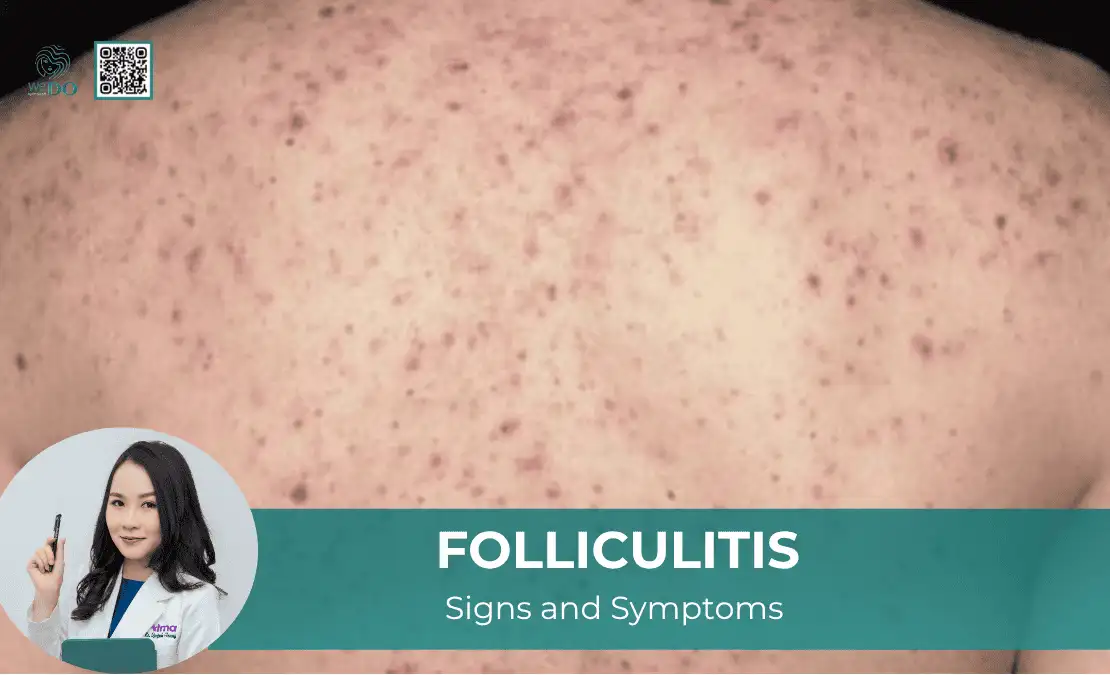
Folliculitis can affect anyone and may occur anywhere on the body except the palms and soles. Although it does not impact overall health, it often causes discomfort and reduces confidence due to cosmetic concerns. Without proper treatment, folliculitis tends to recur, making the skin appear less smooth. FOLLICULITIS – DEFINITION AND SIGNS AND SYMPTOMS Folliculitis

Image I Peel: Ingredients, Benefits, and Price
Peel Image (I Peel) is a familiar name among skincare enthusiasts, especially those who love chemical peels. But is this popular line really worth the hype — and what’s its price range? Let’s take a closer look. Key Ingredients of Peel Image Peel Image follows a multi-target, multi-mechanism principle — meaning it combines a variety

Does Acne Spot Treatment Really Work? Top 10 Products Recommended
Spot treatment is a familiar method for those dealing with acne-prone skin. It is simple, painless, affordable, and can be performed at home. The effectiveness depends largely on the active ingredients and the severity of acne. Benefits of Acne Spot Treatments Depending on their composition, different products serve distinct purposes, but generally, they work to:
Tác giả: wedo
Ngày đăng: 15/06/2025