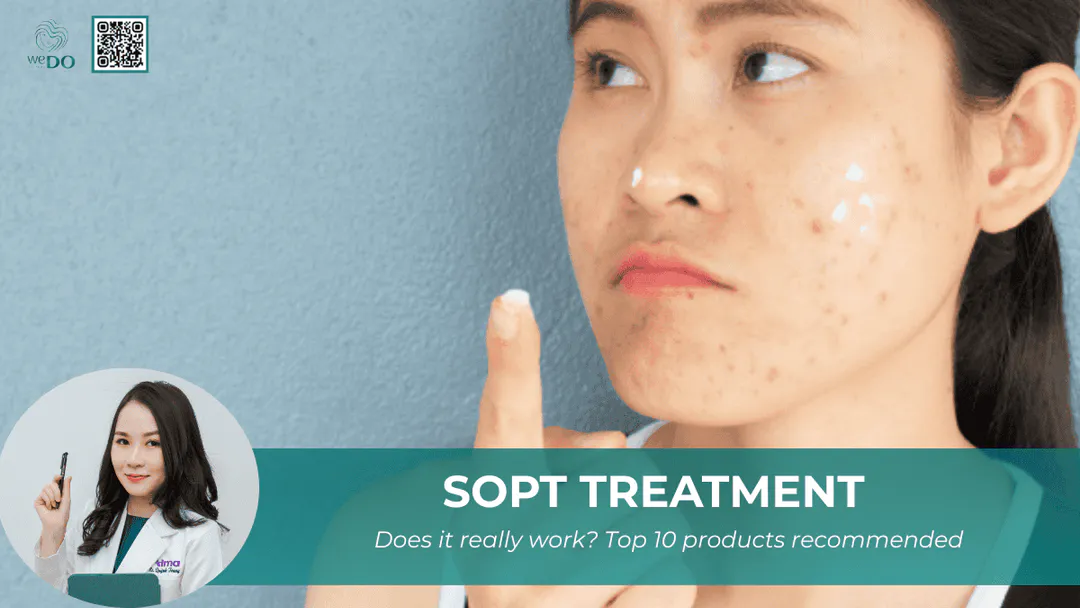
Spot treatment is a familiar method for those dealing with acne-prone skin. It is simple, painless, affordable, and can be performed at home. The effectiveness depends largely on the active ingredients and the severity of acne.
Benefits of Acne Spot Treatments
Depending on their composition, different products serve distinct purposes, but generally, they work to:
-
Eliminate bacteria, reduce inflammation, and soothe redness and swelling.
-
Promote the expulsion of comedones and accelerate lesion healing.
-
Stimulate skin cell renewal for a healthier and brighter complexion.
Spot treatments are an easy at-home approach to help bring acne lesions to the surface and support faster recovery.

Recommended Spot Treatment Products
The following topical agents are among the most commonly prescribed or recommended by dermatologists. Selecting the right active ingredients for your skin type and acne condition is crucial to achieve optimal results.
| Product Name | Key Ingredients | Main Benefits | Suitable For |
|---|---|---|---|
| Klenzit-C | Adapalene 1mg, Clindamycin 10mg | Regulates keratinization, reduces follicular blockage, and inflammation. | Papules, pustules, and mild-to-moderate acne-prone areas. |
| Benzac AC 5% | 5% Benzoyl Peroxide | Controls acne, reduces swelling and pain, and prevents bacterial resistance. | Blackheads, mild-to-moderate inflammatory acne. |
| Epiduo Gel | Benzoyl Peroxide, Adapalene | Antibacterial, anti-inflammatory, keratolytic; helps clear clogged pores. | Comedonal and inflammatory acne with pustules. |
| H2O2 | 2% Hydrogen Peroxide, Salicylic Acid, Panthenol (Vitamin B5) | Removes keratin plugs, kills C. acnes, dries out lesions, and reduces swelling. | Moderate-to-severe acne (papules, pustules, nodules); suitable for ages 9+. |
| Clidabax B Gel | 1% Clindamycin, 2.5% Benzoyl Peroxide | Reduces inflammation and bacterial load, accelerates lesion healing. | Inflammatory acne; suitable for ages 12+. |
| Differin 0.1% | 0.1% Adapalene | Promotes cell turnover, clears pores, controls oil, and reduces mild inflammation. | All skin types. |
| Erylik | 4% Erythromycin, 0.025% Tretinoin | Exfoliates dead cells, evens skin tone, and prevents new acne formation. | Mild-to-moderate acne. |
| Biotrade Acnaut Active Cream | Vitamins A, E, Niacinamide | Controls acne, reduces redness and oil, and fades post-acne marks. | Oily and acne-prone skin. |
| Derma Forte | Azelaic Acid, Vitamins C & E, Collagen, Coenzyme Q10, Centella & Turmeric Extracts | Inhibits C. acnes, prevents new lesions, and lightens hyperpigmentation. | Inflammatory, blackhead, and whitehead acne. |
| Megaduo Gel | 20% Azelaic Acid, Glycolic Acid (AHA) | Strong antibacterial and anti-inflammatory action; regulates sebum and prevents clogged pores. | Acne-prone skin with post-acne marks or recurrence tendency. |
How to Use Spot Treatments Properly

Application time and technique can significantly influence the product’s efficacy. For best results, apply spot treatment after cleansing and moisturizing.
- Cleanse: Remove makeup and impurities with a gentle cleanser, then balance skin with toner.
- Moisturize: Use a light serum or moisturizer to keep the skin hydrated and minimize dryness.
- Apply Spot Treatment: After waiting a few minutes, apply the treatment directly to acne lesions only. Avoid spreading over unaffected skin. Most products should be applied once or twice daily, as directed by your dermatologist.
Important Notes When Using Acne Spot Treatments
-
Use an appropriate amount: Too little may be ineffective, while too much can cause irritation or dryness.
-
Apply only on active lesions: Avoid sensitive areas such as the eyes and lips.
-
Be patient: Visible improvement may take several days. Avoid switching products prematurely.
-
Hydrate and protect: Maintain moisture and always use sunscreen, as many active ingredients increase photosensitivity.
-
Maintain hygiene: Wash hands thoroughly before application to prevent infection.
Conclusion
When chosen correctly, spot treatments can effectively dry out lesions, reduce inflammation, and promote faster healing. However, each skin type reacts differently. What works for one person may not suit another. Always check the ingredient list carefully and seek dermatological advice if needed to ensure safety and optimal results.
Frequently Asked Questions
1. Do spot treatments really make pimples heal faster?
Yes, depending on the active ingredient and acne severity. Formulas with benzoyl peroxide, sulfur, or salicylic acid can dry out lesions within 1–3 days, though deep or cystic acne may require professional care.
2. How often should I apply spot treatment each day?
Typically once or twice daily (morning and evening) is sufficient. Overuse can cause irritation or peeling. Beginners should start with once daily to assess tolerance.
3. Should I pop the pimple after applying treatment?
No. Spot treatments allow pimples to dry and heal naturally. Premature extraction can lead to inflammation, scarring, or bacterial spread.
4. Are spot treatments suitable for sensitive skin?
Yes, but choose mild formulas containing sulfur or low concentrations of tea tree oil. Avoid benzoyl peroxide above 5% or strong acids. Always perform a patch test first.
5. What should I do if the acne doesn’t improve after using spot treatment?
If inflammation persists or worsens after 7–10 days, discontinue use and consult a dermatologist. You may need prescription-strength topical or oral therapy.
Related articles