


 VIE
VIE

Does acne extraction get rid of acne? When should acne be extracted?
CONTENT
Acne is always one of the top concerns that makes us lose confidence, especially when it appears “at the most crucial moments.” When looking at those annoying pimples, you’ve probably felt irritated and tried to pop them yourself, hoping they would disappear quickly, right? So, does extracting acne comedones eliminate acne? Or will it make the acne condition worse? Let’s explore this with WEDO Skin Clinic in the article below.
What is acne comedone extraction? What is its role in acne treatment?
Acne comedone extraction (also known as popping acne) is a procedure that uses mechanical force or specialized tools to remove the comedone core containing sebum, dead skin cells, and bacteria from clogged pores. This is a crucial step in the acne treatment process, especially for non-inflammatory acne types.

Should you extract acne comedones? What is its role in treatment?
Acne comedone extraction is not just about removing the comedone core but also about improving and speeding up the overall acne treatment process. Here are some benefits of this procedure:
- Clears pores: Clogged pores due to sebum, dead skin cells, and dirt are the cause of acne. When comedones are thoroughly removed, pores are unclogged, allowing the skin to “breathe” freely, reducing anaerobic environments and preventing the accumulation of clogging substances.
- Prevents acne from worsening: Non-inflammatory acne types like blackheads, whiteheads, or hidden acne can easily “transform” into inflammatory acne, pustules, cysts, or nodules if not properly treated. Therefore, timely and correct comedone extraction helps eliminate these potential “triggers,” preventing widespread inflammation and minimizing the risk of severe skin damage.
- Speeds up recovery: When comedones are properly removed, the skin surface becomes clearer and cleaner, creating conditions for active ingredients in specialized products like serums or acne creams to penetrate deeper, reducing inflammation, drying out comedones, promoting new skin cell regeneration, and helping the skin return to a healthy state faster.
- Improves aesthetics: Immediately after comedone extraction, the skin surface improves significantly. Bumps caused by hidden acne, whiteheads, or blackheads are quickly removed, making the skin smoother, boosting confidence for those undergoing treatment, and setting the stage for subsequent skincare steps to achieve optimal results.

Types of acne SUITABLE for comedone extraction
Not all acne types are “allowed” to undergo comedone extraction; you need to clearly distinguish them to avoid unnecessary damage:
- Blackheads: These are open comedones, with the comedone core oxidized by air exposure, resulting in a black tip. The core is usually hard and can be easily removed with proper technique.
- Whiteheads: These are closed comedones, with the core deep under the skin and not exposed to air, forming small white or pale pink bumps. Extracting this type requires skill and specialized tools to avoid damaging skin layers.
- Hidden acne: This type often lacks a clear head and feels bumpy under the skin. Hidden acne cores are deep and need careful handling by skilled technicians to prevent inflammation or scarring.
Types of acne ABSOLUTELY NOT suitable for comedone extraction
- Inflammatory acne, pustules: These are red, swollen pimples that may have white pus in the center. Popping them during inflammation or pus formation can spread bacteria, increasing the risk of infection, causing more swelling, and likely leaving post-acne marks or scars.
- Cysts, nodules: These are severe inflammatory acne types with deep cores, large swelling, and pain. Attempting to pop these can cause serious skin damage, permanent pitted scars, and significantly worsen the acne condition. Treating cysts and nodules requires medication or medical therapies prescribed by a dermatologist instead of simple comedone extraction.

Does extracting acne comedones eliminate acne?
“Does extracting acne comedones eliminate acne?” is a common question for many people considering this method. The answer is: comedone extraction is only a crucial supportive step in the treatment process, NOT a definitive solution to eradicate acne!
Why doesn’t comedone extraction eliminate acne?
This is because popping acne only removes the formed comedone core, clearing pores and preventing acne from worsening. It cannot address the root causes of acne, such as hormonal imbalances, overactive sebaceous glands, bacterial growth, or genetic factors. Therefore, if you only extract comedones without combining other care and treatment methods, acne may recur or spread further.
Additionally, improper comedone extraction, such as popping acne at home or at unreliable facilities, cannot reduce acne and may lead to serious consequences, such as:
- Infection and worse inflammation: Unsterilized hands or tools can introduce external bacteria deep into the skin, causing pimples to swell, become painful, and lead to widespread inflammation.
- Persistent post-acne marks: Incorrect or excessive force can rupture capillaries under the skin, damaging skin structure and stimulating excessive melanin production, resulting in hard-to-fade post-acne marks.
- Permanent pitted scars: This is the most frightening consequence for anyone with acne. Deep damage to hair follicles from improper popping prevents perfect skin recovery, creating permanent depressions on the surface.

How to improve acne?
To control and improve acne long-term, comedone extraction must be part of a comprehensive treatment plan, harmoniously combined with the following factors:
- Proper skincare, such as cleansing, moisturizing, using specialized products like BHA, Tretinoin, etc., as prescribed by a doctor, and protecting skin from UV damage to prevent post-acne marks.
- Adopting a scientific diet, increasing intake of green vegetables, fruits, water, and foods rich in zinc, vitamins A and E. Additionally, limit spicy, greasy, sugary foods, milk, dairy products, or high-glycemic foods.
- Establishing a healthy lifestyle, such as getting 7-8 hours of sleep per night, reducing stress, engaging in physical activities, and regularly cleaning daily items like pillowcases, bed sheets, phones, helmets, etc.
How long does it take for acne to clear after comedone extraction?
There is no fixed timeline for “clearing acne” after comedone extraction. This depends on several factors:
- Popping acne only removes formed comedones. New acne can still appear if root causes are not controlled.
- The degree of acne improvement depends on the overall treatment plan, such as taking medication, applying topicals, high-tech acne treatments, and adherence to at-home care. Following guidance from a reputable dermatologist, acne can improve in a few weeks to months.
- Post-acne marks may take weeks to months to fade, depending on skin type and the treatments applied.
- Controlling and maintaining clear skin is a long-term process requiring patience and close coordination with dermatological therapies.
When should and shouldn’t you extract comedones?
Determining the right time for comedone extraction is key to treatment effectiveness and avoiding unwanted complications. So, when should and shouldn’t you extract comedones?
When should you extract comedones?
You should only extract comedones when the pimples have reached a certain “ripeness.” Apart from blackheads, other acne types need to be popped at the right time to avoid rupture and spreading to other skin areas. Here are the “signs” to recognize when it’s time to “remove” those bothersome pimples from the skin surface:
- Extract only when the comedone has dried: You should only extract when the comedone is dry, hard, no longer swollen or painful, and close to the skin surface (for whiteheads) or has been pushed to the surface, without redness or inflammation, feeling hard when touched (for hidden acne).
You can check out should you pop hidden acne to learn more about appropriate ways to handle this type of acne!
- Pustules that are ripe and dry: Although not typically suitable for comedone extraction, in some special cases where the pustule is clearly formed, dry, and no longer swollen or painful, dermatologists may gently extract the pus to clean it. However, this is done with extreme caution.

When shouldn’t you extract comedones?
Attempting to pop acne or extract comedones in the following cases can lead to serious consequences that are difficult to recover from:
- Acne not yet dried or “ripe”: If the comedone is still hard, clinging to the pore walls, or the pimple is immature without signs of drying, attempting extraction will cause significant damage to surrounding skin, worsening inflammation, prolonging marks, and increasing scarring risk.
- Inflammatory, red, painful acne: These are pimples in the acute inflammation stage, with or without pus. Attempting to pop them will rupture hair follicles, pushing bacteria and inflammatory fluids deeper, causing widespread infection, increased swelling, and permanent post-acne marks or pitted scars.
- When hygiene and technique are not ensured: We often pop acne at home because they look bothersome. However, popping with dirty hands, long nails, or unsterilized tools is the “shortest path” to infection, skin inflammation, acne spread, and scarring.
- Damaged or irritated skin: If the skin is scratched, sunburned, or undergoing treatment with sensitizing products (like high-concentration retinoids), extraction can worsen the skin condition.
Should you pop acne yourself or visit a dermatology clinic?
When dealing with acne, many people wonder whether to handle it at home or seek professional help. In reality, popping acne at home carries many risks, from poor hygiene, incorrect technique causing worse inflammation, to a high chance of persistent post-acne marks and permanent pitted scars.
For safety and optimal results, especially with hidden acne, stubborn blackheads, or when you’re not confident in your skills, visiting a reputable acne treatment facility is a wise choice.
Reputable acne treatment facilities have well-trained staff, fully sterilized tools, and medical-standard procedures, ensuring proper comedone extraction with minimal damage and infection risk. One such place to consider is WEDO Skin Clinic, where dermatologists will thoroughly examine you and provide the most suitable treatment plan.

Recovery time and results after comedone extraction
After comedone extraction, recovery time and results depend on various factors, including initial skin condition, extraction technique, and post-extraction skincare.
Typically, after extraction, the skin may experience mild redness or slight stinging at the treated pimples. This usually subsides within 24-48 hours. Tiny red spots may persist for a few days to a week, depending on skin type and comedone depth.
To ensure quick and effective recovery, keep in mind:
- Gently cleanse with a mild cleanser and avoid touching the face with dirty hands.
- Apply cold compresses to reduce swelling and soothe the skin immediately after extraction.
- Follow the dermatologist’s or technician’s instructions, using serums or moisturizers with skin-repairing and anti-inflammatory properties.
- Apply sunscreen regularly and protect skin from sunlight to prevent post-acne marks.
- Avoid picking at scabs or popping acne to let the skin heal naturally, preventing new damage.
After comedone extraction, you’ll notice significantly smoother skin. Bumpy pimples disappear, making the skin clearer and more breathable. Additionally, this removes clogging “culprits,” allowing specialized products like topicals or serums to penetrate deeper and work better, speeding up new comedone drying and healing.
However, understand that comedone extraction is only one part of the treatment process, not a “magic cure” for acne. For clear skin and long-lasting results, combine it with a suitable treatment plan (which may include oral or topical medications), a scientific skincare routine, a healthy diet, and a balanced lifestyle. When acne triggers are controlled, the skin becomes truly healthy with minimal recurrence.
WeDo District 1 – Tran Doan Khanh Street
- Hotline/Zalo/Whatsapp: 0898898875
- Address: 11 Tran Doan Khanh Street, Da Kao Ward, District 1, HCMC
WeDo District 2 – Thai Thuan Street
- Hotline/Zalo/Whatsapp: 0707196622
- Address: 17 Thai Thuan Street, An Phu Ward, Thu Duc City, HCMC
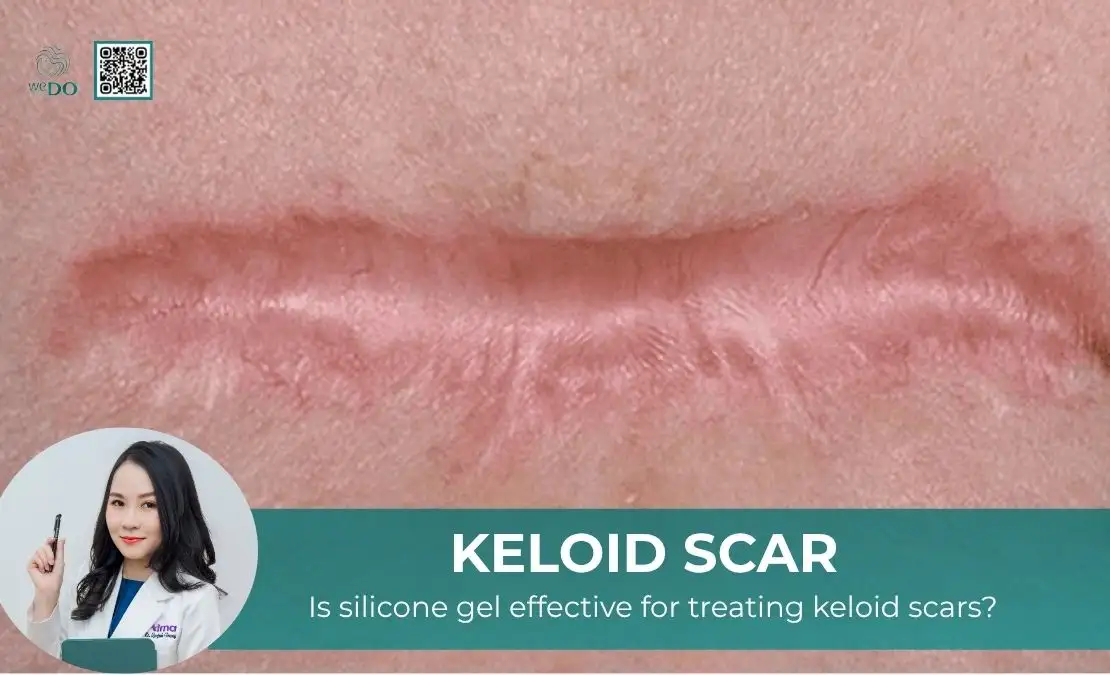
Is silicone gel effective for treating keloid scars?
Is silicone gel effective for treating keloid scars? For individuals with keloid scars, can topical treatments help flatten the scar? This is a common concern, as topical therapy is both cost-effective and non-invasive. If you are also curious, refer to the article below to find the answer. Is silicone gel effective for treating keloid scars?

What SPF level is sufficient for sunscreen?
What SPF level is sufficient for sunscreen? Does a higher SPF mean stronger and more effective sun protection? And is focusing solely on the SPF index enough to choose a suitable sunscreen for your skin? If you are also wondering about these questions, refer to the article below to find the answers. What is the
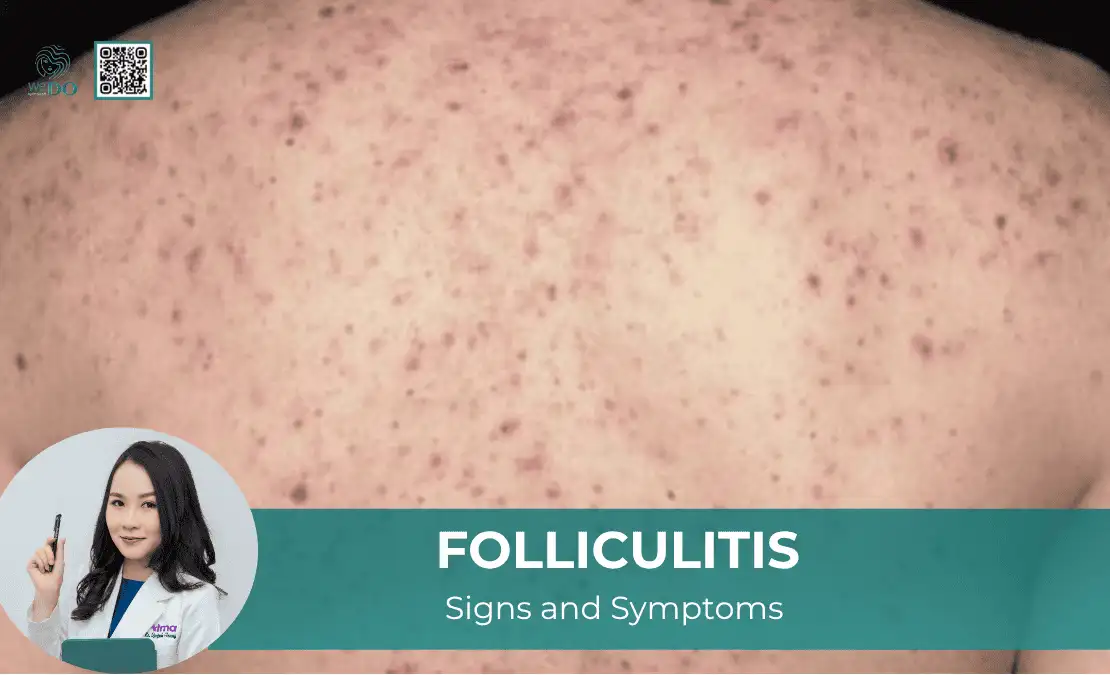
WHAT IS FOLLICULITIS AND HOW IS IT TREATED?
Folliculitis can affect anyone and may occur anywhere on the body except the palms and soles. Although it does not impact overall health, it often causes discomfort and reduces confidence due to cosmetic concerns. Without proper treatment, folliculitis tends to recur, making the skin appear less smooth. FOLLICULITIS – DEFINITION AND SIGNS AND SYMPTOMS Folliculitis
Image I Peel: Ingredients, Benefits, and Price
Peel Image (I Peel) is a familiar name among skincare enthusiasts, especially those who love chemical peels. But is this popular line really worth the hype — and what’s its price range? Let’s take a closer look. Key Ingredients of Peel Image Peel Image follows a multi-target, multi-mechanism principle — meaning it combines a variety
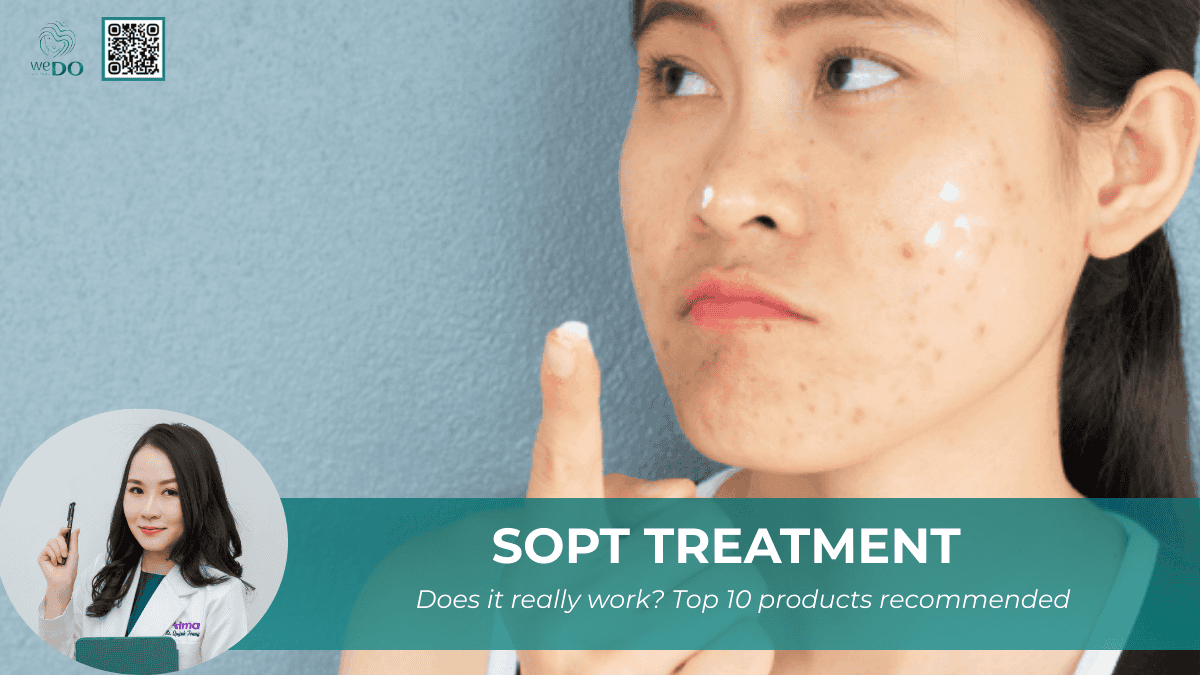
Does Acne Spot Treatment Really Work? Top 10 Products Recommended
Spot treatment is a familiar method for those dealing with acne-prone skin. It is simple, painless, affordable, and can be performed at home. The effectiveness depends largely on the active ingredients and the severity of acne. Benefits of Acne Spot Treatments Depending on their composition, different products serve distinct purposes, but generally, they work to:
Tác giả: wedo
Ngày đăng: 15/06/2025