


 VIE
VIE

Dark Skin in Men – Causes and Effective Solutions
CONTENT
While skincare has often been associated with women, nowadays many men also desire to have bright, healthy, and even-toned skin. However, dark or dull skin is a common issue that makes the face look tired and less vibrant. So what causes skin darkening in men, and how can it be effectively improved? Let’s explore in detail below.
Causes of Dark Skin in Men
Dark or uneven skin tone in men can result from various factors — environmental exposure, daily habits, or inadequate skincare routines. Below are the most common causes.
Genetic Factors
In some cases, skin darkening may stem from genetic mutations or inherited conditions that manifest visibly on the skin’s surface. When the cause is genetic, home care remedies alone often bring little to no improvement. Some hereditary syndromes that may cause skin darkening include:
- Peutz–Jeghers Syndrome: Caused by chromosomal mutations leading to multiple small pigmented spots or patches scattered across the skin.
- CALM Syndrome (Café-au-lait macules): Characterized by light brown patches resembling “coffee with milk,” often appearing on the body or face.
- Kitamura Reticulate Pigmentation: A condition that causes net-like hyperpigmentation on the hands and feet.
- Becker’s Nevus: Common in men, leading to dark brown skin patches accompanied by increased hair growth.
- Metabolic Disorders: Can result in abnormal melanin production, causing widespread skin darkening.
- Congenital Pigmented Birthmarks such as Mongolian spots, Ota’s nevus, or Ito’s nevus — these localized pigmentation disorders are often present from birth.
Darkening Caused by Medical Conditions
Certain metabolic or endocrine disorders can also cause the skin to darken unevenly — the most notable being hemochromatosis and acanthosis nigricans.7
- Hemochromatosis: A condition where the body absorbs and stores excessive iron from food. When excess iron accumulates in organs like the liver, heart, pancreas, and even skin, it triggers melanin production, leading to a grayish or bronze tone. This symptom not only affects appearance but can also signal internal organ damage and requires early medical intervention.
- Acanthosis Nigricans: A skin disorder characterized by darkened, thickened, and rough patches, usually in body folds such as the neck, armpits, groin, or elbows. It is often associated with insulin resistance, obesity, or hormonal imbalance, and can be an early warning sign of type 2 diabetes or polycystic ovary syndrome (PCOS).
Hormonal Imbalance
In men, testosterone is the key hormone influencing skin pigmentation. When testosterone levels drop or androgen metabolism is disrupted, the body may respond by producing excess melanin, resulting in darker, uneven skin tone.

Sun Exposure
Men tend to skip sunscreen or protective clothing when outdoors. Consequently, their skin is frequently exposed to UV rays, especially UVA and UVB — the primary causes of darkening, rough texture, and premature aging.
When exposed to UV rays, the skin reacts by producing more melanin as a defense mechanism, leading to dark patches and uneven tone. Those who work outdoors, such as drivers, technicians, or athletes, are especially prone to this condition.
Unhealthy Lifestyle Habits
Staying up late, lack of sleep, and irregular routines disrupt hormone balance and hinder skin cell regeneration, making the skin dull and lifeless. Smoking, alcohol consumption, and poor diet accelerate skin aging. Nicotine and alcohol reduce oxygen supply in the blood, leaving the skin dry, grayish, and less elastic.
How to Treat Dark Skin in Men
When home remedies no longer yield visible results — especially in cases of congenital or long-term pigmentation — advanced laser technologies offer an effective solution.
Dye VL Laser – Targeted Light to Break Down Melanin
The Dye VL laser uses selective photothermolysis with wavelengths between 500–600 nm to directly target melanin-containing cells. Once absorbed, the laser energy shatters melanin particles into microfragments that are naturally eliminated through the lymphatic system.
This technology precisely targets pigmentation without burning or damaging surrounding tissues, making it suitable for sensitive Asian skin. After treatment, the skin appears smoother, brighter, and more even-toned, with dark spots visibly reduced — all without downtime.
Nd:YAG Laser – Eliminating Deep Pigments and Stimulating Skin Renewal
Alongside Dye VL, the Nd:YAG laser is considered a foundational technology for deep pigmentation treatment. With dual wavelengths of 532 nm and 1064 nm, it can act on both the epidermis and dermis, effectively breaking down deeply deposited melanin without harming healthy skin.
Moreover, the laser energy stimulates collagen and elastin production, restoring elasticity and youthfulness. Following treatment, the skin becomes firmer, smoother, and naturally radiant — ideal for chronic hyperpigmentation, mixed pigmentation, or UV-induced damage.

At Wedo Skin Clinic, both Dye VL and Nd:YAG laser technologies are integrated into personalized pigmentation treatment protocols performed by dermatologists with advanced expertise. Each treatment plan is customized according to individual skin tone and pigment level to ensure visible results with maximum safety. All equipment meets FDA and CE standards, guaranteeing precision, consistency, and long-lasting improvement.
Skincare Tips to Prevent Dark Skin
To minimize darkening, men should adopt a comprehensive approach combining protection, nourishment, and restoration — both externally and internally.
Cleanse Properly
Wash your face twice daily — morning and night — using a facial cleanser designed for men to remove dirt, oil, and bacteria. Exfoliate 1–2 times a week to unclog pores and brighten skin.
Moisturize and Restore the Skin
After cleansing, apply a lightweight, non-greasy moisturizer to maintain hydration. Incorporate serums containing vitamin C, niacinamide, or hyaluronic acid to brighten and improve elasticity.
Use Sunscreen Daily
This is the most crucial step in preventing melanin overproduction — the main cause of darkened skin. Choose a sunscreen with SPF 30+ and PA+++, apply it at least 15 minutes before going outside, and reapply every 2–3 hours when outdoors for extended periods.

Exfoliate Regularly
Gentle exfoliation once or twice a week removes dead cells and promotes new cell growth, helping skincare products penetrate more effectively. Choose mild exfoliants containing AHA, BHA, or natural enzymes, and avoid harsh scrubbing. Consistent exfoliation keeps the skin smooth, healthy, and even-toned.
Adopt a Healthy Lifestyle
Healthy skin starts from within. Get enough sleep, drink plenty of water, limit alcohol and smoking, and eat a balanced diet rich in vitamins C and E for antioxidant support. Regular exercise improves circulation and delivers nutrients to the skin for a radiant complexion.
Conclusion
Dark skin in men not only affects appearance but also indicates skin stress or damage. To improve, one must combine proper skincare, a healthy lifestyle, and daily protection. Never skip essentials like cleansing, moisturizing, and sun protection — the key to achieving brighter, more confident, and revitalized skin every day.
Related Articles
- What to do with facial melasma? How to treat facial melasma safely and effectively
- How much does laser treatment for melasma cost? Laser melasma treatment price list 2025
- Laser treatment for melasma: A breakthrough solution or just a gimmick?
FAQs about Dark Skin in Men
1. Why do men get dark skin more easily than women?
Because men’s skin is thicker, oilier, and more exposed to sunlight and pollution, they are more prone to hyperpigmentation without proper protection.
2. Can darkened skin become lighter again?
If caused by temporary factors such as lack of sleep, stress, or mild sunburn, the skin can recover within a few weeks with proper care and sun protection. However, for long-term pigmentation or deep melasma, laser treatment is necessary for visible improvement.
3. Should men use whitening creams?
Yes, as long as the product suits their skin type. Look for creams containing niacinamide, vitamin C, alpha arbutin, or tranexamic acid for safe brightening, combined with sunscreen for maintenance.
4. Does laser treatment for pigmentation hurt or require downtime?
Modern laser technologies like Dye VL and Nd:YAG use selective, non-invasive energy that causes minimal discomfort. After treatment, the skin may appear slightly flushed but can resume normal activities immediately.
5. How can I prevent pigmentation from returning after treatment?
Maintain consistent sun protection, adopt a healthy lifestyle, and consume foods rich in vitamins C and E while drinking enough water daily. Regular follow-up visits allow dermatologists to adjust your treatment plan to sustain long-term results.

About Morpheus8 – The Rejuvenation Device Highly Sought After by Celebrities
There is a rejuvenation device that has successfully won over some of the world’s top celebrities. It is Morpheus8 – an advanced RF microneedling technology, honored to rank among the top two most popular aesthetic technologies worldwide. If you are still unfamiliar with this device and technology, explore the article below so you do not

Skintag & Mole removal: What method is good?
Skin tags and moles are common skin concerns that many people choose to remove for cosmetic reasons or personal comfort. Skin tags usually appear as small raised bumps that make the skin surface look uneven, while moles often develop when pigment cells cluster in one area instead of being distributed evenly across the skin. Sun
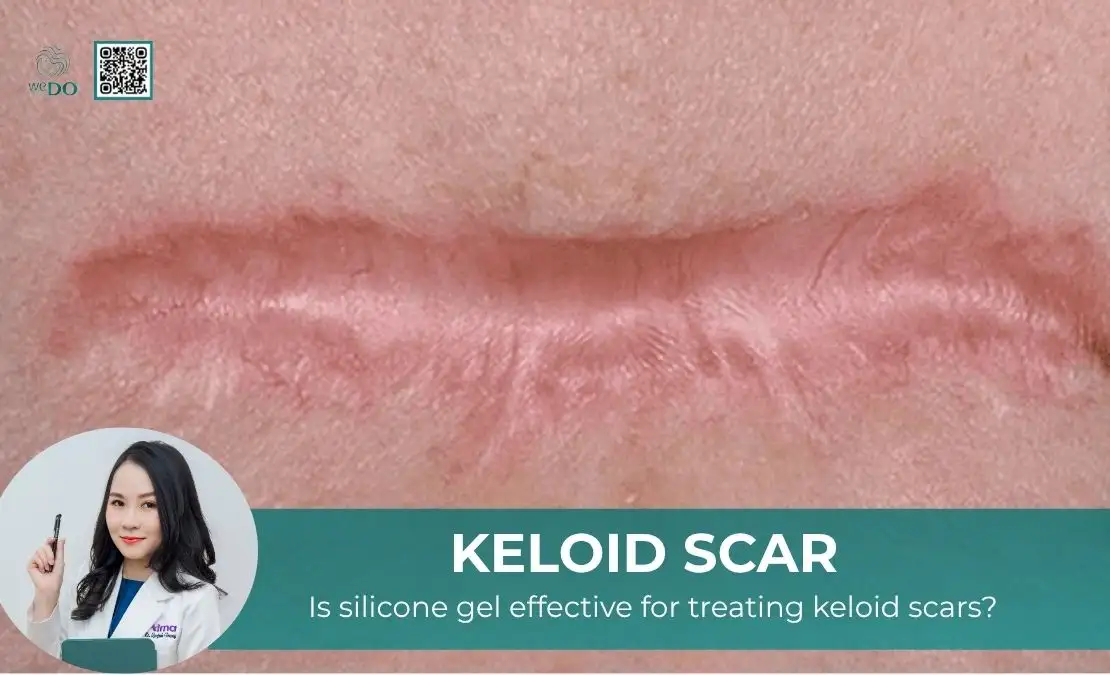
Is silicone gel effective for treating keloid scars?
Is silicone gel effective for treating keloid scars? For individuals with keloid scars, can topical treatments help flatten the scar? This is a common concern, as topical therapy is both cost-effective and non-invasive. If you are also curious, refer to the article below to find the answer. Is silicone gel effective for treating keloid scars?

What SPF level is sufficient for sunscreen?
What SPF level is sufficient for sunscreen? Does a higher SPF mean stronger and more effective sun protection? And is focusing solely on the SPF index enough to choose a suitable sunscreen for your skin? If you are also wondering about these questions, refer to the article below to find the answers. What is the
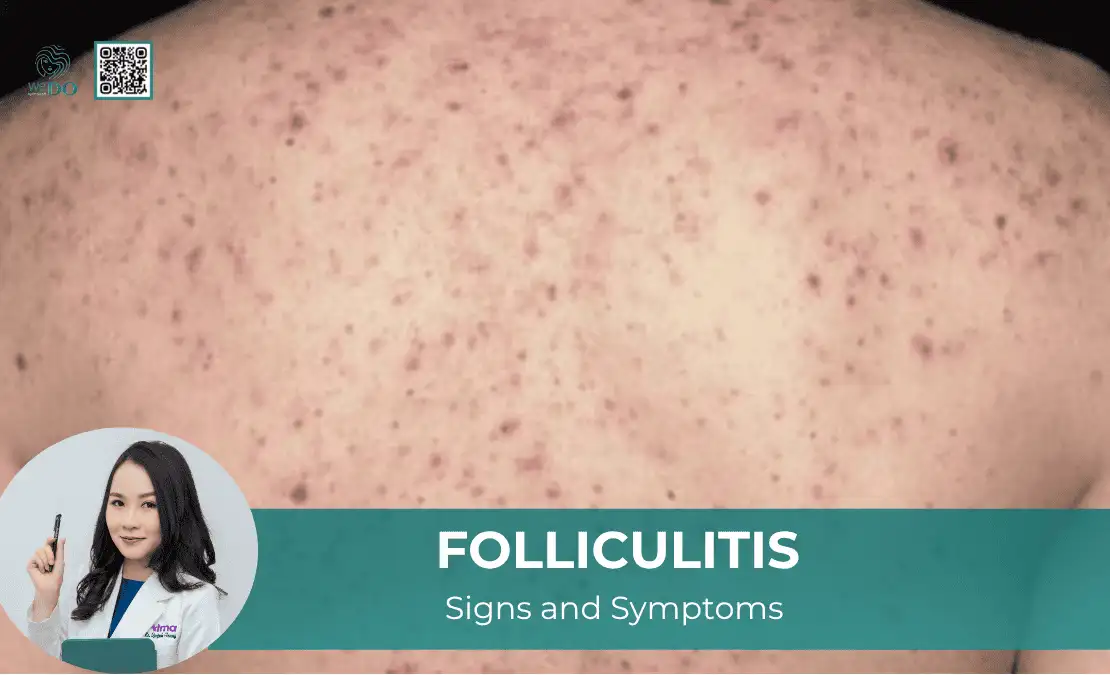
WHAT IS FOLLICULITIS AND HOW IS IT TREATED?
Folliculitis can affect anyone and may occur anywhere on the body except the palms and soles. Although it does not impact overall health, it often causes discomfort and reduces confidence due to cosmetic concerns. Without proper treatment, folliculitis tends to recur, making the skin appear less smooth. FOLLICULITIS – DEFINITION AND SIGNS AND SYMPTOMS Folliculitis
Tác giả: admin
Ngày đăng: 14/10/2025