


 VIE
VIE

Common Misconceptions About Acne and Pimples
CONTENT
Acne and Pimples are two common dermatological issues affecting individuals across various age groups. However, not everyone fully understands their causes, severity, or effective treatment methods. Misconceptions can lead to improper skincare practices, exacerbating the condition. Refer to the article below for scientifically-backed, effective acne management solutions.
Misconceptions and Lesser-Known Facts About Acne and Inflammatory Acne
Misunderstanding the nature of acne and inflammatory acne can result in inappropriate treatment approaches, potentially worsening skin damage:
Acne is mild, while inflammatory acne is more severe
Many people believe that acne is a mild form, whereas inflammatory acne is more serious. In reality, acne is a general term encompassing various types, including whiteheads, blackheads, hidden acne, and pustules. Some acne types, if not properly cared for, can develop into inflammatory acne, causing more significant skin damage.
Moreover, the severity of acne doesn’t solely depend on its type but also on factors like underlying causes, skin condition, and treatment methods. Improper cleansing can lead to oil and bacteria accumulation, increasing inflammation. Incorrect pimple extraction or unsuitable products can also trigger outbreaks and make acne harder to control.

In some cases, inflammatory acne can develop from acne when pores remain clogged due to excess oil, dirt, or dead skin cells, allowing P. acnes bacteria to proliferate, leading to inflammation, redness, and pain. This common progression turns mild acne into more severe inflammatory acne.
However, not all inflammatory acne originates from acne. Some cases arise from other causes without going through an acne stage. For example:
- Hormonal imbalances (common during puberty, pregnancy, or polycystic ovary syndrome) can stimulate sebaceous glands, causing inflammation from the outset.
- Cosmetic irritation from unsuitable ingredients can provoke strong skin reactions, leading to irritant dermatitis and inflammatory acne flare-ups.
- Polluted environments (smoke, chemicals) can weaken the skin’s protective barrier, causing inflammation without preceding acne.
Can mild acne resolve without treatment?
Mild acne may gradually improve over time, but it doesn’t always resolve completely on its own. Without proper care, acne can persist, leaving dark spots or even developing into inflammatory acne. This often occurs when the skin isn’t adequately cleansed, pores become clogged, or improper pimple extraction habits allow bacterial invasion.
Additionally, after acne subsides, inadequate skin protection can result in long-lasting dark spots, leading to uneven skin tone. In some cases, uncontrolled mild acne can progress to inflammatory acne, causing redness, pain, and increased risk of scarring.
Therefore, early and appropriate acne treatment is crucial. Intervening from the initial stages helps control acne effectively, shortens recovery time, and prevents more severe skin damage.
Is inflammatory acne caused solely by bacteria?
Propionibacterium acnes (P. acnes) bacteria play a significant role in the development of inflammatory acne. However, bacteria aren’t the sole cause. Hormonal imbalances, unhealthy diets, prolonged stress, and unsuitable cosmetics can also trigger inflammatory responses in the skin, leading to inflammatory acne:
- Hormonal imbalances: Increased androgen hormones can stimulate sebaceous glands to produce more oil. Excessive oil can clog pores, creating an ideal environment for P. acnes bacteria to thrive and cause infections. This explains why many people experience acne during puberty, pregnancy, or before menstruation.
- Accumulation of excess oil and dead skin cells: When pores are clogged, bacteria can proliferate, leading to inflammation and the formation of inflammatory acne. Without proper cleansing, this condition can persist, worsening acne severity.
- Use of unsuitable cosmetics: Some products containing mineral oils or silicones can form a film on the skin’s surface, clogging pores and increasing acne risk. Especially if makeup isn’t thoroughly removed, residual cosmetics can exacerbate acne.
- Diet and lifestyle: Studies have shown that high-sugar foods, dairy products, and fast food can trigger inflammatory responses in the body, increasing acne risk. Additionally, prolonged stress, lack of sleep, and habits like touching the face can worsen inflammatory acne.
Thus, bacteria are just one factor in the development of inflammatory acne. Treating inflammatory acne requires a multifaceted approach, including oil control, skin barrier protection, and lifestyle adjustments.

Mistakes When Treating Acne and Inflammatory Acne
- Focusing solely on acne treatment products: Effective acne treatment depends not only on skincare products but also on diet, sleep, and stress management.
- Overusing too many active ingredients: Simultaneously using multiple strong ingredients (AHA, BHA, retinol, benzoyl peroxide) may cause irritation, weaken the skin barrier, and worsen acne.
- Only treating skin externally without considering internal health: Poor digestive or liver function and nutritional deficiencies (zinc, vitamin A, D, omega-3) can increase acne risk.
Should You Pop Acne and Inflammatory Pimples?
- Acne (blackheads, whiteheads): Can be popped if fully matured, but should be done properly or by a dermatologist.
- Inflammatory acne (cysts, pustules, nodules): Should not be popped as it may cause infection and scarring. Instead, use treatments like benzoyl peroxide, retinoids, or salicylic acid.

Expert Advice for Managing Acne and Inflammatory Acne
Acne and inflammatory acne not only affect appearance but can also cause skin health issues if not treated correctly. According to dermatologists, effective acne control requires a scientific skincare regimen combining home care and medical intervention when necessary. Below are recommendations from WEDO dermatology experts to help improve acne and inflammatory acne conditions:
Develop a skincare routine tailored to your acne condition
Each skin type and acne severity level requires a specific care routine. However, dermatologists recommend some general principles:
- Proper cleansing: Wash your face twice daily with a gentle cleanser that has a balanced pH, free from alcohol and strong fragrances. For oily, acne-prone skin, opt for products containing salicylic acid or benzoyl peroxide to help control oil and clear pores.
- Moisturize adequately: Acne-prone skin still needs hydration to maintain its natural protective barrier. Use oil-free, lightweight moisturizers that won’t clog pores.
- Use sunscreen daily: UV rays can increase pigmentation, making post-acne marks darker. Always use a sunscreen with SPF 30 or higher that is non-comedogenic (won’t clog pores).

Avoid bad habits that worsen acne
Some seemingly harmless habits can significantly worsen acne:
- Avoid touching your face: Hands carry many bacteria, and touching your face can increase the risk of infection.
- Do not pop pimples on your own: Improper popping can lead to deeper skin damage, spread bacteria, and result in prolonged scars and dark spots.
- Limit heavy makeup: Thick layers of makeup can clog pores, making acne more likely to flare up. If makeup is necessary, choose non-comedogenic products suitable for acne-prone skin and ensure thorough removal.
Adjust your diet and lifestyle to support acne treatment
Lifestyle and diet significantly affect skin health. Experts recommend the following:
- Limit acne-triggering foods: Sugar, cow’s milk, processed foods, and fast food may increase inflammation and worsen acne.
- Add skin-friendly foods: Green vegetables, fruits, and omega-3-rich foods like salmon and walnuts help reduce inflammation and support skin recovery.
- Stay hydrated: Drinking enough water helps maintain skin moisture and supports detoxification through the skin.
- Get enough sleep and manage stress: Lack of sleep and chronic stress can disrupt hormone levels, making acne more likely. Aim for 7–8 hours of sleep per night and practice relaxation techniques such as yoga or meditation.
Use targeted treatment products properly and consult a doctor when needed
Depending on the acne condition, targeted treatments may help control inflammation and prevent new breakouts:
- Salicylic acid: Helps unclog pores and control excess oil.
- Benzoyl peroxide: Has antibacterial properties and reduces inflammation.
- Retinoids: Promote cell turnover and prevent new acne from forming.

Understanding acne and inflammatory acne is essential for choosing the right treatment approach and minimizing the risk of long-term skin damage. If acne persists or worsens, consult a dermatologist for a safe and effective treatment plan.
Contact Information:
- Contact us for a free consultation and appointment!
- Liên hệ để được tư vấn, đặt lịch hẹn hoàn toàn miễn phí!
———————–———————–
WeDo Skin Clinic
- 𝗪𝗲𝗯𝘀𝗶𝘁𝗲: wedoskinclinic.com
- 𝗙𝗮𝗻𝗽𝗮𝗴𝗲: 𝗠𝗲𝗱𝗱𝗶 𝗦𝗸𝗶𝗻 | Meddi Skin Clinic&Spa | Wedo by Dr.Meddi
———————–———————–
WeDo District 1 – Tran Doan Khanh Street
- 𝗛𝗼𝘁𝗹𝗶𝗻𝗲/𝐙𝐚𝐥𝐨: 0898898875
- 𝐖𝐡𝐚𝐭𝐬𝐚𝐩𝐩: +84898898875
- Address: 11 Tran Doan Khanh Street, Da Kao Ward, District 1, HCMC
WeDo District 2 – Thai Thuan Street
- 𝗛𝗼𝘁𝗹𝗶𝗻𝗲/𝐙𝐚𝐥𝐨: 0707196622
- 𝐖𝐡𝐚𝐭𝐬𝐚𝐩𝐩: +84707196622
- Address: 17 Thai Thuan Street, An Phu Ward, Thu Duc City, HCMC
———————–———————–
- Youtube: https://www.youtube.com/@Wedoskinclinic
- Tiktok: https://www.tiktok.com/@wedo.skin.clinic
- Insta: https://www.instagram.com/drmeddiskin/
- Pinterest: https://www.pinterest.com/wedoskin/
- X: https://x.com/wedoskinclinic
- LinkedIn: https://vn.linkedin.com/company/meddi-skin
———————–———————–
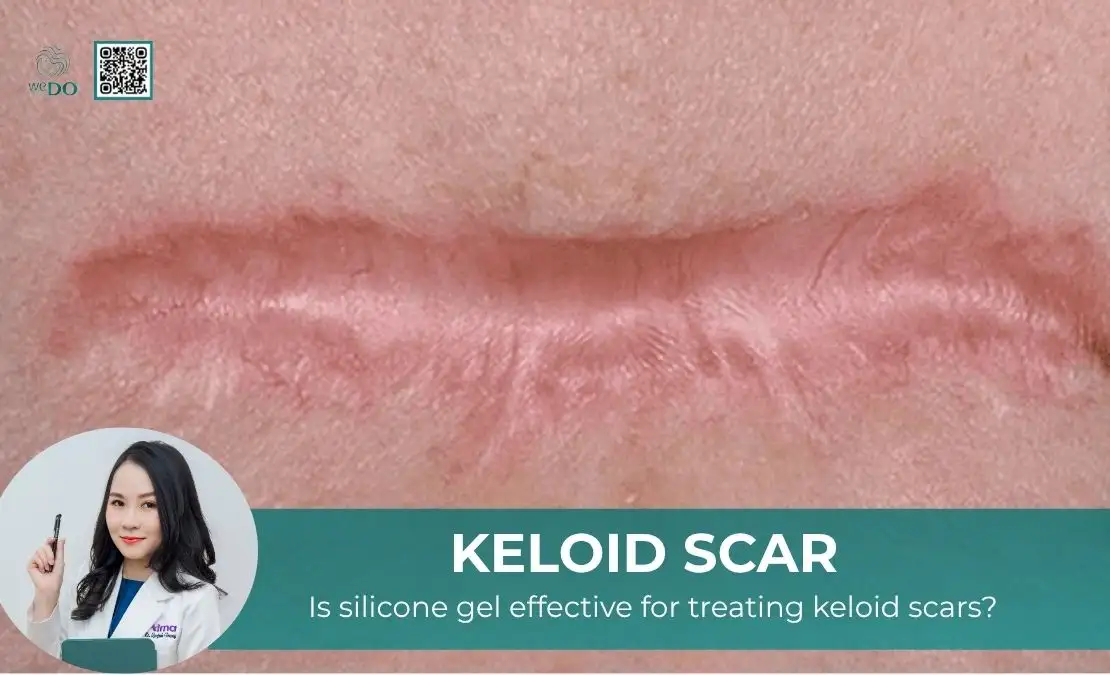
Is silicone gel effective for treating keloid scars?
Is silicone gel effective for treating keloid scars? For individuals with keloid scars, can topical treatments help flatten the scar? This is a common concern, as topical therapy is both cost-effective and non-invasive. If you are also curious, refer to the article below to find the answer. Is silicone gel effective for treating keloid scars?

What SPF level is sufficient for sunscreen?
What SPF level is sufficient for sunscreen? Does a higher SPF mean stronger and more effective sun protection? And is focusing solely on the SPF index enough to choose a suitable sunscreen for your skin? If you are also wondering about these questions, refer to the article below to find the answers. What is the
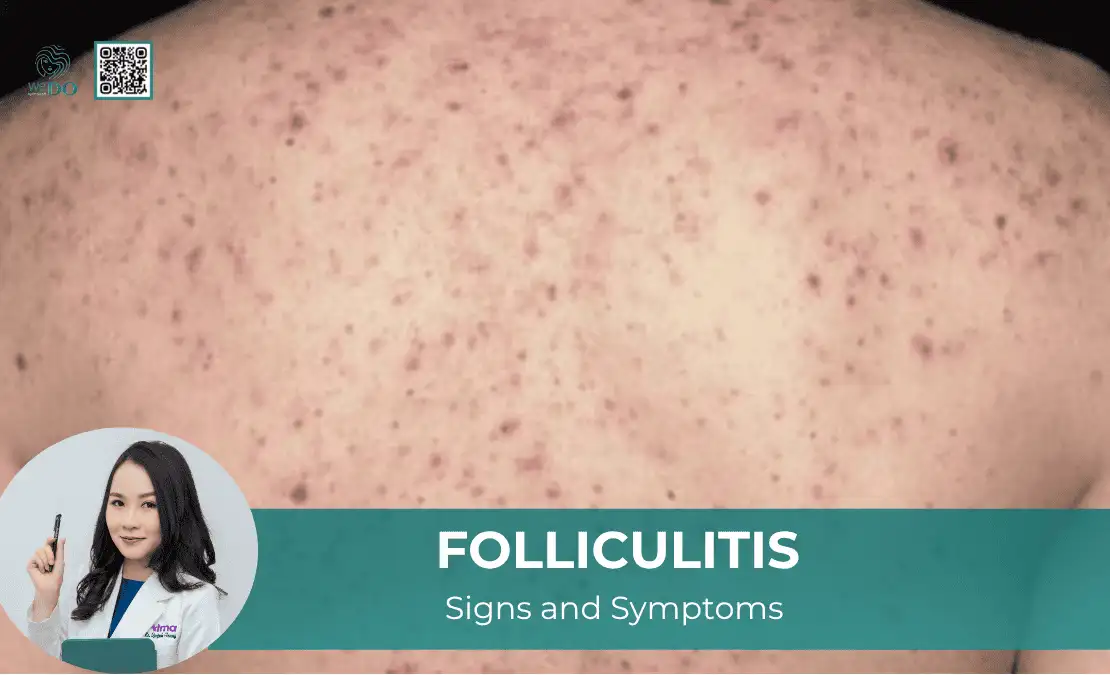
WHAT IS FOLLICULITIS AND HOW IS IT TREATED?
Folliculitis can affect anyone and may occur anywhere on the body except the palms and soles. Although it does not impact overall health, it often causes discomfort and reduces confidence due to cosmetic concerns. Without proper treatment, folliculitis tends to recur, making the skin appear less smooth. FOLLICULITIS – DEFINITION AND SIGNS AND SYMPTOMS Folliculitis
Image I Peel: Ingredients, Benefits, and Price
Peel Image (I Peel) is a familiar name among skincare enthusiasts, especially those who love chemical peels. But is this popular line really worth the hype — and what’s its price range? Let’s take a closer look. Key Ingredients of Peel Image Peel Image follows a multi-target, multi-mechanism principle — meaning it combines a variety
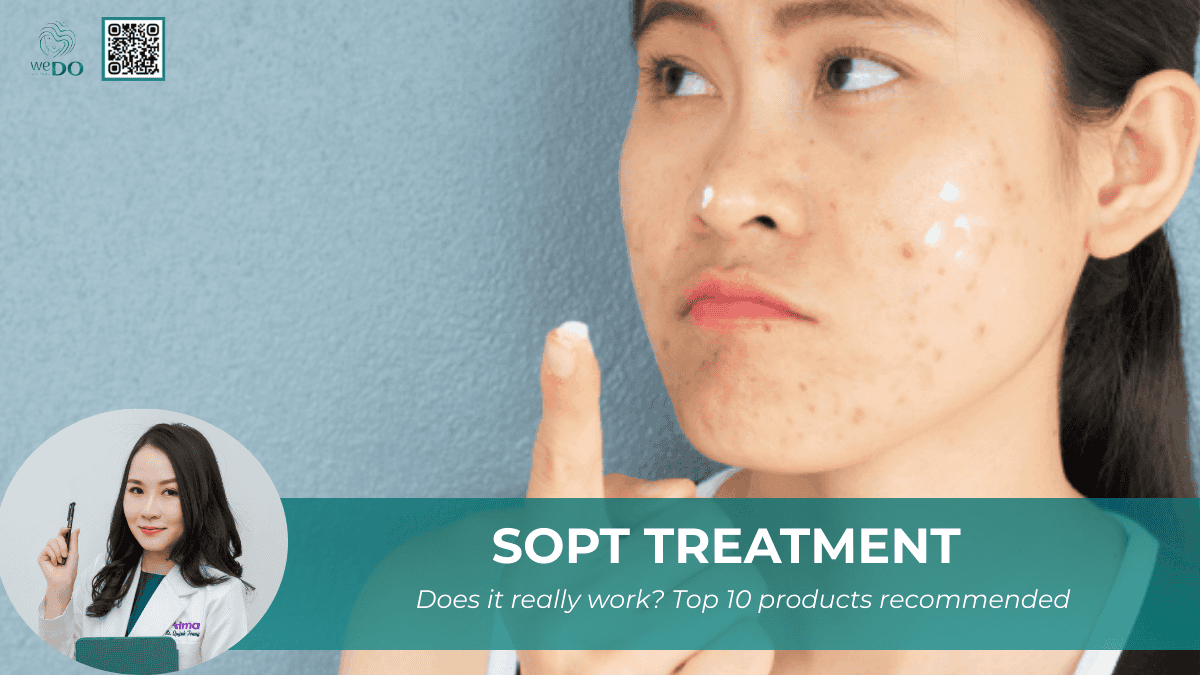
Does Acne Spot Treatment Really Work? Top 10 Products Recommended
Spot treatment is a familiar method for those dealing with acne-prone skin. It is simple, painless, affordable, and can be performed at home. The effectiveness depends largely on the active ingredients and the severity of acne. Benefits of Acne Spot Treatments Depending on their composition, different products serve distinct purposes, but generally, they work to:
Tác giả: wedo
Ngày đăng: 16/04/2023