


 VIE
VIE

Apply sunscreen but skin still burns, what is the cause?
CONTENT
Sunscreen acts as a barrier, shielding the skin from UV rays, reducing the risk of dark spots, aging, or even skin cancer. However, protecting your skin isn’t as simple as just applying it, as many people find that despite using sunscreen, their skin still gets sunburned or darkened. The reasons for this could stem from small, common mistakes like application technique, the amount of sunscreen used, or choosing the wrong type of sunscreen.
Causes and Solutions for Skin Darkening Despite Using Sunscreen
If your skin loses several tones after a few sunny days, don’t hastily blame the manufacturer for exaggerating their product’s benefits. It might be because you’re not giving the sunscreen the chance to work effectively due to the following errors.
Not Applying the Correct Amount
Using the right amount is the first basic requirement for any product to achieve optimal results. Many people think a thin layer of sunscreen is sufficient, but this prevents the SPF or PA ratings on the label from functioning as promised by the manufacturer.
According to the American Academy of Dermatology, for Asian skin, apply about 1–2 grams (roughly 1/4–1/3 teaspoon) evenly across the face and neck. You can apply in two thin layers for easier blending and to avoid a heavy feel. For the entire body, use 25–30 grams, equivalent to about 6 teaspoons, to ensure optimal skin protection.

To ensure sunscreen fully provides its protective benefits, apply the necessary amount to areas like the face, neck, etc.
Choosing Sunscreen Unsuitable for Your Skin Type
Each skin type has unique characteristics and requires specific sunscreens. Using the wrong type can make skin oily, clogged, or cause pore blockages, reducing protective efficacy.
– Oily or acne-prone skin: Opt for gel, milk, or lightweight lotion sunscreens labeled non-comedogenic (won’t clog pores) and oil-free. Prioritize products with hyaluronic acid, glycerin, or niacinamide to control oil and provide light hydration without feeling heavy.
– Dry skin: Choose thicker cream or lotion sunscreens with moisturizing ingredients like hyaluronic acid, aloe vera, or ceramides to protect and hydrate, keeping skin soft all day.
– Sensitive skin: Prefer physical sunscreens (containing zinc oxide or titanium dioxide) and avoid products with fragrances, alcohol, parabens, or strong preservatives. Look for ingredients like hyaluronic acid, niacinamide, or panthenol to soothe skin and reduce irritation risks.
Applying Only Once for the Whole Day
Due to sweat, sebum, or environmental factors, sunscreen’s effectiveness diminishes within 2–4 hours. This leaves skin less protected from UV rays, especially for those working outdoors, playing sports, or moving frequently.
Reapply sunscreen:
– Every 2 hours, if exposed directly to sunlight.
– After 80 minutes, if engaging in outdoor activities like swimming, heavy exercise, or beach trips.
For indoor workers with minimal sun exposure, frequent reapplication may not be necessary.
Not Waiting Long Enough
Many people only remember to apply sunscreen right before heading out, applying it, and immediately stepping outside. This doesn’t give the sunscreen enough time to absorb and form a stable protective layer. For best results, apply sunscreen about 30 minutes before going out and complement it with other protective measures.

Don’t rush out immediately; wait a bit for the sunscreen to activate.
Not Using Broad-Spectrum Sunscreen
UVB rays primarily cause sunburn, while UVA rays penetrate deeper, causing aging, wrinkles, and increased skin cancer risk. Only broad-spectrum sunscreens protect against both. Using sunscreen with only SPF (UVB protection) without UVA protection leaves your skin vulnerable to internal damage.
Applying Only on Sunny Days or During Outdoor Activities
Since it’s called sunscreen, many assume it’s only needed on sunny days or when exposed to sunlight. However, UV radiation persists even on cloudy days and can penetrate glass. Therefore, use sunscreen daily, regardless of weather or whether you’re indoors or outdoors.
Using Makeup with SPF Instead of Sunscreen
Many cushions on the market have SPF 50 and PA+++, equivalent to sunscreen. However, achieving this protection requires a large amount, which is impractical for makeup application.
Apply sunscreen before makeup, wait for it to dry and absorb, then proceed with your usual makeup routine.
How to Handle Sunburned Skin
If you’ve made one of the above mistakes, causing your skin to burn, darken, or weaken, don’t panic. Instead, immediately stop sun exposure and focus on recovery steps to “rescue” your skin.
Use Cool Water for Instant Relief
This is the simplest, most effective method for immediate relief. Use a cool (not ice-cold) towel to lower the temperature of the affected area. Use clean water, avoiding pool water containing chlorine, which may irritate the skin.
Soothe sunburned, irritated skin by gently patting water on your face.
Apply a Soothing Face Mask
Use masks containing hyaluronic acid for hydration or ingredients designed to repair sunburned skin, providing moisture, preventing irritation, and nourishing skin for a plump, smooth appearance.
Use Moisturizer
Sunburned skin needs daily hydration with gentle products containing ingredients that improve dark spots and repair damage, such as vitamin E, peptides, ceramides, or pro-vitamin B5.
Note: Avoid creams containing petroleum, benzocaine, or lidocaine.
Use After-Sun Cream
After-sun creams work similarly to moisturizers for sunburned skin, balancing moisture, healing damage, and eliminating irritants. Consistent use helps maintain balanced hydration, significantly alleviating itching and discomfort from sunburn.
Consult a Dermatologist
If sunburn persists and your skin weakens significantly, visit a dermatologist for skin analysis and a personalized hydration treatment plan, addressing both internal and external recovery. Beyond topical treatments, advanced technologies like electroporation of serums or LED light therapy can accelerate skin recovery.
Conclusion
Sunscreen is not just a shield for your skin but an essential care step for maintaining healthy, youthful skin. To maximize its effectiveness, use it correctly, from choosing the right product to proper application and reapplication timing. Don’t let small mistakes render your skin protection efforts futile.
Related Questions
1. Why does my skin still darken despite using sunscreen?
You may be making mistakes like applying too little, not reapplying every few hours, choosing the wrong sunscreen, or not waiting long enough for absorption.
2. How much sunscreen is enough for the face and body?
About 1–2g (1/4–1/3 teaspoon) for the face and neck; 25–30g (6 teaspoons) for the entire body.
3. When should I reapply sunscreen?
Every 2 hours under direct sunlight, or after 80 minutes of swimming or heavy sweating.
4. Is using a cushion or foundation with SPF enough instead of sunscreen?
No, as achieving equivalent protection requires an impractical amount of makeup application.
5. What should I do if my skin gets sunburned?
Stop sun exposure immediately, soothe with cool water, apply a recovery mask, use gentle moisturizer, apply after-sun cream, and see a dermatologist if the condition doesn’t improve.
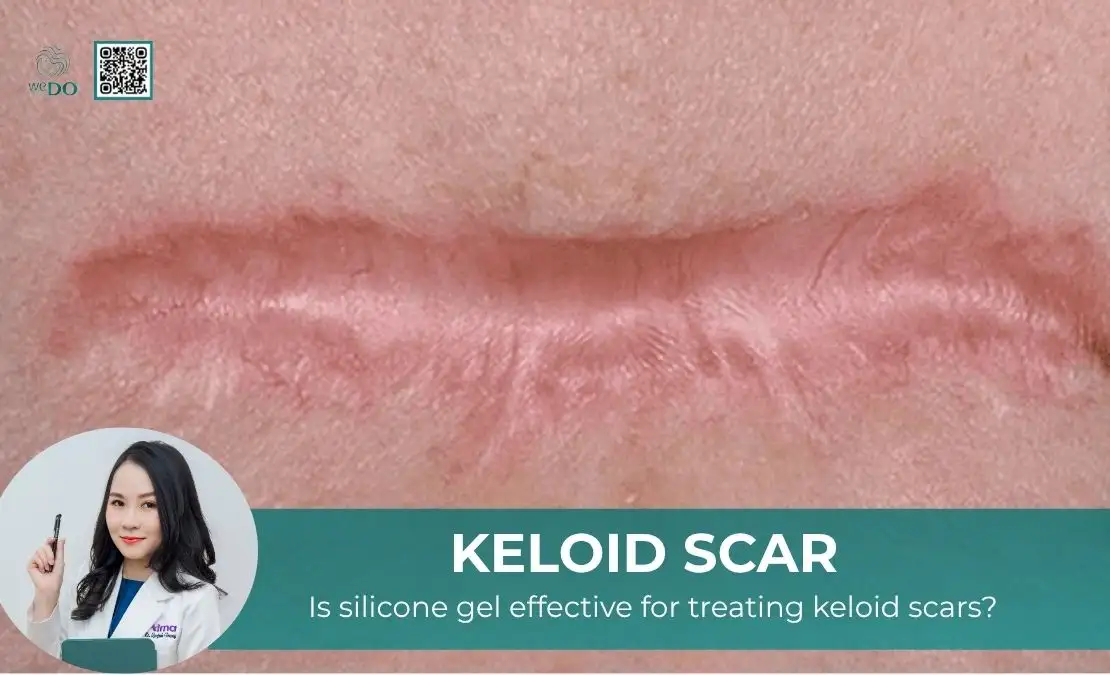
Is silicone gel effective for treating keloid scars?
Is silicone gel effective for treating keloid scars? For individuals with keloid scars, can topical treatments help flatten the scar? This is a common concern, as topical therapy is both cost-effective and non-invasive. If you are also curious, refer to the article below to find the answer. Is silicone gel effective for treating keloid scars?

What SPF level is sufficient for sunscreen?
What SPF level is sufficient for sunscreen? Does a higher SPF mean stronger and more effective sun protection? And is focusing solely on the SPF index enough to choose a suitable sunscreen for your skin? If you are also wondering about these questions, refer to the article below to find the answers. What is the

WHAT IS FOLLICULITIS AND HOW IS IT TREATED?
Folliculitis can affect anyone and may occur anywhere on the body except the palms and soles. Although it does not impact overall health, it often causes discomfort and reduces confidence due to cosmetic concerns. Without proper treatment, folliculitis tends to recur, making the skin appear less smooth. FOLLICULITIS – DEFINITION AND SIGNS AND SYMPTOMS Folliculitis
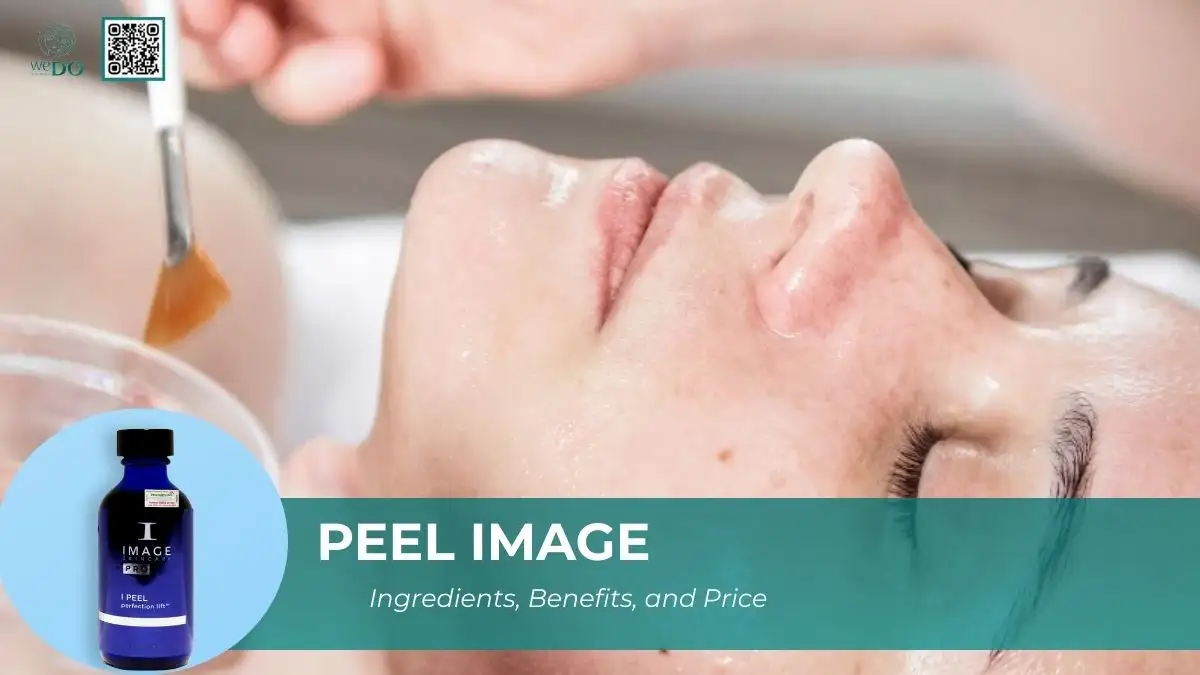
Image I Peel: Ingredients, Benefits, and Price
Peel Image (I Peel) is a familiar name among skincare enthusiasts, especially those who love chemical peels. But is this popular line really worth the hype — and what’s its price range? Let’s take a closer look. Key Ingredients of Peel Image Peel Image follows a multi-target, multi-mechanism principle — meaning it combines a variety
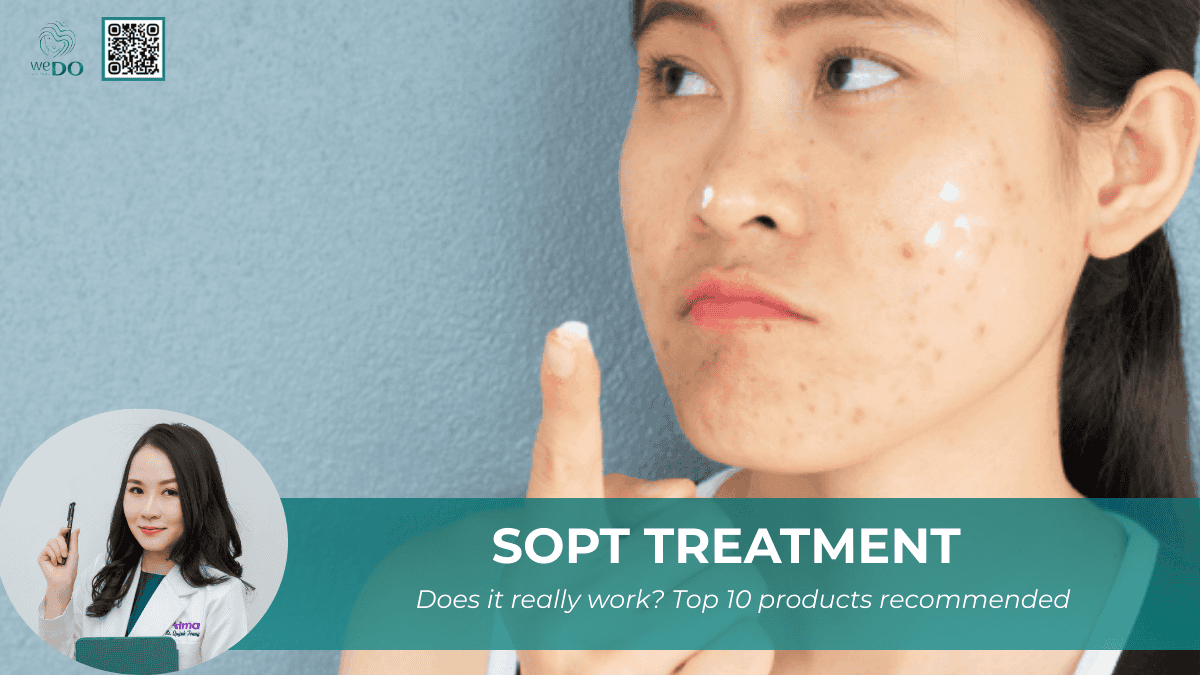
Does Acne Spot Treatment Really Work? Top 10 Products Recommended
Spot treatment is a familiar method for those dealing with acne-prone skin. It is simple, painless, affordable, and can be performed at home. The effectiveness depends largely on the active ingredients and the severity of acne. Benefits of Acne Spot Treatments Depending on their composition, different products serve distinct purposes, but generally, they work to:
Tác giả: wedo
Ngày đăng: 20/06/2025